Category: Design Blogs

fashion communication course

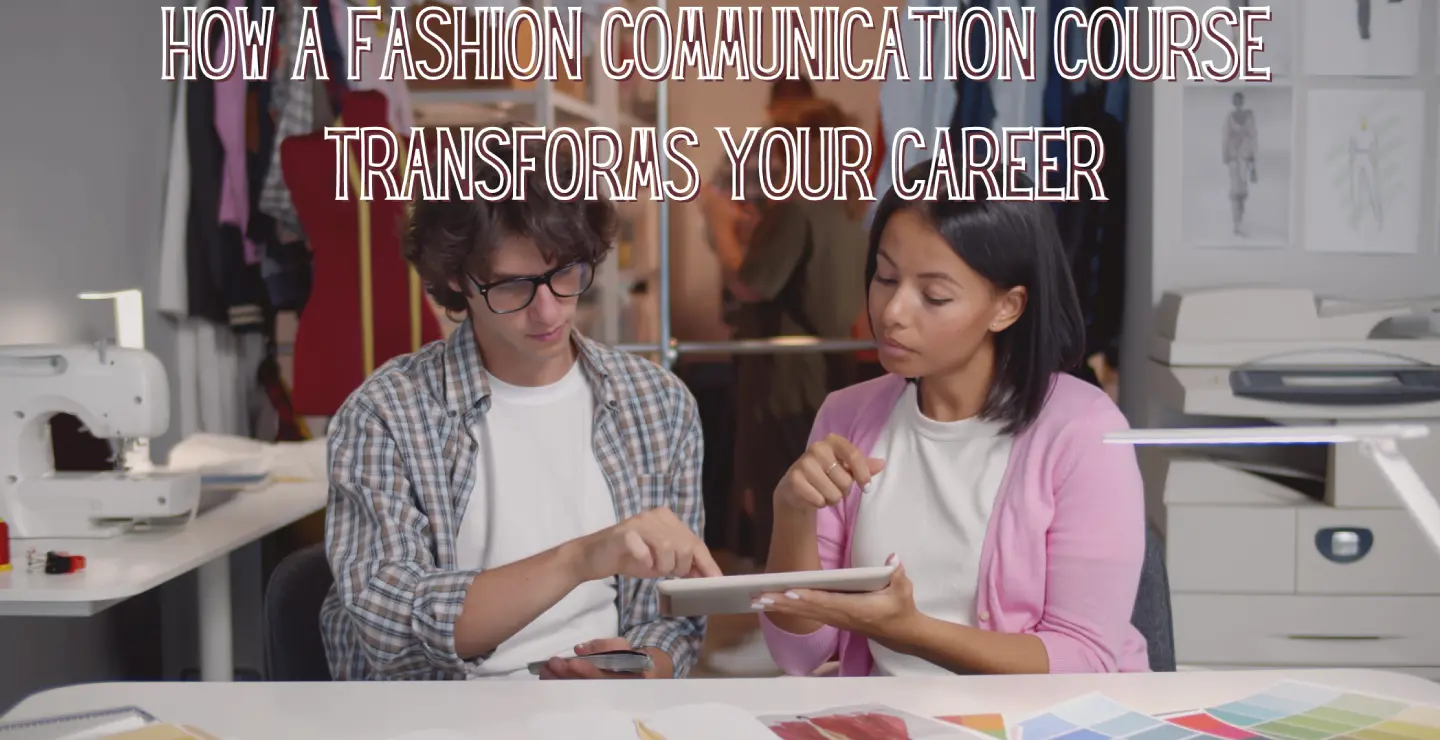
How a Fashion Communication Course Transforms Your Career 2024

Fashion Courses Interior Design Courses Jewellery Design Courses UI/UI Courses Visual Arts Courses Other Courses OTHER COURSES Contact us Bengaluru Campus 1 : JD School of Design, No. 18-1, Brigade Road, Bengaluru,Karnataka – 560 001. Campus 2 : No. 40, Swan House, 4th Cross, Residency Road, Bengaluru, Karnataka – 560001. +91 9901 999 903 +91 9901 999 904 +91 9480 323 232 jdfashion@jdindia.com Goa Musthtifund Saunstha , Near Mahalaxmi Temple,Dada Vaidya Road, Goa-403001 +91 9606 096 060 +91 9606 048 888 jdfashion@jdindia.com Especially in today’s world, where fashion is one of the keenest and most rapidly changing industries with an immense emphasis on the role of word communication,  the Fashion Communication Course may be a breakthrough for such individuals. Regardless of the chosen career path – a fashion journalist, a PR specialist, a marketer, or a stylist – it would be beneficiary to obtain the enhanced knowledge and practical skills within the framework of further educational programs. It’s now time to see how the frustration and elevation of a fashion communication course affect your career line.  The Importance of Fashion Communication Skills  The authors aim to explain the very nature of fashion communication.   It goes beyond simply advertising apparel; it sells the idea of ‘brand conversation,’ ‘the emergence of trends,’ ‘the art of existence and expression. ” It includes different fields ranging from public relations, journalism, marketing, and the new age digital media, all of which are important in telling captivating stories in today’s society. Thus, a specific course prepares you for these areas in terms of the required theoretical knowledge and practical skills.  Building the Crucial Elements for Industry Success  A strong fashion communication course emphasizes revealing the key abilities necessary for the fashion industry that are appreciated by employers. Starting from how to write press releases and fashion articles, to the knowledge of approaches to digital marketing and SMM, each studied skill can be the basis for practical activities. Such courses may entail the completion of special projects, internships, or work in cooperation with an actual company, which is very beneficial due to the obtained technical experience and portfolio.  Fashion communication course career opportunities Another essential aspect that shows that one should consider taking a fashion communication course is the numerous jobs one can get. Some of the positions that a graduate can apply for include fashion public relations specialist and analyst, social media fashion specialist, brand and fashion strategist, and event fashion coordinator among others. The flexibility of the course is due to the combination of the subjects mentioned above meaning that the people who take the course can easily change and fit in different jobs in the fashion and luxury market.  Understanding of Industry Trends and Their Innovations  Being competing in the fashion sector means being aware of new trends and novelties on the market. Unlike other educational programs, a credible fashion communication course would include not only the basics of the means of communication but also prospects for their development, as well as aspects of sustainability and the world economy. This knowledge enhances graduates’ visions and flexibility which is necessary in the constantly shifting world of fashion.  Entering and Sustaining a Powerful Professional Sphere  Thus, networking is a crucial element in any industry, including fashion. Thus, properly developed Fashion communication skills for industry success provide several career experiences with professionals, alumni, and guest speakers. From these connections, one can be mentored, find a job placement, or partner thus boosting one’s career path and recognition in the sector.  Showcasing Creativity and Innovation  Fashion marketing and communication are, therefore, profoundly about imagination. Regardless of the narrative of Success stories in fashion communication, analysis of communicative concepts for campaign building, or the creation of fresh forms of fashion imagery in digital environments, the course is creative-minded. By doing effective assignments and operations, students can reason out, create, and make themselves stand out from other candidates in the employment sector.  Coping With Difficulties and Strengthening Coping Strategies   The fashion industry is said to run on a small scale acclaimably fast and is characterized by lots of pressure situations. The benefits of studying fashion communication are that there is a need to solve different problems, and media crises, work with a lot of time pressure, and be ready to adjust to any conditions. All these nurture them to persevere and build up the much-needed optimism for a long-term career in fashion communication success.  Dynamics of Information Technology and System Integration   It has become quite clear that as the world shifts to the digital age, Fashion communication job roles, and digital literacy are mandatory. To this end, a fashion communication course is made up of various affiliated units, which may include a digital marketing unit, social media analysis and/or content creation unit, and e-commerce strategies. Indeed, these are vital Fashion communication skills for industry success to help reestablish the industry’s brand presence and drive record audience engagement to meet the success of businesses in the modern digital-first economy.  Embracing Diversity and Sustainability   Modern customers expect products to be genuine, diverse, and environmentally friendly from the companies. An innovative fashion communication course should address such aspects as ethics, diversities, and sustainability. Graduates are prepared to be change-makers in the industry, making the fashion environment better and promoting justice.  Thus, it is possible to state that the decision to take a fashion communication Course is not only an educational endeavor but an essential self-formation process that provides individuals with remarkable opportunities on How a fashion communication course transforms their career. The graduates also recognized benefits that make them ready to make their contribution and excel in various areas of fashion communication: Understanding of fashion communication, New knowledge and ideas, Networking, Embrace Creativity and Innovation. Regardless of whether your goal is to become a cutting-edge journalist or a PR-orientated specialist, or to create a successful career in the sphere of marketing and digital coefficients, a profession in the sphere of fashion communication can become the basis for a successful and inspiring Career in
The Journey of Successful Product Design

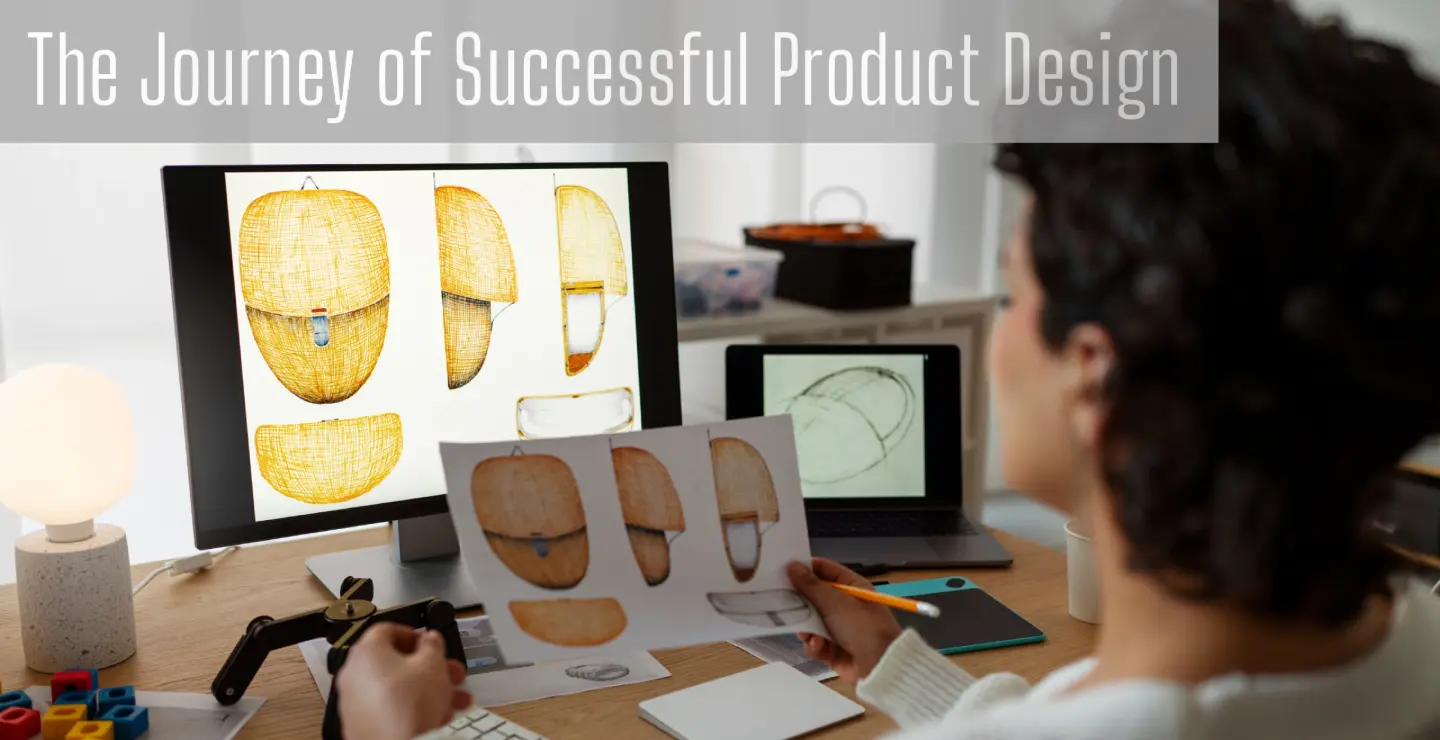
The Journey of Successful Product Design

Fashion Courses Interior Design Courses Jewellery Design Courses UI/UI Courses Visual Arts Courses Other Courses OTHER COURSES Contact us Bengaluru Campus 1 : JD School of Design, No. 18-1, Brigade Road, Bengaluru,Karnataka – 560 001. Campus 2 : No. 40, Swan House, 4th Cross, Residency Road, Bengaluru, Karnataka – 560001. +91 9901 999 903 +91 9901 999 904 +91 9480 323 232 jdfashion@jdindia.com Goa Musthtifund Saunstha , Near Mahalaxmi Temple,Dada Vaidya Road, Goa-403001 +91 9606 096 060 +91 9606 048 888 jdfashion@jdindia.com Beginning the process of designing products that will be successful in the market, is more of a science and an art. Organization is again not a very small-scale task, it requires creativity, thinking, planning, and management of work. This is where we detail the various stages of product design and how to be successful there. The Importance of Product Design Why Product Design Matters  Product design is a significant activity for organizations because it determines the functionality, look, and sales of a product. Effective product design means that the respective brand can look different from many other brands, make the customers happy, and increase sales. Functionality is a critical consideration in product design such that an end product is visually impressive while being functional and easy to work with. Key Elements of Successful Product Design  Successful product design combines several key elements: Innovation: Changing the input by making a new input or enhancing the already present input. Functionality: Guaranteeing that a product can do the task for which it was designed satisfactorily. Aesthetics: Designing a product that will be appealing to the customer and is eye-catching. User Experience: Making sure that an item or system is user-friendly and meets the end users’ objectives. Conceptualizing the Product Design Brainstorming and Ideation  This first step often involves novel generation and idea creation. This stage entails the creation of numerous ideas and concepts. Some of the commonly used brainstorming techniques like mind maps, sketching, and intended brainstorming workshops can be effective tools in making people think out of the box. These methods are commonly employed in today’s modern methodologies to include a wide range of considerations in product conceptualization. Market Research and Analysis  Thus one of the big steps toward product design is to understand the market. Carry out research to measure market trends, and customers’ needs to be expected competitors. Evaluate the results so that special attention is paid to the areas of absolute void and the potential for creating new value propositions. This research stands as the basis for the design for the market need and corresponds to the Effective strategies for product design success. Defining the Product Vision  One does not need to stress the importance of a well-defined product vision. This vision should cover the goals, the intended market, the main qualities, and the competitive advantages the product should possess. A vision narrows down the goals of the design process and aligns the worker’s and designers’ vision to match that of the product. This step is critical in creating harmony in the works of coming up with the Product design strategy. Designing the Product Sketching and Prototyping  Drawing and modeling are always considered to be one of the most significant activities in the development of products. The first step is to draw creative sketches that help realize the concepts and design; the next step is the development of elaborated models to study the construct. Prototyping becomes useful in helping designers to test the kind of material that they wish to use, the kinds of shapes that they want to put in place, and the kinds of functionalities that will be incorporated into the designed product as well as being able to tell whether the design is feasible or not. By knowing the Steps in product design that are involved in the manufacturing of a product, we will be in a position to know how to deal with this stage to prevent future problems. User-centered Design Approach  The principles underlying user-centered design should be followed strictly for the products to meet the end-user’s needs. Engage the end-users early on through surveys, interviews, and usability tests. Follow up with the clients and correct to make the product more easier to use and attractive. Understanding User experience in product design is one of the fundamentals of introducing products that consumers are enthused about. Digital Tools and Software  Integrate various technologies, software, and applications in the design of the products. Cad tools, better 3d modeling, and virtual prototyping can cause development time to come down and also create an effective realistic model. They also help integrate different design teams to ensure that there is good consistency and great accuracy in the designs. They do this, particularly where modern product design calls for the application of advanced tools to realize the best outcome. Developing the Product Engineering and Technical Development  After that comes the engineering and technical development stage of the game after the designs have been chosen. This typically describes the process of converting the design into a product that can be manufactured. They are involved in the selection of the type of material to use from basic building materials to steel, brick, or concrete to fashion ways and means of putting up the structure. Particularly important is cooperation with engineers for the latter appears to face certain technical difficulties and it is their responsibility to check the quality of a product. Prototyping and Testing  Prototyping is a very important stage before mass production of the final product. To this end, these prototypes undergo a lot of testing for one to know the defects and vice versa. Requirements testings involve checking on the extent of its durability, its usability once in the market, and other aspects of the product that relate to its functionality out in the market. To make sure that the end product meets the intended performance and specifications, it is tested and retested. Addressing Manufacturing Constraints  Unlike the former, the latter presents a comprehensive work plan that

How an Interior Design Course Can Transform Your Career

How an Interior Design Course Can Transform Your Career

Fashion Courses Interior Design Courses Jewellery Design Courses UI/UI Courses Visual Arts Courses Other Courses OTHER COURSES Contact us Bengaluru Campus 1 : JD School of Design, No. 18-1, Brigade Road, Bengaluru,Karnataka – 560 001. Campus 2 : No. 40, Swan House, 4th Cross, Residency Road, Bengaluru, Karnataka – 560001. +91 9901 999 903 +91 9901 999 904 +91 9480 323 232 jdfashion@jdindia.com Goa Musthtifund Saunstha , Near Mahalaxmi Temple,Dada Vaidya Road, Goa-403001 +91 9606 096 060 +91 9606 048 888 jdfashion@jdindia.com Do you have a desire for remodeling and aesthetics of homes and other establishments? There are general and specific goals of the Interior Design Course The general objective of the Interior Design Course is to offer you a general and intense knowledge of the field of interior design. What will you learn in the program and how will you be equipped to face the challenges of designing interiors successfully enough to create a career? That’s what this blog will uncover.  Introduction to Interior Design The Fundamentals of Interior Design  It’s important to know the Benefits of an interior design course to be able to comprehend the greatest strategies in the discipline. The sensation of our course is the substantial base that will be established by definitions and principles.   The basic units and guidelines of design.   Elements of Design: Line, shape formation, color, surly, space, and texture.   Principles of Design: Symmetry, asymmetry, and placements, accent, beat, and proportion.   Historical Perspectives   Briefly discuss on history of interior design.   The impact of epochal concepts in the formation of the current trends in the design.   Interior Design Styles  Getting to know a variety of styles of interior design means that you have a smorgasbord of design choices from which to select.   Popular Interior Design Styles   Modern: Simplicity and elegance for lines.   Traditional: Elegance Anne Klein has never left and can be considered classical and timeless.   Industrial: The single gets a raw and edgy look.   Bohemian: Eclectic and colorful.   Space Planning and Layout  Efficient Space Utilization  Advanced interior design training for professionals is that which  involves the planning of space and therefore proper space planning is always important. Our course also addresses the approaches to rent control and the way it is incorporated into the design for efficiency.  Some Professional interior design studies that will be addressed about space planning include the following;   Flow and Circulation: Facilitating the flow from one place to another.   Zoning: Zoning of space for use.   Furniture Arrangement   Furnishing is a science of its own We show you how to place your furniture to flow for efficiency and to complement your decor.  Principles of Furniture Placement   Focal Points: Focusing on several elements of a room.   Proportion and Scale: Proper sizing of furniture and other related items to the area they are going to be placed in.   Color Theory and Application   The Psychology of Color   Hue has a great influence on the mental state and mindset of a person. Our course will help you to understand, what psychological associations are connected with Color theory in interior design  Color Harmony and Schemes   Monochromatic: The use of products of different shades of the same color.   Analogous: Orange and yellow; green and blue etc.   Complementary: Complement color that has a kind of contrast effect.  Practical Application   Discover how measurements are made in practice when using color theory.   Creating Mood Boards   Mood Boards: Aids used in the presentation of the different colors and design concepts.   Color Samples: The way of using swatches and samples properly.   Lighting Design   The Role of Lighting   It is often said that lighting can make or mar a space. The topics that we discuss in class concern both – the technical and creative sides of lighting design.   Types of Lighting   Ambient: Ambient lighting for minor and global illumination.   Task: Adjustable lighting for the required activities.   Accent: Focus on certain attributes or zones.   Lighting Techniques   Familiarize yourself with the methods that can be used to improve the use of light in interiors.   Layered Lighting   Combining Different Types: How to layer the lighting to make the scene more deep and interesting:   Dimmers and Controls: Changing lighting by the required level.   Material and Finish Selection   Choosing the Right Materials   It is therefore crucial to choose the right material for the beauty as well as for the item in question. Here, we help you decide on the finishes to be applied.   Key Considerations   Durability: Guaranteeing strength on materials to ensure that they are wear and tear-resistant.   Aesthetics: Loose association with the theme of designing.   Sustainable Design Practices  Sustainability is becoming more and more important in interior design. In our course, We have to incorporate environmentally friendly practices.   Eco-Friendly Materials   Recycled Materials: In a way that involves the utilization of materials, which are inclined to generate less waste.   Natural Finishes: The fourth requisite that needs to be adopted is undertaking the use of sustainable and renewable resources.   Design Software and Tools   Technology in Interior Design   Technology plays a major role in designing the interiors of contemporary buildings. As part of our interior design program for professionals, we acquaint on How to master interior design techniques  Popular Design Software   AutoCAD: The specific area of use of blueprints includes technical drawings where high accuracy is required.   SketchUp: In the areas of 3D modeling and visualization.   Photoshop: For making mood boards and presentations.   Hands-On Training   It must be noted that Interior design course with hands-on projects forms a part of our course.   Project-Based Learning   Real-Life Projects: Practical usage of the software knowledge.   Portfolio Development: Collection of samples of one’s work upon achieving a certain level of proficiency or working in a specific setting.   Project Management   Managing Interior Design Projects   Project management helps you guarantee with the  Interior Design Certification  Which will systematically commence, develop, and be completed efficiently. Our project management training involves the provision of important skills in that field.   Key Project Management Concepts   Budgeting: Finance management of the project.   Scheduling: Finalisation of all tasks and make sure that the projects are delivered on time.   Client

Practical Skills in Fashion Design to Learn for Real-World Success

Practical Skills in Fashion Design to Learn for Real-World Success 2024

Fashion Courses Interior Design Courses Jewellery Design Courses UI/UI Courses Visual Arts Courses Other Courses OTHER COURSES Contact us Bengaluru Campus 1 : JD School of Design, No. 18-1, Brigade Road, Bengaluru,Karnataka – 560 001. Campus 2 : No. 40, Swan House, 4th Cross, Residency Road, Bengaluru, Karnataka – 560001. +91 9901 999 903 +91 9901 999 904 +91 9480 323 232 jdfashion@jdindia.com Goa Musthtifund Saunstha , Near Mahalaxmi Temple,Dada Vaidya Road, Goa-403001 +91 9606 096 060 +91 9606 048 888 jdfashion@jdindia.com Fashion design is an ever-evolving industry that demands creativity, innovation, and technical expertise. To thrive in this competitive field, aspiring designers need more than just theoretical knowledge. Hands-on learning is crucial for developing practical skills in fashion design, bridging the gap between classroom education and real-world application. This blog post explores the importance of practical skills in fashion design and how hands-on learning can prepare you for a successful career. The Importance of Practical Skills in Fashion Design Why Hands-On Learning Matters In fashion design, hands-on learning is vital because it allows students to apply theoretical concepts in real-world scenarios. This experiential approach helps students understand the intricacies of design, from fabric selection to garment construction. By engaging in Fashion design practical workshops, students develop a deeper appreciation for the craft and gain the confidence to tackle complex design challenges. Bridging the Gap Between Theory and Practice While classroom lectures provide foundational knowledge, hands-on learning bridges the gap between theory and practice. It enables students to experiment with different techniques, tools, and materials, fostering creativity and innovation. Practical skills in fashion design, such as draping, pattern making, and sewing, are best learned through direct experience rather than textbooks alone. Core Practical Skills in Fashion Design Mastering Draping and Pattern Making Draping and pattern-making are fundamental skills in fashion design. Draping involves manipulating fabric on a dress form to create a garment’s shape and structure while pattern-making translates these designs into paper templates. Mastering these techniques allows designers to bring their visions to life with precision and accuracy. Techniques for Effective Draping Effective draping requires a keen eye for detail and a thorough understanding of fabric behavior. Start by selecting a suitable fabric, pinning it to the dress form, and manipulating it to create the desired silhouette. Practice is key to developing proficiency in draping, as it helps refine your technique and build confidence in your design choices. Steps in Pattern Making Pattern-making involves several steps, including creating a basic block, manipulating the block to achieve the desired design, and adding seam allowances. Using tools such as rulers, French curves, and tracing wheels, you can draft patterns that serve as blueprints for garment construction. Attention to detail and precision are essential in pattern-making to ensure a perfect fit and finish. Developing Garment Construction Skills Garment construction is the process of assembling a garment from its components. This skill encompasses various techniques, including sewing, hemming, and finishing. Practical skills in fashion design are honed through hands-on experience in garment construction, enabling designers to create high-quality, wearable pieces. Sewing Techniques for Beginners For beginners, mastering basic sewing techniques is crucial. Start with straight seams, practice backstitching, and learn how to sew curves and corners. Understanding different types of stitches, such as zigzag and overlock, is also important for creating durable and professionally finished garments. Regular practice and attention to detail will improve your sewing skills over time. Advanced Garment Construction Methods As you progress, explore advanced garment construction methods, such as tailoring, couture techniques, and the use of specialized sewing machines. Tailoring involves precise fitting and hand-stitching techniques, while couture methods focus on intricate details and high-quality finishes. Experimenting with these advanced fashion design techniques will elevate your design skills and enhance the quality of your creations. Exploring Textile Design and Fabric Manipulation Textile design and fabric manipulation are essential aspects of fashion design. Understanding how to work with different fabrics and create unique textures and patterns can significantly enhance your designs. Hands-on learning in these areas helps develop a keen sense of material properties and creative manipulation techniques. Techniques in Textile Design Textile design involves creating patterns and textures on fabric through various methods, such as printing, dyeing, and weaving. Experimenting with these techniques allows you to develop custom fabrics that add uniqueness to your designs. Hands-on projects, such as screen printing or tie-dyeing, provide valuable experience in textile design. Fabric Manipulation for Unique Designs Fabric manipulation techniques, such as pleating, gathering, and smocking, add dimension and interest to garments. Practicing these techniques on different types of fabric helps you understand their behavior and potential. Incorporating fabric manipulation into your designs can create visually striking and innovative pieces. Real-World Applications of Practical Skills Internship Programs and Real-World Experience Fashion design internship programs offer invaluable real-world experience, allowing you to apply your practical skills in a professional setting. Working alongside experienced designers, you gain insights into industry practices, from design conceptualization to production. Internships also provide networking opportunities and a chance to build a professional portfolio. Fashion Design Workshops and Masterclasses Participating in fashion design workshops and masterclasses is another way to enhance your practical skills. These hands-on sessions, often led by industry experts, focus on specific techniques or aspects of design. Workshops provide an immersive learning experience, enabling you to refine your skills and stay updated with the latest trends and technologies. Creating a Professional Portfolio A strong portfolio showcases your practical skills and design abilities to potential employers or clients. Include a variety of projects that demonstrate your expertise in different areas, such as garment construction, textile design, and fabric manipulation. High-quality photographs and detailed descriptions of your work will make your portfolio stand out. Fashion portfolio development is a critical step in presenting your skills to the industry. Benefits of Hands-On Learning in Fashion Design Enhanced Creativity and Innovation Hands-on learning fosters creativity and innovation by encouraging experimentation and exploration. By working directly with materials and techniques, you can push the boundaries of traditional design and develop

Best UIUX Design Courses to Shape User Experiences

Best UI/UX Design Courses to Shape User Experiences

Fashion Courses Interior Design Courses Jewellery Design Courses UI/UI Courses Visual Arts Courses Other Courses OTHER COURSES Contact us Bengaluru Campus 1 : JD School of Design, No. 18-1, Brigade Road, Bengaluru,Karnataka – 560 001. Campus 2 : No. 40, Swan House, 4th Cross, Residency Road, Bengaluru, Karnataka – 560001. +91 9901 999 903 +91 9901 999 904 +91 9480 323 232 jdfashion@jdindia.com Goa Musthtifund Saunstha , Near Mahalaxmi Temple,Dada Vaidya Road, Goa-403001 +91 9606 096 060 +91 9606 048 888 jdfashion@jdindia.com In today’s digital age, user experience (UX) and user interface (UI) design have become critical elements for creating successful products and services. From websites to mobile apps, a well-designed user experience can make the difference between a product that thrives and one that fails. UI/UX design course aims to equip you with the necessary skills to shape these experiences effectively. We will explore the essentials of our course, how it can benefit you, and why it stands out as one of the best UI/UX design courses available. Understanding the Fundamentals What is UI/UX Design? UI/UX design is a multi-faceted discipline that involves designing user interfaces (UI) and creating seamless user experiences (UX). UI focuses on the aesthetics and interactive elements of a product, such as buttons, icons, and layout, while UX emphasizes the overall feel and functionality, ensuring the product is intuitive and enjoyable to use. Our UI/UX design course for beginners covers these basics in depth. Importance of UI/UX Design Good UI/UX design is crucial because it directly impacts user satisfaction and engagement. A well-designed interface can make navigation easy and intuitive, while a positive user experience can increase customer loyalty and drive conversions. In a competitive market, excellent UI/UX design can set your product apart from the rest. Our course teaches UX design fundamentals that are essential for any designer. Course Overview Course Structure and Content UI/UX design course is structured to provide a comprehensive understanding of both UI and UX principles. The curriculum is divided into several modules, each focusing on different aspects of design, including: Introduction to UI/UX Design: Understanding the basics and the difference between UI and UX. User Research and Personas: Learning how to conduct user research and create user personas. Wireframing and Prototyping: Mastering the tools and techniques for creating wireframes and prototypes. Visual Design Principles: Exploring the fundamentals of color theory, typography, and layout. Interaction Design: Delving into the principles of interaction design and creating engaging user interfaces. Usability Testing: Learning how to conduct usability tests to gather feedback and improve designs. Responsive Design: Understanding the importance of designing for different devices and screen sizes. Accessibility: Ensuring your designs are inclusive and accessible to all users. Hands-On Projects One of the highlights of our course is the emphasis on hands-on projects. Throughout the course, you will work on real-world projects that will help you apply the concepts you’ve learned. These projects are designed to simulate actual design challenges, giving you practical experience that will be invaluable in your career. This makes our program a UI/UX design course with real-world projects that prepare you for industry demands. Why Choose Our Course? Experienced Instructors Our instructors are industry professionals with years of experience in UI/UX design. They bring a wealth of knowledge and practical insights to the course, ensuring that you learn from the best. Their real-world experience and expertise make our course one of the best UI/UX design courses available. Comprehensive Curriculum The curriculum is meticulously crafted to cover all essential aspects of UI/UX design. Whether you are a beginner or have some experience, our course is designed to take your skills to the next level. From foundational principles to advanced techniques, you will gain a thorough understanding of the entire design process. This includes mastering UI/UX design principles that are crucial for any successful designer. Community and Support Joining our course means becoming part of a vibrant community of learners and professionals. You will have access to forums and discussion groups where you can share ideas, ask questions, and receive feedback. Our support team is also available to assist you with any challenges you might face during the course. Essential Skills You Will Gain   User Research and Analysis Understanding your users is the cornerstone of good UX design. Our course teaches you how to conduct user research, gather insights, and analyze data to create user-centered designs. You will learn various research methods, including surveys, interviews, and usability testing. These are key components of UX design essentials. Prototyping and Wireframing Prototyping and wireframing are crucial steps in the design process. You will learn how to create low-fidelity wireframes to outline the structure of your designs and high-fidelity prototypes to test and refine your ideas. Mastery of these skills will enable you to iterate quickly and effectively. These steps are part of the UI design basics that every designer should know. Visual and Interaction Design Our course covers the principles of visual design, including color theory, typography, and layout. You will also learn interaction design principles, which focus on creating engaging and intuitive user interfaces. These skills are essential for creating visually appealing and functional designs. Usability and Accessibility Ensuring that your designs are usable and accessible to all users is a critical aspect of UI/UX design. You will learn how to conduct usability tests to identify and address issues in your designs. Additionally, you will explore best practices for designing inclusive and accessible products. Understanding responsive design principles is also emphasized to ensure your designs work across various devices. Success Stories Alumni Achievements Many of our alumni have gone on to achieve great success in the field of UI/UX design. They have secured positions at top companies, launched their design studios, and contributed to innovative projects. Their success stories are a testament to the quality and impact of our course. Real-World Applications The skills and knowledge you gain from our course are highly applicable in the real world. Whether you are designing a website, a mobile app, or a

Fashion Design Course Overview to Kickstart Your Career

Fashion Design Course Overview to Kickstart Your Career

Fashion Courses Interior Design Courses Jewellery Design Courses UI/UI Courses Visual Arts Courses Other Courses OTHER COURSES Contact us Bengaluru Campus 1 : JD School of Design, No. 18-1, Brigade Road, Bengaluru,Karnataka – 560 001. Campus 2 : No. 40, Swan House, 4th Cross, Residency Road, Bengaluru, Karnataka – 560001. +91 9901 999 903 +91 9901 999 904 +91 9480 323 232 jdfashion@jdindia.com Goa Musthtifund Saunstha , Near Mahalaxmi Temple,Dada Vaidya Road, Goa-403001 +91 9606 096 060 +91 9606 048 888 jdfashion@jdindia.com In today’s ever-evolving fashion industry, aspiring designers must equip themselves with the knowledge and skills necessary to succeed. A fashion design course overview provides the perfect foundation for the journey. This blog offers a comprehensive overview of what a fashion design course entails, its importance, who should enroll, the benefits it offers, and potential career paths. What is a Fashion Design Course? A fashion design course is an educational programme aimed at teaching students the Fashion Design Course Curriculum. This includes the history of fashion, the principles of design, and the technical skills needed to create garments and accessories. Courses typically cover areas such as drawing, pattern making, textiles, garment construction, and fashion marketing. The goal is to prepare students for a variety of roles within the fashion industry. Importance of a Fashion Design Course Understanding the Fashion Design Course Benefits is crucial for anyone considering a career in this field. Here are some key reasons why enrolling in such a course is beneficial: Skill Development: These courses provide hands-on training in essential skills such as sketching, draping, and sewing. Students learn to bring their creative visions to life. Industry Knowledge: A comprehensive course covers the history and current trends in fashion, helping students stay relevant in a competitive market. Professional Networking: Courses often include opportunities to connect with industry professionals through internships, guest lectures, and events. Portfolio Building: Students create a portfolio of their work, which is crucial for job applications and showcasing their talents to potential employers. Who Should Enrol in a Fashion Design Course? A fashion design course is ideal for: Aspiring Designers: Individuals who dream of creating their clothing lines or working for established fashion houses. Creative Individuals: Those with a passion for art, design, and fashion who wish to turn their hobby into a career. Career Changers: Professionals from other fields looking to switch to a more creative and fulfilling career. Fashion Enthusiasts: People who love fashion and want to gain a deeper understanding of the industry. Benefits of Taking a Fashion Design Course Fashion Design Course for Beginners offers numerous benefits, including: Comprehensive Education Students receive a well-rounded education that covers both the creative and technical aspects of fashion design. This includes learning about fabrics, colours, patterns, and construction techniques. Practical Experience Many courses include practical projects and assignments that allow students to apply their knowledge and develop their skills. This hands-on experience is invaluable in preparing for a career in fashion design. Career Opportunities Graduates of fashion design courses are well-prepared to enter the job market. They can pursue careers as fashion designers, textile designers, pattern makers, fashion illustrators, and more. The skills and knowledge gained during the course provide various Fashion Design Course Job Opportunities and also open doors to roles in fashion marketing, merchandising, and production. Personal Growth In addition to professional development, a Fashion Design course Internship fosters personal growth. Students learn to think creatively, solve problems, and communicate effectively. These skills are beneficial in any career and everyday life. Components of a Fashion Design Course Advanced Fashion Design Courses includes the following components: Fashion History and Theory Understanding the history of fashion and its evolution over time is crucial for any designer. Courses cover key movements, designers, and trends that have shaped the industry. Design Principles Students learn the fundamental principles of design, including balance, proportion, and harmony. These principles are applied to create aesthetically pleasing and functional garments. Technical Skills Courses provide training in technical skills such as pattern making, draping, and garment construction. Students learn to create patterns, cut fabrics, and sew garments to professional standards. Textile Studies Understanding textiles is essential for fashion designers. Courses cover different types of fabrics, their properties, and how to work with them. Students learn about fabric sourcing, sustainability, and textile innovation. Fashion Illustration Fashion illustration is a key skill for designers. Courses teach students how to sketch their designs and create technical drawings. These illustrations are used to communicate design ideas to clients and manufacturers. Fashion Marketing and Business To succeed in the fashion industry, designers must understand the business side of fashion. Courses cover marketing, branding, and merchandising. Students learn how to promote their designs and run a successful fashion business. Digital Design With the rise of digital technology, designers must be proficient in digital design tools. Courses include training in software such as Adobe Illustrator and Photoshop. Students learn to create digital patterns, renderings, and presentations. Potential Career Paths Graduates who have a Certification in Fashion Design Course have a wide range of career options. Here are some Job Opportunities for Fashion Design Course: Fashion Designer Fashion designers create original clothing, accessories, and footwear. They sketch designs, select fabrics, and oversee the production process. Designers can work for fashion houses, and retailers, or launch their brands. Textile Designer Textile designers create fabrics and patterns for clothing, home furnishings, and other products. They work with different materials and techniques to develop innovative designs. Pattern Maker Pattern makers create the templates used to cut and assemble garments. They translate designers’ sketches into technical patterns that guide the production process. Fashion Illustrator Fashion illustrators create visual representations of fashion designs. They work with designers, magazines, and advertising agencies to produce illustrations for various purposes. Fashion Merchandiser Fashion merchandisers are responsible for selecting and promoting clothing and accessories in retail stores. They analyse market trends, plan collections, and coordinate marketing efforts. Fashion Marketing Specialist Fashion marketing specialists develop strategies to promote fashion brands and products. They work in advertising,

Interior Design

Interior Design Career as a Path to Creative Success

Fashion Courses Interior Design Courses Jewellery Design Courses UI/UI Courses Visual Arts Courses Other Courses OTHER COURSES Contact us Bengaluru Campus 1 : JD School of Design, No. 18-1, Brigade Road, Bengaluru,Karnataka – 560 001. Campus 2 : No. 40, Swan House, 4th Cross, Residency Road, Bengaluru, Karnataka – 560001. +91 9901 999 903 +91 9901 999 904 +91 9480 323 232 jdfashion@jdindia.com Goa Musthtifund Saunstha , Near Mahalaxmi Temple,Dada Vaidya Road, Goa-403001 +91 9606 096 060 +91 9606 048 888 jdfashion@jdindia.com The landscape of 2024 offers a Prominent Interior Design Career. Beyond traditional roles, professionals can explore specializations such as furniture and exhibition design, lighting, kitchen design, architecture, and more. This variety underscores the versatility and promising prospects within the interior design field. We will delve into the captivating world of Interior Design Career Opportunities. We’ll uncover the secrets behind its appeal, discover how much Interior Design Career Salary in India, and gain insights into How to Become an Interior Designer. Additionally, we’ll explore whether interior design is a good career in India. Who is an Interior Designer? An interior designer is a skilled professional who envisions and transforms interior spaces, combining aesthetics with functionality. These creative individuals enhance the visual appeal, usability, and ambiance of indoor environments. Interior designers consider elements such as colour schemes, furnishings, lighting, and spatial arrangements to create cohesive, pleasing, and purposeful spaces tailored to clients’ needs and preferences. Their expertise extends to residential, commercial, and institutional settings, ensuring designs align with safety standards and regulations. Interior designers often collaborate with architects, contractors, and clients to bring their creative visions to life. Is Interior Design a Good Career? Embarking on an Interior Design Career Requirements opens doors to a world where creativity meets functionality. As interior designers, professionals wield the power to reimagine and enhance the spaces we inhabit. This dynamic field not only allows individuals to express their artistic flair but also demands a keen understanding of spatial dynamics and design principles. The allure of an interior design career lies in its versatility. Whether crafting cozy homes or conceptualizing cutting-edge office spaces, interior designers constantly engage with diverse projects. This diversity keeps the profession exciting and offers continuous learning opportunities. Moreover, the rising importance placed on well-designed environments amplifies the demand for skilled interior designers, presenting a plethora of career prospects. Beyond creative fulfillment, interior design proves to be a lucrative path. As the industry thrives on innovation, those with a knack for blending aesthetics with functionality find themselves in high demand. This demand translates into financial rewards, making interior design not just a good career but a profession that allows individuals to shape how they experience and interact with spaces. In essence, learning How to Become an Interior Designer is a voyage into a world where passion converges with practicality, resulting in a fulfilling and prosperous journey. Roles and Responsibilities of an Interior Designer The realm of an interior designer’s responsibilities is expansive, encompassing tasks that go beyond mere decoration. These professionals are architectural alchemists, seamlessly blending aesthetics with functionality. Key roles and responsibilities of an interior designer include: Space Planning: Interior designers meticulously analyse available space, optimising functionality, and flow. They determine the strategic placement of furniture, fixtures, and other elements to create a harmonious and efficient layout. Material Selection: Interior designers are curators of spaces, selecting materials such as flooring, wall coverings, furniture, and accessories to achieve the desired look and feel. Considerations include durability, sustainability, and maintenance requirements. Collaboration: Effective communication is integral as interior designers collaborate closely with architects, contractors, and other professionals involved in construction or renovation projects. Successful implementation of the design vision requires seamless collaboration. Project Management: Interior designers wear the hat of project managers, overseeing various aspects including budgeting, scheduling, and coordination with contractors and vendors. They ensure projects stay on track and meet deadlines. Problem-Solving: Challenges are inevitable, and interior designers must be adept at finding creative solutions. This could involve adjusting the design, addressing unforeseen issues, or making real-time decisions to keep the project on course. Client Consultation: Understanding clients’ needs, preferences, and lifestyles is paramount. Thorough consultations help gather information about clients’ tastes, budgets, and functional requirements, ensuring the design aligns with their vision. Codes and Regulations: Interior designers must be knowledgeable about building codes, safety regulations, and accessibility standards. Compliance with these guidelines is crucial for the well-being of occupants and the success of the project. How to Become an Interior Designer How to Start a Career in Interior Design involves several key steps to acquire the necessary skills and credentials. Here’s a concise guide: Education: Pursue a formal education, ideally through a recognised institution or university. Completing a degree or diploma in interior design provides foundational knowledge in design principles, materials, and project management. Specialised Courses: Consider enrolling in a specialised course at JD Institute to enhance specific skills. The course can provide a competitive edge in the industry. Internship or Apprenticeship: Gain practical experience through internships or apprenticeships with established interior designers or design firms. This hands-on experience is invaluable for applying theoretical knowledge to real-world projects. Build a Portfolio: Assemble a comprehensive portfolio showcasing your best work, including design projects completed during your education and any internship experiences. Interior Design Portfolio is crucial for impressing potential employers or clients. Networking: Connect with professionals in the interior design industry, attend industry events, and join relevant online forums. Networking helps you stay informed about industry trends, the Best Interior Design Jobs, and potential collaborations. Certification: While not always mandatory, obtaining certification from a recognised professional organisation can enhance your credibility and open up more career opportunities. Remember, interior design is a dynamic field, and ongoing learning and adaptation to industry trends are essential for a successful career. Future of Interior Design The future of interior design is undergoing a significant transformation, propelled by technological advancements, societal shifts, and evolving design preferences. Moreover, a growing emphasis on sustainability is shaping environmentally conscious interior design practices, with designers incorporating eco-friendly

Remarkable Tips for Event Management in the Fashion Industry

Remarkable Tips for Event Management in the Fashion Industry 2024

Fashion Courses Interior Design Courses Jewellery Design Courses UI/UI Courses Visual Arts Courses Other Courses OTHER COURSES Contact us Bengaluru Campus 1 : JD School of Design, No. 18-1, Brigade Road, Bengaluru,Karnataka – 560 001. Campus 2 : No. 40, Swan House, 4th Cross, Residency Road, Bengaluru, Karnataka – 560001. +91 9901 999 903 +91 9901 999 904 +91 9480 323 232 jdfashion@jdindia.com Goa Musthtifund Saunstha , Near Mahalaxmi Temple,Dada Vaidya Road, Goa-403001 +91 9606 096 060 +91 9606 048 888 jdfashion@jdindia.com The intersection of favor and occasion management is a dynamic and thriving subject, providing several opportunities for the ones passionate about style and setting up staggering activities. This delves into the essentials of style enterprise and event control, highlighting key components along with Event Management in the Fashion Industry, Fashion Business Management Courses, and How to Start a Fashion Business. Understanding Event Management in the Fashion Industry Event management in the fashion industry is a specialized place that focuses on planning, establishing, and executing fashion-associated events. These activities can range from style suggestions and product launches to brand activations and exhibitions. Effective occasion management in this region requires deep information on each style trend and occasion-making plan principles. Key Responsibilities Concept Development: Creating a unique and fascinating concept that aligns with the brand’s identification and goals. Logistics Coordination: Managing all logistical components, such as venue selection, vendor management, and scheduling. Marketing and Promotion: Developing and executing marketing strategies to sell the event and appeal to the target audience. Execution and Oversight: Overseeing the event on the day to ensure the whole lot runs easily and coping with any troubles that arise. Fashion Business Management Courses To excel in fashion business and event management, acquiring the right education and skills is essential. Fashion Business Management Courses offer comprehensive information on the style enterprise, enterprise strategies, and occasion control techniques. These courses cover numerous subjects, which include: Fashion advertising and branding Financial control in style Event-making plans and coordination Trend evaluation and forecasting  How to Start a Fashion Business Starting a fashion business requires a blend of creativity, strategic planning, and commercial enterprise acumen. Here’s a step-by-step manual on How to Start a Fashion Business:  Define Your Niche Identify a specific area of interest in the fashion industry that aligns with your interests and expertise. This can be something from haute couture to sustainable fashion.  Create a Business Plan Develop an in-depth marketing strategy outlining your imaginative and prescient, goal marketplace, aggressive analysis, advertising and marketing techniques, and economic projections. This plan will serve as your roadmap and help cozy funding if wanted.  Build Your Brand Establish a sturdy emblem identity that resonates with your target audience. This includes growing a unique emblem name, logo, and emblem message.  Source Materials and Manufacturers Find reliable providers and producers who can offer extraordinary materials and production offerings. Building robust relationships with those partners is vital for maintaining product exceptional.  Launch Your Collection Once your products are geared up, release your collection through numerous channels, such as online structures, pop-up stores, and fashion shows. Use powerful advertising and marketing techniques to sell your release and attract customers. Event Planning for Fashion Shows Fashion shows are a cornerstone of the fashion industry, serving as a platform for designers to showcase their today’s collections. Effective Event Planning for Fashion Shows includes a meticulous interest in elements and creativity. Here are a few hints for planning a successful fashion display: Theme and Concept Develop a unique subject and idea that reflects the designer’s imaginative and prescient collection. This will set the tone for the complete occasion and manual your planning manner. Runway and Lighting Design Design a runway and lighting setup that complements the presentation of the collection. Work with experts to create a visually stunning and practical layout.  Careers in Fashion Event Management A profession in Event Management for Fashion Shows gives diverse opportunities, starting from planning runway suggestions to coordinating brand launches. Here are some capability profession paths in this field:  Event Planner Event planners focus on setting up numerous fashion events, from small boutique indicates to big-scale fashion weeks. They manage the entirety from logistics to advertising. Fashion Show Producer Fashion display manufacturers oversee the creative and technical components of runway shows. They work intently with designers to carry their imagination and prescience into existence on the catwalk.  Brand Manager Brand managers are chargeable for retaining and promoting a style emblem’s photograph. They organize occasions that align with the emblem’s identity and entice the target audience.  PR Specialist PR professionals manage the public members of the family and media insurance for style events. They build relationships with journalists and influencers to generate nice publicity.  Fashion Business Marketing Strategies Effective Fashion Business Marketing Strategies are crucial for building logo attention and riding sales. Here are a few strategies to remember:  Social Media Marketing Utilise platforms like Instagram, Facebook, and TikTok to exhibit your brand’s persona and connect with your target audience. Share in the back-of-the-scenes content, product launches, and client testimonials.  Influencer Collaborations Partner with influencers who align together with your emblem’s values and aesthetics. Influencers can help you reach a broader audience and build credibility. Content Marketing Create valuable content material that educates and evokes your audience. This ought to encompass blog posts, films, and lookbooks that showcase your products and the percentage of your brand’s story. Fashion Business Consultant Hiring a Fashion Business Consultant can provide valuable insights and know-how to assist your enterprise development. Consultants offer strategic advice on diverse components of your business, including advertising, operations, and finance. They also can help you pick out new possibilities and navigate challenges. How to Become a Fashion Event Planner If you’re obsessed with style and occasion planning, here’s a manual on Fashion Business Consultants:  Gain Relevant Experience Start by gaining revel in event-making plans and fashion. Internships and entry-stage positions can provide palms-on enjoyment and precious enterprise connections.  Build a Portfolio Create a portfolio showcasing your previous work and successful events.

Illuminating Ambiance

Illuminating Ambiance: The Magic of Lighting in Interior Design 2024

Fashion Courses Interior Design Courses Jewellery Design Courses UI/UI Courses Visual Arts Courses Other Courses OTHER COURSES Contact us Bengaluru Campus 1 : JD School of Design, No. 18-1, Brigade Road, Bengaluru,Karnataka – 560 001. Campus 2 : No. 40, Swan House, 4th Cross, Residency Road, Bengaluru, Karnataka – 560001. +91 9901 999 903 +91 9901 999 904 +91 9480 323 232 jdfashion@jdindia.com Goa Musthtifund Saunstha , Near Mahalaxmi Temple,Dada Vaidya Road, Goa-403001 +91 9606 096 060 +91 9606 048 888 jdfashion@jdindia.com Interior design is a deeply considered area where every aspect influences the ambiance of space but among all other elements, the importance of lighting in interior design stands alone. Its influence can turn an uninteresting room into a captivating place full of warmth, depth, and personality. We are about to delve into the magical world of Lighting in Interior Design so as to appreciate its potential in manipulating ambiance. Advancements in technology have moved light design away from mere aesthetics to environmentally conscious designs that save energy. For example, LED technology has changed how we illuminate our houses by providing an adaptable and environmentally friendly alternative to traditional incandescent lamps. Smart lighting systems controlled via smartphones or voice commands offer unmatched convenience and flexibility enabling users to effortlessly adjust brightness, and color temperature, or even create personalized lighting scenes. These intelligent systems adapt to our modern lifestyle while also preserving energy as they optimize light usage depending on occupancy and natural light levels. Lighting in interior design is constantly changing, but one thing remains certain – it has absolutely no bounds in terms of transformational powers. Lighting design can create cosy retreats for relaxation or set the ambiance for festive celebrations thereby shaping our experiences and evoking feelings when words fail to express them. In intricate art, the importance of lighting in interior design plays a leading role in bringing about the right effect and giving life to every corner. It allows homeowners to understand how they should change their houses using lighting techniques and turn those homes into places that not only look attractive to the eyes but also bring about emotions and enhance well-being. Therefore, let there be light- it will enlighten your world like you have never imagined. The Importance of Lighting in Interior Design Lighting is essential for designing interiors; however, people often underestimate its importance. Here is why lighting is crucial for every design project: Enhances Mood: Rightly selected lights evoke different feelings like calmness, relaxation, or activeness thus creating various moods within a room. Highlights Architectural Features: Appropriate illumination brings out the aesthetic appeal of architectural details such as exposed beams, wall textures, or artwork. Improves Functionality: A well-lit area is more practical and functional since one can move around easily and carry out various tasks with much ease. Thus, as you embark on your journey to transform your space, always keep in mind that Lighting in interior design transforms spaces, enhancing functionality and ambiance. Find tips for creating a stunningly well-lit home. with ambiance and aesthetics. Then try playing with shadows created through the interaction between light sources and fixtures as well as experimenting with various types of lamps or chandeliers. Thoughts are able to soar freely. After all, when it comes down to interior design lightning opportunities are endless as long as someone flickers. The mood and ambiance of any space can be set by lightning, transforming it into a cozy haven or vibrant social hub. In interior design, the right lighting can make all the difference, enhancing the overall aesthetics and functionality of a room. Dive into this enchanting world of lighting and find out how it can illuminate your living spaces. Lighting in Small Living Room Small living rooms often appear cramped and dark, but smart use of light can make them look more spacious and inviting. Below are some ideas on how to brighten up a small living area. Use Multipurpose Fixtures: Go for lighting fixtures that have several functions such as track lighting which targets certain areas while at the same time providing ambient light. Focus on Natural Light: Ensure that windows do not have heavy curtains or blinds so as to maximize natural light. This makes the room brighter but also makes it feel open. Layered Lighting: Mix different types of lights like overheads, floor lamps, and task lights to bring about depth in a small space. How Lighting Changes the Look of the House Lighting has an overwhelming effect on how your house will generally look. It completely changes the tone and atmosphere of a place, turning a dull room into a fantastic masterpiece. The following are some ways in which lighting can transform your home: Color Temperature: The color temperature of light bulbs will influence the kind of warmth or coolness that is perceived in a room. Warm tones give a cozy atmosphere while cool tones create a contemporary look. Dimmers and Controls: You can adjust the brightness and mood of any room through the installation of dimmer switches and smart lighting controls. Statement Fixtures: In any space, bold chandeliers or pendant lights can be an eye-catching centerpiece that contributes to the overall style or personality of the decor. Lighting as we have seen earlier on does not only illuminate a space but also helps with setting up an environment and creating an ambiance. Be it small living rooms or lighting ideas for small apartments, deliberate designs make all the difference in this world. Therefore, the next time you decide to reconstruct your area, recall the magical aspect of lighting room design and how it opens up countless possibilities for you. Illuminate your house and see it breathe! Illuminate your space; illuminate your soul; follow illumination by lighting in interior design on its path which is full of surprise and entertainment. In the shining brightness of a completely lit room, anything can happen. Your house may become a warm shelter full of beauty displaying your style and identity if it is rightly

Smart Interior Design

Smart Interior Design Tips for Small Urban Homes

Fashion Courses Interior Design Courses Jewellery Design Courses UI/UI Courses Visual Arts Courses Other Courses OTHER COURSES Contact us Bengaluru Campus 1 : JD School of Design, No. 18-1, Brigade Road, Bengaluru,Karnataka – 560 001. Campus 2 : No. 40, Swan House, 4th Cross, Residency Road, Bengaluru, Karnataka – 560001. +91 9901 999 903 +91 9901 999 904 +91 9480 323 232 jdfashion@jdindia.com Goa Musthtifund Saunstha , Near Mahalaxmi Temple,Dada Vaidya Road, Goa-403001 +91 9606 096 060 +91 9606 048 888 jdfashion@jdindia.com Living in a small urban home calls for both unique challenges and opportunities. In this space where everything is limited, every single design decision counts; from the choice of furniture to the decorative accents. This blog post will look into intelligent interior design tips that will turn your tiny urban dwelling into an attractive and useful refuge. Urban living usually means accommodating oneself to smaller spaces but that does not imply sacrificing style or comfort. By applying proper design strategies, you can make your small urban home feel big and welcoming. Now let’s explore some smart interior design tips meant for small urban houses. Maximising Space with Multifunctional Furniture Efficient Furniture for Small Spaces For compact areas, multifunctional furniture is a must-have. Try out pieces that have more than one use such as sofa beds or coffee tables with storage. These not only save space but also make your home more functional. Space-saving Solutions for Apartments Buy furniture that can be folded away or stacked when it’s not being used. For example, folding dining tables and chairs can be stored away to create more room when needed. Wall-mounted desks and shelves are great floor space-saving solutions too. Small Space Decor Ideas Light and Bright Colours If you want a small space to appear bigger and wider than it is then consider using light colors on walls and furniture. White creams and pastels reflect light thus creating an airy mood. Mirrors and Reflective Surfaces Use mirrors in your decor to give an illusion of spaciousness around the room. Positioning mirrors opposite windows reflects light from outdoors to make the room look larger than its actual size. You can also have reflective surfaces on furniture and decor items as well to add to this. Urban Apartment Design Open Plan Living The open plan layout can create an illusion of a larger apartment in a small one. If you take down the unnecessary walls and achieve a smooth transition between areas, you will be able to increase the usable space and improve the overall visual impression. Vertical Space Utilisation Tall furniture and shelving units will help you maximize your vertical space. High bookcases, vertical storage options, or hanging plants make the room appear larger by drawing attention upwards. Home Decorating Tips Minimalist Approach In order not to overcrowd a small area with lots of things, opt for a minimalist decorating style. Stick to only essential things but avoid going overboard with decorations. Each piece must have its use and value-added. Functional Decor Select decors that serve more than just decorative purposes. For example, decorative baskets provide extra storage while stylish hooks keep your place neat. Small Space Organization Ideas Declutter Regularly If your small space is always clean and organized it means that you declutter regularly. Get rid of what you don’t need anymore or use and look for creative storage solutions for other items. Hidden Storage Solutions Under-bed drawers, ottomans having storage spaces, and built-in closets are among hidden places where you can keep your stuff. Such solutions enable tidiness at home while maximizing available spaces within your rooms. Urban Interior Design Trends Biophilic Design Incorporating nature into urban design is becoming an increasingly popular trend. Use plants and natural materials, to establish a soothing and welcoming atmosphere. Vertical gardens and indoor plants can add greenery without occupying much space. Industrial Chic To add character to a small urban home, consider using industrial design elements such as exposed brick, metal accents, and reclaimed wood. These items are not only fashionable but also strong and useful. Small Bedroom Designs Smart Storage Solutions Make sure you have smart storage in a small bedroom. For keeping the area clean and free from clutter make use of under-bed storage, wall-mounted shelves, and multi-functional furniture. Bed Positioning Arrange your bed against the wall or at the corner of the room to preserve floor space. Alternatively, you could opt for loft beds that allow for more storage or living space beneath them. Tiny Home Design Inspiration Creative Layouts Consider creative layouts for your tiny home. For example, split-level design can provide clear living spaces without building walls around them. You may also design movable partitions or sliding doors to separate areas. Personal Touches Personalize your tiny home with artwork, photos, or any other unique décor items making it feel cozy. These things will reflect your personality therefore making it truly yours. Efficient Use of Lighting Layered Lighting A combination of ambient lighting, task lighting, and accent lights should be used to ensure a well-lit interior that is inviting. The addition of layered lighting can also give more emphasis on specific parts thereby making the room appear larger than it is. Natural Light Maximization Allow plenty of natural light into rooms by keeping windows free from obstruction; using light curtains helps too. Skylights and glass doors opening up inside the house can improve sunlight penetration throughout apartments. Compact Kitchen Design Smart Appliances Choose smart and compact kitchen appliances that can do multiple tasks. Space is saved by built-in ovens, microwave ovens, and dishwashers which nonetheless perform their respective functions. Efficient Layouts You can maximize a small space through an efficient kitchen layout such as the galley or L-shaped design. Ensure that your kitchen workflow is optimized, with easy access to all necessary areas. Functional Bathrooms Space-Saving Fixtures Go for space-saving fixtures like wall-mounted toilets and sinks, to open up the floor area in a bathroom. Compact bathtubs and corner showers can also make a big difference.