Category: Design Blogs

Getting Started with Graphic Design A Beginner's Guide for Students

Getting Started with Graphic Design: A Beginner’s Guide for Students

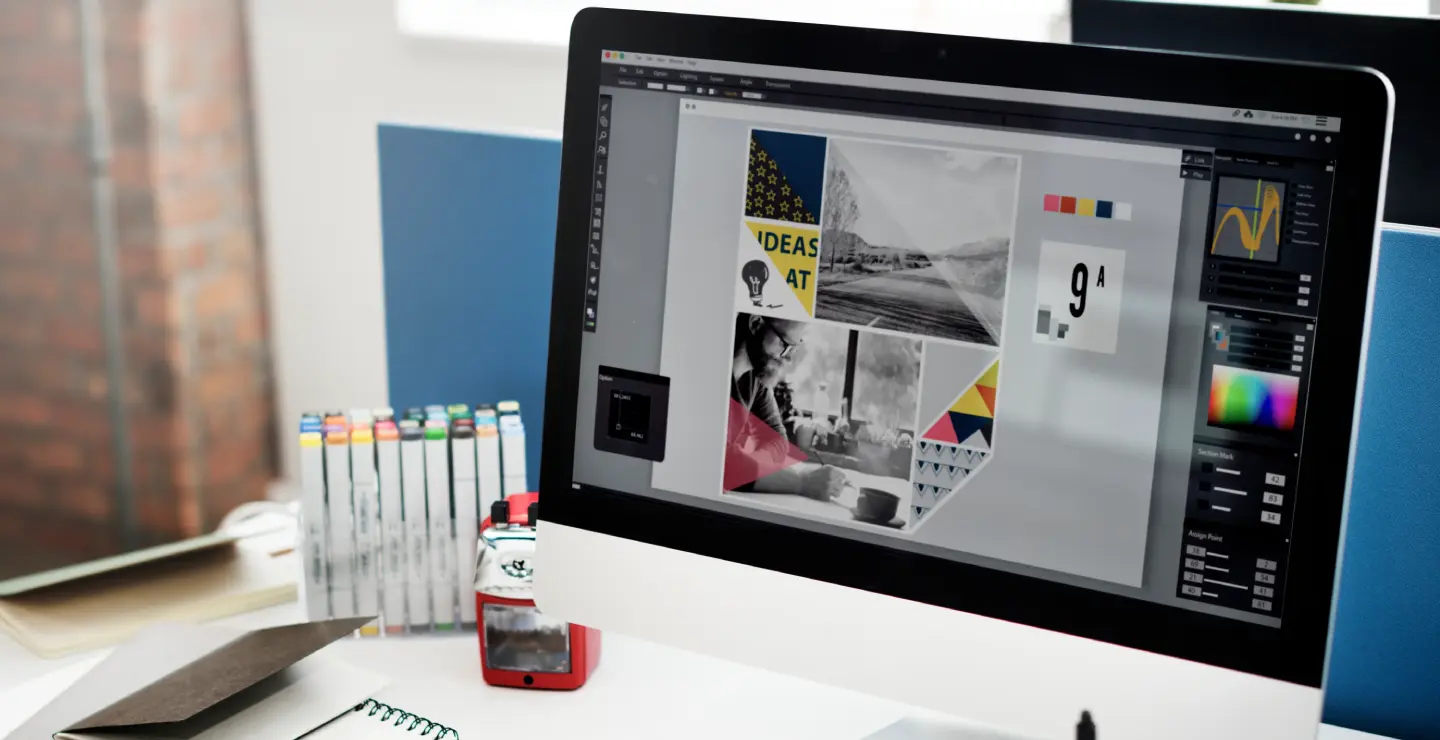
Fashion Courses Interior Design Courses Jewellery Design Courses UI/UI Courses Visual Arts Courses Other Courses OTHER COURSES Contact us Bengaluru Campus 1 : JD School of Design, No. 18-1, Brigade Road, Bengaluru,Karnataka – 560 001. Campus 2 : No. 40, Swan House, 4th Cross, Residency Road, Bengaluru, Karnataka – 560001. +91 9901 999 903 +91 9901 999 904 +91 9480 323 232 jdfashion@jdindia.com Goa Musthtifund Saunstha , Near Mahalaxmi Temple,Dada Vaidya Road, Goa-403001 +91 9606 096 060 +91 9606 048 888 jdfashion@jdindia.com Introduction Graphic design is one of the most exciting professions, which represents the interconnection of art, inventions, information technologies, and appeals to people’s emotions through the pictures. Whether you are in need of logo design services or motion graphics or any type of digital design services here is a guide to introduce the basics of logo creation especially for a school student. What is Graphic Design? Graphic design is an art of creating images, charts, texts and any other content that can be visually transmitted. Through visual hierarchy and page organization, the designers are able to satisfy the user needs and specifically focus on typography and pictures in more interactive designs as to the rationale and approaches of their position and arrangement on the screen. Essential Tools and Software for Beginners To the beginner, it is not necessary to start by purchasing this expensive software for the learning process. Canva: It is quite an outstanding and rather simple utility that meets all the needs of a practitioner in designing social media banners, posters or presentations. GIMP: A domain-specific, non vector based image editing tool that is actually released free of cost and is used for image manipulation. Inkscape: Quite suitable for vector graphic editing, it is as good as Adobe Illustrator software with no charge. Krita: Most suitable for computer art with focus on painting and animation specially. Basic Principles of Graphic Design Before making any projects, it’s important to understand few basic principles of graphic design: Alignment: Making sure items are positioned to avoid what possibly can look untidy or cluttered. Contrast: With the variations of color, shape and size to focus some areas more than others and to make the overall look more diverse. Hierarchy: Arranging data, ideas or information so that the elements which are significant enough to draw the required attention are located at the first place. Balance: After an element has been cut out, the shapes are distributed in a balanced manner to form a balanced pattern. Starting Your First Project Try on small assignments such as designing a poster for a school event or making a post on a social media profile. Here are some steps to guide you: Brainstorm Ideas: The pair of them wanted to consider what kind of message they should convey, and how they can make it more visually appealing. Sketch Your Design: When you have decided on the ideas that you want to depict or represent, then it is important to jot them down on paper or any device that you are using.. Choose Your Tools: Software selection should be done in relation to the project being undertaken. Create Your Design: Begin laying down your material in this manner and with this format based on lessons learned in Graphic Design Services. Get Feedback: Make your work accessible to friends, family or teachers who will help you to edit your work constructively. Exploring Different Fields in Graphic Design As you enhance your skills, you’ll find diverse fields within graphic design that might interest you: Logo Design: Developing distinct emblem images that reflect brand names. Usually for people who want to become a freelance graphic designer, logo design services could be a good starting point. Motion Graphics: It is a design technique that interlinks the concepts of graphic designing with animated aestheticized videos and web products. This field may entail computer skills in programs like After Effects and may enable one to become a Motion Graphics Designer. Digital Design: Ranging from website design, icons used in different services, to app icons. What I like about this field is that it is very broad, meaning that there are lots of opportunities once you are in it. Resources for Learning and Inspiration Nowadays there are so many tutorials between students and teachers that help to learn graphic design for beginners. Here are a few recommendations: YouTube Tutorials: There are numerous courses available but I would recommend the channels like The Futur, Satori Graphics, Yes I’m a Designer, and many more. Online Courses: Some known platforms that have graphic design courses include Coursera, Udemy, Skillshare among others. Design Blogs and Communities: Websites such as Behance, dribble and Awwwards offer feedback and information and enable designers to meet other designers. Building a Portfolio During the execution of subsequent projects, begin establishing a portfolio. It should be a portfolio of your best work that you can bring along when you are meeting your clients or colleges. Always the professional’s best practice to list as many projects for them to demonstrate the breadth of their expertise in graphic designing. Considering Freelance Work If you think that you’re well-equipped with skills and knowledge on how to create good graphic designs then freelancing is best for you. First, begin practicing by designing logos or symbolic images for friends and relatives, or in local companies. This can offer the necessary experience as well as the client base needed not only for giving out freelance work but also for gaining more experience. Conclusion Graphic design is one of the most fulfilling careers that one could ever dream of pursuing due to its versatility and the continual sessions of creating and designing. If applied properly, one can begin with the basics and distill into different subjects, areas such as logo design services and motion graphics, then learn and practice, one has the potential of developing a stunning piece of art. Lastly, it is crucial to know and always bear in mind that every famous designer in the world started
From Concept to Creation Unlocking the Secrets of Stunning Graphic Design

From Concept to Creation: Unlocking the Secrets of Stunning Graphic Design

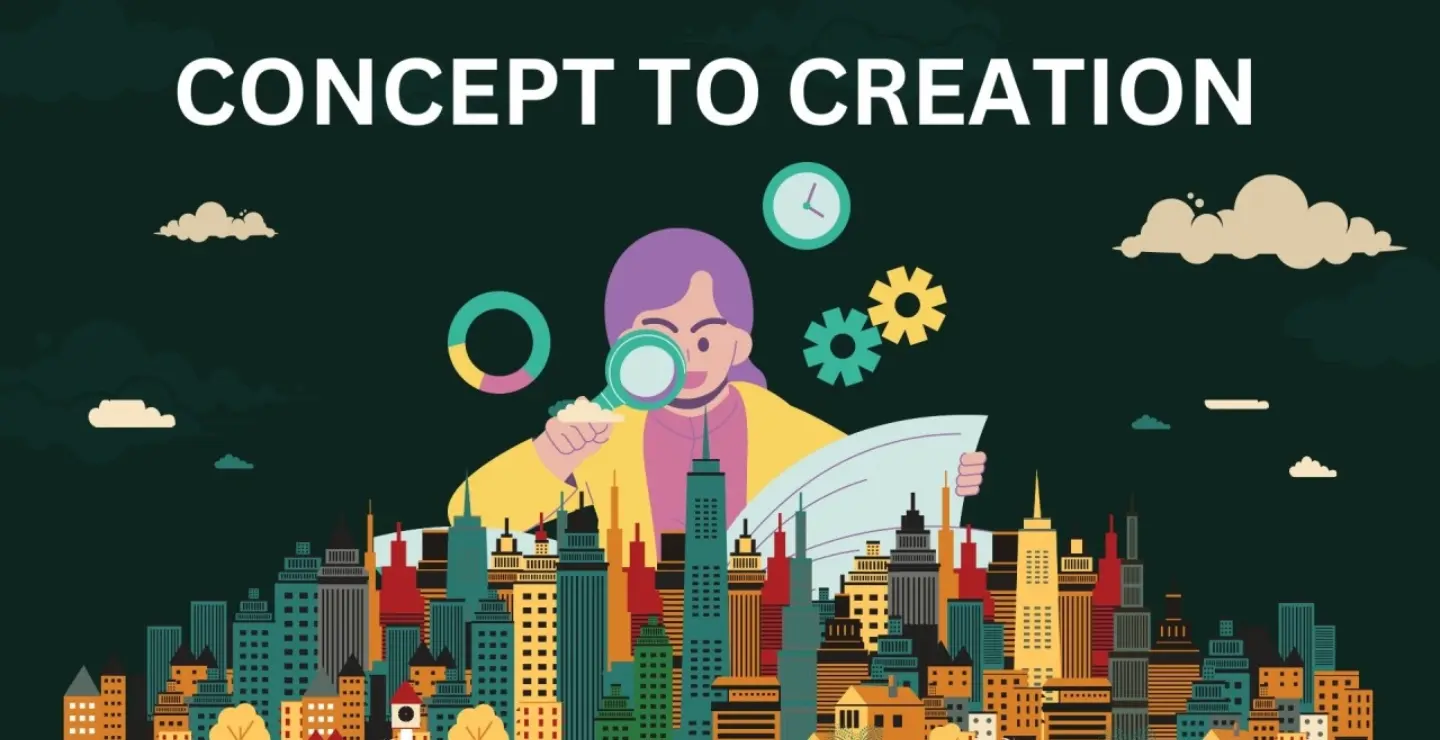
Fashion Courses Interior Design Courses Jewellery Design Courses UI/UI Courses Visual Arts Courses Other Courses OTHER COURSES Contact us Bengaluru Campus 1 : JD School of Design, No. 18-1, Brigade Road, Bengaluru,Karnataka – 560 001. Campus 2 : No. 40, Swan House, 4th Cross, Residency Road, Bengaluru, Karnataka – 560001. +91 9901 999 903 +91 9901 999 904 +91 9480 323 232 jdfashion@jdindia.com Goa Musthtifund Saunstha , Near Mahalaxmi Temple,Dada Vaidya Road, Goa-403001 +91 9606 096 060 +91 9606 048 888 jdfashion@jdindia.com Graphic design is not just a career choice but an art that involves creativity and technology skills. The Graphic Designer translates concepts into workable solutions that are artistic and appealing or pretty graphic representations. To aspiring, fresh visual designers or even seasoned graphic designers, it is crucial to understand graphic design’s oddities as it can considerably improve your work. In this intensive tutorial, we will look at what graphic design encompasses, some of the basic concepts of graphic designing, the necessity of having a good website that hosts your graphic design services, designing a logo that will represent your graphics designing agency, the trend called motion graphics and many other aspects that define this field. Let me reveal everything you need to know about creating memorable graphic designs. The Foundations of Graphic Design Understanding Graphic Design Concepts Starting with the basic concepts is crucial for mastering graphic design. Examples of the principles include balance, contrast, hierarchy, alignment, and space. If we consider all of those ideas, each has its own significance in achieving a properly balanced and successful design. Balance: Proportionality or balance relates to the positioning of objects when placed in a particular layout. Balance is primarily symmetrical, which provides overall simplicity, while asymmetrical balance makes it more interesting and dynamic in appearance. Contrast: Relative to repetition, contrast is the arrangement of opposite objects or at least objects that can be easily compared and that may be placed alongside one another in a design to achieve extra ornamentation. Color, proportion, symmetry, and tone can achieve it. Hierarchy: ‘Hierarchy’ can specify which parts should be read or seen first by size, color, and position. Alignment: When done correctly, the items are well-ordered, making the product’s layout appealing. Space: White space, also known as space, is a region where no elements are placed or found. Organizations that properly utilize space can improve legibility while highlighting essential aspects of the instrument. I am now equipped with a good understanding of the most essential concepts in graphic design, which forms a solid foundation for creating fantastic graphic design. Mastering these graphic design concepts lays the groundwork for creating stunning graphic design. The Role of a Graphic Design Website In the digital age, it simply requires a good graphic design website that proves resourceful in pulling in potential clients. First of all, your website works as your portfolio, second—as the instrument for making sales or presenting your products, and last—as a way of building up your brand. Key Elements of a Graphic Design Website Portfolio: Your portfolio stands in the center of your site and aims to reflect the quality of your work. It should display your abilities and a variety of interests or projects on which you have worked. Suggestions for better direction include using Type work, including illustrations designs for 3D graphics, and motion graphics. About Page: This is where you begin by providing a brief background about yourself and why you chose to be a graphic designer. Describe yourself, your past, other jobs or experiences, ambitions, and anything else you want. Contact Information: This creates a simple way for potential clients to reach you. A phone number or daily availability is preferred, along with a contact form, an email address, and social media icons. Blog: A blog might act as a mechanism where the blogger demonstrates his/her knowledge and where visitors may obtain specific value from visiting it: post advice and tips relating to graphic design principles, how-to tips, and news about the field. Responsive Design: Make sure the website is portable, meaning it can be accessed through laptop computers, tablets, and mobile phones. A responsive design improves the quality of users’ time on the site and optimizes it for search engines. An organized website today, particularly one involved in offering graphic design services, will draw in customers and create the illusion of your proficiency in the field. The Art of Graphic Design Logos A graphic design logo is, therefore, a graphic image of a brand, whether big or small, new or existing. Logos define how initial communication between a brand and the targeted customers is made since the aim is to capture customers’ attention quickly. Principles of Effective Logo Design Simplicity: Easy elongation is an attribute of simplicity because its image can be applied to various media messages. It should be efficient in different sizes and could be implemented in other environment settings. Relevance: Therefore, the logo design must conform to the brand’s values, operation niche, and consumer base. Memorability: The logo should be memorable, a crucial characteristic of an effective sign. This can be possible through consideration of uniqueness and creativity in logo design. Timelessness: Try to get the best design that will still be useful in the long term and not some flashy, current thing that will be forgotten in a year. Versatility: The Business Logo must also be appealing in small and large sizes for use on a business card, personal website, and billboard, respectively. The process of developing a logo while illustrating involves more than just the pure graphic design of a logo. It involves understanding the brand and its essence and coming up with a simple yet powerful symbol that represents the brand. Exploring Motion Graphics Motion graphics are a form of graphic design in which graphic images move in some or some other fashion. These are particularly common in advertising, films, television, and online media to capture people’s attention and convey thoughts and ideas effortlessly. Applications of Motion Graphics Advertising: Motion

The Timeless Allure of Gold Jewellery Design Trends, techniques and tradition

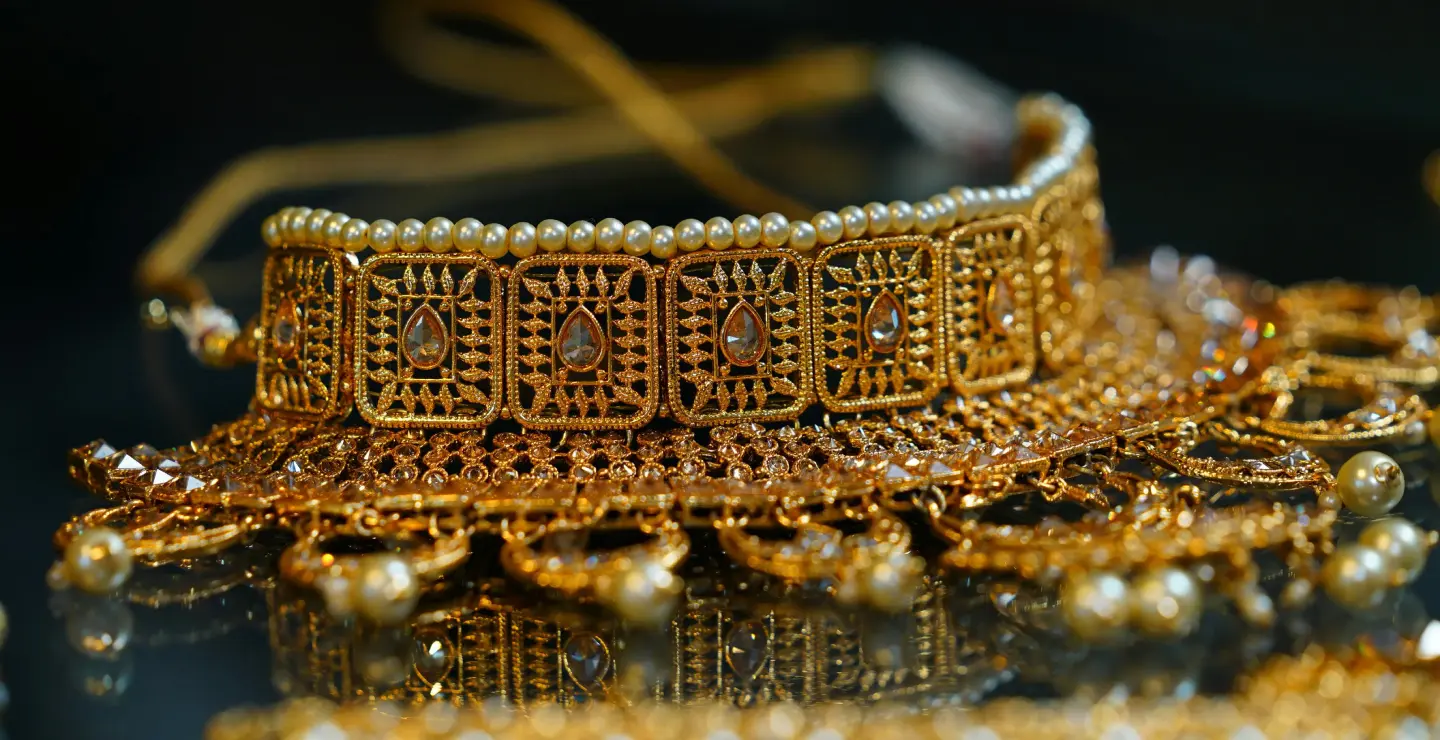
The Timeless Allure of Gold Jewellery Design: Trends, techniques and tradition

Fashion Courses Interior Design Courses Jewellery Design Courses UI/UI Courses Visual Arts Courses Other Courses OTHER COURSES Contact us Bengaluru Campus 1 : JD School of Design, No. 18-1, Brigade Road, Bengaluru,Karnataka – 560 001. Campus 2 : No. 40, Swan House, 4th Cross, Residency Road, Bengaluru, Karnataka – 560001. +91 9901 999 903 +91 9901 999 904 +91 9480 323 232 jdfashion@jdindia.com Goa Musthtifund Saunstha , Near Mahalaxmi Temple,Dada Vaidya Road, Goa-403001 +91 9606 096 060 +91 9606 048 888 jdfashion@jdindia.com Introduction Gold ornaments are one of the most enchanting creations in history that have been intriguing our souls and our bodies for ages. It is universally preferred as it has enduring charm which is valued as a possession universally among different cultures or different generations. One of the topics that will be covered in this article is what is currently popular in the design of gold jewellery, what new materials are introduced and how the traditions of creating gold jewellery design affect its new forms. From the thin gold chain design that is considered modern to the ornate work of art in traditional designs, gold jewellery is dynamic but timeless nonetheless. Trends Associated With Gold Jewellery Design Today Minimalist Gold Bangles Design Jewellery with features of the minimalism style has become one of the leading trends of the world of today. Gold bangles design has not left out this trend with the modern, clean shaven and lean looks that many design portray. Described as thin and plain, these bangles are ideal for everyday wear and ensure that nothing on the wrist appears too bulky. Contemporary Gold Necklace Design Latest models of gold necklaces are more fashionable, they are created with using modern technology and with the usage of ornaments and patterns that are engraved in Old World traditions. These gold necklace design pieces exhibit concepts such as organization and productivity, understanding of space, equilibrium, and balance due to unique cut and angle of designs which is why celebrities and other innovative personalities prefer these. Personalized Gold Mangalsutra Design The gold mangalsutra design has evolved over the last few years. The current brides are choosing unique and elegant gowns, which are exclusive to them and do not necessarily ambition for opulence. These designs establish link with the Mangalsutras tradition but then they have included features which signifies today’s world. Wedding Gold Necklace Design In matters concerning weddings, for instance, gold jeweleries are never far from being embraced. In the latest wedding gold necklace design, traditional features have been merged with modern ones. Today, brides look for elegant patterns and distinct storytelling elements that represent the spirit of the bride and her culture. Modern and fresh perspectives to the concept of Gold Jewellery Making New Product Development for 3D Printing of Gold Locket We are living in a world that has been revolutionized by the new age technology such as 3D printing technology in the jewelry industry. This innovation has positively impacted the Gold locket design where art enthusiasts can design the lockets with detail precision than if working on it by hand. Laser Cutting and Engraving in Gold Bracelet Designs for Women Traditional techniques such as laser cutting, engraving and others are preferred in the process of gold bracelet designs for women. These techniques enable highly elaborate and delicate patterns and also engravings of the identity of the owner, which is quite a selling point. Process of electroforming in the new and modern design of gold bangles Electroforming is a form of light-weight, shell-structured gold work, which is manufactured by depositing gold on to a thin layer of nickel. This technique is very commonly used in the gold bangles latest design adorned with bolder and more statement jewellery pieces that could easily be toned down without the ease being lost. Techniques used in earrings for women Gold designs The earrings for women gold designs have adopted a fine blend of the modern touch with the conventional, made and crafted work, to come up with aesthetic and artistic earrings. The convergence techniques adopted by these designers give the clothing pieces both timeless and trendy qualities. Complex heritage in Gold Ornaments Gold Long Necklace Design Cultural Relevance Gold and its products have been admired in many cultures as a token of civilization and prosperity. Some gold long necklace design may be marked by this cultural connotation, as it shows additional patterns, entailing the motifs traditional to the jewelry. Techniques Used in the Design of Historical Bangles for Gold Some of the historical forms of art include filigree and granulation techniques which have been displayed for the future generations to emulate. These techniques are still in use in the gold bangles design today, rendering the bangles a hint of tradition and tradition. Symbolism in Gold Mangalsutra Design The gold mangalsutra design has significant worth in many cultures The mangalsutra style of gold is another crucial aspect of mangalsutra. In the past, it symbolizes the relationship between a couple, particularly in marriage, and most of the time it is built-in with certain features that embody wishes of prosperity and guarding. Prized Elements in the Wedding Gold Necklace Idea Heritage is celebrated in jewellery especially when they have been handed from one generation to another. Frequently, the wedding gold necklace design includes motives from the older pieces; thus, the necklace has a story and meaning. Modern Gold Necklace Designs Modern Gold necklace design are an open application of the artist’s imagination and have incorporated conventional motifs with appearances to the new trends. The creative process of fashioning a necklace is being pushed in new directions by designers to create asymmetrical, mixed-media, and even irregularly shaped necklaces. Gold Locket Design Gold lockets are among the most esteemed pieces of jewellery, findings which have been favoured as personal tokens and sentimental pieces. Therefore, the gold locket design has revived especially the unique and elegant motifs along with modern trends of original models. There are many types of locket designs: elegant, totally unadorned and fresh-looking ones

Event Management A Comprehensive Guide for Students to Kickstart Their Career - Thumbnail

Event Management: A Comprehensive Guide for Students to Kickstart Their Career

Fashion Courses Interior Design Courses Jewellery Design Courses UI/UI Courses Visual Arts Courses Other Courses OTHER COURSES Contact us Bengaluru Campus 1 : JD School of Design, No. 18-1, Brigade Road, Bengaluru,Karnataka – 560 001. Campus 2 : No. 40, Swan House, 4th Cross, Residency Road, Bengaluru, Karnataka – 560001. +91 9901 999 903 +91 9901 999 904 +91 9480 323 232 jdfashion@jdindia.com Goa Musthtifund Saunstha , Near Mahalaxmi Temple,Dada Vaidya Road, Goa-403001 +91 9606 096 060 +91 9606 048 888 jdfashion@jdindia.com Event Management: A Comprehensive Guide for Students to Kickstart Their Career Event management for students is considered an aspiring field of study that provides various skills and experience and is a good start for their professional activity. In this perfect helping tutorial, let us understand what event management is all about as a subject, why students should go for it as a career option, the skills needed to survive the ship, education requirements, and more. No matter. Suppose you are the team in charge of planning your school’s annual festival or a person who has volunteered to organize a community charity event. In that case, the tips above will give you a preliminary guideline to start your event management career. Introduction Event management is a procedure of coordinating different activities, from conferences and committee meetings to business celebrations, non-business celebrations, and festivals. This field involves designing, which includes both creative ideas and how to implement these ideas, and this is done through proper interpersonal relationships with other personnel. When dealing with events, event managers are responsible for the successful planning and implementation, fulfilling the goals, and providing exciting experiences to the participants. Why Students Should Consider a Career in Event Management Skills Development: Event management not only hones crucial competencies like expectation management, numerical proficiency, leadership, problem-solving, communication, and time management, but also equips students with transferable skills. These skills are highly sought after in various fields and organizations, making event management a practical and versatile career choice. Opportunities for Creativity and Leadership: Students can also think outside the box when choosing themes, picking venues, and even organizing events. Further, planning an event to accomplish something strengthens leadership and decision-making traits. Career Prospects: The demand for professional event managers is not just a trend; it’s a growing need. Whether you aspire to plan special events for large-scale businesses, help couples organize their dream wedding planner, or create unforgettable festivals, the opportunities are vast. The field of event management offers job security and growth potential, making it a promising career choice. Essential Skills for Aspiring Event Managers Organizational and Planning Skills: It is crucial to note that event management entails a high degree of planning and can only be successful if it’s well coordinated. These skills also include mapping abilities, while scheduling skills take care of every aspect, such as structuring timelines. Communication and Interpersonal Skills: That set also requires efficient communication with the team’s clients, vendors, and personnel. Area of expertise: interpersonal skills play an essential role in developing good relationships so that interaction can be easily maintained. Problem-Solving and Adaptability: Like other activities and occasions, events sacrifice some of their planned schedules to appeal to their audiences. This could be so because the capacity to reason and act according to the circumstances is invaluable in the event’s context, where contemporaneous challenges are to be tackled. Budgeting and Financial Management: Feeding is most often accompanied by questions about financial management, the selection of the contractor, and budgeting. Marketing expertise ensures that the events are cheap to host and the profits are earned. Educational Pathways and Certifications Degree Programs and Courses: Many colleges offer courses in event management or related topics, such as hospitality management. These programs teach basic concepts and skills concerning systems architecture and implementation. Internships and Hands-On Experience: Getting practical experience by pasting event management internships or volunteering at events is beneficial. Practical experience enables the students to appreciate the practicalities of event planning and create links. Certifications: This profession has professional associations, which offer event management certifications like CMP (Certified Meeting Professional) or CSEP (Certified Special Events Professional). Certification can help you look even more attractive to employers when applying for jobs. Gaining Practical Experience Volunteering at School and Community Events: Attending and being involved in school, charity, or fairs and festivals provides practical experience and adds to one’s portfolio. Joining Event Management Clubs and Organizations: In most special schools and colleges, there are groups set aside for event planning. According to the information given, joining these groups offers chances to convene occasions and learn from counterparts. Networking with Industry Professionals: Unlike most classrooms, industrial events such as conferences, workshops, and networking events provide an opportunity to interact with experienced personnel, learn, and possibly get job openings. Building a Strong Portfolio Documenting Your Experience and Projects: It is advisable to maintain records of your involvement in events with details on what was done. This will involve role, responsibility, and results. Keeping records in an event management portfolio helps in getting recognition of skills and accomplishments performed. Showcasing Your Skills and Achievements: Your skills and achievements are the pillars of your professional growth. For instance, it may be possible to highlight specific events you have had the opportunity to plan for and the roles you played in making the event as successful as it was. Quoted images, videos, and testimonials to add more value to the portfolio, and to make you feel proud and accomplished. Tips for Creating an Impressive Portfolio: Ensure all the information presented in the portfolio is well-arranged to mimic a layout. However, it is essential to include a wide range of events to prove that you can handle them creatively. Trends in Event Management The Rise of Virtual and Hybrid Events: Your adaptability to modern trends in event management is a testament to your professional relevance. As we move towards a knowledge-based society, live and online-seeming events have become more common. As such, knowing how to coordinate such occasions in the

Exploring Career Opportunities in Fashion Merchandising

Exploring Career Opportunities in Fashion Merchandising 2024

Fashion Courses Interior Design Courses Jewellery Design Courses UI/UI Courses Visual Arts Courses Other Courses OTHER COURSES Contact us Bengaluru Campus 1 : JD School of Design, No. 18-1, Brigade Road, Bengaluru,Karnataka – 560 001. Campus 2 : No. 40, Swan House, 4th Cross, Residency Road, Bengaluru, Karnataka – 560001. +91 9901 999 903 +91 9901 999 904 +91 9480 323 232 jdfashion@jdindia.com Goa Musthtifund Saunstha , Near Mahalaxmi Temple,Dada Vaidya Road, Goa-403001 +91 9606 096 060 +91 9606 048 888 jdfashion@jdindia.com The world of fashion is always changing and evolving, which means there are many ways you can find a career in this industry. Fashion merchandising is one such career path that holds great promise. It combines the creative side of fashion with the business acumen needed to make sales. If you love fashion and have a strong business sense, perhaps you should consider working in this area. In this blog post, we will look at different opportunities for a career  in fashion merchandising along with some skills required as well as how to get started in this exciting field. What is Fashion Merchandising? Fashion merchandising encompasses the strategic planning, purchasing, and selling of clothes or accessories. It involves knowing customers’ behavior patterns, predicting trends, and ensuring that the right products reach consumers at the best time possible. Retail industry cannot do without fashion merchandisers who serve as intermediaries between end-users and designers. Major Responsibilities of a Fashion Merchandiser Trend Analysis and Forecasting: Being ahead of the curve when it comes to style matters most. They scrutinize market trends, attend fashion shows, monitor social media activities among others to anticipate what will be hotcakes. Product Development: Working with designers on new items that meet consumer needs. Inventory Management: Ensuring stores have right quantities of stock; no overstocking or under stocking. Marketing and Promotion: Collaborating with marketers on product promotion including creating eye-catching displays. Sales Analysis: Understanding what sells best by monitoring sales data then modifying tactics accordingly. Fashion Merchandising Careers 1.Retail Buyer A retail buyer selects merchandise to be sold in stores. Dealers also come into close contact with suppliers so as to find the best products. Retail buyers must have good negotiation skills and an astute eye for trends. 2. Visual Merchandiser Visual merchandisers are in charge of how shops appear. They create displays for shop windows, arrange store layouts and ensure that the store is visually appealing to customers. This position requires creativity and attention to detail. 3. Merchandise Planner Merchandise planners examine sales data to forecast future sales which are used in determining stock levels. Products should be available when needed without overstocking. Strong analytical skills and knowledge of inventory management are essential. 4. Product Developer Product developers work hand in hand with designers and manufacturers to introduce new fashion items into the market. They oversee production ensuring product quality is adhered to as well as prompt deliveries. 5. Fashion Marketing Manager Fashion marketing managers come up with strategies for advertising fashion brands. They do advertising campaigns, social media marketing, public relations. Good communication skills and innovative thinking are key attributes here. Where to Start a Career in Fashion merchandising? 1. Education A Fashion Merchandising degree  or any related course can form your base. Universities offer specialized courses on Fashion merchandising among others. 2. Gain Experience Internships as well as entry-level positions in retailing, buying or marketing can equip one with hands-on experience. Seek opportunities at such established stores or clothing lines. 3. Develop Key Skills Fashion merchandisers should be able to balance between creativity and analysis. Business, marketing and trend analysis courses can be helpful. Knowing the latest fashion trends is equally important. 4. Network Making the networks in fashion will lead to career openings. Attend industry events, join professional organizations and connect with professionals on platforms such as LinkedIn. Skills Required for Fashion Merchandising – Creativity: To create attractive products and visual displays. – Analytical Skills: To analyse sales data and forecast trends. – Communication Skills: To bargain with suppliers and cooperate with marketing teams. – Attention to Detail: To confirm that products meet quality standards. – Business Acumen: Knowledge of Retail and Consumer Behavior. Fashion merchandising is an exciting profession that combines creative thinking and business strategy. Proper education, experience, and skills make one successful Career in Fashion merchandising thus contributing to the ever-changing world of fashion. Whether you are interested in the artistic side of visual merchandising or you find yourself more likely to become engaged in a strategic sphere related to buying & planning there is a great number of opportunities for exploration within the fashion merchandising direction. FAQs Q1. What is the role of a fashion merchandiser? A fashion merchandiser examines market trends, creates new products, manages inventory, and advertises the fashionable items so that they can satisfy buyers’ needs. Q2. What are skills needed for a career in fashion merchandising? The major competencies required include creativity, analytical abilities, communication skills, attentiveness to details as well as business acumen. Q3. How can I become a fashion merchandiser? Start specializing from your school time; gain some practical experience through internships or part-time jobs while studying; get more knowledge necessary for this sphere by gathering experience and practically start trying new things each day while studying on your Fashion major. Do not forget about developing key relationships within this sector so that you could be following your friends who have already been employed during their studies period → build a professional network in the fashion industry. Q4. Does one need a degree to work as a fashion merchandiser? Even though higher education gives a solid base, hands-on experience and interaction with professionals from the field remain of great importance too. Q5. What kind of jobs are there in fashion merchandising? Among them are such positions as retail buyer, visual merchandiser, merchandise planner, product developer and fashion marketing manager.

UIUX Design Trends Shaping Digital Interaction

UI/UX Design Trends: Shaping Digital Interaction 2024

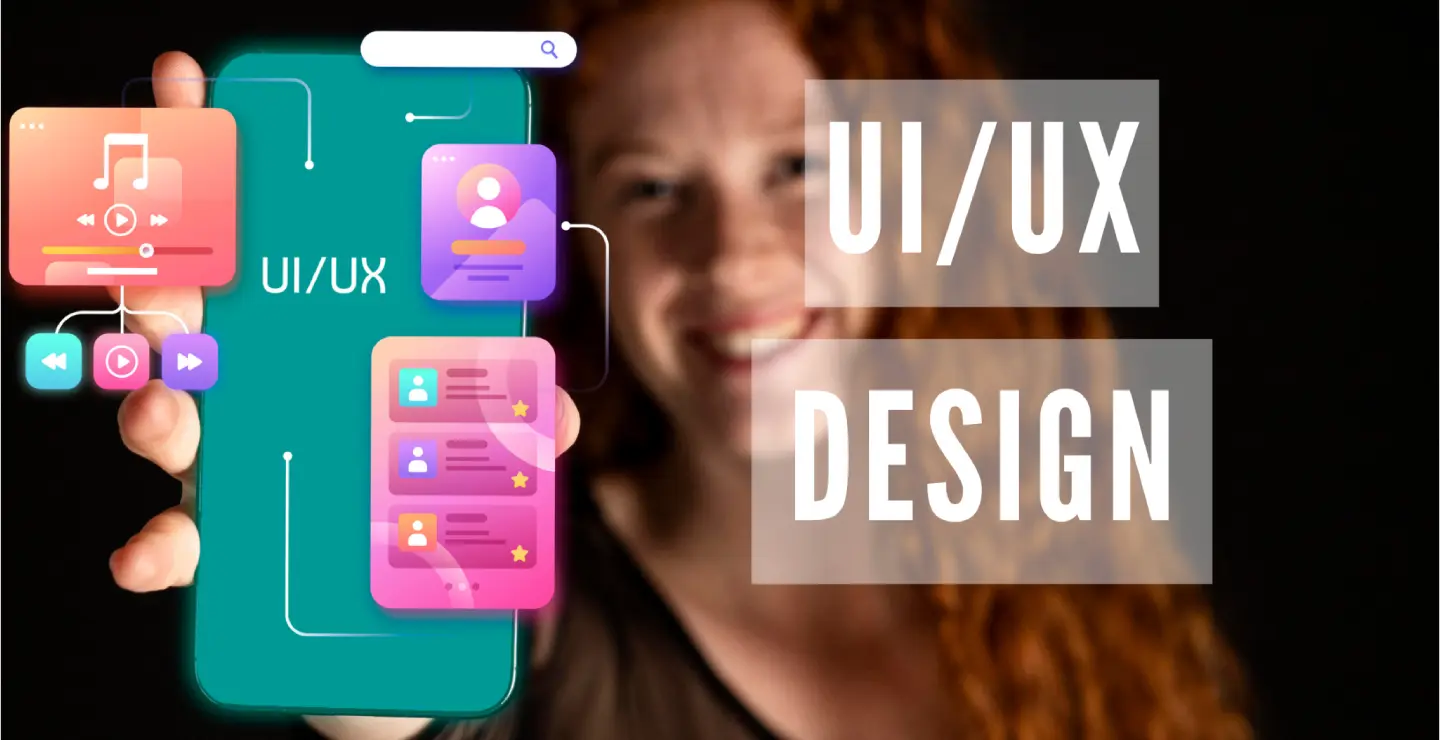
Fashion Courses Interior Design Courses Jewellery Design Courses UI/UI Courses Visual Arts Courses Other Courses OTHER COURSES Contact us Bengaluru Campus 1 : JD School of Design, No. 18-1, Brigade Road, Bengaluru,Karnataka – 560 001. Campus 2 : No. 40, Swan House, 4th Cross, Residency Road, Bengaluru, Karnataka – 560001. +91 9901 999 903 +91 9901 999 904 +91 9480 323 232 jdfashion@jdindia.com Goa Musthtifund Saunstha , Near Mahalaxmi Temple,Dada Vaidya Road, Goa-403001 +91 9606 096 060 +91 9606 048 888 jdfashion@jdindia.com In today’s digital age, where every swipe, click, and tap counts, the user interface (UI) and user experience (UX) have become pivotal aspects of any digital product or service. From the early days of basic web interfaces to the immersive experiences of virtual reality, the journey of UI/UX design has been nothing short of fascinating. Let’s embark on a journey through time, exploring the evolution of UI/UX design and the trends shaping the future of digital interaction in India. Understanding the Basics: UI vs. UX Before we delve into the evolution and trends, let’s clarify the distinction between UI and UX. User Interface (UI) focuses on the look and feel of a digital product, including elements like buttons, icons, and layout. On the other hand, User Experience (UX) encompasses the overall experience of the user while interacting with the product, considering factors like usability, accessibility, and delight. The Early Days: Functional Design In the nascent stage of the internet era in India, UI/UX design was primarily functional. Websites boasted simple layouts, limited graphics, and minimal interactivity. Dial-up connections meant slow loading times, and user expectations were modest. However, as technology advanced and internet penetration grew, so did the demand for more engaging digital experiences. The Rise of Responsive Design With the proliferation of smartphones and tablets, the focus shifted towards responsive design. They revolutionised the way we interact with digital content, giving rise to mobile-first design principles. Mobile devices became the primary gateway to the internet for millions, necessitating designs that were responsive, intuitive, and optimised for smaller screens. Websites and applications had to adapt seamlessly to various screen sizes and resolutions. This led to the emergence of fluid layouts, scalable graphics, and touch-friendly interfaces, swipeable interfaces, and app-centric experiences, setting new standards for usability and accessibilityenhancing the user experience across devices. Design Thinking and Human-Centred Design As technology continued to advance, so did the emphasis on human-centred design principles. Design thinking, with its focus on empathy, iteration, and collaboration, emerged as a powerful framework for solving complex problems and designing user-centric solutions. By putting the needs and preferences of users at the forefront of the design process, designers could create experiences that resonated deeply with their audience. Enter the Era of Flat Design     The mid-2000s witnessed a significant shift towards flat design, characterized by clean aesthetics, minimalist elements, and bold colours. Inspired by principles of simplicity and clarity, flat design revolutionised UI by eliminating unnecessary embellishments and focusing on functionality. Brands like Google and Apple embraced this trend, setting new standards for intuitive user interfaces. The Era of Personalization and Interactivity As technology continued to evolve, so did user expectations. Today, users crave personalised experiences tailored to their preferences and behaviours. AI-powered recommendation engines, dynamic content, and interactive interfaces have become commonplace, providing users with relevant and engaging interactions. Emerging Trends: Voice and Gesture Interfaces With the rise of smart assistants like Alexa and Siri, voice interfaces have gained momentum, enabling users to interact with devices using natural language commands. Similarly, gesture interfaces, popularised by devices like the Kinect and Leap Motion, offer hands-free interaction, making interactions more intuitive and immersive.   Accessibility and Inclusivity Inclusivity has become a core principle of modern UI/UX design , ensuring that digital experiences are accessible to users of all abilities. From designing with screen readers in mind to incorporating features like alternative text and keyboard navigation, accessibility considerations are integral to creating inclusive designs that cater to diverse user needs. The Future: Beyond Screens As we gaze into the future, the boundaries of UI/UX design continue to blur. Augmented reality (AR), virtual reality (VR), and mixed reality (MR) are redefining how we interact with digital content, offering immersive experiences that transcend traditional screens. From AR-powered shopping experiences to VR-based training simulations, the possibilities are endless.   As we navigate the ever-evolving landscape of UI/UX design in India, one thing remains certain – the future promises exciting possibilities for digital interaction. By embracing emerging trends, prioritising user needs, and fostering inclusivity, designers can create meaningful experiences that resonate with users across diverse contexts and devices. Let’s embark on this journey together, shaping the future of interaction one design at a time. FAQs 1. What is the role of UI/UX design in digital products? UI/UX design plays a crucial role in shaping the overall user experience of digital products by focusing on usability, accessibility, and aesthetics. 2. How has UI/UX design evolved over time? UI/UX design has evolved from basic functional layouts to immersive, interactive experiences, driven by advancements in technology and changing user expectations. 3. What are some emerging trends in UI/UX design? Emerging trends in UI/UX design include voice and gesture interfaces, personalised experiences, and the integration of augmented reality (AR) and virtual reality (VR). 4. Why is accessibility important in UI/UX design? Accessibility ensures that digital products are usable by people of all abilities, enhancing inclusivity and providing a better user experience for everyone. 5. How can businesses stay ahead in the UI/UX game? Businesses can stay ahead by staying updated on the latest design trends, conducting user research, and prioritising accessibility and inclusivity in their designs.

Sketch to Statement Piece The Journey of Jewellery Design

Sketch to Statement Piece: The Journey of Jewellery Design 2024

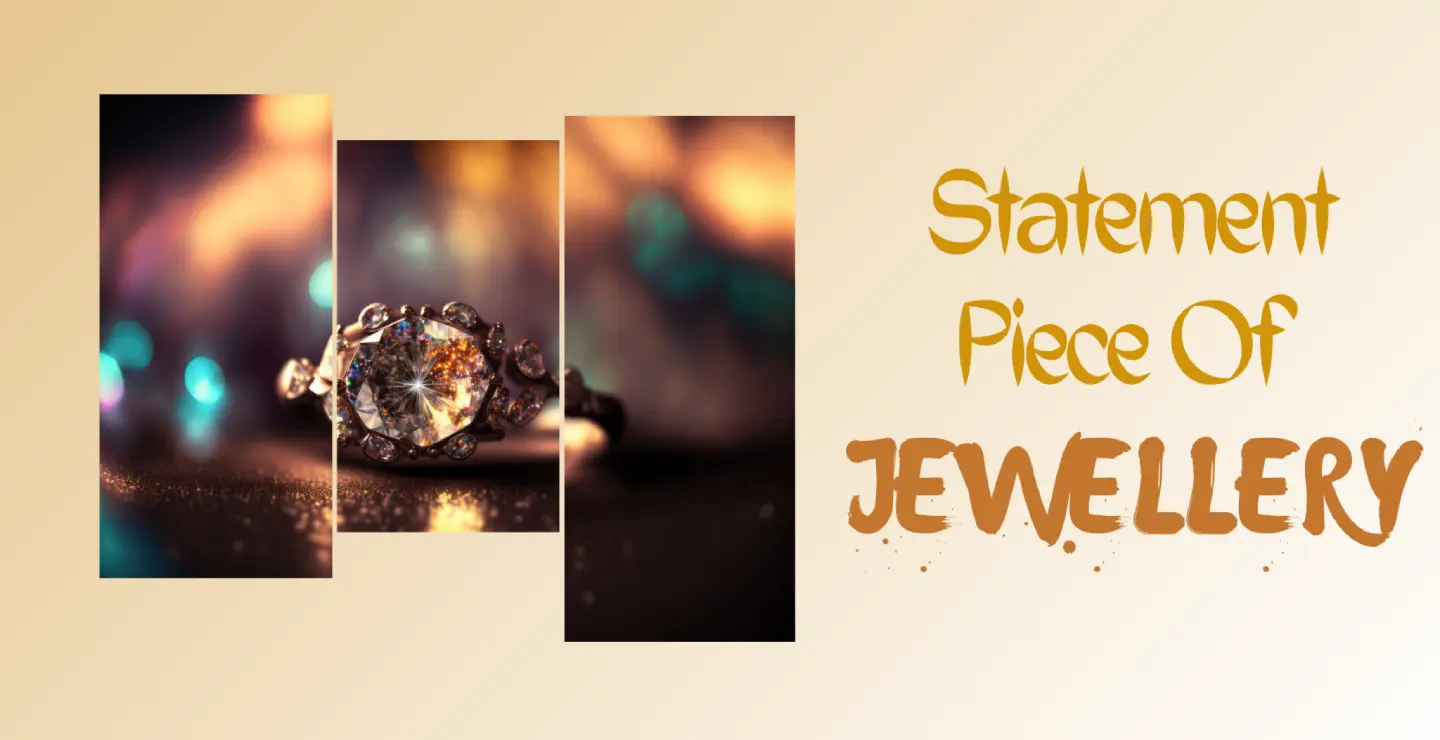
Fashion Courses Interior Design Courses Jewellery Design Courses UI/UI Courses Visual Arts Courses Other Courses OTHER COURSES Contact us Bengaluru Campus 1 : JD School of Design, No. 18-1, Brigade Road, Bengaluru,Karnataka – 560 001. Campus 2 : No. 40, Swan House, 4th Cross, Residency Road, Bengaluru, Karnataka – 560001. +91 9901 999 903 +91 9901 999 904 +91 9480 323 232 jdfashion@jdindia.com Goa Musthtifund Saunstha , Near Mahalaxmi Temple,Dada Vaidya Road, Goa-403001 +91 9606 096 060 +91 9606 048 888 jdfashion@jdindia.com In the world of fashion and adornment, jewellery stands out as a timeless form of self-expression. Each piece tells a story, reflecting the wearer’s style, personality, and cultural heritage. But have you ever wondered about the intricate journey that transforms a simple sketch into a stunning statement piece of jewellery ? Let’s embark on a journey of Jewellery design.   The Genesis of Inspiration Every masterpiece begins with a spark of inspiration. For jewellery designers, this inspiration can stem from various sources – nature’s breathtaking beauty, architectural marvels, cultural traditions, or even personal experiences. A walk through the bustling streets of India, with its vibrant colours and rich tapestry of cultures, can ignite the creative imagination and serve as a wellspring of ideas. Sketching the Vision Armed with inspiration, the designer puts pen to paper, sketching rough outlines and intricate details. These initial sketches serve as the blueprint for the final creation, capturing the essence of the design in its purest form. From delicate floral motifs to bold geometric patterns, each stroke of the pencil breathes life into the vision, paving the way for the next phase of the journey.   Bringing Designs to Life With the sketches finalised, the design takes shape through meticulous craftsmanship. Skilled artisans meticulously transform precious metals and gemstones into wearable works of art, employing age-old techniques passed down through generations. From casting and soldering to stone-setting and polishing, every step is executed with precision and care, infusing the piece with unparalleled beauty and craftsmanship. The Art of Collaboration Jewellery design is often a collaborative effort, bringing together the expertise of designers, artisans, gemologists, and craftsmen. Each contributor brings their unique perspective and skill set to the table, enriching the creative process and ensuring the final piece exceeds expectations. Whether it’s sourcing ethically sourced gemstones or experimenting with innovative techniques, collaboration is key to pushing the boundaries of design. Quality Assurance As the design nears completion, rigorous quality assurance measures ensure that every aspect meets the highest standards of excellence. From assessing the clarity and brilliance of gemstones to testing the durability of metal alloys, no detail is overlooked in the quest for perfection. This unwavering commitment to quality not only enhances the beauty of the piece but also ensures its longevity for generations to come. Unveiling the Statement Piece Finally, the moment arrives to unveil the finished masterpiece – a dazzling statement piece that captures the essence of the designer’s vision. Whether it’s an heirloom-worthy necklace, a pair of intricate earrings, or a show-stopping bracelet, each creation exudes unparalleled craftsmanship and timeless elegance. As it adorns the wearer, it becomes more than just a piece of jewellery – it becomes a symbol of style, sophistication, and self- While jewellery design is steeped in tradition, it also embraces innovation and evolution. Designers continually push the boundaries of creativity, experimenting with new techniques, materials, and technologies to create pieces that resonate with modern sensibilities. Whether it’s incorporating sustainable practices, adopting digital design tools, or exploring unconventional materials, innovation breathes new life into the age-old art of jewellery making.   Celebrating Cultural Heritage In India, jewellery isn’t just an accessory – it’s a symbol of cultural heritage and identity. Each region boasts its own distinctive styles and techniques, reflecting centuries of tradition and craftsmanship. From the intricate filigree work of Rajasthan to the vibrant enamel artistry of Gujarat, Indian jewellery celebrates diversity and craftsmanship, serving as a tangible link to the country’s rich cultural tapestry. Customization and Personalization One of the joys of jewellery design  is the opportunity for customization and personalization. Whether it’s creating a bespoke engagement ring or designing a one-of-a-kind statement necklace, designers work closely with clients to bring their unique visions to life. From selecting the perfect gemstone to incorporating meaningful symbols and motifs, custom-designed pieces serve as cherished mementos and heirlooms, imbued with personal significance and sentiment. The Role of Sustainability As awareness of environmental and ethical issues grows, sustainability has become a key consideration in jewellery design. Designers are increasingly turning to responsibly sourced materials, ethical labour practices, and eco-friendly production methods to minimise their environmental impact and support local communities. From recycled metals to ethically mined gemstones, sustainable jewellery offers conscious consumers the opportunity to adorn themselves with beauty and integrity.   Nurturing Creativity and Talent Jewellery design isn’t just about creating beautiful pieces – it’s also about nurturing creativity and talent. Across India, institutes and workshops offer aspiring designers the opportunity to learn traditional techniques, hone their skills, and unleash their creative potential. From apprenticeships with master craftsmen to formal education in design schools, aspiring designers are encouraged to explore their passion for jewellery and carve out their own unique path in the industry. A Timeless Legacy From sketch to statement piece, the journey of jewellery design is a testament to the enduring allure of adornment and craftsmanship. Each piece tells a story, weaving together elements of inspiration, creativity, and skill to create timeless treasures that transcend time and trends. Whether it’s a sparkling diamond ring or a handcrafted silver bracelet, jewellery holds the power to captivate hearts, spark conversations, and leave a lasting legacy for generations to come. In the ever-evolving world of fashion and design, jewellery remains a constant symbol of beauty, elegance, and self-expression. So, the next time you admire a stunning piece of jewellery, take a moment to appreciate the intricate journey that brought it to life – from humble beginnings as a sketch to its rightful place as a cherished statement

A Day in the Life of a Fashion Designer

A Day in the Life of a Fashion Designer 2024

Fashion Courses Interior Design Courses Jewellery Design Courses UI/UI Courses Visual Arts Courses Other Courses OTHER COURSES Contact us Bengaluru Campus 1 : JD School of Design, No. 18-1, Brigade Road, Bengaluru,Karnataka – 560 001. Campus 2 : No. 40, Swan House, 4th Cross, Residency Road, Bengaluru, Karnataka – 560001. +91 9901 999 903 +91 9901 999 904 +91 9480 323 232 jdfashion@jdindia.com Goa Musthtifund Saunstha , Near Mahalaxmi Temple,Dada Vaidya Road, Goa-403001 +91 9606 096 060 +91 9606 048 888 jdfashion@jdindia.com Fashion designing is a mix of creativity, hard work and attention to detail. From sketching the first concept to seeing the final product on the runway, a fashion designer’s life is filled with numerous artistic business tasks requiring the use of both creative talent and astute business skills. To give you more insight into this fascinating world, we have gathered opinions from industry experts on what a day in the life of a fashion designer is like. Morning: Inspiration and Planning A Fresh Start every Morning Seeking inspiration often kicks off a fashion designer’s day. This might mean flipping through fashion magazines, following trends on social media or even taking a walk to look at street styles. Anjali Sharma, an Indian Fashion Giant says that it is important to start your day afresh with a clear mind and new ideas “The morning hours are perfect for brainstorming and visualising new concepts,” she shares. Sketching and Conceptualizing Conceptualization happens once there comes something into mind as sketching forms part of almost every professional designer’s daily routine. At this point raw thoughts are translated into physical designs. Rajat Mehra, who has taken India by storm with his designs explains “Sketching allows me to explore different styles and silhouettes before finalising a concept. It’s like creating a blueprint for a building.” Midday: Team Collaboration and Fabric Selection Meetings for Cooperation Designing fashion has never really been a one-man thing. This usually means working with colleagues such as pattern makers, seamstresses and marketers. Collaborative meetings are what takes place during mid-morning hours. These meetings serve the purpose of discussing how far designs have reached, challenges faced and getting everyone on board. Ritu Kumar who is a veteran designer adds that “Communication is key in fashion design”, she continues “A well-coordinated team can bring even the most complex designs to life.”  Fabric Selection and Sourcing Choosing fabric is another important assignment that often occurs around midday. The wrong choice of fabric may ruin everything about the design. Designers go to textile stores, visit suppliers or look through fabric swatches in their studio. Manish Malhotra, an eminent fashion designer highlights that texture, colour and quality of fabric are essential elements which define the final look of a garment. Afternoon: Production and Fittings Watching Over Production Process Most of the afternoons are spent overseeing production. This means working closely with pattern makers and seamstresses to ensure they make what was planned for them by designers. Designers keep checking the progress, making corrections where necessary or giving advice when required. According to Sabyasachi Mukherjee, one of India’s iconic designers, attention to detail especially during production time cannot be overemphasized,”Each stitch needs to be perfect, every fold has to be spot on”, he insists. Conducting Fittings Fittings are a critical part of a designer’s day. During this time, prototypes are tried on models to check sizes and fall of fabrics. Changes are noted for necessary adjustments. Designer Anita Dongre explains, “Fittings allow us to see how a garment looks and moves on a real person. It’s the moment when a design truly comes to life.”  Evening: Marketing and Networking  Social Media and Marketing Through the digital technology era, fashion designers are not well without social media presence. Therefore, They spend most of their evenings updating their social media profiles as well as posting new designs and interacting with fans. Tarun Tahiliani, a renowned designer, says that “interacting with my audience online allows me to understand what resonates with them. It’s a good way for me to remain connected to my clients.” Networking and Events One other important element in the Life of a Fashion Designer is attending industry events, fashion shows and networking gatherings. This offers opportunities to meet potential clients, work with fellow designers, and keep up with current trends in the industry. For Neeta Lulla, an experienced designer, building networks is essential. “Building relationships within the industry is as important as designing; it opens doors to new opportunities and collaborations.” Night: Reflecting and Planning Ahead Reflecting on the Day With the day coming to an end, designers often take time out to reflect on what they have done during the day, both successes and failures included, so that they may be able to realise what worked best for them as well as what needs improvement. This helps them identify what went wrong or right so that they can make necessary changes in future when planning again.’ Wendell Rodricks once said.’ Reflection is crucial for growth; it allows me to learn from my experiences and plan better for the future’. Planning for the Next Day The last thing which has to be done before going home involves making plans for tomorrow i.e. making a to-do list, setting priorities and organising materials for the next day. This ensures that the next day begins on a productive note. “Being organised and having a clear plan for the next day helps me stay focused and efficient.” Designer Payal Singhal. In the world of fashion that sparkles, a designer’s journey is as vivid and dynamic as their creative works. In every stitch or brush stroke they bring life into their visions, sewing dreams into fabric and colour. Nevertheless, behind the glitz and runway lights lies a story of dedication, fervour and artistry. As another chapter of a fashion designer’s life comes to an end, it is not about how many collections they have showed off or trophies they have been given but it is about what goes on in

Top 10 UIUX Design Trends to Watch in 2024

Top 10 UI/UX Design Trends to Watch in 2024

Fashion Courses Interior Design Courses Jewellery Design Courses UI/UI Courses Visual Arts Courses Other Courses OTHER COURSES Contact us Bengaluru Campus 1 : JD School of Design, No. 18-1, Brigade Road, Bengaluru,Karnataka – 560 001. Campus 2 : No. 40, Swan House, 4th Cross, Residency Road, Bengaluru, Karnataka – 560001. +91 9901 999 903 +91 9901 999 904 +91 9480 323 232 jdfashion@jdindia.com Goa Musthtifund Saunstha , Near Mahalaxmi Temple,Dada Vaidya Road, Goa-403001 +91 9606 096 060 +91 9606 048 888 jdfashion@jdindia.com At present, the digital world is developing comprehensively, especially UI / UX design trends. Also, in 2024, designers have not abandoned the idea of developing a concept and experimenting with the application of new solutions to create interfaces for their designs that meet their intended purposes and reach people’s hearts. In today’s part, our design-centric contributors predict the trends in designing interfaces and user experiences by the end of 2024. It is essential for any designer, fresh or not, to know about these trends because sometimes they can change quickly. This knowledge assures that the current designs under development will still be effective in the future, particularly regarding the usability aspect. 1. The Unstoppable Rise of AI AI is such a technology that has gone beyond even what is considered in movies and television. Indeed, it is already turning nearly every large industry on its head and UX/UI design is not special here. There is an emerging pattern that shows that more and more organizations are adopting the use of an automated system and machine learning, and artificial intelligence in the UI/UX design process. AI technology will also become a familiar concept in 2024 as designers will employ it in various tasks. Personalized Experiences: Most AI systems should be capable of recognizing user data and applying relevant adjustments to interfaces and contents to correspond with their specific needs and wishes. Imagine a shopping site that analyzes customers’ past orders and visits pages to suggest purchases or educational software that studies a student’s approach to lessons. Predictive Design: AI can suggest and understand the user’s next action before the user himself foresees this need. This can result in more natural and easy-to-use designs, which organizations can utilize to effortlessly assist users through their tasks. Automated Testing and Feedback: One more thing that can be done with the help of AI is the automation of usability tests, which helps understand users’ behaviors and determine the points of improvement. 2. AI Users in a New Era of Hyper-Personalization Back in the day, one of the main goals of user experience design was to make it personal. Although Hyper-personalization is still far from being outdated, it will become more meaningful thanks to artificial intelligence. For 2024, it is expected that interfaces will not be limited to simple recommendations while adjusting to each individual’s contextual environment and previous choices. This might include: Dynamic Layouts: Features that are customized with changes in layout and elements according to the data compiled from the user, such as a news feed customized to display topics that will be of interest to the user. Customizable Dashboards: A significant aspect of a user-in-control environment is that users can better tailor how they engage with interfaces, including configuring custom home screens and workspaces best suited to their needs. Micro-Personalization: The interface is adjusted when users start to display certain behaviors, like using a preferred language and focusing more on specific features. 3. Emotionally Intelligent Design Since great design goes beyond how it works to encompass how it feels, it would be beneficial for designers to study the positive emotions and feelings that were given by the design. In 2024, some key trends will be the creation of ‘emotional designs in UI/UX,’ involving understanding how users feel. This means: Understanding User Needs and Desires: The most crucial goals for designers will include understanding not only what the user wants but also the emotional context. Anticipating Emotions: This will be done with the intention of including natural user interfaces, where the interface can sense the emotional state of the users and respond by offering encouragement or support. Empathetic Communication: There will be better and more integrated approaches to AI and its tools, and the language and tone of the interfaces will be more kind-hearted and people-oriented. 4. Generative Design: AI Meets Creativity Generative design is a rather inspiring topic that follows the usage of AI tools in producing various UI options. I want to describe a system for organizing content that could create different possible layouts depending on the content or the viewership. It still can change the conventional way of design by making it quicker. Here are some potential applications of generative design in 2024: Dynamic Layouts: Our features include adjustments in both layout and elements based on the user’s data, such as an individualized news feed in which only topics that will interest the particular user are provided. Responsive Typography: Responsive typography can also be achieved through generative design. The typography can adjust depending on the environment it is being used in, including the screen size or the device used to view it. Personalized Iconography: It is possible to create icons and symbols that are different from traditional ones or new ones depending on the user’s predilections or the context in which the interface is being used. 5. 3D Design and Minimalism: A Beautiful Balance Minimalism remains the most popular trend for present and future 3D design in UI/UX, although the 3D upgrade in 2024 is to be expected. This trend is in line with applying minimalistic styles by the addition of simple 3D designs for the creation of depth with no implications on the space on the layouts. Best describes it as enhancing perception and engagement in a novelty that doesn’t immerse the user. Here’s how 3D design can be incorporated minimally: Subtle Depth Effects: Applying slight shadows or layering on the buttons or other interface objects to produce the illusion of layers. 3D Animations: Transitioning between pages

New Fashion Illustration Techniques for Professional Artists

New Fashion Illustration Techniques for Professional Artists

Fashion Courses Interior Design Courses Jewellery Design Courses UI/UI Courses Visual Arts Courses Other Courses OTHER COURSES Contact us Bengaluru Campus 1 : JD School of Design, No. 18-1, Brigade Road, Bengaluru,Karnataka – 560 001. Campus 2 : No. 40, Swan House, 4th Cross, Residency Road, Bengaluru, Karnataka – 560001. +91 9901 999 903 +91 9901 999 904 +91 9480 323 232 jdfashion@jdindia.com Goa Musthtifund Saunstha , Near Mahalaxmi Temple,Dada Vaidya Road, Goa-403001 +91 9606 096 060 +91 9606 048 888 jdfashion@jdindia.com New Fashion Illustration Techniques for Professional Artists The art of drawing clothes is a live or die skill in the fashion industry which simply wants to make designs on paper come alive. You can use the right techniques in order to make your designs look more life-like and appealing. For instance, if you want an idea to be outstanding, you can use various fashion illustrations that will help bring them into reality that makes them stand out amongst many different others.  Back to Basics Before we get into advanced techniques, it’s important first to get acquainted with the basics of fashion illustration. This includes learning how to draw body proportions, basic sketching and understanding different fabrics. Proportions and Anatomy An accurate fashion drawing begins with having the correct proportion of body parts. The figures are usually exaggerated in terms of limbs that look longer and overall height when compared to actual human scales; this provides a more elegant and stylized appearance. To learn this principle try following the rule of 9-head proportion where nine times the length of head equals total height of figure. Just practise drawing simple anatomical shapes until your figures appear balanced and natural.  Basic Sketching Once you have understood proportions, the next step is practicing basic sketching skills. Start with simple outlines that show pose or stance for each figure. Use thin strokes when making sketches so as not to overdo it too much. At this stage it’s about capturing flow and motion present in the human body. Advanced Techniques to Enhance Your Illustrations Now that you have a good grounding in the basics, there are more other techniques of fashion illustration for more poppy fashion illustrations. Fabric Rendering Representing different fabrics is one crucial part of fashion drawing. The way it behaves usually depends on its texture and weight. In case for instance silk flows easily and has gentle sheen whereas denim material tends to be stiffer with matte look. Look at how various materials crinkle, fold or capture light around them. To practice creating such textures using different shading techniques including cross-hatching, stippling as well as smooth shading can be useful depending on what kind of fabric you are illustrating. Colouring Techniques This is where your artwork can actually come alive. You can experiment with watercolor paints, markers or coloured pencils among others to get different shades. Each medium comes with its own advantages; watercolours give soft and flowing shades which are suitable for delicate fabrics while markers produce strong and vivid colours. Begin with a light wash shade and gradually build up layers so that depth and dimension may be created. Digital Illustration Learning digital illustration can prove invaluable in today’s digital age especially when Adobe Illustrator or Photoshop has all those options through which detailed with integrated pictures could be made. Thus, these digital tools make it easy to correct mistakes besides providing diverse brushes and effects that simulate real-life textures as well as colours. Spend some time learning these tools since they will largely speed up your workflow while at the same time boost your creativity. Adding Personality to Your Designs Besides having technical skills, fashion illustration is about telling a story and giving life to a personality. Here are some tips on how you can make your illustrations characterful. Expressive Poses Even the most perfect designs may look dull if they have static poses. Try out different poses that will reflect your design’s mood and style. From confident strides in power suits to graceful twirls in ball gowns, the pose should match well with the clothing and then bring it out even more. Facial Expressions Don’t completely ignore the face even though clothes attract most of the attention. A well-painted face showing proper expression could add a lot of life and personality to your fashion illustration. Practise various expressions and how slight changes in the eyes, mouth, or eyebrows can indicate different emotions. Accessories and Backgrounds Moreover, accessories and backgrounds can amplify the overall strength of your illustration. Items such as shoes, bags and jewellery can act as finishing touches that give context to your design. In addition, backdrops create depth; making the picture more appealing to look at. Practice and Patience Proficiency in fashion illustration is achieved through practice and patience. Do not be demoralised by initial difficulties. Keep practising frequently, get feedback from others and learn from mistakes made on this journey you are on . Over time, you will improve your skill level while fostering a unique style. Fashion illustration is an amalgamation of artistic talent plus knowledge about fashion. By mastering the fundamentals, exploring advanced en vogue techniques for drawing clothes, and adding charisma to your work make it more alive than ever before. Sketching with pencil on paper or using digital tools doesn’t matter but keep doing it without losing hope because it is important for learning purposes only. Your journey through fashion designing does not just involve beautiful pictures but also communicating your personal vision as well as creativity. FAQs 1.Which tools do I require to do fashion illustrations? Essential tools include pencils, erasers, sketchbooks, watercolours, markers, and digital software like Adobe Illustrator and Photoshop. 2.How can I improve the appearance of my fabrics? Study different fabrics, observe how they fold and catch light, and practice shading techniques to replicate these textures. 3. Do I need to do digital illustration for fashion design? Although it isn’t necessary, learning digital illustration brings about a number of benefits including easy fixations as well