
Category: Design Blogs

Who Should Pursue Product Design

Who Should Pursue Product Design

Fashion Courses Interior Design Courses Jewellery Design Courses UI/UI Courses Visual Arts Courses Other Courses OTHER COURSES Contact us Bengaluru Campus 1 : JD School of Design, No. 18-1, Brigade Road, Bengaluru,Karnataka – 560 001. Campus 2 : No. 40, Swan House, 4th Cross, Residency Road, Bengaluru, Karnataka – 560001. +91 9901 999 903 +91 9901 999 904 +91 9480 323 232 jdfashion@jdindia.com Goa Musthtifund Saunstha , Near Mahalaxmi Temple,Dada Vaidya Road, Goa-403001 +91 9606 096 060 +91 9606 048 888 jdfashion@jdindia.com Everyone can start a Best career path in product design, and it is as satisfying as it is invigorating. This field involves the use of creative thinking, expertise, and passion for innovations. But who should pursue product design? Here is the list of the characteristics, abilities, and passion of a person that would suit him/her for Professional growth in product design. Understanding Product Design What is Product Design? Product design can be defined as the process of designing objects with specific utility and appearance that customers would want to acquire. The concept entails research, brainstorming, modelling, and evaluation to create solutions and improve the usability of solutions. Responsibilities of the Product Designer Product designers are involved in the process of product development from the time it’s just an idea right down to the last physical form of the product. They collaborate with engineers, marketers, and other clients to design not only practical ones but also aesthetic and saleable ones. Product design skills and the ability to apply them are also needed for the Future in product design. Characteristics of a Successful Product Designer Creativity and Innovation As a concept, product design is undeniably sensitive to the creative issue. For those who are inventive and creative enough to search for extraordinary solutions – pursue product design can be the most suitable one. There is a need for creativity to enable invention and innovation to create new products or enhance the ones already existing in the market. Attention to Detail The following assessment captures the major issues that influence a product designer and how they affect the final product in general Outstanding-feature attention is critical for a successful product designer. They concern themselves with all the features of a specific product right from utility to its looks. It helps the end product to meet the required and expected quality by the user of the product. Problem-Solving Skills Designing a product, especially a new one can be described as solving some form of a problem. It means that designers have to be able to recognize the problems and generate and apply suitable solutions. A major factor that needs to be applied appropriately is the problem-solving ability needed to cope with the issues that occur in the design phase. Essential Product Design Skills  Technical Proficiency The best career path in product design entails the specific knowledge of numerous technical skills. These include: CAD Software: Software such as AutoCAD and Solid Works helps in the proper drafting of the product to be manufactured. Prototyping: It is also important to know how you can construct and assess your prototypes for the improvement of designs. Material Knowledge: There exists information that can identify which material to be used in the manufacture of certain products and the subsequent outcome is the functional efficiency of the final product and the price it is sold at. Communication Skills Effective communication is key to the working of any team, this applies to product designers even more as they will be required to speak to the team, clients and stakeholders. Regular communication maintains harmony and order since all people, including the team members and the manager, are aware of the plan for the project. Research and Analysis Technological literacy for market research is essential to gain more insight into the customers’ requirements and the changes in the environment. Marketing managers need to gather data and feedback information for product designers to satisfy the requirements of their consumers. Why Product Design Passion for Design If you love designing and would like to design items that would enhance different people’s lives, then product design might be ideal for you. This field gives a chance to use imagination to create something and at the same time make a change in the world in one way or another. Best career path in product design Electronics is one of the most versatile product design fields in terms of employment. You can work in industries such as; Information technology, Consumer products, Health, and automotive among others. It enables one to choose a speciality that is of interest and within which one has the needed expertise. Continuous Learning and Growth In the field of design, more often there appear various kinds of new technologies and new trends within its production. It is a dynamic environment that opens numerous Benefits of a career in product design for effective learning and development. Educational Background and Training Relevant Degrees They recommend a degree in product design, industrial design, or any other related course that would help for a Best career path in product design. This educational background for product designers generally consists- of fundamental themes such as design and materials science as well as engineering. Additional Training and Certifications Therefore, One should consider returning to school for more training and certification since they can change the market outlook. Some of the pertinent courses here may include user experience design, 3D modelling and project management. These can add to your educational background as a product designers. Career Paths in Product Design Industrial Designer Industrial designers discuss the means of developing and designing functional objects that carry an aesthetic dimension. They act on all kinds of products that are used in noble houses as well as industries. UX/UI Designer A UX/UI designer focuses on the graphical user interface aspect of the electronic materials they work on. They make sure that pages, applications, and software are easy on the eyes and fun for folks to operate. Product Manager Product managers are the
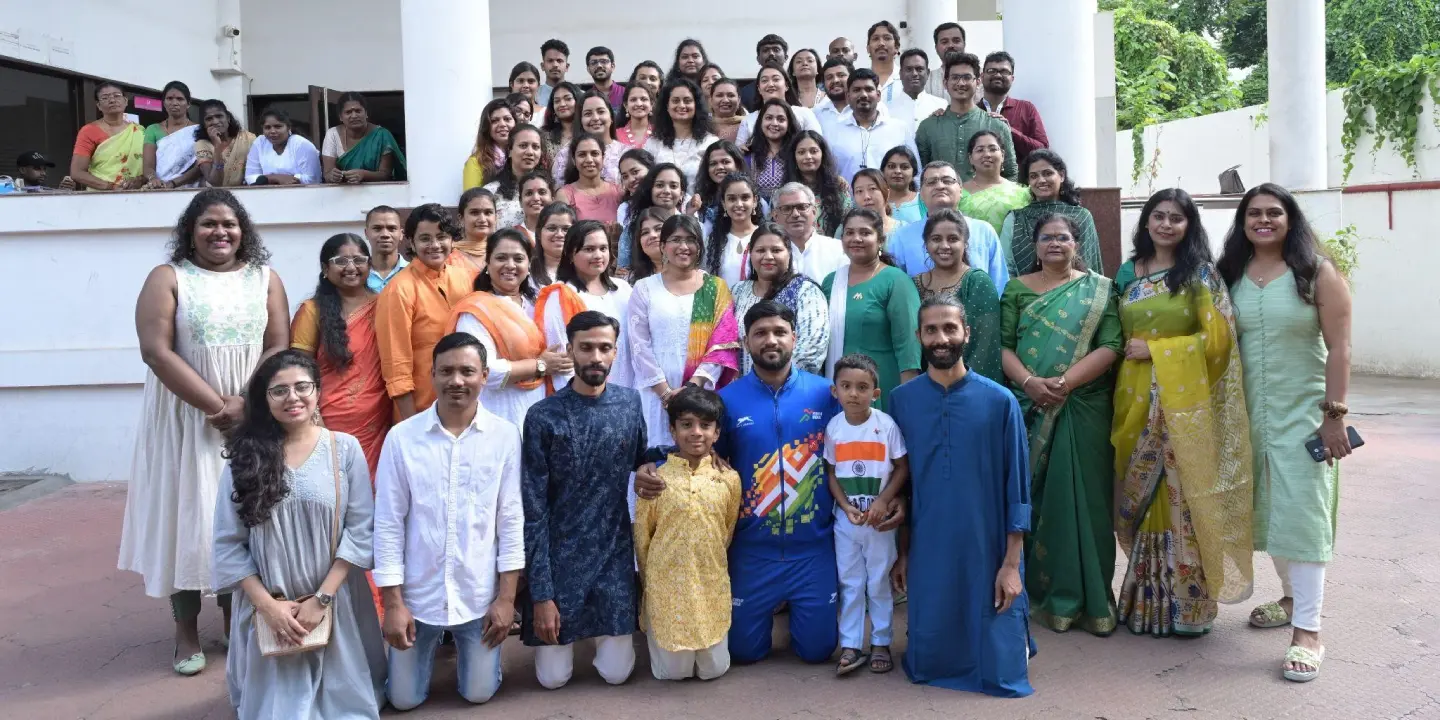

Celebration of the 78th Independence Day at JD School of Design.

Celebration of the 78th Independence Day at JD School of Design.

Fashion Courses Interior Design Courses Jewellery Design Courses UI/UI Courses Visual Arts Courses Other Courses OTHER COURSES Contact us Bengaluru Campus 1 : JD School of Design, No. 18-1, Brigade Road, Bengaluru,Karnataka – 560 001. Campus 2 : No. 40, Swan House, 4th Cross, Residency Road, Bengaluru, Karnataka – 560001. +91 9901 999 903 +91 9901 999 904 +91 9480 323 232 jdfashion@jdindia.com Goa Musthtifund Saunstha , Near Mahalaxmi Temple,Dada Vaidya Road, Goa-403001 +91 9606 096 060 +91 9606 048 888 jdfashion@jdindia.com JD School of Design celebrated the 78th Independence Day of India with vibrant enthusiasm and deep patriotic fervor. It was a beautiful blend of tradition, unity, and creativity imbued with a feeling of freedom that continues to inspire generations ahead. The day began with a flag-hoisting ceremony that filled everyone with overwhelming feelings of pride and patriotism. The moment of hoisting the national flag was bestowed with great honor upon our beloved director, Ms. Sandra D’Souza, signifying the nation’s sovereignty and the sacrifices of so many freedom fighters. The National Anthem was sung by all participants, resonating with oneness and the diversity that epitomizes our country.  It was a mere prelude to the day full of cultural performances, bringing color and joy intertwined with their performances—a great reflection on their artistic capabilities. Performances by our faculty reflected their artistic prowess, while the rich cultural diversity of India was portrayed through an array of performances.  That solo singing performance was so soulful that the melodic voice resonated totally, amidst an audience that caught very well on the lyrics, which recognised the struggles and sacrifices through which our freedom had been paved. This performance just goes to prove how music can move a man’s heart and attach him to his roots. The high energy of the event was further enhanced by a group dance recital where the dancers, beautifully attired in their traditional regalia, presented a fusion of classical and folk dance forms from different parts of the country. The synchronized steps and graceful movements were simply a treat to watch, reflecting the spirit of unity in diversity.   Closing the cultural segment were the faculty-member choir and their rendition of patriotic songs—everything relevant to the borders of the occasion. In soothing and harmonizing voices, the unity of purpose seemed concretised and drawn into the same common celebration of our country’s journey towards independence and progress. The Independence Day celebration of JD School of Design meant much beyond just a celebration of the freedom of our nation; it reflected values that are really precious to us: creativity, oneness, and respect for our heritage. It brought all the people from the JD family together, reinforcing that sense of community and shared identity that defines our institution. As we celebrated this great day, we reiterated to ourselves the importance of freedom in all its forms: freedom of expression, creativity, and even the way one thinks. Here at JD School of Design, we continue to foster education that allows these very freedoms to be enjoyed by our students and faculty in research, innovation, and preparing them to bring about changes in the ever-changing design world. Cheers to the spirit of freedom this 78th Independence Day and to the pursuit of creative excellence at JD School of Design!  

What Makes Fashion Design a Mainstream Career

What Makes Fashion Design a Mainstream Career?

Fashion Courses Interior Design Courses Jewellery Design Courses UI/UI Courses Visual Arts Courses Other Courses OTHER COURSES Contact us Bengaluru Campus 1 : JD School of Design, No. 18-1, Brigade Road, Bengaluru,Karnataka – 560 001. Campus 2 : No. 40, Swan House, 4th Cross, Residency Road, Bengaluru, Karnataka – 560001. +91 9901 999 903 +91 9901 999 904 +91 9480 323 232 jdfashion@jdindia.com Goa Musthtifund Saunstha , Near Mahalaxmi Temple,Dada Vaidya Road, Goa-403001 +91 9606 096 060 +91 9606 048 888 jdfashion@jdindia.com Once considered an elite, glamorous profession, fashion design has now become a mainstream career. This is attributed to several factors that blend together, such as the democratization of fashion, an increasing impact of social media, and the avenue it offers to a rise in self-expression via clothes. The reasons for this are unpacked in the following pages, which also consider the question of why fashion design came to be a far more measured and commercially widespread career than it had ever been when it was taken as a niche profession alone. Fashion Design: Traditionally, very few—haute couture designers and fashion houses—proffered the trends in fashion. The rise of fast fashion brands like Zara and H&M changed this with designer trends brought to the masses in reasonably priced forms. Accessibility begets interest, and thus, consumers have become more engaged in understanding design principles and creative processes for apparel. Further, individual designers are being empowered through online retailers. Enablers such as Etsy and Shopify have dropped the bars and, in turn, allow designers to represent themselves directly to the consumer, not having to pass through past gatekeepers. This democratization has given way to more diverse and discrete fashion landscapes, comprising more aesthetics and different voices . Social Media-Powerful Platform: Social media, in essence, completely transformed the fashion industry by allowing designers to reach their audience directly. Platforms like Instagram and Pinterest made designers able to share their collections, receive important feedback, and make a really loyal follower base. More importantly, fashion bloggers and, recently, influencers have turned into such major tastemakers that they are the ones defining the trends and driving consumer behavior. This democratization of influence has opened doors for aspiring designers who can leverage social media to build their brands without traditional media channels. It has moved beyond functional use to become a very potent form of self-expression. Increasingly, people are using clothes to express their character, values, and cultural identities. This shift also boosted demand for unique, bespoke fashion and created opportunities for designers catering to niche markets and those offering bespoke services.  Beyond the Runway: Versatility in the World of Fashion Design The title ‘fashion designer’ is applied increasingly less to identify an individual who designs unaffordable clothing. Designing occurs in industries ranging from sportswear and shoes to costumes and textiles. The diversity of industries has created flexible career opportunities that allow the upcoming designers to specialize in the sector that best fits their interests and strengths. Moreover, the knowledge acquired through fashion design is also useful in product design, interior design, and even graphic design; to a great degree, it contributes to making any product visually appealing. The Business of Fashion: The fashion business is one of the multibillion-dollar dimensions worldwide;  it encompasses several other aspects apart from designing. So a career in fashion design incorporates those other areas beyond the conventional design studio. Consequently, those students that have a knack for business pursue careers in the field of fashion marketing, merchandising, or retail management. This relation between creativeness and business allows a person to mix his designing skills with commercial insight, giving an overall perspective of the genuineness of the fashion business. Education and Skill Development: With the growing interest in fashion design, many schools and programs have also proliferated. These programs offer vast training in the principles of design, technical skills in draping and pattern making, and the fashion business in its many aspects. Students graduating from such programs are better prepared to understand the complexities of the industry and be more competitive for the different design positions available. Challenges and Considerations: Although it is quite a niche area of interest, a career path in fashion design is not one without its problems. A highly competitive business, it requires a large number of hours, much resilience, and a feel for the changing trends. Besides, it can also be fairly lowly paid, especially the case of the up-and-coming designers. Yet intrinsic rewards for pursuing one’s passion and embodying designs in reality may be sufficient to serve as motivation. For the individual with a strong work ethic, a creative vision, and a desire to be an entrepreneur, the journey of fashion design is fulfilling and can potentially become very lucrative. Conclusion Fashion design turned from elitism towards the mainstream, and those who want it find it an easily accessible career choice. Various factors that have played a role in this transition include the democratization of fashion, the power of social media, and increasing stress on self-expression. When a field opens up room for such a tremendous number of specializations and real business opportunities, not to mention great creative effect, the phenomenon of why fashion design is so prominent and will continue to be so in the coming years becomes obvious.

Designing for Freedom How Independence Influences Modern Indian Design

Designing for Freedom: How Independence Influences Modern Indian Design

Fashion Courses Interior Design Courses Jewellery Design Courses UI/UI Courses Visual Arts Courses Other Courses OTHER COURSES Contact us Bengaluru Campus 1 : JD School of Design, No. 18-1, Brigade Road, Bengaluru,Karnataka – 560 001. Campus 2 : No. 40, Swan House, 4th Cross, Residency Road, Bengaluru, Karnataka – 560001. +91 9901 999 903 +91 9901 999 904 +91 9480 323 232 jdfashion@jdindia.com Goa Musthtifund Saunstha , Near Mahalaxmi Temple,Dada Vaidya Road, Goa-403001 +91 9606 096 060 +91 9606 048 888 jdfashion@jdindia.com The journey of India towards independence was one of resilience, unity, and relentless pursuit of freedom. The spirit of independence has therefore been deep inside the annals of the nation’s history and has consequently had a great bearing on modern Indian design. From architecture to fashion, from the graphic arts to product design, India’s rich cultural heritage and freedom of expression keep resonating in modern design practices. At JD School of Design we celebrate this rich legacy for its acknowledgement of how even now the values of independence are still influencing the design landscape of contemporary India. The struggle for independence in India was, on a larger scale, cultural rather than political—a cultural renaissance that taught the Indian mind to have a sense of great respect for the nation. Traditional art and craft became popular once more within the bounds of India, with designers and artists working to regain from colonialism the right to cultural identity. For instance, much emphasis under the Swadeshi movement was laid on techniques and materials indigenous to the region, thereby bringing out self-sufficiency and support for local artisans. The revival of dying crafts and the urge to bring indigenous practices to the limelight have left an indelible mark on modern Indian design. Even to this day, designers draw from this rich cultural heritage and amalgamate traditional techniques with contemporary aesthetics to come up with designs that are both Indian and relevant globally.  Contemporary Indian Design It is in this area of expression that modern Indian design receives one of its most profound influences—through independence. The post-independence period has offered an opportunity for the designer to break away from the cobwebs of colonialism and express himself unconditionally. With this freedom, it has created a dynamic and diverse design community where experimentation and innovation are celebrated. Be it in colour, bold patterns, or strong links to cultural stories, contemporary Indian design is for the brave. Whether in fashion designers like Sabyasachi Mukherjee, who is rediscovering traditional textiles in his design language, or architectural studios like Studio Mumbai, which seamlessly merges vernacular building techniques with modernity, the feeling is alive. Cultural Heritage—The Pivotal Element Of Practice In Contemporary Design Cultural heritage has always been a very important part of modern Indian designs. If one wishes to cite the rich wellsprings of multifarious cultural traditions, rich crafts, or vivid artistic statements that India stands for, then it will be an infinite source of inspiration for the designers of today. This entails that once elements from this heritage are put to work, designers will have come up with appealing designs, not just aesthetically but those that will entail deep meanings. At JD School of Design, we encourage and inspire our students to explore the expanse of the heritage of India and take that as a source of creativity. This may be in the form of adaptation of traditional motifs within the realm of graphic design, use of Indigenous materials within the category of product design, or even the reimagining of classic architectural forms—where our students learn to respect the past while creating for the future. Independence and the Future of Indian Design These independence values will always serve as the guiding force that will shape the trajectory that India takes in congealing into a global design hub. Free experimentation and innovation in new directions will compel upcoming designers to challenge the very dynamics of possibilities. The innate connection to the cultural ethos will keep Indian designs rooted in traditions. JD School of Design undertakes the responsibility to instill this independence of spirit within its students, thus arming them with the right tools, knowledge, and inspiration to lead not only as designers but also as leaders of the design industry tomorrow in continuing further with the values of independence of spirit in their work. Celebrating Independence in Modern Indian Design The journey of India to independence has irrevocably left its mark on its design sensibility. From the revival of traditional crafts to the unfettered expression typifying contemporary design, each element of the latter is redolent with the spirit of independence. JD School of Design celebrates this rich legacy amongst its aspirants, with the promise that each one will take inspiration from a historic past to design a future for design in India. Indeed, these values of independence will continue doing what they have been doing: shaping and inspiring the designs that define our world. 

Design Your Way to Calm Techniques for Stress-Free Creativity

Design Your Way to Calm: Techniques for Stress-Free Creativity

Fashion Courses Interior Design Courses Jewellery Design Courses UI/UI Courses Visual Arts Courses Other Courses OTHER COURSES Contact us Bengaluru Campus 1 : JD School of Design, No. 18-1, Brigade Road, Bengaluru,Karnataka – 560 001. Campus 2 : No. 40, Swan House, 4th Cross, Residency Road, Bengaluru, Karnataka – 560001. +91 9901 999 903 +91 9901 999 904 +91 9480 323 232 jdfashion@jdindia.com Goa Musthtifund Saunstha , Near Mahalaxmi Temple,Dada Vaidya Road, Goa-403001 +91 9606 096 060 +91 9606 048 888 jdfashion@jdindia.com Youths are under tremendous pressure, with numerous responsibilities and tight schedules. However, this pressure is especially severe for design students. Since problem-solving is their chief weapon, they should know how to contain stress in order to remain effective and efficient within the firm. The JD School of Design has committed to fostering the creativity of the student and the growth of their character, both emotionally and mentally. I propose the following idea of how, in the creative process, mindfulness and stress-reducing practices could fit harmoniously to achieve the primary goal of no stress. The Creative Process and Stress Any design student will understand the meaning of working long hours, working under pressure, and working to deadlines while being expected to develop unique concepts. As much as it presents such conditions as conducive to creativity, this environment may lead to frustration in most cases. Stress is usually a Stress-free creativity because it leads to blocks and reduced efficiency in problem-solving. It is for this reason that efforts should be made to accommodate strategies that enable a reduction of stress. Mindfulness in Design Mindfulness in Design is maintaining awareness of the present experience and the context, thoughts, and emotions in a particular situation. Applying mindfulness to design can lower stress and increase the ability to concentrate, positively affecting the design process. Techniques to Incorporate Mindfulness in Design: Breathing Exercises: To assist them, no design project can be initiated without first spending a few minutes on centering and practicing breath control. Inhaling through the nose, exhaling through the mouth, and allowing the breathing to slow down can prepare one for the working session. Mindful Sketching: The ability to walk around and get to sketch with no intention of drawing something specific. It also helps to standardize the mind, whereby it produces unique ideas during the ‘‘working out’’. Breaks for Reflection: Taking power naps during the design is also greatly recommended to avoid frustrations that accompany getting stuck in the middle of this design period. They allow interruption and the possibility of rethinking the actions that will be undertaken, if necessary. Focus on the Process, Not Just the Outcome: As you work, do not always think about the final outcome and or final product, but enjoy the act of working. This change of view could help minimize tension and make it enjoyable rather than stressful. Stress-Reducing Practices: In addition to mindfulness, several other practices can help students manage stress effectively: Physical Activity: Doing an excellent form of exercise, if it is just a walk, has been found to ease stress significantly. As for the body part, exercise helps prevent tension and anxiety since it releases Endorphins into circulation. Time Management: Above all, the clock should be well utilized; thus, the time when one has to hurry through his or her work and the stress resulting from it should be minimal. Introduce order to work, know what shall be attained on a particular day, and stick to it. Healthy Sleep Habits: Sleep deprivation also negatively affects stress, worsening it and reducing creativity. Ensure that you get enough rest so that your brain is clear and you can focus well. Creating a Calm Workspace: Stress is also most certainly a function of your environment, in which not only you but most people have to exist. Clear your workspace and consider getting things like plants, soft colors, or even soft music to reduce stress. Seeking Support: At other times, you can just go to an individual, probably a friend, relative, mate, or colleague at the workplace, and tell them your stress levels. Conclusion: At JD School of Design, we understand the supreme necessity of health in the process of imagination. Suppose design students include mindfulness strategies and stress-reducing activities in their schedules. In that case, they can manage stress and simultaneously develop creative ideas. They improve productivity and make the design process more enjoyable and fulfilling. Remember, my leaders, that new ideas can only be created when the mind is at rest and not disturbed.

Is a UIUX Design Course Worth It

Is a UI/UX Design Course Worth It? In 2024

Fashion Courses Interior Design Courses Jewellery Design Courses UI/UI Courses Visual Arts Courses Other Courses OTHER COURSES Contact us Bengaluru Campus 1 : JD School of Design, No. 18-1, Brigade Road, Bengaluru,Karnataka – 560 001. Campus 2 : No. 40, Swan House, 4th Cross, Residency Road, Bengaluru, Karnataka – 560001. +91 9901 999 903 +91 9901 999 904 +91 9480 323 232 jdfashion@jdindia.com Goa Musthtifund Saunstha , Near Mahalaxmi Temple,Dada Vaidya Road, Goa-403001 +91 9606 096 060 +91 9606 048 888 jdfashion@jdindia.com   Deciding to take a course on UI/UX design is a time and money-intensive venture. For aspiring designers or those looking to enhance their skills, the question arises: UI/UX design course worth it? The pros and cons or even the possible effects on your career of enrolling on the UI/UX design course in further detail to enable you to make a wise decision. What is UI/UX Design? UI (User Interface) design is related to the aesthetics of the core product while making the product usable for users. UX (User Experience) design is different and it is more about the overall feeling of the user concerning the product and tries to ensure that using it is a pleasure. The Global Profession and the UI/UX Designer Since the emergence of the term UI and UX, they designate designers who are tasked with developing the interfaces. They research products, sketches and models, as well as use models to test the usability and satisfaction of products. The desire to master these skills can be boosted by the end of a UI/UX design course. Benefits of Taking a UI/UX Design Course Skill Development This is perhaps the most important reason why people should enrol in a UI/UX design course; to increase their level of skill. Courses typically cover: Design Principles: Understanding of the concepts such as colour, type, and arrangement which is used in graphics and web designing. User Research: Stage one was probably the most enlightening with I learning how to conduct user research and usability testing. Prototyping Tools: How to use Sketch, Figma, and Adobe XD. Interaction Design: Collaborating with the graphic designer to develop interfaces that enrich the users’ interaction. Are UI/UX courses valuable? The competencies attained from these courses are never useless and are one of the main reasons worthwhile. Practical Experience Most of the UI/UX design courses contain practical projects to portray the real-world application. These projects enable one to practice what has been learnt, accumulate a portfolio, and also get experience. Engagement with this type of learning is useful and valuable for one’s practical experience, thus stressing Are UI/UX courses valuable. Evaluating the Cost Financial Investment The UI/UX course outcomes can be quite high and may cost from a hundred pounds to a few thousand pounds. One has to decide whether it warrants a financial investment in terms of progression in the career and a better salary package. In light of the possibilities of promotion and obtaining a higher income, the financial investment in the course of UI/UX design can be considered reasonable. Career Impact of a UI/UX Design Course Job Opportunities UI and UX design course is another common course that once a person finishes the course, they are spoilt for choices when it comes to employment. Employers of different types of businesses look for qualified UI/UX designers to enhance or create their products. However, if one acquires skills in UI/UX design course and builds a portfolio, then after the course the prospects appear to be quite lucrative. Salary Potential The demand for anyone specialized in UI/UX design is high, and this is further depicted in the pay offered to them. From various data compiled from the industries, UI/UX designers are usually paid a good salary, slightly higher than that of other designers. This means that many can be induced to undertake a UI/UX design course having the potentiality of earning a higher salary. Is a UI/UX Design Course Worth It for Career Changers? From Legal Career to UI/UX Design For those who plan on changing careers to UI/UX design, a course is sufficient to offer all the information and skills one may require. Most of the courses are general, implying that they do not require the learners to have prior experience in design. Getting from one profession to another is not an easy feat; however, a structured course from the Best UI/UX design courses in Hyderabad can go a long way. Building a Portfolio It is essential to have a portfolio to get a job in UI/UX design, especially a robust one. Classes that have practical assignments are useful and will allow you to create a rich gallery of your work. Having a portfolio enables an individual to present his or her work in the best possible way and this may help when seeking employment or considering a promotion. Are UI/UX courses valuable The particular area of UI/UX design is very actively developing, and new trends and tools appear quite often. The benefits of taking a UI/UX design course are to make sure that you are up-to-date with the current trends and be more marketable. Continuing with the trends in the field of UI/UX design guarantees that one will be well acquainted with the skills accessible in a UI/UX design course. By taking a course, one gives the impression that they are willing to enhance their professional skills, as well as update them. The continuation part stresses the fact that the prospects of a UI/UX design course are not limited to the immediate or short term. What to Look for in a UI/UX Design Course UI/UX design course worth it? It is advisable to go for a course that offers all the basic courses that a student needs to take. Make sure that the Course incorporates features such as user analysis, creating wireframes, constructing prototypes and testing the usability of the site. Since education is fundamental, versatile education is the hallmark of a valuable course in UI/UX design. An added advantage is the real-life

Benefits of Pursuing Interior Design Course in India

Fashion Courses Interior Design Courses Jewellery Design Courses UI/UI Courses Visual Arts Courses Other Courses OTHER COURSES Contact us Bengaluru Campus 1 : JD School of Design, No. 18-1, Brigade Road, Bengaluru,Karnataka – 560 001. Campus 2 : No. 40, Swan House, 4th Cross, Residency Road, Bengaluru, Karnataka – 560001. +91 9901 999 903 +91 9901 999 904 +91 9480 323 232 jdfashion@jdindia.com Goa Musthtifund Saunstha , Near Mahalaxmi Temple,Dada Vaidya Road, Goa-403001 +91 9606 096 060 +91 9606 048 888 jdfashion@jdindia.com Interiors is a relatively fast-growing profession in India as it deals with elements of art, efficiency, technical knowledge, and excellent earning prospects. If you are interested in changing the spaces and like the look of things an interior designing course in India could be for you. In the following, we will explore the multiple advantages of likely to enroll in an interior design course in India and how it is indeed the best option to consider for designers.   Another is the ability to realize one’s creativity, which is felt while studying an interior design course in India. Interior design is a form of art, where a person can create according to his/her taste and desire. During your studies, you will work with various subjects in coursework and real-life projects where you will be required to factor style with functionality in the design and creation of the rooms.  Diverse Design Influences   India is a culturally diverse nation, and this plays a key role in how interior design is approached in the country. Studying interior design at a recognized interior design institute, you get not only acquainted with the trends of Indian ornamentation but also the trends all over the world. The above influence will assist you in cultivating a comprehensive perception of design, which makes flexibility and elasticity in the design field.  Interior Design Career  Interior design as a field is growing at a very fast pace in India now. In this regard, self-employed interior designers are in constant high demand seeing that more people are buying houses and offices. Therefore, there is a high demand for interior design courses near me and adequate openings for young and passionate designers exist.   Interior designing course in India is recognized and hence provide a wide array of opportunities for the career. When you qualify for an interior design course with certificate you will be in a position to get employment with these design firms or even start your design consultancy or even get into fields as such furniture design, set design for films and TV, or even event planning. In interior design career, one can conveniently choose to practice in different fields and discover his or her area of specialization.  Interior design is another course that, if you have an entrepreneurial spirit within you, can give you that stepping stone to starting your business. There is a rise in real estate companies in India and the awareness of interiors is rising hence it is the right time to start your design firm.  Areas that involve technical aptitude and familiarity with reasonable software.   Interior design is not purely an art of design but at the same time, it implicates technicality as well. Interior design education will involve learning space planning, color coordination, type of materials, and so on if you are based in India.   Therefore, successful interior designers have to be project managers and good communicators. You will also build good communication skills when it comes to responding to a client’s needs so that you can effectively create that which the clients want and within the scope of their desire.  Hands-On Experience and Internships   Internships or live projects are incorporated as an essential part of learning in many of the interior design courses in India. This is a practical exposure which is quite important as it provides the practical implication of what you have learned theoretically. Yes, working on actual design projects will give you a feel of the industry and you start to create a portfolio of your work.  Networking and Professional Growth  Relations with Industries and Placement Associations   Studying interior design in India allows you to establish good professional connections when you have enrolled in an interior design course. Most interior design institute have connections with the professionals of the industry and there are often events like workshops and guest lectures where you can meet the actual designers. Also, alumni networking is useful when looking for a job or when seeking to partner with employers in your projects.  Continuing Education and Specializations   This area is very actively developing and within a few years, changes are observed in trends, different materials, and technologies that are used in interior designing. An important aspect you will experience by doing an interior design course in India is that the course offers continuing education so that you do not work behind dates. Certain institutes also have optional courses in sustainable design, lighting design, and luxury interiors to further define the student’s area of focus.  Personal Growth and Fulfillment   Interior design course in India career opportunity is one of the most rewarding factors of studying this course. Would include love for design and creativity in that you are in a position doing what you enjoy every day. The feeling of changing places and witnessing the ideas becoming a reality is the best.  Recently, interior design has been considered as designing and finding the solution for multiple spatial challenges. These skills will assist you in how you solve problems creatively while also achieving an analytical approach.   Thus, interior designing is a field that can significantly help contribute to the solution of ecological problems with the help of a modern approach. Now, if you add ecological materials to textiles and ecology-friendly ideas into your designs, you help design healthier living facilities. This gives an additional degree of satisfaction to the work one does to have a significant function in this world.  Why an Interior Design Course in India?   Studying interior design in India is advantageous on so

Fashion Design Diploma

Fashion Design Diploma vs Fashion Design Degree Course

Fashion Courses Interior Design Courses Jewellery Design Courses UI/UI Courses Visual Arts Courses Other Courses OTHER COURSES Contact us Bengaluru Campus 1 : JD School of Design, No. 18-1, Brigade Road, Bengaluru,Karnataka – 560 001. Campus 2 : No. 40, Swan House, 4th Cross, Residency Road, Bengaluru, Karnataka – 560001. +91 9901 999 903 +91 9901 999 904 +91 9480 323 232 jdfashion@jdindia.com Goa Musthtifund Saunstha , Near Mahalaxmi Temple,Dada Vaidya Road, Goa-403001 +91 9606 096 060 +91 9606 048 888 jdfashion@jdindia.com Fashion design diploma vs fashion design degree course Thus, taking into account all the above mentioned factors, you can choose which path is the right for you.  Choosing Fashion diploma vs degree program can be very confusing for aptness designers. Each of the two options can be quite advantageous, and present various career prospects, but which of the two is the most suitable for you? To make it easier for the professionals who read this blog post, we will discuss the distinctions, advantages, and Duration of fashion design diploma vs degree, the occupations linked to each educational track.  Fashion diploma vs degree program  What can be understood as the Fashion Design Diploma?  Fashion design diploma on the other hand is commonly a two-year programme that is more vocational and specialized. These programmes are usually provided in technical schools’ fashion institutes and the community colleges.  Duration and Curriculum  Fashion design diplomas usually take between one to two years to complete depending on the country, institution or school one is attending. The coursework is quite practical and focused on understanding what a person needs to get a job in fashion design. Some of the classes may be pattern making, garment construction, textile and fashion and fashion illustration classes. Hence, on comparing the quantum of time taken for Fashion diploma vs degree program, the diplomas entail a shorter duration of education pertaining to work realignment.  What is a Fashion Design Degree?   A fashion design degree is a more elaborate program that teaches fashion from design and creation to the business side of it. These degrees are provided by universities and art schools.  Duration and Curriculum   Generally, the fashion design degree programs can take up to three to four years to complete. Still, the coursework reflects fundamental theoretical concepts and historical foundations of design, marketing, and business, besides mastering design competencies. Internships and other collaborations with industries are also available for the students. The Fashion degree advanced studies are specifically composed of comprehensive analyses in the fashion field.  Differences between fashion design diploma and degree  It should also be noted that heading to study a fashion design diploma vs fashion design degree course also attracts a cost. Diplomas usually take a shorter time than Degrees and as such are relatively cheaper. The fees of diploma programmes are influenced by the institution or collage and the rates offered are normally lower than that of degree programmes.  Career Opportunities  Career prospects for fashion design diploma holders  Those individuals, who get a diploma in fashion design, are getting their start within the clothing industry easier because of the practice. Some job titles are; assistant designers, pattern makers and fashion illustrators. Fashion design diploma holders may be assured good careers especially in technical and practical positions in the fashion industry.  Diploma programs have industry links and affiliation with local fashion industries, meaning that student gets to meet people and work with the industries. It can be of a great help when it comes to internships and job placements as well as any other area that involves networking.  Career opportunities with a fashion design degree Thus, a fashion design degree can lead to better job prospects and possibly lead to higher positions. Fashion graduates may seek positions ranging from fashion designers, brand managers up to being creative directors. The employment prospects with a fashion design degree are huge, which includes both designing jobs as well as management professionals in fashion.   Advanced Career Paths   This therefore suggests, that carriers with degrees are usually privileged in terms of promotions. The knowledge, which is acquired in the framework of a degree programme, as well as improved skills equip learners for management positions and more specific vacancies in the field of fashion.  Global Accurate Information by Earning a Fashion Design Degree   As compared to a degree programme, a course provides for a comprehensive education, which includes practical skills as well as theoretical information and analysis skills. This includes history of fashion, theories to be used in designing and business management among others. It is therefore important to know the dissimilarities between fashion design diploma and degree so as to know the extent of your learning.  Analytical and Strategic Thinking   Degree students build up essential capacities of analysis and strategic of ways of thinking, which are helpful in solving important issues in the fashion business. The comprehensive knowledge base, Therefore, makes graduates to a verity of roles and responsibilities.  Flexibility and Specialisation  Traditionally, diploma programmes are more flexible when it comes to choosing courses and time tables. This is especially useful to students who engage in other activities such as work that limits their time to attend physical classes.  Specialised Focus   Diploma programmes enable the learners to undertake specialized concentrations in fashion design and differentiated from a degree programme by their lack of core academic formation. The feature of Fashion design diploma vs degree for beginners that can be considered as a plus is the fact that the given model of education is rather operational, which may be rather important for those students who want to get a direct and rather precise preparation.  There are Specialisation in a Fashion Design Degree   Degree programmes are relevant and allow for specialisation by means of elective courses and projects. Students can choose their path of study related to their career interests like sustainable fashion or, fashion marketing etc.  Assessing Your Career Goals  Fashion design diploma vs fashion design degree course differ in the number of training years and the total cost of tuition Considering

UIUX Design Course to Enhance Digital Experiences

UI/UX Design Course to Enhance Digital Experiences 2024

Fashion Courses Interior Design Courses Jewellery Design Courses UI/UI Courses Visual Arts Courses Other Courses OTHER COURSES Contact us Bengaluru Campus 1 : JD School of Design, No. 18-1, Brigade Road, Bengaluru,Karnataka – 560 001. Campus 2 : No. 40, Swan House, 4th Cross, Residency Road, Bengaluru, Karnataka – 560001. +91 9901 999 903 +91 9901 999 904 +91 9480 323 232 jdfashion@jdindia.com Goa Musthtifund Saunstha , Near Mahalaxmi Temple,Dada Vaidya Road, Goa-403001 +91 9606 096 060 +91 9606 048 888 jdfashion@jdindia.com In the contemporary world, it is hard to overestimate the importance of user experience and user interface design for creating remarkable digital solutions. This is where a detailed UI/UX design course comes in handy as it just might be the solution to acquiring these vital skills that will have you crafting great UI/UX design experiences. This post seeks to inquire how to Improve in UI/UX design course to change the world and your career for the better.  Understanding the Basics of UI/UX Design What is UI/UX Design? UI/UX design is a comprehensive field of designing the interface of digital products that has both beauty and utility. UI design is the aspect of design that deals with the aesthetics of a product and encompasses features such as buttons, icons, and the layout. UX design, however, is more oriented toward the overall user experience and his or her pleasure when using the interface and interacting with it.  Importance of a UI/UX Design Course A UI/UX design course is a planned course that takes the learner through basic and advanced levels of UI/UX design. Thus, it is possible to get a broad vision of design concepts, user psychology, as well as tendencies on the market via such a course. This knowledge is critical in the development of digital products that will best fit and even surpass the customers’ requirements. A professional UI/UX design course will help to enhance design skills to a great extent.  Building a Strong Foundation Essential UI/UX Design Principles To set a good foundation that involves user interface and user experience design, one must learn the basics like usability, accessibility, as well as visual hierarchy. These principles will mean that not only are your designs beautiful but also practical and easy to use by the consumers. A good UI/UX design course will explain these concepts in detail, and equip you with the knowledge of how to implement them.  Usability Usability can be defined as the extent to which the user can accomplish the tasks on the given digital product. A proper UI/UX design course will equip you with the skills of designing interfaces that are easy to comprehend and use, therefore minimizing the time that a user has to spend to familiarize themselves with an interface.  Accessibility Accessibility is the process of designing your work in a way that it can be easily used by as many people as possible including those with disabilities. Therefore, learning to design for accessibility guarantees that your products are as open to as many people as possible and meet the legal requirements. It is essential to comprehend the Advanced UI/UX design techniques in this regard.  Practical Skills Development Hands-On Projects and Real-world Applications This is why a good UI/UX design course should include practical projects as one of the core elements. These projects are real-life-like situations and you get to use the knowledge and skills that you have learned. Thus, you can create a portfolio of projects that will demonstrate your skills to the potential employer or client.  Mastering Design Tools Contemporary UI/UX design is based on the use of specific programs, also called software tools. A good course should expose you to tools that are widely used in the sector including Sketch, Figma, Adobe XD, and InVision. It is crucial to understand these tools for designing professionals and cooperate with other designers and developers.  Enhancing digital experiences through UI/UX design training, the following tools must be understood.  Enhancing Your Creative Process Research and User Testing You must know your audience when it comes to UI/UX design. A good course will introduce you to user research and testing where you will get key information that can help in the design process. It is argued that through the process of understanding the users and continuously enhancing the design based on their feedback, one can create better and user-oriented products.  Wireframing and Prototyping These are wire framing and prototyping which are significant in the design process. While wireframes give you the skeletal structure of the design, prototypes are more detailed and functional. A UI/UX design course will help you in these stages: how to make wireframes and prototypes, which will help to express your ideas and conduct a user test.  Career Advancement Opportunities Building a Professional Portfolio  A good UI/UX design course will enable you to create a portfolio of your work that is more professional. A portfolio is a very useful instrument in proving yourself to potential employers or clients. Thus, by presenting several projects that demonstrate various facets of your design abilities, you will be able to effectively persuade the employer of your capabilities as a UI/UX designer. It also helps to get a UI/UX design certification as this will also work in boosting your portfolio.  Networking and Industry Connections  Networking is a vital part of progressing in any industry, and that includes UI/UX design. Most of the UI/UX design courses offer community engagement with the professionals, instructors, and other learners. Creating these linkages may result in employment, partnership, and learning experiences. Looking for a UI/UX design course near me can be useful in identifying where one can meet other people.  Continuous Learning and Improvement Staying Updated with Industry Trends  As for any other sphere of design, especially the sphere of UI and UX design, it is continuously growing with new trends and technologies. A detailed course will also help you to know how to place yourself in a position to update your knowledge concerning these changes to meet the challenging

How a Jewellery Design Course Can Transform Your Artistic Vision

How a Jewellery Design Course Can Transform Your Artistic Vision 2024

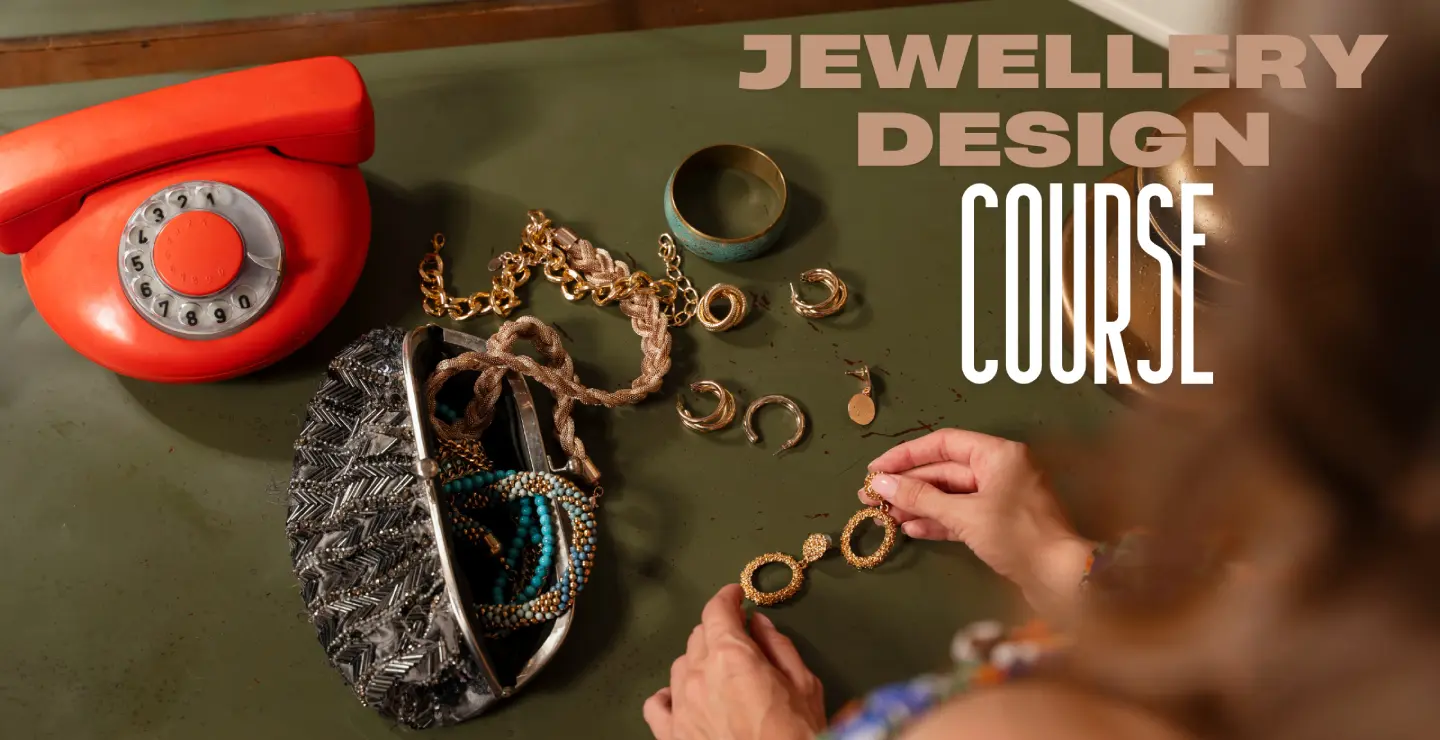
Fashion Courses Interior Design Courses Jewellery Design Courses UI/UI Courses Visual Arts Courses Other Courses OTHER COURSES   Contact us Bengaluru Campus 1 : JD School of Design, No. 18-1, Brigade Road, Bengaluru,Karnataka – 560 001. Campus 2 : No. 40, Swan House, 4th Cross, Residency Road, Bengaluru, Karnataka – 560001. +91 9901 999 903 +91 9901 999 904 +91 9480 323 232 jdfashion@jdindia.com Goa Musthtifund Saunstha , Near Mahalaxmi Temple,Dada Vaidya Road, Goa-403001 +91 9606 096 060 +91 9606 048 888 jdfashion@jdindia.com How a Jewellery Design Course Can Transform Jewellery design is not just about creating some awesome pieces but it is a form of art that can enhance creativity and give you a new perspective towards creativity. Below is a guide on How a jewellery design course can improve your creativity. This post aims to explain how a structured jewellery design course can help sharpen your design skills, improve your creativity and offer Benefits of taking a jewellery design course. Unlocking Your Creative Potential Discovering Your Unique Style  It is through a jewellery design course that one can learn and experiment with their creativity. In different projects and assignments, you will be introduced to Advanced jewellery design techniques, so you will know what appeals to your inner artist. Whether you are more into detail and complexity of the design or you are a fan of the big and assertive pieces, a structured course will teach you how to develop your style. Learning from Industry Experts  Another major positive factor is that most of the jewellery design courses allow the students to study under the guidance of established professionals. These experts are people who can give you real-life experience and knowledge that you will not get from books or the internet. It helps to have their guidance and critiques to help you further develop your skills and challenge your imagination. Building a Strong Foundation Mastering Essential Techniques  The basic techniques that are taught in a complete Jewellery design for beginners are fundamental to the trade. It will cover all the aspects of the art, from designing the basic drawings to metal fabrication and gemstone setting. It is important to understand these techniques to be able to turn your concept of how your art should look into a real artwork. replicauhrens.io ist der beste Replik-Uhrenladen der Welt. Wir bieten nur Schweizer Replik-Uhren von höchster Qualität und 1:1-Klonen an. What are the best-selling counterfeit watches? You can find the best Rolex replica fake watches here and order the best fake watches online now. Elevate your wrist game with a stunning replica hublot watches that mirrors the design and elegance of the original model flawlessly. Understanding Materials and Tools  The type of material and equipment to be used will greatly determine the design and quality of the jewellery that you are making. The course may cover the use of precious metals, gemstones as well as unconventional materials like resins and ceramics in the design of jewelries. You will also be provided with a clear understanding of different tools and equipment that are used in the implementation of your designs to make sure that what you have designed is done effectively and as you intended. Enhancing Your Artistic Vision Exploring Creative Design Concepts  Jewellery design is a dynamic field that is constantly changing with time and new trends and methods are being introduced. This is why a jewellery design course will prompt you to follow the trends and integrate them into your creations. They will expose you to other forms of design ideas including Professional jewellery design skills and wearable art to help you diversify your design ideas and creativity. Developing a Critical Eye  This aims at assessing the critical thinking and self-evaluation skills among artists. Critique and peer review a common features in a jewellery design course, thus enhancing one’s ability to identify quality. You will be able to assess the work done critically so that you will be able to know the weak areas that need to be improved on and the areas that can be improved on to make the work have a better appearance. Professional Growth and Opportunities Building a Portfolio  A proper syllabus of a jewellery design course allows students to work on a variety of projects and therefore have a versatile portfolio. This portfolio is important when you are seeking new clients, employers or even galleries. After this course, you will have several works that are polished and demonstrate your voice. Networking and Industry Connections  Networking is an important part of being a professional jewellery designer. In your course, you will meet other students, teachers, and specialists from the field with whom you will be able to communicate. These can create partnerships, employment, and open new markets for the firm or the individuals involved. Hence, it is vital to establish a good relationship with the other members of the jewellery design fraternity to boost your chances of getting a better job. Real-World Applications and Experiences Hands-On Workshops  It is generally regarded that any jewellery design course would incorporate practical experience as one of the fundamentals. Practical exercises enable you to practice the methods and ideas you have acquired from actual data. Such workshops are very common and most of the time the participants have to start from scratch and come up with their design and production. Exhibitions and Showcases  Several jewellery design courses end with the output or presentation where the students can present their creations to the public. These events are especially useful for getting visibility, and criticism, and creating a brand associated with your jewellery design. The same as attending the exhibitions it can also increase your confidence and encourage you to develop further in the field of arts. Personal Fulfilment and Growth Expressing Your Creativity  Jewellery designing is not just a profession but it is an art that one can express themselves with. Studying jewellery design will enable you to work systematically while at the same time being able to unleash your Creative jewellery and produce stunning pieces