
A Guide to Professional Photography and Its Restrictions 2024

A Guide to Professional Photography and Its Restrictions 2024

A Guide to Professional Photography and Its Restrictions 2024

Contact us

Bengaluru

Campus 1 : JD School of Design, No. 18-1, Brigade Road, Bengaluru,Karnataka – 560 001.

Campus 2 : No. 40, Swan House, 4th Cross, Residency Road, Bengaluru, Karnataka – 560001.

Goa

Musthtifund Saunstha , Near Mahalaxmi Temple,Dada Vaidya Road, Goa-403001

A guide to professional photography thrives on the delicate interplay between artistry and commerce. Clients seek out photographers to immortalize life’s precious moments, craft compelling brand identities, or weave impactful visual narratives. Yet, within this collaborative dance lies a facet often shrouded in ambiguity: photo restrictions. These restrictions, documented in contracts or conveyed verbally, meticulously define the ownership and usage rights associated with the final photographs.

This in-depth exploration delves into the intricacies of professional photo restrictions, catering to both photographers and clients. By unraveling the legal and artistic rationale behind these limitations, we aim to empower informed decision-making, foster clear communication, and cultivate a thriving working relationship.

A guide to professional photography: Owning Memories vs. Owning the Image

Underpinning the concept of photo restrictions lies the fundamental principle of copyright. Copyright safeguards original works of authorship, encompassing photographs. When you engage a professional photographer, you are essentially commissioning a creative service. The resulting images, imbued with the photographer’s unique compositional style, signature editing approach, and skilled technical execution, are considered their intellectual property.

Clients, in most scenarios, acquire a license to utilize the photographs, not the copyright itself. This license meticulously dictates the extent to which clients can reproduce, distribute, or modify the images. It’s paramount to grasp that you are not acquiring ownership of the physical prints or digital files; rather, you are purchasing the right to utilize them for specific purposes.
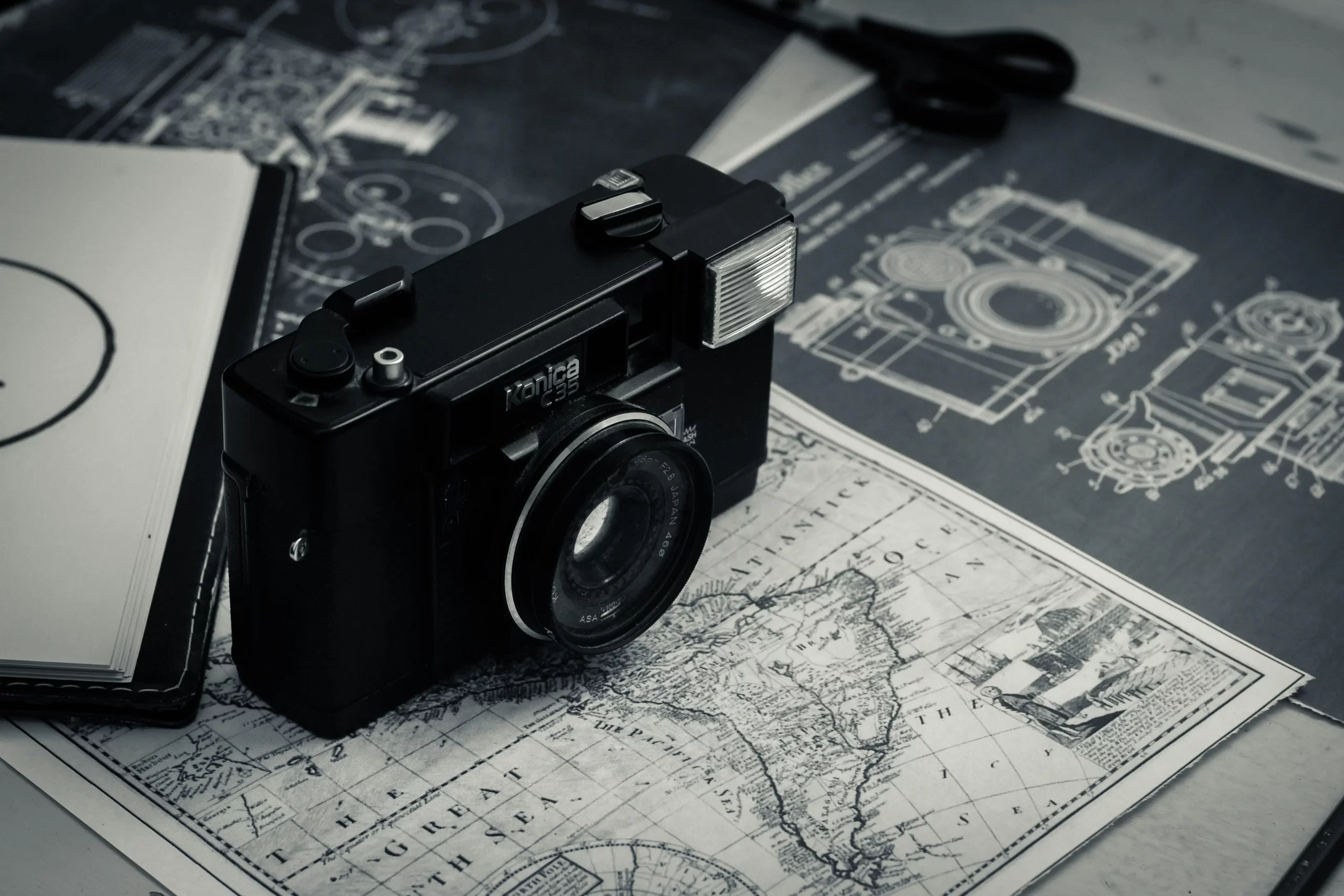
A Guide to Professional Photography and Its Restrictions

Unveiling Common Photo Restrictions and Their Significance

While the specifics may vary across photographers, certain restrictions frequently surface in professional photography contracts. Let’s delve into some key aspects:

1.Delivery Format: Unveiling the Raw and the Refined

Professional photographers typically deliver edited images in a predetermined format, such as JPEG. Raw, unedited files, which hold the unprocessed data captured by the camera sensor, are rarely included. These raw files necessitate further processing and might not be aesthetically pleasing on their own. Photographers retain these raw files for archival purposes and potentially for future editing requests (at an additional cost).

2.Editing and Alterations: Preserving the Photographer’s Vision

Professional photographers meticulously invest time and expertise into cultivating their editing style. Restrictions on client-side editing safeguard the photographer’s artistic vision and brand identity. Amending the photos with filters, excessive cropping, or removing watermarks could misrepresent the photographer’s work and potentially distort their artistic message.

3. Commercial vs. Non-Commercial Usage: Understanding the Boundaries

The license might distinguish between personal and commercial use. Personal use generally encompasses displaying photos in your home, sharing them on social media platforms (with due credit to the photographer), or creating personal prints. Commercial use, on the other hand, necessitates explicit permission and may incur additional fees. This could encompass using the photographs for advertising campaigns, marketing materials, or product packaging.

4. Copyright Notice and Watermarks: Acknowledging Ownership

Photographers often embed a copyright notice or watermark on their images. These serve as a visible reminder of their ownership and deter unauthorized use. Restrictions on removing these elements guarantee that proper credit is given and copyright is respected.

5. Model and Property Releases: Navigating Legal Considerations

In some instances, photographs may depict identifiable individuals or private property. To circumvent legal issues, photographers may require model releases from individuals and property releases from property owners. These releases grant permission for the photographer to utilize the images in accordance with the agreed-upon terms.

6. Archiving and Back-up Storage: While photographers are responsible for delivering the final images, it’s essential to inquire about their archiving and back-up storage policies. Professional photographers typically maintain secure storage solutions to safeguard your precious memories.

Digital files can be vulnerable to loss due to hardware failure or data corruption. Knowing the photographer has a robust archiving and back-up system ensures your photographs are protected for the long term.

7. Turnaround Time and Delivery Methods: Turnaround time refers to the timeframe within which the photographer will deliver the edited images. Delivery methods could involve online galleries, physical prints, or a combination of both. Understanding these aspects ensures you receive your photographs within the anticipated time frame and in your preferred format.

Clear communication regarding turnaround time and delivery methods sets expectations and avoids frustration. You’ll know when to expect your photos and how you’ll receive them.

8. Additional Fees: Be mindful of potential additional fees beyond the initial photography package. These might include charges for raw file access, extensive editing requests, travel expenses, or expedited turnaround times.
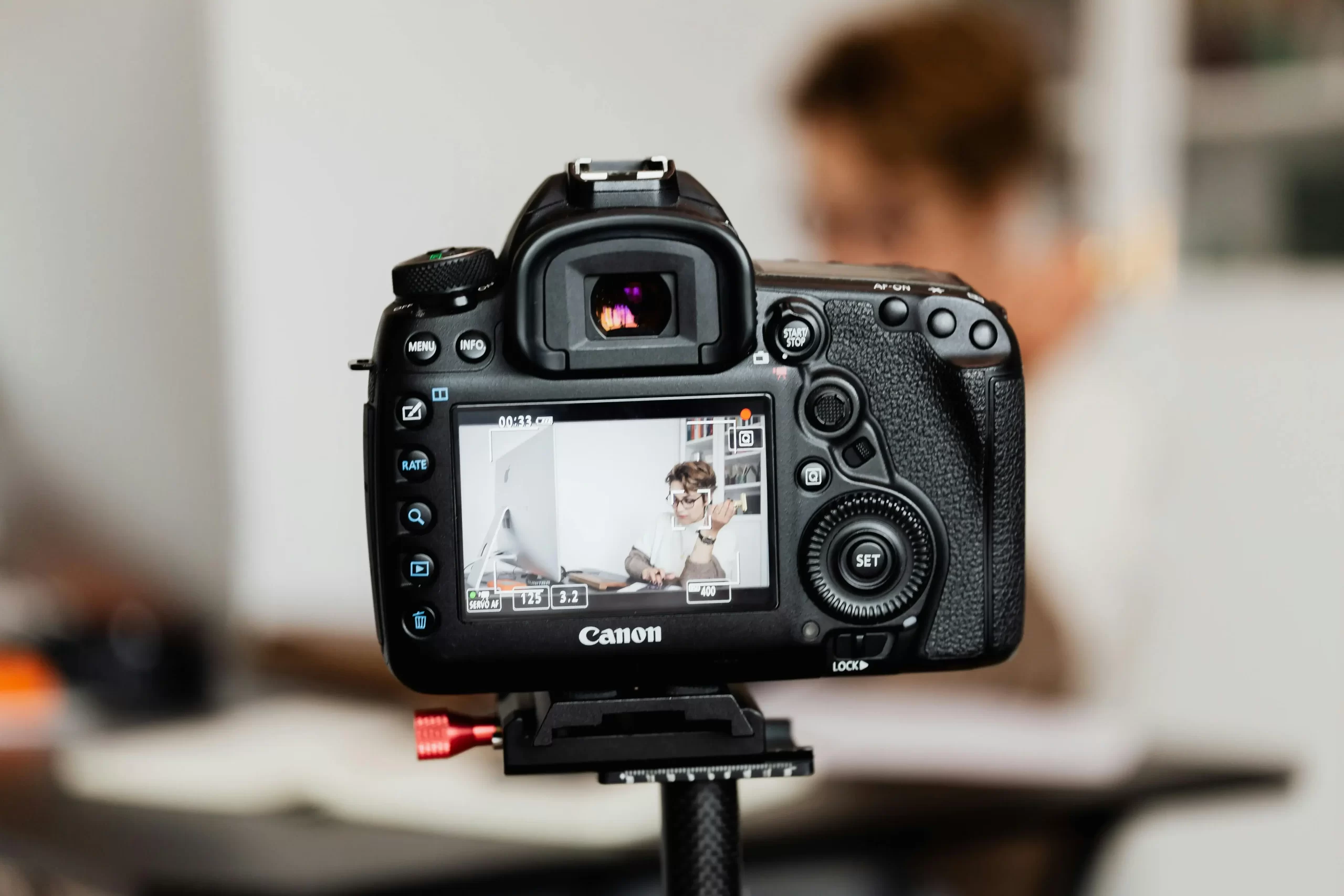
A Guide to Professional Photography and Its Restrictions

Transparency regarding potential additional fees allows for informed budgeting. There are no hidden costs, and you can factor these extras into your overall photography project cost.

Cultivating Open Communication: Fostering Trust and Preventing Disputes

Understanding these restrictions is paramount for a harmonious client-photographer relationship. Here are some strategies to promote open communication:

  • Requesting a Contract: Professional photographers should provide a clear and concise contract outlining the terms of service, including photo restrictions.
  • Engaging in Dialogue: Don’t hesitate to ask questions about any aspect of the contract you don’t fully grasp.
  • Negotiating Terms: Certain restrictions, such as the number of edited images or usage rights, may be negotiable within reason.
  • Respecting Artistic Expression: Acknowledge the creative input that goes into the final product.

By openly discussing expectations and upholding each other’s rights, both photographers and clients can cultivate a positive and successful collaboration.

A Guide to Professional Photography and Its Restrictions

Conclusion: Striking a Balance: Creative Freedom and Client Needs

Photo restrictions, while seemingly like limitations, ultimately serve to protect both the photographer’s creative vision and the client’s investment. By understanding the rationale behind these restrictions, clients can make informed decisions, and photographers can retain control over their work. Through clear communication and mutual respect, the photographer-client partnership can flourish, resulting in captivating visuals that capture lasting memories and effectively communicate brand messages.

Leave a Reply

Your email address will not be published. Required fields are marked *

Pre-Event Press Release

JD Design Awards 2025 – Bangalore Edition, the Next Wave of Interior Design Bangalore | 23rd & 24th May 2025

Fashion Courses Interior Design Courses Jewellery Design Courses UI/UI Courses Visual Arts Courses Other Courses OTHER COURSES Contact us Bengaluru Campus 1 : JD School of Design, No. 18-1, Brigade Road, Bengaluru,Karnataka – 560 001. Campus 2 : No. 40, Swan House, 4th Cross, Residency Road, Bengaluru, Karnataka – 560001. +91 9901 999 903 +91 9901 999 904 +91 9480 323 232 jdfashion@jdindia.com Goa Musthtifund Saunstha , Near Mahalaxmi Temple,Dada Vaidya Road, Goa-403001 +91 9606 096 060 +91 9606 048 888 jdfashion@jdindia.com JD School of Design, powered by JD Institute of Fashion Technology, is proud to participate in the JD Design Awards 2025 – Bangalore Edition, a premier platform showcasing cutting-edge interior design trends and innovations in the heart of India’s innovation capital. As one of the country’s most prestigious events for emerging design talent, the JD Design Awards is an unparalleled opportunity for our nominated designers to present their boundary-pushing, socially conscious design and future-forward projects, featuring new concepts like AI-enabled design tools, smart home integration, innovative interior products, and truly futuristic furniture that redefine modern living spaces and the broader spatial design landscape, all set to inspire over 1000 attendees, including leading luxury interior designers and industry enthusiasts. These nominations are a testament to the creativity, hard work, and vision our designers bring to the world of interior design. It’s not just an exhibition—it’s a milestone in their journey as changemakers shaping the future of how we live and interact with space. With a strong focus on human-centric design innovation and sustainable storytelling, this year’s showcase brings together the best minds from JD’s budding Interior Designers in Bangalore. At Karnataka Chitrakala Parishath, prepare to step into immersive environments that challenge conventions, celebrate culture, and propose visionary solutions for how we live, work, and interact with our surroundings. This year’s projects reflect bold thinking on topics that matter. Attendees can expect to explore eco-conscious co-living models designed for Bangalore’s growing student and professional population, featuring innovative uses of bamboo, reclaimed timber, solar energy systems and many more for interior and furniture design innovations. Some projects tackle urban housing through biophilic design, offering modular solutions. Some of the featured design showcases are: Designer Dhruvi Jain’s project – LIVENZA- Artisans Retail Hub, which redefines retail by transforming scrap and vernacular materials into an immersive, sustainable interior experience. Designer Suman M Purohit’s project “Gaumaya” transforms abandoned spaces into soulful sanctuaries by weaving the ancient wisdom of Panchgavya with modern design, creating a serene, multi-sensory environment that invites pause, reflection, and a deeper connection with nature and tradition. Designer Sai Darshan KJ’s project – ” Inspinity”, which revolutionises entertainment through a futuristic IMAX-integrated dome with a motorised rotating audience platform, delivering a 180-degree immersive journey that blurs the line between cinema and live performance. Designer Monisha  N & Raksha B’s project ” Interactive space with modular seating“- The Pause Wall reimagines public space by blending tactile interaction with adaptable seating, offering a sensory-driven sanctuary in high-traffic zones. Designer Jeffrin Jiji George’s project “Beachy Bistro” – This immersive bistro offers a serene coastal escape in the heart of Bangalore, blending Greek island aesthetics with sustainable, biophilic design and a screen-free, sensory-rich environment. On the other end of the spectrum, some exhibits focus on the emotional and personal side of design, such as multifunctional furniture for growing families and meditative spaces crafted for elder care and intergenerational bonding. These deeply personal concepts explore the theme of “Pause”—inviting reflection, emotional well-being, and mindful living. “Design is not just about what we see, but how we live. The JD Design Awards serve as a mirror to the future, where young creatives dare to solve real-world problems with empathy, originality, and purpose. At JD School of Design, we’re proud to nurture this new wave of changemakers who will lead India’s design evolution.”, said Mr. Nealesh Dalal, a visionary leader and the force behind the change in the design landscape. For design aspirants, it’s a deep dive into process and potential. For recruiters and industry professionals, it’s a rare opportunity to discover untapped talent and original perspectives. And for curious creatives and the public, it’s a celebration of possibility, where emerging designers turn insight into impact. Whether you’re an architect, educator, entrepreneur, or a passionate observer of the arts, the JD Design Awards invites you to experience what’s next in the world of interiors. EVENT DETAILS Interior Design Exhibition – JD Design Awards 2025 (Bangalore Edition) Day 1: 23rd May 2025- 10 AM to 5 PM  Day 2: 24th May 2025- 10 AM to 2 PM Venue: Karnataka Chitrakala Parishath, Bengaluru, Karnataka  With the support of our visionary partners – Blum, Vystrit, ADI, Furniture Fitting Skill Council, Indian Green Building Council, Ethos, Livspace, Medini, Adebeo, Pergola design, Invisible Bed, Signify-Phillips, ARK With chaos, MAD studio, TERI, CS Construction & Interiors, AITI Interieurs, Bonito, Design cafe, Pongs, Living spaces, Vishwakarma interiors, Radhe shyam Green lam, Workspace concept, Pepper fry, Megavent, Monarch, Mr. Builder, Jaquar fittings, Sumit decor, Material depot, Gomaya paints, Aura plaster, Suvetah, Konverto furniture, D Mass- Automation, VN Creations, Wall décor pro, SN Marbles and granite, Vivista interiors, SVE INTURIO, Navaratan Group, Chettinad tiles, MOBILE MOVERS, Studio segments- MCM, RKT – Tiles, Wooden street, Fabio furnishing, MNM Glass garden, Sri Satya Sai glass and plywood centre with Nippon Paints, Arun Electric Corporation, Vriddhi, Craste, Prakash marbles, Wallqueen Interiors Pvt Ltd., Niram, Third axis   – the JD Design Awards 2025 promises not just an exhibition, but a revelation. Come witness the future take shape—in thoughtfully designed spaces, in bold new ideas, and in the hands of India’s next creative vanguard. #JDDesignAwards2025 #JDDesignAwardsBangalore

What are the principles of interior design?

What are the Principles of Interior Design?

Fashion Courses Interior Design Courses Jewellery Design Courses UI/UI Courses Visual Arts Courses Other Courses OTHER COURSES   Contact us Bengaluru Campus 1 : JD School of Design, No. 18-1, Brigade Road, Bengaluru,Karnataka – 560 001. Campus 2 : No. 40, Swan House, 4th Cross, Residency Road, Bengaluru, Karnataka – 560001. +91 9901 999 903 +91 9901 999 904 +91 9480 323 232 jdfashion@jdindia.com Goa Musthtifund Saunstha , Near Mahalaxmi Temple,Dada Vaidya Road, Goa-403001 +91 9606 096 060 +91 9606 048 888 jdfashion@jdindia.com When someone talks about a good interior design, it is when everything in a space looks and feels like it belongs. And creating a well-designed space is not just a matter of intuition but a set of established principles that bring both order and beauty to interiors. These principles of interior design serve as a framework, helping to ensure that each element within a room works harmoniously with the others. Interior design is not just about buying expensive furniture or choosing a trendy wall color. It’s an art form and a science combined — using design elements like light, texture, color, form, and space within certain principles to create environments that are not only functional but also evoke the right feelings. Every great interior — whether it’s a modern office or a boho-chic apartment — works because it respects these fundamental principles: balance, rhythm, emphasis, contrast, scale and proportion, unity, and functionality. In this blog, we’ll understand these essential principles of interior design with real-world examples and tips. Whether you’re designing a home, starting your journey in professional interior design, or just passionate about beautiful spaces, this guide is for you. The Principles of Interior Design 1. Balance: Creating Stability and Comfort Imagine walking into a room where all the heavy furniture is placed on one side. It would feel awkward, right? That’s what happens when balance is missing. Balance in interior design is about distributing visual weight equally in a room to create a feeling of stability and harmony. It’s the most instinctive principle — when balance is right, the room just feels good. Types of Balance: Symmetrical Balance: Mirror-image arrangements, like two identical sofas facing each other with a coffee table in between. It conveys formality and order. Asymmetrical Balance: Different objects with similar visual weight placed thoughtfully to create a dynamic and casual feel. For example, a large artwork balanced with two smaller ones. Radial Balance: Elements radiate from a central point, like chairs around a round dining table or a circular chandelier over a spiral staircase. When planning interiors, designers often combine these types for a fresh yet grounded feeling. 2. Rhythm: Creating Movement and Flow In music, rhythm gives structure and flow. In interiors, rhythm guides the eye smoothly across a room. Without rhythm, a space feels disconnected. With it, every corner feels connected to the next. How Designers Create Rhythm: Repetition: Repeating colors, textures, shapes, or patterns across a space. (Example: Blue throw pillows, blue vases, and blue art accents.) Progression: Gradually changing elements to guide the eye, like a sequence of pendant lights in increasing size. Transition: Soft pathways or lines, like an arched doorway or a curved staircase, leading you from one space to another naturally. Tip: Choose two or three elements to repeat across your design. Rhythm brings calm, consistency, and sophistication. 3. Emphasis: Directing Attention with Purpose Every well-designed room needs a focal point — something that grabs attention immediately. Without emphasis, a room feels boring. With it, the space tells a story. Common Focal Points: A beautiful fireplace A large window with a breathtaking view An oversized painting A bold area rug Designers often build the rest of the decor around the focal point to support — not overshadow — it. Pro Tip: If your room lacks a natural focal point, create one with bold artwork, a statement light fixture, or an accent wall. 4. Contrast: Injecting Energy and Drama Contrast is the spice of interior design. It adds drama, energy, and visual excitement. Contrast keeps a space from feeling flat or monotonous. How to Introduce Contrast: Color: Use light and dark tones together — black and white is a timeless pairing. Texture: Mix smooth surfaces like glass with rough ones like jute. Form: Combine straight lines with curves for a balanced look. Pro Tip: Use contrast intentionally. One bold contrast (like a deep green velvet sofa against a white wall) is often more powerful than layering too many competing contrasts. 5. Scale and Proportion: Getting the Size Right Scale refers to the size of an object compared to the space it’s in. Proportion refers to how parts of a single object relate to each other. Examples: A tiny rug in a massive living room looks awkward (wrong scale). A dining table with chairs that are too small or too bulky feels uncomfortable (poor proportion). Good scale and proportion mean everything looks like it “belongs” — not too big, not too small. Pro Tip: Always measure your room carefully before buying furniture. Visualize dimensions with masking tape on the floor to avoid surprises. 6. Unity and Harmony: Tying Everything Together Unity means that every element in the space feels like it belongs to the same story. You achieve harmony when colors, styles, shapes, and materials complement each other. Ways to Create Unity: Stick to a cohesive color palette. Maintain consistency in textures and materials. Choose complementary styles — blending modern and rustic can work if the connection feels intentional. Pro Tip: Unity doesn’t mean everything has to match — it means everything has to connect. 7. Functionality: Designing for Real Life No matter how stunning a space looks, it must function well for the people living or working there. Functionality answers questions like: Is there enough storage? Is the kitchen workflow efficient? Are pathways clear and easy to navigate? Does the lighting serve both task and ambiance? Great design solves problems. A gorgeous living room that’s uncomfortable to sit in is a failure of functionality.

Graphic Designer

What Is the Average Graphic Designer Salary?

Fashion Courses Interior Design Courses Jewellery Design Courses UI/UI Courses Visual Arts Courses Other Courses OTHER COURSES Contact us Bengaluru Campus 1 : JD School of Design, No. 18-1, Brigade Road, Bengaluru,Karnataka – 560 001. Campus 2 : No. 40, Swan House, 4th Cross, Residency Road, Bengaluru, Karnataka – 560001. +91 9901 999 903 +91 9901 999 904 +91 9480 323 232 jdfashion@jdindia.com Goa Musthtifund Saunstha , Near Mahalaxmi Temple,Dada Vaidya Road, Goa-403001 +91 9606 096 060 +91 9606 048 888 jdfashion@jdindia.com In a world where visuals speak louder than words, graphic designers have become essential to every industry. From branding to digital marketing, from editorial layouts to app UI/UX — there’s no shortage of demand for skilled creatives. Yet, when it comes to understanding graphic designer salary, there’s a wide spectrum influenced by location, experience, job role, and skillset. Whether you’re someone looking for graphic designing courses, a fresher navigating your first job offer, or even a self-taught freelancer wondering what others in your field earn — salary expectations are key to your decision-making process. And let’s be honest — as much as passion fuels creativity, financial security matters. This blog will break down everything you need to know about graphic designer salaries — globally and in India, for both freshers and senior designers, across specializations, industries, and job types. We’ll also explore what affects these salaries, what skills can help you earn more, and how JD School of Design’s graphic designing course in Bangalore is a perfect step to start your successful career in graphic designing. What Is Graphic Design and Who Are Graphic Designers?  Before diving into graphic designer salary, it’s essential to understand what graphic designers actually do. Graphic design is the art of visual communication — combining typography, imagery, color, and layout to communicate ideas effectively. A graphic designer is not just a “photoshop expert” or someone who makes things “look pretty.” They’re visual problem-solvers who use design to build brand identity, influence buying decisions, and enhance user experience. Key Responsibilities of a Graphic Designer: Creating logos, branding kits, and visual identities Designing brochures, flyers, posters, and packaging Developing social media creatives and website visuals Crafting layouts for magazines, newspapers, and reports Working on digital ads, presentations, or motion graphics Collaborating with marketing, product, and creative teams Graphic designers work in a variety of settings — agencies, corporate teams, media houses, publishing, startups, and as independent freelancers. Breaking Down The Average Graphic Designer Salary? The graphic design industry in India is experiencing massive growth, with demand rising across digital marketing, branding, tech startups, and content creation. Naturally, the average graphic designer salary will climb too — but they vary depending on factors like experience, city, company size, and niche skills. Entry-Level (0–2 years) Freshers or junior designers starting right after graduation can expect an average salary between ₹2.5 to ₹4.5 lakhs per annum (LPA). This can vary based on your portfolio, software proficiency, and whether you’ve interned or freelanced during college. Graphic designer salary in major cities like Bengaluru, Mumbai, and Delhi typically start on the higher end of this bracket. Mid-Level (3–6 years) With more experience, designers move into roles where they manage projects, interact with clients, and handle complex design briefs. At this stage, salaries usually range from ₹5 to ₹7.5 LPA. Designers who specialize in UI/UX or motion graphics tend to command even more — especially if they’ve worked with fast-paced digital agencies or product-based startups. Senior-Level (7+ years) Designers with over seven years of experience often hold leadership roles — heading design teams, setting brand direction, or working closely with marketing heads and product managers. These professionals can earn ₹8 to ₹12+ LPA, depending on the organization. In top-tier agencies or corporate firms, senior designers and art directors may go well beyond this figure. Specialist Roles Salaries also rise significantly for designers who develop expertise in high-demand areas: UI/UX designers typically earn between ₹6 to ₹15 LPA, especially in tech companies or startups. Motion graphic artists with After Effects or Blender skills can earn around ₹5 to ₹10 LPA. Brand identity specialists and design leads with strategic thinking often cross the ₹10 LPA mark. City-Wise Trends : Cities like Bangalore, Mumbai, and Delhi NCR offer the best salaries due to a higher concentration of startups, agencies, and MNCs. Designers in tier-2 cities may start slightly lower, but with the rise of remote work, even small-town talent is finding opportunities with national and international clients. Skills That Boost Graphic Designer Salary Want to be a high-earning designer? These in-demand skills will increase your value and salary potential: 1. UI/UX Design Understanding how users interact with digital platforms is a premium skill. Learning Figma, Adobe XD, or Webflow opens the door to product design roles with better pay. 2. Motion Graphics Add movement to your skillset! Motion design is hot in digital ads, YouTube, gaming, and social media. 3. Branding If you can conceptualize a brand from logo to tone of voice — you’re not just a designer, you’re a strategist. 4. Design Thinking Learning how to solve problems creatively through design processes (often taught in top design schools) gives you an upper hand in leadership and innovation roles. 5. Front-End Basics Designers who understand how their visuals translate into code (HTML/CSS/JS) can collaborate better and often take on hybrid roles in startups. 6. Copywriting + Storytelling Design is storytelling. Knowing how to align visuals with messaging makes you irreplaceable on marketing and brand teams. 7. SEO + Content Design Especially for web and digital designers, knowing how your designs impact discoverability and conversions is a bonus. JD School of Design – Offering Top Graphic Designing Course in Bangalore If you’re serious about turning creativity into a sustainable, high-paying career — the right education makes all the difference. That’s where JD School of Design comes in. With a strong legacy in design education and a future-focused curriculum, JD School of Design equips students with both creative flair and commercial awareness. Whether you’re