Category: Fashion Design

Fashion-Educations-Impact-Shaping-the-Future-Designers

Fashion Education: Launch Your Career in Design

Fashion Courses Interior Design Courses Jewellery Design Courses UI/UI Courses Visual Arts Courses Other Courses OTHER COURSES Contact us Bengaluru Campus 1 : JD School of Design, No. 18-1, Brigade Road, Bengaluru,Karnataka – 560 001. Campus 2 : No. 40, Swan House, 4th Cross, Residency Road, Bengaluru, Karnataka – 560001. +91 9901 999 903 +91 9901 999 904 +91 9480 323 232 jdfashion@jdindia.com Goa Musthtifund Saunstha , Near Mahalaxmi Temple,Dada Vaidya Road, Goa-403001 +91 9606 096 060 +91 9606 048 888 jdfashion@jdindia.com The world of fashion is a captivating realm of creativity, self-expression, and ever-evolving trends. But behind the glamorous facade lies a foundation built on dedicated professionals – the designers, stylists, and innovators who breathe life into the industry. This is where fashion education steps in, nurturing raw talent and equipping students with the skills to become the future leaders of fashion. Unleashing Your Creative Potential Fashion education goes far beyond simply learning how to sketch a dress. Here’s how these programs empower aspiring designers: Developing Creativity and Artistic Skills : Fashion design programs cultivate a student’s creative vision. From learning to translate trends into wearable designs to mastering color theory for impactful visuals, students develop a strong foundation for expressing themselves artistically. Portfolio development helps them showcase their unique style and talent to potential employers. Nurturing Technical Expertise: Fashion isn’t just about aesthetics; it’s about translating ideas into functional garments. Programs equip students with technical skills like patternmaking, draping fabrics to create garment shapes, and using computer-aided design (CAD) software for precise pattern development. Sewing skills further refine their ability to bring their designs to life. Encouraging Innovation and Sustainability: The fashion industry faces a growing call for eco-friendly practices. Fashion education programs are at the forefront of this movement, incorporating sustainable design principles like upcycling pre-existing materials and ethical sourcing practices that minimize environmental impact. Concepts like circular fashion, where clothing is designed for longevity and easy recycling, are also gaining traction in these programs. A Holistic Learning Experience Fashion design programs are more than just classrooms. They offer a holistic learning experience that prepares students for real-world success: Curriculum Overview: A well-rounded curriculum provides students with a strong foundation in fashion history, giving them context and inspiration for their designs. Courses in textile science equip them with knowledge about different fabrics, their properties, and appropriate applications. Fashion marketing teaches them the business side of the industry, from branding to consumer behavior. Industry Connections and Internship Opportunities: Many fashion design programs foster valuable industry connections. Guest lectures from renowned designers provide students with insights into the professional world. Mentorship programs connect them with established figures who can offer guidance and support. Internship placements offer real-world experience, allowing students to work alongside professionals and gain exposure to major fashion events like fashion weeks. Showcasing Student Work and Graduate Success Stories: Fashion design programs often host student fashion shows and portfolio presentations, providing students with a platform to showcase their creativity and talent. Participation in student design competitions can lead to industry recognition and valuable networking opportunities. Highlighting successful careers of graduates showcases the program’s effectiveness in preparing students for the fashion industry. Benefits of Pursuing Fashion Education Investing in a fashion education unlocks a world of possibilities: Career Opportunities in the Fashion Industry (Fashion designer, stylist, retail buyer, costume designer): A fashion design degree opens doors to a multitude of exciting careers. Students could become fashion designers creating their own clothing lines, stylists working with celebrities or publications, retail buyers who curate collections for stores, or costume designers crafting outfits for film and theatre productions. Personal Growth and Development (Communication, critical thinking, teamwork): The journey of a fashion student extends far beyond design skills. Fashion education fosters communication skills, essential for collaborating with teams and clients. Critical thinking skills are honed as students analyze trends, develop concepts, and solve design challenges. Teamwork becomes crucial as students collaborate on projects and learn to navigate the collaborative nature of the fashion industry. Contribution to the Future of Fashion (Technological advancements, social responsibility, diversity in fashion): With their design expertise and understanding of the industry, fashion graduates are well-positioned to shape the future of fashion. Technological advancements in fabric development and garment construction are reshaping the industry, and fashion education equips students with the knowledge to embrace these innovations. Social responsibility is becoming increasingly important, and graduates can champion ethical practices and sustainable design principles. Diversity in fashion is a growing concern, and graduates can promote inclusivity in design and representation. Ready to embark on your journey in fashion? Explore our accredited fashion design programs today! Click Here to Know More

Fashion Designers Who Were Iconic in History and Today

Fashion Designers Who Were Iconic in History and Today

Fashion Courses Interior Design Courses Jewellery Design Courses UI/UI Courses Visual Arts Courses Other Courses OTHER COURSES Contact us Bengaluru Campus 1 : JD School of Design, No. 18-1, Brigade Road, Bengaluru,Karnataka – 560 001. Campus 2 : No. 40, Swan House, 4th Cross, Residency Road, Bengaluru, Karnataka – 560001. +91 9901 999 903 +91 9901 999 904 +91 9480 323 232 jdfashion@jdindia.com Goa Musthtifund Saunstha , Near Mahalaxmi Temple,Dada Vaidya Road, Goa-403001 +91 9606 096 060 +91 9606 048 888 jdfashion@jdindia.com Fashion designers held the fellowship at large Fashion designers have ever held the fellowship at large. They promoted original ideas and self-expression. As we have seen in history, some mode designers changed the way we trim and transformed mode itself.  From timelessly luxe Coco Chanel to innovative type Karl Lagered, this clause explored the lives and legacies of 10 fabled-mode designers who have fascinated people with their originality, courage, and unshakable devotedness to perfection.  Let’s mark these maestros of conventional and resourcefulness as their deeds keep influencing claims for many eld forwarded to our society. Fashion Designers Who Were Iconic  Salvatore Ferragamo InStyle In the 1950s, Ferragamo developed his concern staggeringly and started to develop day-to-day about 350 pairs of handcrafted pieces with a team of 700 mode designers. He did not yield in his commitment to the art of homemaking, even as he was dying, with the last wrangle he said to his category being that they should keep producing unmatched-type places to keep his storage alive.  With this vision as its foundation, the score developed into a paradigm of opulence as it went beyond place to acknowledge fine leather goods and contemporary pieces. The score continues to hold an exceptional stake amongst discerning customers across the globe who associate it with elegance and durability.  Every item bearing this world-renowned justice is a volition to Ferragamo’s lasting touch on pattern and accomplishment, which he persistently pursued without any compromise with God in the face of them. Karl Lagered  Town & country magazine Karl Lagered was worshipped as the greatest god ever, with his work cutting across generations. Through all the multiplication that has passed by since then, nothing has changed around this meat—word combined with sex pull-shaped apparel that made people go dotty around them, disregarding their assimilation or arrangement planetary due to such designs’ contemporaneity displayed by Lagered during all these years.  On February 19, 2019, news broke that Lagered had died, bringing an end to one of the most famous picture-mode designers in history. Caroline Rush, CEO of the British Fashion Council, paid tribute to Karl, emphasising how big an impact he had had on the manufacture in her interview and write-up. She also praised him for redefining mode and muliebrity, finishing his achievements thus making women dress differently from what they used to.  Tom Ford  The Talks Tom Ford, as well as the mode and sumptuousness pattern titan, is an internationally renowned designer recognised for his particular taste, ane designs, and brazen admittance towards design.  Tom Ford started his vocation as a childly man in Austin, Texas, where he worked for such picture-mode brands as Cathy Hardwick and Perry Ellis. However, it was at Gucci and after YSL that he rose to the top echelons of the fashion world as an icon of style.  It was difficult to discuss Gucci without mentioning Tom Ford’s transformational influence as the original director. Although many people referred to him as a rebel because of the many things that were achieved during his tenure, this acquisition became even more notable when, during his time with Gucci, there was a huge improvement in sales. Ford also made headlines with some bold moves for TOM FORD score cases, including being ranked among these picture mode designers. One instance occurred in 2006 when Scarlett Johanson and Kara Knightly, two prominent Hollywood actresses, surrounded Tom as he posed on Vanity Fair’s destination page wearing nothing more than underwear. Ralph Lauren  Esquire One of the most famous designers of all time is Ralph Lauren, who has made meaningful contributions to American styles by transforming quotidian dressing into aspirational heights. After starting with men’s ties in 1967, Lauren quickly diversified into menswear within the fundamental months, using Polo Justice, which redefined American claim by mixing neoclassical English tailoring with an East Coast America feel.  Lauren designed his score with the most clear-cut themes that capsulize what he calls “the American Dream.”. These acknowledge Polo Ralph Lauren, which represents a preppy college look, and Western Collection, which brought punchy chic to sumptuousness mode designers. All these linkages systematically projected a tale of sumptuousness and inheritance, making Mode approachable yet aspirational. Apart from clothing lines, Lauren’s work extends into home furnishing and fragrances, among others, meaning everything carries his touch aesthetics. Donatella Versace Harper’s BAZAAR Donatella Versace occupies an unequalled spot among mode icons among the most picture-perfect and impractical mode designers in history. As the acclaimed aesthetic conductor of the illustrious Terrace brand,’ she had not only maintained its noted nuance established by her sibling, Gianni Versace but also made her own mark in high fashion. Apart from her role in shaping fashion, Donatella was also a pop assimilation influencer who had joined forces with celebrities and musicians to make an even more right comportment for the Terrace score on the scene.  From Jennifer Lopez’s vulgar trim by Terrace that gained fame to her advanced coalition with Lady Gaga, Donatella keeps designing things that keep to commission and awaken.  Donatella brought fashions into common assimilation, finished partnerships with the rich and illustrious and employed media as a way of progress, which made it illustrious globally. Giorgio Armani The CEO Magazine Armani is illustrious for his menswear revolutionizing patterns and alcoholic work on the intact industry.  The designs were comfortable as well as luxe, with an undyed look that appealed as planetary as modern-day menswear and contrasted crisply with bolt-tailored suits ordinarily seen during the 1970s.  Besides this, Armani’s fame was bolstered internationally when he

7-Ways-to-Drive-Change-The-Fashion-Industry-This-Earth-Day

7 Ways to Drive Change The Fashion Industry This Earth Day

Fashion Courses Interior Design Courses Jewellery Design Courses UI/UI Courses Visual Arts Courses Other Courses OTHER COURSES Contact us Bengaluru Campus 1 : JD School of Design, No. 18-1, Brigade Road, Bengaluru,Karnataka – 560 001. Campus 2 : No. 40, Swan House, 4th Cross, Residency Road, Bengaluru, Karnataka – 560001. +91 9901 999 903 +91 9901 999 904 +91 9480 323 232 jdfashion@jdindia.com Goa Musthtifund Saunstha , Near Mahalaxmi Temple,Dada Vaidya Road, Goa-403001 +91 9606 096 060 +91 9606 048 888 jdfashion@jdindia.com 7 ways to drive change by yourself: 7 ways to drive yourself towards change in the fashion industry are where the effectiveness lies. Your actions now determine if we have a meliorate tomorrow. The consumer has vast power. It may not have been immediately visible, but the appendage gyration had shifted additive power to the consumer, including more data and more choice. That means the consumer could expect more from brands, and if they want to run in this appendage world, brands have to listen fast. The marvel for the consumer is,’ How do you wield this power? With Earth Day on April 22, it’s the ideal time to focus on our individual touch on the planet. Even though the mode of manufacture is trustworthy for creating 92 cardinal tonnes of clothing waste each year,  consumers need to reassess their role in abetting the manufacture to make such waste. The Times  Are Changing Harvard business review Sentiments are starting to change as well, however. There has been a rise in concern about property practices on behalf of consumers, with 2 in 3 Americans considering eco-friendly materials when shopping for apparel and 73% of Millennials willing to pay more for property brands.  This trend is not limited to Gen Z and Millennials, as consumers of all generations are now more willing to spend extra money on property products.  For example, 90% of Gen X consumers today are willing to pay at least 10% more for property products, compared to only 34% two years ago, and their willingness to pay more for property products had increased by 42%. With the growing concern for sustainability,’ it’s authorised to view ways to be more property with your billfold and your habits. Here are seven small, but vital, ways to drive change that you could select to declare your biological impact. Money saved is money earned SgT Group The first rule of shopping is to prioritise quality over quantity  By investing in high-quality products, you could declare your adamant decision and enjoy longer-lasting, more indestructible items.  Invest in trans-seasonal, “timeless” clothes.  Focus this year on buying high-quality products that last an aggregated number of seasons. Buy from property brands. Many are already focusing on property initiatives around the world and with their yield methods as well, investing in them is investing in property practices. Want to learn who they are? You could find them here in our e-shop! Buy or sell secondhand. With this practice, you short-circuit the yield stage as well as the most polluting part of the mode append chain. Moreover, buying secondhand extended the life of these items and declared the waste in landfills. Small habits, big results Asia pacific rayon Repair your clothes. Repairing and mending your clothing could help extend its lifespan, reduce the need to buy new items and minimise waste. By adopting these practices, you could exhaust less and make a positive impact on the environment. Donate your apparel or organise swap parties  Always remember that if you do not wear your jacket anymore, someone else will. By doing this, you will be doing a good thing for others and the environment. Spread information. It is through word of mouth that we raise awareness about consumers’ responsibilities. So next time you see your modernistic friend, unless that single is you,’ organise a swap party unitedly and share these tips with others! These practices need to be aggregated to make our home a better and more public place. As the ECONYL® to makeand’s preferred quote from Ryūnosuke Satori goes, “Individually, we are one drop. Together, we are an ocean.” These steps are the easiest way to make the change that is very much needed in the field of fashion. Earth Day is being celebrated world-wide to raise awareness among future generations. So these 7 Ways to Drive Change in the Fashion Industry are very much vital and there is no chance that one should skip them. The fashion industry has done enough trouble for nature; it is time that we stopped doing so.

Ethical Fashion Brands In India You Can Choose From

Ethical Fashion Brands In India You Can Choose From

Fashion Courses Interior Design Courses Jewellery Design Courses UI/UI Courses Visual Arts Courses Other Courses OTHER COURSES Contact us Bengaluru Campus 1 : JD School of Design, No. 18-1, Brigade Road, Bengaluru,Karnataka – 560 001. Campus 2 : No. 40, Swan House, 4th Cross, Residency Road, Bengaluru, Karnataka – 560001. +91 9901 999 903 +91 9901 999 904 +91 9480 323 232 jdfashion@jdindia.com Goa Musthtifund Saunstha , Near Mahalaxmi Temple,Dada Vaidya Road, Goa-403001 +91 9606 096 060 +91 9606 048 888 jdfashion@jdindia.com Ethical fashion brands for different lifestyles: Ethical fashion brands are the most trending and sustainable fashion lifestyle. Trends can be stored alive and contemporary inside the destiny by means of turning to these brands, which are additionally the safest alternative. India, with its more than one craft clusters rooted in every state and using over 45 million human beings within the garment manufacturing enterprise, has long been a hub for style manufacturing. Ethical style manufacturers have emerged as leaders in conscious style and sustainable design on this regard. On the alternative hand, a number of passionate designers have began launching sustainable style companies with the intention of bringing again traditional Indian techniques, handloom fabric, and handicrafts. This article examines the Indian marketplace for sustainable style brands with the aid of showcasing 8 revolutionary labels which might be revolutionizing the style industry with their dedication to natural materials and ethical production. What is sustainable fashion? The style industry’s essential worries concerning labor practices and environmental effects brought about the upward push of ethical fashion. In evaluation to rapid fashion, which prioritises low-cost production and speedy turnover, natural fashion brands prioritise sustainability and social responsibility. By 2023, billions of online searches and a shift in consumer behavior toward eco-friendly merchandise, moral fashion labels, and sustainable merchandise had befell. This turned into steady with a tough 12 months for fast style following a downturn inside the launch of new merchandise. Nonetheless, for moral style to hold, brands must talk actually. Insufficient transparency concerning production strategies and ethical guidelines can result in misrepresenting a logo’s values or engaging in greenwashing. Certifications, in-depth reports, and direct purchaser communication are vital for clearing up any doubts and improving the credibility of ethical fashion manufacturers. Why is sustainable fashion crucial? There are some of reasons, leader amongst them being its potential to reduce the damage that the style industry reasons to the surroundings and to people: 1. Preserving Resources With Eco-Friendly Clothes Brands: A 2015 look at observed that most effective three% of the substances used to make clothing are recycled, with 97% coming from virgin materials. This translates to a ninety eight million tonne annual useful resource consumption, which incorporates fertilizers for developing cotton, crude oil used inside the manufacturing of synthetic fibers, and an countless deliver of chemical compounds wished for coloring and finishing textiles. As a result, green apparel businesses have made a call for themselves by means of reducing their demand for virgin substances and taking care of chronic waste disposal troubles. For instance, as compared to generating nylon from scratch, each 10,000 metric tonnes of green materials we use in our swimming wear prevents the production of 70,000 barrels of oil and fifty seven,one hundred metric tonnes of carbon dioxide. So the following time you keep, consider shopping for from moral fashion manufacturers. 2.Eco-friendly apparel reduces its carbon footprint. Huge amounts of greenhouse gases are released yearly by way of the global garb enterprise, which has a prime effect on worldwide warming. One reason is that almost all of our maximum beloved garb is manufactured from petroleum-like substances, like acrylic nylon and polyester, which come from fossil fuels. Conversely, natural or recycled fabrics that require little to no chemical processing, water, strength, or pesticides in the course of cultivation are frequently used by moral fashion manufacturers. The majority of natural materials, consisting of linen, hemp, organic cotton, and TENCELTM, are biodegradable, making them splendid long-time period alternatives for environmentally aware apparel corporations. 3.Sustainable clothing is made with much less water. One of the most critical assets within the clothing industry is water. It is normally used to finish and dye our garb. For example, 2,seven-hundred liters of water are needed to make one t-shirt. Cotton, on the other hand, is exceedingly depending on water, although it regularly grows in arid regions wherein water shortage is familiar. Nineteen percent much less water is utilized by organic cotton than via traditional cotton. Just 1% of cotton farmed for industrial purposes is presently grown organically global. This is more often than not explained by the truth that non-GMO seeds are far greater high priced and generally want additional spending on supplies and gadget that aren’t utilized by farmers. Recycled fibers like cotton, hemp, linen, and REFIBRATM are a few examples of sustainable substances that require little water at some point of manufacturing. These substances are being used by more and more ethical fashion manufacturers in the industry. Consequently, so as to set up a fairer environment and a fashion enterprise that cares about each people and the surroundings in fashionable, a greater equitable style machine have to be evolved. The style industry every now and then puts profit earlier than humans and the surroundings. Here are 8 of the Best Ethical Fashion Brands You Can Choose From. In a international wherein they exist, ethical fashion brands stand out. They offer stylish garb with transparent branding, top rate materials, and sustainable manufacturing. This list of moral style corporations that are riding change within the enterprise has been carefully curated. 1.Girlfriend Collective: We suggest Girlfriend Collective for bras, undergarments, activewear, and a few garments. The organisation most effective makes use of environmentally pleasant packaging, and all of its garb is created the use of recycled water bottles and fishing nets that are taken from cotton waste. 2.Paka It’s comprehensible why PakaPaka has become one of the most famous ethical style brands in latest years. It made its clothing from alpaca wool, which is not

India's Fashion Design Industry A Comprehensive Overview (6)

India’s Fashion Design Industry: A Comprehensive Overview

Fashion Courses Interior Design Courses Jewellery Design Courses UI/UI Courses Visual Arts Courses Other Courses OTHER COURSES Contact us Bengaluru Campus 1 : JD School of Design, No. 18-1, Brigade Road, Bengaluru,Karnataka – 560 001. Campus 2 : No. 40, Swan House, 4th Cross, Residency Road, Bengaluru, Karnataka – 560001. +91 9901 999 903 +91 9901 999 904 +91 9480 323 232 jdfashion@jdindia.com Goa Musthtifund Saunstha , Near Mahalaxmi Temple,Dada Vaidya Road, Goa-403001 +91 9606 096 060 +91 9606 048 888 jdfashion@jdindia.com The Indian fashion design business is like a colourful storybook of tradition, novelty and how things change over time. Indian fashion has always been about creativity and adaptation, both historically and currently. We will travel through time, akin to travelling through history, to witness the Indian fashion of that era. We will look at colonial influences as well as how local designers affect people’s dress codes. The article will also look at developments in the world of fashion today. The focus here will be on what people are buying, their shopping habits, and why it is significant for them to consider environmental consciousness when manufacturing clothes. Let us follow through on Indian fashion, right from its inception to where it is going next. Evolution of the Fashion Design Businesses The earliest signs of Indian fashion can be found in ancient times, when evidence such as saree draping can be seen in Mauryan Empire art from around 322–187 BCE. The textile industry started in India, which is famous for its silk and cotton fabrics, long before there was such a thing as the fashion industry. There were complex designs and prints done on silk by the Mughal Empire that made it luxurious and exclusive to only the well-off. Cosmopolitan During the British Raj, blouses, trousers and skirts from the West were introduced to Indian society.  Due to economic instability following independence, the fashion industry was small until ino-western style was introduced as the economy stabilised.  Bollywood further developed fashion into popular culture in the 1950s by drawing inspiration from film stars and introducing showy film styles to the public. Indian fashion had a significant period during the 1980s and 1990s, with companies like Abu Jani, Sandeep Khosla, Tarun Tahilani, and others paving the way for fashion design as a profession. India Fashion Week took place in Delhi after the Fashion Design Council of India was established in the late 1990s with the aim of promoting world-class Indian designers globally. Significant figures like Manish Arora came up with “God-printed T-shirts,” or kitsch, while Monisha Jaisingh globalised Kurti. Indian Fashion Design Market Business Trends Several factors have contributed to the significant growth and transformation of the Indian fashion market, including changing consumer behaviour, technological breakthroughs, and the influence of social media and influencers. Now let’s outline some key points for Indian fashion design businesses: 1. Market Size and Growth: The Indian fashion design industry had a market value of approximately ₹15.1 lakh crore in 2023 and is expected to reach around ₹45.3 lakh crore by 2032, which is significantly announced as a tripled growth rate of 12.6% during this period. 2. Social Media Influence: Social media platforms have revolutionised how consumers choose brands. The digital Indian fashion design market is worth $110 billion, including lifestyle products, with about 10% of the sales happening online; it is projected to be valued at $35 billion by 2028, thus growing at an impressive CAGR of 25%. 3. Technological Advancements: Augmented reality (AR) and virtual reality (VR) technologies are changing the way people shop for clothes, making it possible for customers to interact with products. These immersive technologies create memorable shopping experiences that increase customer satisfaction and brand loyalty for the Indian textile industry. The Indian fashion design industry will grow further due to increased social media presence, technological advancements, and a focus on sustainable practices, despite some challenges that require creative solutions. Supply Chain Management in Fashion Design The Economic Times 2024 has had a lot of problems faced by the fashion industry, mostly of macroeconomic and geopolitical origin. We can analyse supply chain management in Indian textile businesses through the following insights: 1. Global Economic and Geopolitical Challenges: There are difficult economic conditions being experienced worldwide due to factors such as the ongoing Ukraine conflict, the energy crisis, and inflationary pressures. Consequently, these conditions are affecting consumer sentiment and purchasing power, with direct consequences for the fashion business across the world. 2. Projected Sales Growth of Fashion Design Supply Chains: There are a variety of growth projections across various segments of the fashion industry in 2024. Thus, luxury fashion will have 5–10% higher growth rates compared to other ones. However, other areas might experience smaller growth or even a decline in demand levels, which are projected at -2% to 4%. 3. Marketing and Fashion Business Sustainability: Brands need to change their marketing models for the different categories of consumers that exist, from low-income earners to high-income brackets. Accordingly, community-building initiatives and real-fashion business sustainability campaigns will be more significant than greenwashing strategies. 4. Industry Outlook: Despite the rise in preceding years, pessimism has shrouded the industry outlook for 2024 over issues like inflation, political instability, disruptions in supply chains and an increase in energy costs. On the other hand, some sections, including luxury fashion design supply chains, are likely to show resilience. 5. Segments with Growth Potential: As tastes change, casualwear, sportswear, sneakers, and occasion wear have been identified as having high potential for growth. The fashion businesses still think about sustainability, while those related to the metaverse hold promise as they are only beginning—possible areas for future progress or innovation. 2024 represents a tough landscape with economic uncertainties, geopolitical tensions, and shifting customer preferences that could determine key players’ fate within the global clothing market domain. To overcome these difficulties, flexibility, adaptation, authentic feeling, and innovation are indispensable for any successful apparel brand today. Sustainability in Fashion Design Businesses In India DFU publications The Ministry of Textiles in India is taking

How to Get Rid of Exam Anxiety 5 Workable Solutions!

How to Get Rid of Exam Anxiety: 5 Workable Solutions!

Fashion Courses Interior Design Courses Jewellery Design Courses UI/UI Courses Visual Arts Courses Other Courses OTHER COURSES Contact us Bengaluru Campus 1 : JD School of Design, No. 18-1, Brigade Road, Bengaluru,Karnataka – 560 001. Campus 2 : No. 40, Swan House, 4th Cross, Residency Road, Bengaluru, Karnataka – 560001. +91 9901 999 903 +91 9901 999 904 +91 9480 323 232 jdfashion@jdindia.com Goa Musthtifund Saunstha , Near Mahalaxmi Temple,Dada Vaidya Road, Goa-403001 +91 9606 096 060 +91 9606 048 888 jdfashion@jdindia.com Anxiety during exam: Today’s fast-paced and ever-changing environment can exacerbate anxiety problems, yet anxiety is a normal human emotion that can affect many aspects of daily life, ranging from mild uneasiness to crippling fear. Exam anxiety can seriously impede one’s ability to grow personally and maintain their wellbeing, whether they are dealing with new challenges, adjusting to unanticipated events, or confronting long-standing fears. This essay will explain what anxiety is in detail as well as offer five tried-and-true strategies that have helped people overcome their phobias and anxiety. Fremantle Massage Therapy What is anxiety disorder?  Anxiety-related issues include tight or anxious thoughts, typical, everyday tension feelings, and physiological abnormalities like high blood pressure. It happens in reaction to something that might be a threat, which could be anything from a slight uneasiness to extreme terror. Anxiety is considered a universal human experience because it affects nearly everyone. But it becomes a clinical worry when it persists and makes it difficult to carry out regular activities. This extreme kind of anxiety is reflected in a number of anxiety disorders, such as panic disorder, social anxiety disorder, agoraphobia, generalised anxiety disorder (GAD), separation anxiety disorder, and selective mutism. Everyday Health Individuals may experience various symptoms and signs of anxiety issues.   Different people may experience anxiety problems in different ways. In the part that follows, we will talk about some common indications and manifestations of anxiety. 1. Physical Symptoms:  Anxiety attacks might present as headaches, lightheadedness, muscular cramps, and stomach problems. These sensations could be distressing and worsen an underlying medical condition, which would make it harder to go about everyday activities and maintain overall health. 2. Cognitive Effects:  Anxiety impairs cognitive function, making it harder for an individual to think clearly, recall details, or keep up a constant stream of thought. These cognitive deficiencies make it difficult to learn in the classroom and hinder successful socialisation at work, which leads to job discontent. 3. Emotional distress: Anxiety disorders are characterised by severe emotional distress, which includes feelings of worry, fear, irritability, and impending doom. People may become overcome by these emotions to the point where they lose control over their feelings and social interactions. 4. Behavioural Changes:  Anxious people frequently alter their behaviour due to avoidance of situations that could trigger their fear response system or an excessive dependence on the assurance of others.  This behaviour shift makes it difficult for the person to carry out routine tasks like studying or working towards a goal, which makes them feel unwanted or abandoned. 5. Impact on Sleep:  Anxiety attack symptoms typically have a significant impact on sleep patterns for those who experience them. These include not being able to fall asleep, stay asleep, or have a restful night’s sleep.   Moreover, this may lead to further disruptions in the sleep cycle, which can deteriorate general mental and physical health by producing fatigue, irritability, and a reduced ability to think clearly. Although it should be noted that while occasional anxiety attacks are common, they may indicate an anxiety disorder if they worsen over time, interfere with day-to-day functioning, or cause significant distress. It is critical that individuals seeking treatment for this illness seek out professional psychologists as soon as possible if they are displaying severe or ongoing symptoms.  Causes Of Anxiety Issues It is difficult to pinpoint the exact causes of anxiety because there are many different variables at play, including genetic, environmental, psychological, and neurological ones. These are the top five factors that lead to the emergence of anxiety disorders: 1. Genetic Predisposition: Anxiety disorder cases run in families may increase a person’s chance of developing related disorders, suggesting a genetic component. Certain gene variants may impact neurotransmitter activity and brain structure, making an individual more sensitive to anxiety.  2. Brain Chemistry and Function: Disturbances in chemicals like serotonin, dopamine, or gamma-aminobutyric acid (GABA) can influence mood control and lead to anxiety disorders. Changes in certain brain pathways concerning the amygdala (associated with emotions) and prefrontal cortex (involved in controlling decisions as amygdala emotions) also seem to have an impact. 3. Trauma and Stressful Life Experiences: accidents, Traumatic events such as physical or emotional abuse, neglect accidents, or significant changes in life can trigger or worsen social anxiety disorders. Chronic workplace stress, relationship problems, financial issues, or societal pressure can also contribute to the formation of anxiety symptoms. 4. Personality Factors:  Perfectionism, neuroticism, and excessive analysis are just a few examples of the personality traits that can increase one’s vulnerability to these illnesses. Furthermore, there is a greater chance of developing this illness in those who have low self-esteem, have had a traumatic experience in the past, or who handle stressful situations inappropriately. 5. Environmental Influences:  A person’s views, attitudes, and coping strategies regarding their experience with anxiety are influenced by a variety of contextual factors, such as family dynamics during upbringing, cultural influences, and socioeconomic status. Early exposure to environmental stressors such as trauma, violence, or instability is linked to an increased chance of developing anxiety disorders in later life. It’s critical to keep in mind that anxiety disorders are multifaceted illnesses caused by a range of biochemical, psychological, environmental, and genetic variables. Consulting mental health professionals provides individualised evaluation, therapy, and support to manage anxiety disorders. 5 Effective Strategies To Overcome Anxiety Issues And Fear Of Change To overcome anxiety attack symptoms and the fear of change, one needs a combination of techniques that help manage feelings, rationalise negative thoughts, and eventually get used to new situations. These are

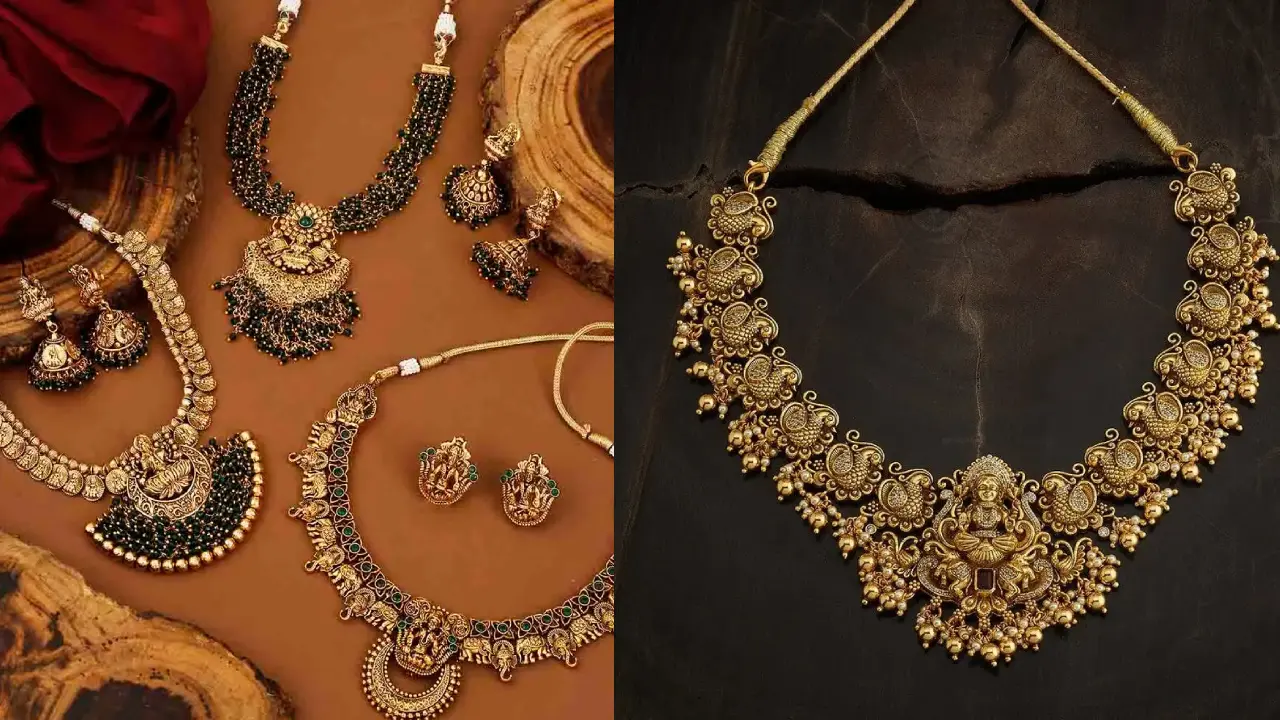
Temple Jewellery Divine Adornment Steeped in Tradition - thumbnail

Temple Jewellery: Divine Adornment Steeped in Tradition

Fashion Courses Interior Design Courses Jewellery Design Courses UI/UI Courses Visual Arts Courses Other Courses OTHER COURSES Contact us Bengaluru Campus 1 : JD School of Design, No. 18-1, Brigade Road, Bengaluru,Karnataka – 560 001. Campus 2 : No. 40, Swan House, 4th Cross, Residency Road, Bengaluru, Karnataka – 560001. +91 9901 999 903 +91 9901 999 904 +91 9480 323 232 jdfashion@jdindia.com Goa Musthtifund Saunstha , Near Mahalaxmi Temple,Dada Vaidya Road, Goa-403001 +91 9606 096 060 +91 9606 048 888 jdfashion@jdindia.com Temple Jewellery: All About Its Origin and Types Temple jewellery, a dazzling display of craftsmanship and rich heritage, transcends mere adornment. It’s a captivating glimpse into the cultural tapestry of India, where devotion meets artistry. Originally gracing the idols of deities in temples, this exquisite jewellery has evolved into a coveted fashion statement, imbued with timeless elegance.       A Legacy Etched in Gold The origins of temple jewellery can be traced back to the 9th-century reign of the Chola dynasty. This era witnessed a cultural renaissance, and temple jewellery blossomed, drawing inspiration from the ornate architecture of South Indian temples. The intricate details and rich sculptures adorning these temples found their way onto jewellery, creating a unique style that continues to enthral today. Beyond the Temple Walls: A Journey of Adornment Temple jewellery wasn’t always restricted to the divine realm. Temple dancers and members of the nobility began incorporating these stunning pieces into their attire. The vibrant colours, intricate designs, and rich symbolism resonated with their cultural identity. Today, temple jewellery enjoys widespread popularity, captivating hearts not just in India but around the world. A Symphony of Materials and Motifs Gold forms the mainstay of temple jewellery, its warm lustre reflecting the opulence of its origins. However, silver and other metals find their place as well, offering a more affordable alternative. The magic unfolds with the embellishments. Precious and semi-precious stones like rubies, emeralds, and sapphires add a touch of brilliance. Pearls lend a timeless elegance, while polki and kundan stones enhance the grandeur. Temple jewellery boasts a captivating repertoire of motifs. From the grace of swans and peacocks to the divine presence of gods and goddesses, these designs tell stories steeped in mythology and tradition. Floral patterns like lotus blooms symbolize purity and enlightenment, while intricate geometric designs add a touch of complexity. A Dazzling Array of Adornments Temple jewellery offers a treasure trove of options to accentuate your beauty. Here’s a glimpse into some of the most captivating pieces: Necklaces and Chokers: Worn to accentuate the neck and add a touch of grandeur, temple necklaces and chokers are adorned with gemstones and pearls. Representing prosperity and embodying the essence of Goddess Lakshmi, these pieces are a must-have for any festive occasion. Haram Temple Jewellery: Long chains, known as harams in South India, are a quintessential part of temple jewellery. Often adorned with strings of gold coins, intricate floral patterns, or even rudraksha stones and Hindu deity figures, these chains add a touch of regal elegance. Temple Jewellery Waistbands: Primarily worn by dancers and brides, these waistbands are embellished with gemstones and often feature tinkling bells, adding a touch of rhythmic grace. Crafted in gold or gold-plated metal, they cinch the waist and accentuate the feminine form. Temple Jewellery Armlets: Traditionally a symbol of status for brides, temple armlets are designed with exquisite craftsmanship. Often shaped like a temple sanctum with Goddess Lakshmi at the centre, they add a touch of divinity to the bridal attire. Temple Hair Accessories: From elaborate maang tikas to delicate jhoomar, temple hair accessories are a vision in gold-plated silver. Encrusted with precious stones and pearls, they add a touch of traditional charm to a bride’s or dancer’s ensemble. Temple Toe Rings: Delicately designed with gemstones and often featuring figurines of gods or goddesses, temple toe rings add a touch of elegance to the feet. Traditionally crafted from silver, they complete the adornment of a woman. Wearing Temple Jewellery with Panache Temple jewellery finds its most natural home at weddings, where jhumkas and kamarbandh reign supreme. But its versatility extends far beyond. When paired with traditional attire like sarees, lehengas, or salwar kameez, it creates a breathtaking symphony of culture and elegance. Lighter accessories like pendants, necklaces, or haath-phools can add a touch of contemporary flair. Don’t be afraid to experiment! Temple jewellery can add a touch of ethnic charm to a western outfit. A pair of statement jhumkis or a delicate temple ring can be the perfect way to express your unique style. So, the next time you seek jewellery that transcends mere adornment, delve into the world of temple jewellery. Let its rich history, intricate craftsmanship, and timeless beauty elevate your look and connect you to a cultural legacy that continues to inspire.

Cotton’ The Wonderful: A Natural Fibre for Everyday Life

‘Cotton’ The Wonderful: A Natural Fibre for Everyday Life

Fashion Courses Interior Design Courses Jewellery Design Courses UI/UI Courses Visual Arts Courses Other Courses OTHER COURSES Contact us Bengaluru Campus 1 : JD School of Design, No. 18-1, Brigade Road, Bengaluru,Karnataka – 560 001. Campus 2 : No. 40, Swan House, 4th Cross, Residency Road, Bengaluru, Karnataka – 560001. +91 9901 999 903 +91 9901 999 904 +91 9480 323 232 jdfashion@jdindia.com Goa Musthtifund Saunstha , Near Mahalaxmi Temple,Dada Vaidya Road, Goa-403001 +91 9606 096 060 +91 9606 048 888 jdfashion@jdindia.com For centuries, cotton, a fluffy and soft staple fibre, has been an essential part of human existence. This natural fibre is obtained from the cotton plant’s seedpods and is not only incredibly comfortable but also possesses a multitude of highly versatile properties. Composition and Characteristics Cotton fibres, which are mostly composed of the complex carbohydrate cellulose, are prized for their strength, resilience, and breathability. In addition, they are wrinkle-resistant, hypoallergenic, soft, and absorbent by nature. Cotton is also UV-resistant and biodegradable, making it a green option. Types of Cotton Upland cotton, the most widely grown type, is used in a vast array of products. Pima cotton, known for its long fibres and softness, is often used in high-end clothing and bedding. Egyptian cotton, with its luxurious feel due to extra-fine fibres, is a popular choice for premium linens. Organic cotton, grown without harmful chemicals, caters to the environmentally conscious consumer. Supima cotton, a brand of Pima cotton grown in the USA, is prized for its strength, softness, and colour retention. Genetically modified BT cotton offers resistance to certain pests, while BCI cotton promotes sustainable farming practices. . . Now let us go into detail about each variety: Cotton fibre comes in a variety of forms, eacwith its ownth special qualities and applications. The main types of cotton fibre are: Textile Craft Upland cotton: The majority of cotton produced globally comes from this variety of cotton, which is grown the most extensively. Many products, such as textiles, apparel, and other household items, are made from upland cotton, which is prized for its high yield. Pima cotton, also known as extra-long staple cotton, is unique from other varieties in that its long fibres give it strength and durability. It is also known for its softness and is often used in high-end clothing and bedding. Egyptian cotton: This variety of cotton is renowned for having very long, fine fibres that give it remarkable softness and durability. It is frequently used in opulent apparel and bedding. Organic cotton: Synthetic fertilisers and pesticides are not used in the cultivation of organic cotton. Since it is regarded as more ecologically friendly, it is frequently used in apparel and other items that are sold as “green” or “eco-friendly.” Supima cotton: This brand refers to the kind of extra-long staple cotton cultivated in the United States. It is regarded as one of the world’s best cotton fibres and is prized for its durability, softness, and ability to hold colour. BT cotton: A gene from the bacterium Bacillus thuringiensis (BT) has been inserted into BT cotton, a kind of genetically modified (GM) cotton. This gene generates a toxin that destroys some pests, like the bollworm, that feed on cotton plants. Better Cotton Initiative (BCI) cotton: BCI cotton is water- and pesticide-efficient, sustainably grown cotton. Because it lessens the negative effects of cotton production on the environment, this cotton is also renowned for its environmental sustainability. Cultivation and Uses Cotton thrives in warm climates with ample sunlight. After planting and nurturing the seedlings, the cotton plant produces bolls containing the precious fibres. These fibres are then harvested, cleaned, and processed into yarn for a vast array of applications. Cotton’s versatility is unmatched. From clothing like t-shirts, jeans, and dresses to home textiles such as bed sheets, towels, and linens, cotton is an essential part of our everyday lives. It is used in industrial products like ropes and canvas, personal care items like cotton swabs and bandages, and even high-quality paper products like currency and fine art paper. Cotton’s applications extend to automotive upholstery, footwear inner soles, furniture cushions, agricultural bags, packaging materials, and much more. Properties of Cotton: Softness: Cotton fibres are naturally soft and comfortable to the touch, making them ideal for clothing, bedding, and other household items. Absorbency: These fibres are highly absorbent, which means they can hold a large amount of water. This makes cotton fabrics breathable and comfortable to wear. Strength: They are strong and durable, which means they can withstand repeated washings and wear. Hypoallergenic: Cotton fibres are hypoallergenic, which means they are less likely to cause allergic reactions. Resistant to wrinkles: Cotton fibres are naturally wrinkle-resistant, which means they can maintain their shape even after being washed or worn. Biodegradable: Cottons are biodegradable, which means they can break down naturally in the environment. UV-Resistant: Cotton fibres have natural UV resistance and can block out some of the harmful rays of the sun. Easy to dye: They are easy to dye, which means it can be coloured in different ways, making it versatile and suitable for a variety of clothing. Low lint: Cotton fibres have low lint, which means they are less likely to leave fibres behind when washed or worn. Renewable Resource: Cotton is a renewable resource and is grown in many parts of the world. Cultivation of Cotton Fibre:Cotton is a warm-season crop that is typically grown in regions with long growing seasons, abundant sunlight, and moderate to high temperatures. The primary regions for cotton cultivation include the southern United States, China, India, Pakistan, and Brazil. The cultivation of cotton begins with the planting of seedlings in well-prepared fields. The seeds are usually planted in rows and are spaced apart to allow for proper growth and development. Once the seedlings have emerged, they are irrigated and fertilised to promote healthy growth. As the cotton plants mature, they begin to produce clusters of white or yellow flowers. These flowers then give way to the cotton bolls, which are the seedpods of

Advice for your next fashion job based on your fashion designer portfolio

Advice for your next fashion job based on your fashion designer portfolio

Fashion Courses Interior Design Courses Jewellery Design Courses UI/UI Courses Visual Arts Courses Other Courses OTHER COURSES Contact us Bengaluru Campus 1 : JD School of Design, No. 18-1, Brigade Road, Bengaluru,Karnataka – 560 001. Campus 2 : No. 40, Swan House, 4th Cross, Residency Road, Bengaluru, Karnataka – 560001. +91 9901 999 903 +91 9901 999 904 +91 9480 323 232 jdfashion@jdindia.com Goa Musthtifund Saunstha , Near Mahalaxmi Temple,Dada Vaidya Road, Goa-403001 +91 9606 096 060 +91 9606 048 888 jdfashion@jdindia.com Advice for every fashion designer: It’s not a novel idea to use portfolios to get employment in the fashion industry. For years, fashion designers have shared their portfolios in hopes of getting their ideal position. Still, it seems like there are unanswered issues about the process of creating a fashion design portfolio. The most often requested questions are: What is the ideal length for a portfolio? Is it better to present a portfolio digitally or as a physical item you can hold? Decide for your own comfort!  How many collections ought you to distribute? At Beyond Talent, we have a great deal of portfolio experience. As experts in the field of fashion design, we understand what makes a portfolio shine, appear polished, and make an impression that will help you land the job. We’re here to help you achieve your professional goals by providing advice on how to build a fashion designer portfolio for your upcoming position. Let’s make your best creation yet! A portfolio of a fashion designer is what? It’s critical that the two different sorts of portfolios remain distinct from one another. There is your personal portfolio, which comprises all of the collections you are proud of and displays your whole career as a fashion designer. The next thing you need to prepare when applying for a job is a specific portfolio. To determine whether you are the best candidate to be recommended for an interview, the recruiter will review your portfolio, which is customised for the position you are interested in. Below are some specifics on the two categories of portfolios: Type 1 Designer Portfolio: Individual Portfolio What you bring to an interview is your personal portfolio. It showcases the talents you have honed and features collections you have made during your career as a designer. You might have a specialty, like knitwear, in which case your own portfolio will reflect it. Alternatively, your knowledge in a range of design and trend domains ought to be demonstrated throughout. Type 2 Designer Portfolio: Particular Portfolio Following an initial discussion about a role, a recruiter or firm may request that you share a specific portfolio. You put together this portfolio in an attempt to get an interview. It has nothing to do with your interview attire. The best collections you have that fit the kind of role you are aiming for should be on display. If the job is for a jersey, for instance, your greatest jersey design work will be included in your portfolio. Now that you are aware of the kind of fashion designer portfolio you ought to put up for your next position, let’s talk in more detail about the contents of each one. Make a portfolio of your work as a fashion designer for your next job. Each fashion portfolio should be unique. A professional portfolio serves as a display for you, your concepts, your originality, and your vision. Make sure to showcase your unique style and individuality, but don’t forget to keep your work samples professionally done. The businesses you are applying to must be certain that your designs can be manufactured and marketed. However, avoid having your work become less creative as a result. Make sure your true creative self is still evident. Every kind of portfolio must adhere to the same structure: A succinct overview Idea mood boards along with your creations A technical drawing of a challenging item (such as a coat or pair of trousers) should be sent with your application if you’re seeking a fast-fashion position in order to demonstrate your skill. Naturally, your portfolio will be different if you’re looking for a position as a head designer. Since head designers supervise a team of designers rather than producing their own work, they should showcase the final collections they created in your portfolio along with catwalk and photoshoot images. For further information on each of the elements that should be included in a personal and specific portfolio, see below: 1. Give a succinct introduction first. Try to keep your introduction to no more than seven lines. It should describe the rationale, intent, and sources of inspiration behind your collections, as well as what the viewer of your portfolio might anticipate finding within. You can include extra information about yourself as a designer in the introduction you write for your personal portfolio, but don’t overdo it. Don’t write too much. 2. Incorporate idea mood boards It’s crucial to use mood boards to describe the ideas that drove your collections. This will demonstrate your work style and creativity to employers and recruiters. Add illustrations, photos, fabric swatches, colour palettes, and textile designs. You just need to allocate one or two pages to your concepts; any more, and your portfolio runs the risk of becoming overly lengthy. PARTICULAR MOOD BOARD PRESENTATION IN YOUR PORTFOLIO 3. Display your outfit creations Display your designs with crisp illustrations and images of your completed collections. To tie the entire appearance and feel of your collection together, use hand-drawn silhouettes, show off how your items look when paired with other outfits, and incorporate motivational photos. Employers specialising in high-end luxury brands will expect to see preliminary sketches of your final ideas. But in addition to your sketches, fast-fashion retailers will also want to see your designs made in Illustrator or InDesign. When showing your designs, it is vital that you incorporate your finest work. Employers will use this information to determine whether or not your abilities and style fit their business. 4. Exchange

How Do You Convince Your Parents To Take Up A Particular Course (3)

How Do You Convince Your Parents To Take Up A Particular Course?

Fashion Courses Interior Design Courses Jewellery Design Courses UI/UI Courses Visual Arts Courses Other Courses OTHER COURSES Contact us Bengaluru Campus 1 : JD School of Design, No. 18-1, Brigade Road, Bengaluru,Karnataka – 560 001. Campus 2 : No. 40, Swan House, 4th Cross, Residency Road, Bengaluru, Karnataka – 560001. +91 9901 999 903 +91 9901 999 904 +91 9480 323 232 jdfashion@jdindia.com Goa Musthtifund Saunstha , Near Mahalaxmi Temple,Dada Vaidya Road, Goa-403001 +91 9606 096 060 +91 9606 048 888 jdfashion@jdindia.com The senior secondary and higher secondary exams will soon be finished, and like all students, you must be considering your course of study. It makes sense that you would be confused. Taking the call for your higher education gets tiring because there are so many fantastic opportunities in diverse fields and industries. Furthermore, when you and your parents are unable to come to an agreement, the situation gets even more complicated. Many students follow their parents’ or guardians’ wishes and become professionals in that field. But frequently, students discover they have a preference for other fields and lose interest in the course they are taking. Although students are aware of their passion, they occasionally follow the herd and fail to share it with their elders. Nobody benefits from it in such a situation, and it also creates more difficulties for them in the future. We are going to talk to every student in the room today whose goals differ from their parents’ and who is looking for a way to encourage them to follow their passions. We can exchange a few of the following advice: 1. Provide a special pitch: Your parents send their warmest regards. Even though they only have your best interests in mind, they occasionally disregard them. Convince them to enrol in a particular course by utilising your inventiveness. Select a tactic that is critical to the field of study you want to concentrate on. Should you have aspirations of pursuing careers in design, fashion, music, or other industries, do not hesitate to showcase your creative side through a presentation. It is merely an idea. There is always the chance to experiment with creativity.  2. Display Your Enthusiasm: Your parents will always be fond of your passion. Demonstrate to them your enthusiasm for the course and your commitment to it. Everyone engages in passion. Instead of having an honest conversation about your course, the curriculum, and how it will shape your parents,. your course openly, how it is going to shape you and what the curriculum involves. We are sure that they will melt down. 3.Career Opportunities: There are times when your parents are not aware of the career opportunities that you’ll have if you choose a particular course. Pedagogy has changed over the years. Don’t expect your guardians to understand it on their own. Talk to them and tell them about the jobs that you will be getting after the completion of your degree. Help them understand the market demand and how you would benefit from it. 4. Financial Talk: Finances play a major role in choosing a course. If your course has a practical approach, then fees are going to be a bit high, but with that, the curriculum also exposes you to your future industry and market, along with imparting the essential knowledge to lead in that field. Moreover, give them a glimpse of your expected salary after the completion of your course.  5. Introducing influential names: Showing the luminaries of the field where you want to make your mark will always help you convince your parents to let you take the course of your interest. If your inspiration is an acquaintance, ask them to talk to your parents and show them the scope of your course and how it will build a successful future for you. 6.Seeking Their Involvement Involve your parents in the decision-making process to foster a sense of collaboration and mutual respect. Seek their input and feedback, demonstrating that you value their opinions and perspectives. Encourage open dialogue and actively listen to their concerns, demonstrating empathy and understanding. Collaboratively exploring potential compromises or alternative solutions can foster a sense of shared ownership and support. 7.Addressing Concerns Proactively Anticipate and address potential concerns your parents may raise. Be prepared to discuss aspects such as the course’s affordability, duration, or relevance in the job market. Provide reassurances and practical solutions to mitigate any apprehensions they may have. Offering to share responsibility for the financial burden or exploring flexible study options can alleviate their worries. 8.Understanding Their Perspective Before diving into the discussion, it’s essential to empathise with your parents’ concerns and viewpoints. Recognise that their apprehensions may stem from a place of love and protection. Common worries could include financial implications, the relevance of the course, or potential risks involved. Acknowledging their perspective lays the foundation for a constructive dialogue. Conclusion Convincing your parents to support your educational endeavours requires patience, empathy, and effective communication. By understanding their concerns, conducting thorough research, and articulating your passion and commitment, you can navigate this conversation successfully. Remember, parental support not only provides financial stability but also emotional encouragement, empowering you to pursue your educational dreams with confidence and conviction. Embrace this opportunity to engage in meaningful dialogue with your parents, fostering understanding, trust, and shared enthusiasm for your educational journey ahead. Whenever you are taking a call about your future studies, do consider your inclination. If you are not interested in a particular course, it will bring you challenges in the long run. Your future depends on your education and learning. If you are passionate about a particular domain, you will always be determined to work on it and give it a new direction. Your zeal will always pull you back from monotony and help you grow every day.