Category: Graphic Design

Top Graphic Design Trends of 2024

Top Graphic Design Trends of 2024

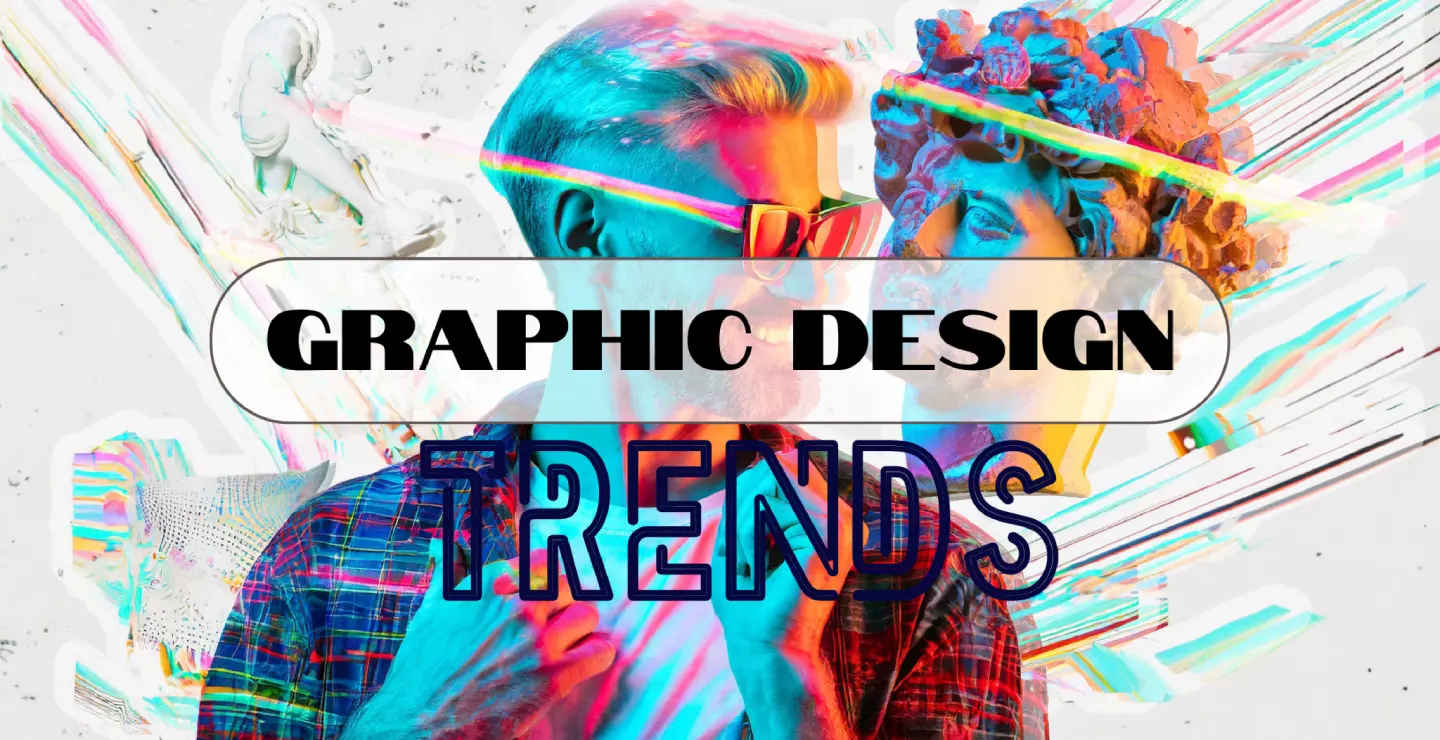
Fashion Courses Interior Design Courses Jewellery Design Courses UI/UI Courses Visual Arts Courses Other Courses OTHER COURSES Contact us Bengaluru Campus 1 : JD School of Design, No. 18-1, Brigade Road, Bengaluru,Karnataka – 560 001. Campus 2 : No. 40, Swan House, 4th Cross, Residency Road, Bengaluru, Karnataka – 560001. +91 9901 999 903 +91 9901 999 904 +91 9480 323 232 jdfashion@jdindia.com Goa Musthtifund Saunstha , Near Mahalaxmi Temple,Dada Vaidya Road, Goa-403001 +91 9606 096 060 +91 9606 048 888 jdfashion@jdindia.com In the fast-paced world of graphic design, staying ahead of the curve is crucial. In a world where first impressions matter more than ever, the role of graphic design in shaping brand identity and marketing strategies cannot be overstated. From the moment a consumer lays eyes on a logo to the scrolling through social media feeds, every visual element is a chance for brands to make a lasting impression. As we dive deeper into 2024, it’s essential to keep an eye on emerging trends that shape the industry’s landscape. From futuristic aesthetics to nostalgic nods, here are the top graphic design trends to watch out for this year. 1. Cyberpunk Revival: In 2024, the cyberpunk aesthetic continues to captivate designers and audiences alike. Characterised by neon hues, dystopian imagery, and futuristic elements, this trend brings a sense of technological immersion to graphic design projects. Whether it’s sleek interfaces or gritty cityscapes, expect to see cyberpunk-inspired visuals making a bold statement across various platforms. 2. Nostalgic Vibes: While we look towards the future, there’s also a noticeable trend of embracing nostalgia in graphic design. From retro typography to vintage colour schemes, designers are infusing their work with elements reminiscent of bygone eras. This blend of old and new creates a sense of familiarity and comfort, resonating with audiences across generations. 3.Sustainable Design: With environmental consciousness on the rise, sustainable design practices are gaining momentum in 2024. From eco-friendly packaging to minimalist layouts, designers are prioritising sustainability in their creative process. Expect to see more emphasis on renewable materials, minimalist aesthetics, and eco-conscious messaging in graphic design this year. 4.Augmented Reality Experiences: As technology continues to advance, augmented reality (AR) is becoming increasingly integrated into graphic design. Brands are leveraging AR to create immersive experiences that blur the lines between the digital and physical worlds. Whether it’s interactive advertisements or virtual product demonstrations, AR adds a new dimension to graphic design, allowing for innovative storytelling and engagement. 5.Fluid and Organic Shapes: In contrast to rigid geometries, fluid and organic shapes are gaining popularity in 2024. Inspired by nature, these shapes bring a sense of movement and dynamism to design compositions. Whether it’s abstract illustrations or flowing typography, expect to see designers embracing the beauty of organic forms in their work this year. 6. Minimalistic Typography: In 2024, less is more when it comes to typography. Minimalistic fonts with clean lines and ample white space are gaining popularity in graphic design. Whether it’s sleek sans-serif typefaces or elegant handwritten scripts, minimalistic typography adds a sense of sophistication and clarity to design compositions. 7. 3D Illustrations and Renderings: With advancements in technology, 3D illustrations and renderings are becoming increasingly prevalent in graphic design. From product visuals to architectural concepts, designers are leveraging 3D modelling software to create lifelike representations that captivate audiences. This trend adds depth and realism to design projects, offering a new dimension of creativity and visual storytelling. 8.Inclusive Design Practices: In 2024, inclusivity is not just a buzzword but a guiding principle in graphic design trends. Designers are embracing inclusive design practices to ensure that their work is accessible to people of all abilities and backgrounds. This includes considerations such as colour contrast for readability, alternative text for images, and user-friendly interfaces that accommodate diverse needs. 9.Interactive Design Elements: In 2024, interactivity is taking centre stage in graphic design. Designers are incorporating interactive elements such as animations, microinteractions, and scroll-triggered effects to engage users and enhance user experience. From playful hover effects to immersive parallax scrolling, interactive design elements add a layer of dynamism and engagement to digital interfaces and websites. 10. Mixed Media Collages: Blending various visual elements and textures, mixed media collages are making a comeback in graphic design. By combining photographs, illustrations, typography, and digital textures, designers create eclectic compositions that tell compelling stories and evoke emotions. This trend celebrates diversity and experimentation, allowing designers to push the boundaries of creativity and self-expression. 11. Bold and Vibrant Color Palettes: In 2024, graphic design is embracing bold and vibrant colour palettes that command attention. From electric neons to rich jewel tones, designers are opting for hues that make a statement and leave a lasting impression. Whether it’s striking gradients or monochromatic schemes with a pop of colour, bold colour choices add energy and personality to design projects. 12. Sustainable Branding and Packaging: As consumers become more environmentally conscious, sustainable branding and packaging are becoming essential considerations for businesses. In 2024, graphic designers are collaborating with brands to create eco-friendly packaging solutions that reduce waste and promote sustainability. From recyclable materials to minimalist designs that prioritise functionality, sustainable branding is not just a trend but a necessity in today’s market. Graphic design trends are the silent hero behind every successful brand, weaving together aesthetics and strategy to create memorable brand experiences. By harnessing the power of design, brands can captivate audiences, foster emotional connections, and ultimately drive business growth in today’s competitive landscape. FAQs: How do I incorporate sustainable design into my projects?You can start by using eco-friendly materials, minimizing waste, and opting for digital alternatives whenever possible. Additionally, consider incorporating sustainability messaging into your designs to raise awareness among your audience. Is cyberpunk suitable for all types of graphic design projects?While cyberpunk aesthetics are versatile, they may not align with every brand or project. It’s essential to consider your target audience and brand identity before incorporating cyberpunk elements into your designs. What tools can I use to create augmented reality experiences?There are various AR development platforms and

How to Build a Graphic Design Portfolio for Beginners

How to Build a Graphic Design Portfolio for Beginners?

Fashion Courses Interior Design Courses Jewellery Design Courses UI/UI Courses Visual Arts Courses Other Courses OTHER COURSES Contact us Bengaluru Campus 1 : JD School of Design, No. 18-1, Brigade Road, Bengaluru,Karnataka – 560 001. Campus 2 : No. 40, Swan House, 4th Cross, Residency Road, Bengaluru, Karnataka – 560001. +91 9901 999 903 +91 9901 999 904 +91 9480 323 232 jdfashion@jdindia.com Goa Musthtifund Saunstha , Near Mahalaxmi Temple,Dada Vaidya Road, Goa-403001 +91 9606 096 060 +91 9606 048 888 jdfashion@jdindia.com If you’re an aspiring student setting forth with graphic designing and or a self-starter looking to expand your practice, having an online graphic design portfolio is your most powerful weapon. Not only is it a place for the designer to demonstrate their best work, but it is a place for clients to get in touch with designers, review their projects, ask questions, and get a sense of their approach and style. As a graphic designer, having a visually stunning portfolio can help you stand out in the competitive and crowded domain, highlighting your unique style and creativity. Even so, as a beginner, you must be stumped on how to make a graphic design portfolio. Well, worry not! Let’s dive into what makes a great portfolio, as well as graphic design portfolio ideas that help you get started to make your own. Putting Together the Graphic Design Portfolio for Beginners Let’s break down the steps to create a compelling and attractive portfolio for beginners that help them attract potential clients: 1. Do a Bit of Research Source: Pexels Before you start putting together your creative portfolio design, how about engaging in a bit of research? Check out some graphic design portfolio examples and what those designers have done. Have they picked out a specific theme or probably a consistent colour scheme? What kind of project are they uploading? Have they stuck to a specialisation? How is their navigation playing out? Taking it a step ahead, enquire: What doesn’t make their website attractive? Are you overwhelmed with too many project displays? Or do you feel something is lacking? Considering other’s graphic design portfolio sample, come up with a list casting light on what features you want to add to yours and what things you wish to avoid. 2.Think About your Audience If your graphic design portfolio doesn’t click with your intended audience, what’s the point of exerting yourself? With this titbit, ensure to picture your target audience as you design the portfolio to help guide your approach and choices. Best graphic design portfolios are a great way to sell your work to a client or as part of the bid for a project. As such, if you’re trying to sell your design, consider adding a shop extension to your website. This way, visitors can buy your design without having to move to another website. Even if you’re looking for a gig, make it easy for potential customers or clients to contact you by inserting an email form on the portfolio website. Additionally, if the people that you are targeting are in the advertising industry, let your portfolio showcase similar work samples, such as social media campaigns or billboard designs. 3. Pick the Right Template or Layout The layout of the portfolio is pretty much everything. If the visitors don’t find your website attractive and accessible on the first go, they won’t make an effort to visit again. As a newbie, don’t focus on making something really fancy to impress potential clients. Rather take the minimal route by picking a graphic design portfolio template with a white background or muted colours. It will do your work justice by presenting it simply and cohesively, complementing the beauty and intricacies of your design. Choose a template that speaks to your professional and personal style. Make certain further that your portfolio is easy to navigate and user-friendly. 4. Highlight your Best Work While you may think it’s a good idea to create as many content pieces for your portfolio as possible, it’s not always the case. One of the best tips for designing a graphic design portfolio for beginners is to pick quality over quantity. As you dive into organizing your design portfolio, it’s important that you are picky about which work to include. Be selective and mindful of the design work, as it represents your talent and will be a comprehensive space to learn more about you as a designer. 5.Categorize your Design Work By Type or Project Breaking your design work down into relevant heads will make it easy for visitors to click through your portfolio to confirm your necessary experience and design approach to different projects. It is further an excellent way to highlight your competency to work around different design themes and reflect yourself as a well-rounded professional. Make a list of all the design work that you have completed and will like to include in the portfolio site. Now see if they can be categorized by types such as branding, social media graphics, or marketing campaigns. As such, when a client looks for a logo designer, for instance, they will be thrilled to learn that you can have an entire section dedicated to logos and other brand elements that you have created for various businesses. 6. Add Case Studies or Project Work How do graphic designers showcase their work? Case studies are the most straightforward answer to this question. It gives the viewer a glimpse of how you think and approach a design project. You can demonstrate how you take a project from idea to execution by showcasing the brainstorming process of a product design, perhaps raw sketches or mockups. This takes gives a clear picture to potential clients about you as a graphic designer which is more than stills of visuals could ever offer. 7. Include Bio & Contact Details Make it pretty easy for clients to get in touch with you about projects or gigs by including a contact page with your relevant details, such as

Color Psychology: Understanding the Impact of Color on Emotions and Behavior

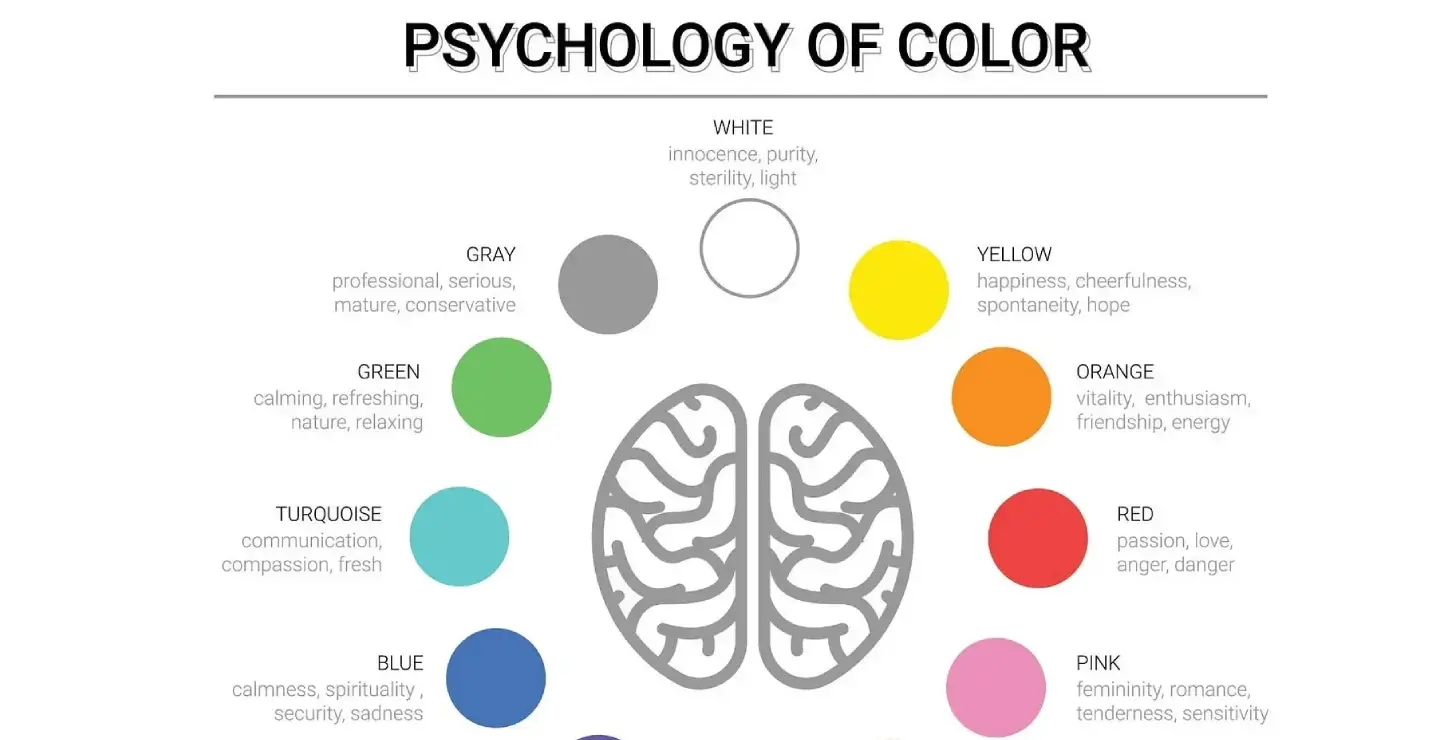
Fashion Courses Interior Design Courses Jewellery Design Courses UI/UI Courses Visual Arts Courses Other Courses OTHER COURSES Contact us Bengaluru Campus 1 : JD School of Design, No. 18-1, Brigade Road, Bengaluru,Karnataka – 560 001. Campus 2 : No. 40, Swan House, 4th Cross, Residency Road, Bengaluru, Karnataka – 560001. +91 9901 999 903 +91 9901 999 904 +91 9480 323 232 jdfashion@jdindia.com Goa Musthtifund Saunstha , Near Mahalaxmi Temple,Dada Vaidya Road, Goa-403001 +91 9606 096 060 +91 9606 048 888 jdfashion@jdindia.com Medium Color Psychology: Introduction Color Psychology is a fundamental aspect of the human experience, influencing our emotions, behavior, and even our physical well-being. The study of color psychology delves into the impact of different colors on human emotions and behavior, shedding light on the powerful role that color plays in our daily lives. From marketing and design to therapeutic settings, understanding the psychological and physiological effects of color can have a profound impact on how we perceive and interact with the world around us. Serena Archetti The Psychological Impact of Color Color psychology explores the idea that different colors evoke distinct emotional responses. For example, red is often associated with passion, energy, and excitement, while blue is linked to calmness, trust, and stability. These associations are deeply rooted in our biology and cultural experiences. Research has shown that certain colors can stimulate the release of specific neurotransmitters in the brain, leading to distinct emotional and physiological responses. Moreover, the use of color in marketing and branding has been shown to influence consumer behavior, with certain colors being associated with specific emotions and influencing purchasing decisions. For instance, the color red is often used to create a sense of urgency and excitement, while blue is frequently employed to convey trust and reliability. Understanding these associations can help businesses create effective branding strategies and connect with their target audience on an emotional level. Toptal The Behavioral Influence of Color In addition to its impact on emotions, color psychology also plays a significant role in influencing behavior. Studies have found that the color of a room can influence people’s behavior, with warm colors such as red and orange promoting social interaction and energy, while cool colors like blue and green can encourage relaxation and focus. The strategic use of color in interior design can be leveraged to create specific moods and atmospheres within a space, whether it’s a calming bedroom or an energizing office. Furthermore, the impact of color on behavior extends to healthcare settings, where color psychology can be utilized to create healing environments that promote relaxation and well-being. Hospitals and healthcare facilities often employ soothing colors such as soft blues and greens to create a sense of calm and comfort for patients and their families. Understanding the behavioral influence of color can help in designing spaces that support the well-being and emotional needs of individuals. Medium The Physical Well-being and Color Research has found that exposure to certain colors can have a measurable impact on our physiological responses, such as heart rate, blood pressure, and even the release of stress hormones. This has led to the use of color therapy in holistic healing practices, with the belief that certain colors can promote healing and balance in the body. For instance, the color blue is often associated with a sense of tranquility and is used in color therapy to help reduce stress and anxiety. Visme Conclusion In conclusion, color psychology is a fascinating and multidimensional field that explores the impact of color on human emotions, behavior, and physical well-being. From influencing consumer behavior to creating healing environments, the strategic use of color can have a profound impact in a variety of settings. By understanding the psychological and physiological effects of color, we can harness its power to create positive and impactful experiences in our daily lives. Whether it’s in marketing, design, or healthcare, the study of color psychology provides valuable insights into how we can use color to enhance our emotional well-being and improve our quality of life.

The Difference Between Graphic Design and Illustration All you need to know

Illustration vs Graphic Design: All that you need to know!

Fashion Courses Interior Design Courses Jewellery Design Courses UI/UI Courses Visual Arts Courses Other Courses OTHER COURSES Contact us Bengaluru Campus 1 : JD School of Design, No. 18-1, Brigade Road, Bengaluru,Karnataka – 560 001. Campus 2 : No. 40, Swan House, 4th Cross, Residency Road, Bengaluru, Karnataka – 560001. +91 9901 999 903 +91 9901 999 904 +91 9480 323 232 jdfashion@jdindia.com Goa Musthtifund Saunstha , Near Mahalaxmi Temple,Dada Vaidya Road, Goa-403001 +91 9606 096 060 +91 9606 048 888 jdfashion@jdindia.com Illustration vs Graphic Design: All that you need to know Illustration vs Graphic Design is a topic that needs a spotlight in today’s time. And also the saying goes, “A picture is worth a thousand words.” Using images in your communications can help you easily get your point across. Images grab attention and express meaning effectively. It’s no surprise that visual content is big in marketing. 64% of marketers think visuals are either essential to their marketing strategy. Regardless of your business, visual content can help you establish a clear brand identity and image. Whether you need product packaging, infographics for social media, or visuals in your marketing strategy, graphic design can help you stand out from your competitors. If your business is more creative, illustration can help you bring your message, story, or vision to life by grabbing your audience’s attention. Even though visual communication has a big impact, people often overlook the elements of its creation. This leads to the common assumption that graphic design and illustration are the same. But there are key differences between the two. Understanding what sets these visual fields apart helps us recognize the unique function of each. These differences are important for both professionals and hiring managers to know. So, let’s dive deeper into the descriptions of graphic design and illustration, the key differences between them, how and when to combine them, and which is better suited for your next project. About Illustration:  Design Hill Illustrations are all about visually depicting content, whether it’s a story, an idea, or a concept. There are different types, like drawings, paintings, crafts, and digital illustrations. Each type has its unique features and uses. For example, drawings can be done in pencil, ink, or charcoal, and digital art allows for a lot of flexibility. Paintings can be done in acrylic, watercolor, or gouache, and digital options can mimic traditional styles. Illustrative crafts involve sculpting, paper crafts, textile crafts, and more, each requiring specific techniques.  About Graphic Design Design Hill Graphic design uses images, text, and color to create visual content that effectively conveys a message to its audience. Unlike illustration, which aims to express an idea or story simply, graphic design focuses on communicating in a way that motivates its target viewers to take action. There are two main mediums for graphic design: digital and print. Print design covers anything printed or created on physical surfaces like paper, flyers, posters, billboards, business cards, and packaging. Digital design includes web design, apps, user experience, and social media marketing. Digital graphics can be static or include movements like animation, motion graphics, or interactive design. The field of graphic design is diverse and extensive, with different types to meet various business and project needs.  Illustration vs. graphic design: the differences Illustration and Graphic Design are different in a few key ways. Graphic design is more about communication and is often used for commercial purposes, while illustration is more about storytelling and leans towards the fine arts. But there’s more to it than that. Both fields have their own design principles, techniques, and uses. Graphic design is great for creating visual content for businesses, like posters, infographics, logos, and ads. Illustration, on the other hand, is better suited for artistic endeavours like film and book covers, comics, storyboards, and children’s books. Graphic design is about prompting action, while illustration is more about evoking emotions in the audience. Source: Upwork Now you know the difference between Illustration and graphic designing. To gain much more knowledge in these two fields all you need is to get under the wings of the right teacher. And here at JD Institute of Design, we have just the right ones. Connect with us and learn all about our Graphic designing and Illustration courses. 

Sketching Fundamentals & Learning For Beginners In The Fields - Thumbnail

Sketching Fundamentals & Learning For Beginners In The Fields

Fashion Courses Interior Design Courses Jewellery Design Courses UI/UI Courses Visual Arts Courses Other Courses OTHER COURSES Contact us Bengaluru Campus 1 : JD School of Design, No. 18-1, Brigade Road, Bengaluru,Karnataka – 560 001. Campus 2 : No. 40, Swan House, 4th Cross, Residency Road, Bengaluru, Karnataka – 560001. +91 9901 999 903 +91 9901 999 904 +91 9480 323 232 jdfashion@jdindia.com Goa Musthtifund Saunstha , Near Mahalaxmi Temple,Dada Vaidya Road, Goa-403001 +91 9606 096 060 +91 9606 048 888 jdfashion@jdindia.com Do you like going to art galleries? Are you always in awe of the variety of paintings and drawings that are on display and wondering how you could make them yourself? Drawings are the pop art that have always been prized. The nice aspect is that sketching is all about technique and doesn’t require a wide variety of tools. Understanding the fundamentals of sketching is essential for anyone working in the design field, whether that field is fashion, interior, product, UI/UX, jewellery, or something entirely else. You draw your thoughts before working on them whenever you are brainstorming. Additionally, you can employ the art form to give your design depth and contour. In order to give your artwork life, especially if you have only recently begun to create art, you must be conversant with the principles of sketching. Pexels Simplifying figures, sketching outlines, and comprehending light and shade are examples of fundamental drawing techniques. By breaking down complex structures into their most basic components and then reconstructing them, one can achieve accurate proportions and perspective. A classic sketch typically emphasises the overall feeling as well as the overall composition and design of the piece. These sketches are typically done for the artist’s personal use, but occasionally, in the setting of a bottega (studio-shop) production, when an artist would hire numerous assistants, the master would create sketches for pieces that would be finished by others. Functional sketching types are mostly three. The first, commonly called a croquis, is meant to serve as a reminder to the artist of a sight or event that he has observed and would like to capture on canvas for posterity. In the second, a pochade, he captures the overall feelings and atmospheric effects of a landscape, typically in colour. The third kind relates to portraiture and observes a potential sitter’s expression, head turn, or other physical attributes. Fashion sketching: people, fashion looks, and accessories. It is used mainly for illustrations or magazines, e.g., for brand promotion. It helps designers during the first stages of the creation of their collections and helps introduce changes. Pexels Industrial design sketching is probably the most well-known and popular branch of sketching. Obviously, industrial designers created it; a good illustration is car sketching. In this case, all sketches are made with great speed and confidence. Cross-hatching and Hatching The two terms that are sometimes confused for adding value to a sketch are hatching and cross-hatching. Non-crossing lines are drawn during the hatching process to add texture to the picture. Lines are drawn based on the light source and the depth the artist wants to achieve. There are many lines depicting the darker area, whereas there are fewer lines with gaps on the brighter side. The same effect is achieved with cross-hatching, except the lines cross in a crisscross pattern. It provides the zone depth and produces a contour appearance in the sketch. Stippling In stippling, the artist uses dots to create a picture. The varying application of dots produces depth, shadows, and highlights. Dots are arranged closely and densely to give depth. Stippling requires patience and attention to detail in sketching technique. Smoothness is crucial for stippling. Throughout the stippling process, apply the same amount of pressure to the pen or pencil. The secret to drawing captivating sketches is accuracy. Scumbling Blending and smudging are essential components of sketching. It gives your sketch some shade. Smudge or blend gives the sketch a smooth finish and aids in the creation of a gradient. Artists use sticks called “blending stumps” to soften the lines drawn with charcoal and pencil to add depth and interest to their work. Additionally, stumping aids in forming the object’s shape. For a smudged appearance, your fingertips can also be used. Finishing: During rendering, rubber is used to provide lighter values in the picture. Artists typically use erasers to create a highlight effect after darkening and smearing. The process of rendering also aids in projecting the object in a specific direction. It also aids in determining the light source’s direction. Sketching should come in handy for you as a designer and artist. It efficiently conveys the feeling that the artist is seeking to convey with the fewest resources. You should be familiar with the angles and pencils that you would use to draw a sketch, in addition to the fundamental sketching techniques. Additionally, it is advised that you cover the area on which you are not working with another piece of paper to prevent stains and smudges from appearing on your sketch. In order to produce a dynamic and vibrant image, artists blend different approaches to create a texture, which is crucial in sketching. The JDSD Institute offers several courses that cover the fundamentals of sketching. Additionally, the institute holds a number of courses on sketching techniques where masters in the field share their knowledge.

Visual Merchandising in Retail Stores - Window Display

Visual Merchandising in Retail Stores – Window Display

Fashion Courses Interior Design Courses Jewellery Design Courses UI/UI Courses Visual Arts Courses Other Courses OTHER COURSES Do you have more questions? Read our FAQ Contact us Bengaluru Campus 1 : JD School of Design, No. 18-1, Brigade Road, Bengaluru,Karnataka – 560 001. Campus 2 : No. 40, Swan House, 4th Cross, Residency Road, Bengaluru, Karnataka – 560001. +91 9901 999 903 +91 9901 999 904 +91 9480 323 232 jdfashion@jdindia.com Goa Musthtifund Saunstha , Near Mahalaxmi Temple,Dada Vaidya Road, Goa-403001 +91 9606 096 060 +91 9606 048 888 jdfashion@jdindia.com Visual Merchandising in Retail: The Power of Store Display Windows Visual Merchandising makes retail store windows silent salespeople, and they work 24/7 to attract customers and entice them into your store. Visual merchandising, which is the art of strategically displaying products and props to create an appealing and memorable experience, is essential in making your windows sing like a silent siren. Source: Instituto Marangoni The Importance of Effective Window Displays Effective window displays can: Increase foot traffic: A well-designed display can stop shoppers in their tracks and draw them into your store. Boost brand awareness: Your window display is an opportunity to showcase your brand personality and values. Highlight key products: Use your windows to promote new arrivals, seasonal items, or special offers. Create a positive brand image: A professional and visually appealing display reflects well on your brand. Source DFU Publications Key Elements of Visual Merchandising in Store Windows: There are several key elements to consider when creating effective window displays: Theme: Choose a theme that is relevant to your brand, target audience, and the season. Product selection: Carefully curate the products you want to showcase, ensuring they are visually appealing and representative of your brand. Mannequins and props: Use mannequins and props to create interesting scenes and tell a story. Lighting: Use lighting to highlight key products and create a mood. Signage: Keep signage clear, concise, and informative.   Tips for Creating Successful Window Displays Here are some additional tips for creating successful window displays: Keep it simple: Don’t overcrowd your display. Less is often more. Use a focal point: Draw the eye to a key product or element in your display. Consider the sightlines: Make sure your display can be seen from different angles and distances. Change your displays regularly: Keep your windows fresh and interesting by changing them up frequently. Track your results: Monitor the impact of your window displays on foot traffic and sales. By following these tips and using your creativity, you can create window displays that will stop shoppers in their tracks and drive sales for your business. Effects of a Successful Window Display: Window displays can often make or break a person’s perception of a brand, Eye-catching, visually exciting window displays can entice people to explore inside a retail space whilst dull, uninspiring displays can lead them to keep walking and ignore the store altogether. Retailers need to design effective window displays to drive traffic into their stores. It’s a unique form of advertising that defines a store and gives the consumer an idea of what the brand is all about. Window displays are also an excellent way of increasing brand awareness more widely by sparking conversations between shoppers and attracting attention from media outlets, bloggers, and online influencers. Research published in the Journal of Retailing and Customer Services highlighted how the information communicated by a store’s window display has a direct, prominent impact on the decisions and shopping behaviors of consumers and revealed how product-focused displays are the most effective when it comes to generating sales. Main Types of Window Displays: As we have mentioned, there are many different types of window displays. Each brand will have different goals, approaches, and resources, all of which will be reflected in the style of display they use. The most appropriate one for a particular brand will depend entirely on the following factors: Target market Store location Window size Products being displayed Brand identity Intelistyle The main types of window displays used by retailers are: Closed window displays Semi-closed window displays Open window displays Elevated window displays Corner window displays Island window displays Shadowbox window displays Open Window Display   Open window displays have no walls or panels behind the mannequins or merchandise to allow passers-by to see through the display itself and into the main store area beyond. Open windows are an excellent choice for retailers that are keen to showcase other product displays within the store or for brands that provide exciting in-store experiences. By enabling shoppers to get glimpses of what’s on offer inside, open window displays can prove to be an ultra-effective way of tempting people through the doors. Conclusions Window displays are one of the most important aspects of retail design and visual merchandising strategies. They are proven to capture the attention of shoppers and entice them into a store to explore the products and services within before making a purchase. With proper planning and innovative designs, window displays can effectively boost brand awareness and footfall. Unlock Your Visual Merchandising Potential: JD Design Institute empowers you to become a visual maestro with its comprehensive course offerings: Certificate Course in Visual Merchandising: Gain the fundamentals of creating impactful displays, exploring color, lighting, composition, and product storytelling. Diploma in Visual Merchandising: Deepen your knowledge with advanced techniques, covering trend analysis, window display design, and space planning. Advanced Diploma in Visual Merchandising: Become an industry expert, diving into retail branding, marketing strategies, and omnichannel visual merchandising. Visual merchandising is an art and a science. With the right training and a creative spark, you can transform retail spaces into powerful sales engines and unforgettable brand experiences. Ready to unleash your visual magic? Explore JD Design Institute’s visual merchandising courses and embark on your journey to retail success!