
Category: Design Blogs

Future Forward Brilliance Takes Centre Stage JD Design Awards 2024 Powered by Arjunaa Jewellers

Future Forward Brilliance Takes Centre Stage: JD Design Awards 2024 Powered by Arjunaa Jewellers

Fashion Courses Interior Design Courses Jewellery Design Courses UI/UI Courses Visual Arts Courses Other Courses OTHER COURSES Contact us Bengaluru Campus 1 : JD School of Design, No. 18-1, Brigade Road, Bengaluru,Karnataka – 560 001. Campus 2 : No. 40, Swan House, 4th Cross, Residency Road, Bengaluru, Karnataka – 560001. +91 9901 999 903 +91 9901 999 904 +91 9480 323 232 jdfashion@jdindia.com Goa Musthtifund Saunstha , Near Mahalaxmi Temple,Dada Vaidya Road, Goa-403001 +91 9606 096 060 +91 9606 048 888 jdfashion@jdindia.com The JD Design Awards 2024 witnessed a powerful display of not just future-forward brilliance but also a commitment to nurturing the next generation of design leaders. At the heart of this mission were Arjunaa Jewellers, a multi-generational Indian brand with over 60 years of experience known for its exquisite craftsmanship and dedication to quality Arjunaa Jewellers‘ director, Mr Vinod Jain, was a distinguished presence at the event. He was felicitated by Mr Nealesh Dalal, Managing Trustee of JD Institute of Fashion Technology and Founder of JD School of Design. This exchange symbolised the shared vision of fostering the next generation of design leaders. Arjunaa Jewellers‘ commitment extended beyond mere sponsorship. The brand’s co-directors, Mr. Gaurav and Mr. Jayesh, played a pivotal role in the ceremony, presenting the winning students with their well-deserved awards. This act of recognition further underscores Arjunaa’s dedication to encouraging young talent and propelling their careers. Arjunaa Jewellers showcased a stunning collection of traditional jewellery at the JD Design Awards. They prioritise quality and craftsmanship, ensuring every piece is an ‘ode to the best’. From traditional gold and gemstones to modern, lightweight designs, Arjunaa caters to all tastes. They aspire to redefine people’s perception of jewellery, proving that luxury doesn’t have to be synonymous with heavy or expensive pieces. The JD Design Awards 2024 served as a testament to the transformative power of collaboration. With Arjunaa Jewellers actively involved, the event provided a platform for young designers to showcase their design prowess. This collaborative spirit promises a bright future of design and empowers creative minds. The JD Design Awards 2024, powered by Arjunaa Jewellers, wasn’t just a runway showcase; it was a launchpad for the future of design, pulsed with energy as rising design stars presented their captivating collections. These collections, encompassing both fashion and jewellery, showcased a fusion of breathtaking aesthetics and a clear vision for the future of design. Utilising unexpected materials, the young designers defied expectations, proving that fashion and jewellery can be both innovative and stunning.  The event buzzed with industry veterans, influencers, and leading media, all scouting for the next generation of design stars. Held on June 29th at The Den Bengaluru, the JDDA 2024 successfully served as a testament to the transformative power of fostering young talent and futuristic design practices. The JD Design Awards 2024 left a lasting impression. It wasn’t just the dazzling display of talent, but the unwavering commitment to futuristic design. These rising stars proved that design can be a powerful force for positive change. The event successfully intertwined innovation with environmental responsibility, paving the way for a creative future in the design industry.  

Elevating Creativity A Journey Through UIUX Design

Elevating Creativity: A Journey Through UI/UX Design

Fashion Courses Interior Design Courses Jewellery Design Courses UI/UI Courses Visual Arts Courses Other Courses OTHER COURSES Contact us Bengaluru Campus 1 : JD School of Design, No. 18-1, Brigade Road, Bengaluru,Karnataka – 560 001. Campus 2 : No. 40, Swan House, 4th Cross, Residency Road, Bengaluru, Karnataka – 560001. +91 9901 999 903 +91 9901 999 904 +91 9480 323 232 jdfashion@jdindia.com Goa Musthtifund Saunstha , Near Mahalaxmi Temple,Dada Vaidya Road, Goa-403001 +91 9606 096 060 +91 9606 048 888 jdfashion@jdindia.com Introduction: In the present world, which is the world of technologies and creations in the digital environment, it has become very difficult to define and differentiate whether art and science are two different things, even in the case of related fields such as UI/UX design. Thus, the activity of ui/ux designs is most crucial to human-computer interaction, as it is a ui/ux design job to dictate the direction of a user’s interaction online. This article examines the specifics of focusing on UI/UX design based on the peculiarities of the explored field, the significance of the discussed work, and the nature of the creative process. Understanding UI/UX Design UX/UI design is a process that can be divided into two connected but different activities in the design of digital products. Computing departments are divided into sub-departments where UI (User Interface) design has responsibilities for interface patterns and graphics. This includes issues like the color and type of fonts and, in general, the outlook of the product. On the other hand, UX (User Experience) design deals with the utilitarian nature of an item, which makes it possible for the users to use the item in the manner shown above. There are various levels of UX design, some of which are, but are not limited to, topics such as UX research, wireframing, prototyping, and user and testing. It is thus possible to speak about a process of successive approximations as a guarantee of not only the aesthetic aspect but also the satisfaction of the consumers with the functionality of the final product. The Role of UX Research At the heart of the process of efficient UX design, one has to address such questions as UX research. This crucial process is a fundamental activity that focuses on the user’s needs, tasks, and dissatisfactions. UX research is rather abstract, but it implies the collection of primary data and the usage of quantitative and qualitative techniques like the survey, the interview, and usability testing. It ensures that the final result complies with the user’s vision, thereby fostering satisfaction. There seems to be more of a cycle to UX research, whereby it is done constantly all through the developmental phases. Overall, users’ feedback is essential because this way designers can implement gradual changes and improvements to improve the overall comprehensive user experience. Collaborating with Web Design Firms Gathering tips for the creation of a successful digital product involves seeking the services of a web design company or web design firm. These organizations’ primary focus is the provision of web design services that include both UI/UX design as well as development. Thus, while contracting out web design, businesses get the competence of their products in terms of usability and aesthetically pleasing designs. A web design company usually provides web design services, which could involve support from a web development agency, the professional services of a landing page designer, or the establishment of appealing-looking websites. Such services are useful to any company that wants to penetrate the market with an online platform and reach out to potential customers. The Importance of Good Looking Websites In cyberspace, particularly, one is judged by the first look. Good looking websites not only bring in visitors from the word ‘go’ but also keep them intrigued. From the findings, it is evident that aspects of the website design affect users’ perceptions and determinants of behavior. It is thus plausible that the structured presentation of information on the home page would give an impression of professionalism, trustworthiness, and credibility, thus persuading people to act according to what is wanted from them. Hence, good-looking websites require the services of UI/UX designers. This means that by integrating the aesthetic aspects with the usability features, it becomes possible for designers to come up with interfaces that not only look and feel great but are also, in equal measure, useful and meaningful to the user. The Power of a Strong Web Portfolio For the designers and agencies out there, having a great website portfolio is crucial these days if you want to score more clients. A web portfolio is a working resume that brings copies of prior work done and presents how the designer handles UI/UX design. When a designer shows a great variety of materials, he can gain a reputation among others and become an authority in the industry. An efficiently selected web portfolio should not only exemplify the functionality and skills of the designer but also their imagination and creativity. This way, it informs the prospective clients of the designer’s approach and thus assists them in choosing between a web design company and an independent designer.. The Role of a Web Development Agency UI/UX design involves aesthetics and interactions in the digital product, but a web development agency is tasked with the technical aspects of the project. These agencies are involved in the coding and programming sectors, where creativity on the part of the designer is put to work by creating wonderful designs that are also functional websites and applications. Developers have a close interface with designers to ascertain that the final output has been developed according to design requirements and design expectations on the side of the user. In essence, a web development agency’s role consists of making UI/UX design a reality for end-users. Understand that their knowledge of coding formats, databases, and server-side languages guarantees that the end product is optimally engineered to provide efficient interaction with users. Crafting Effective Landing Pages Among the particular examples of UI/UX design and development interaction is

Styling-and-Photographing-Jewellery-Capturing-the-Allure-4-scaled

Styling and Photographing Jewellery: Capturing the Allure

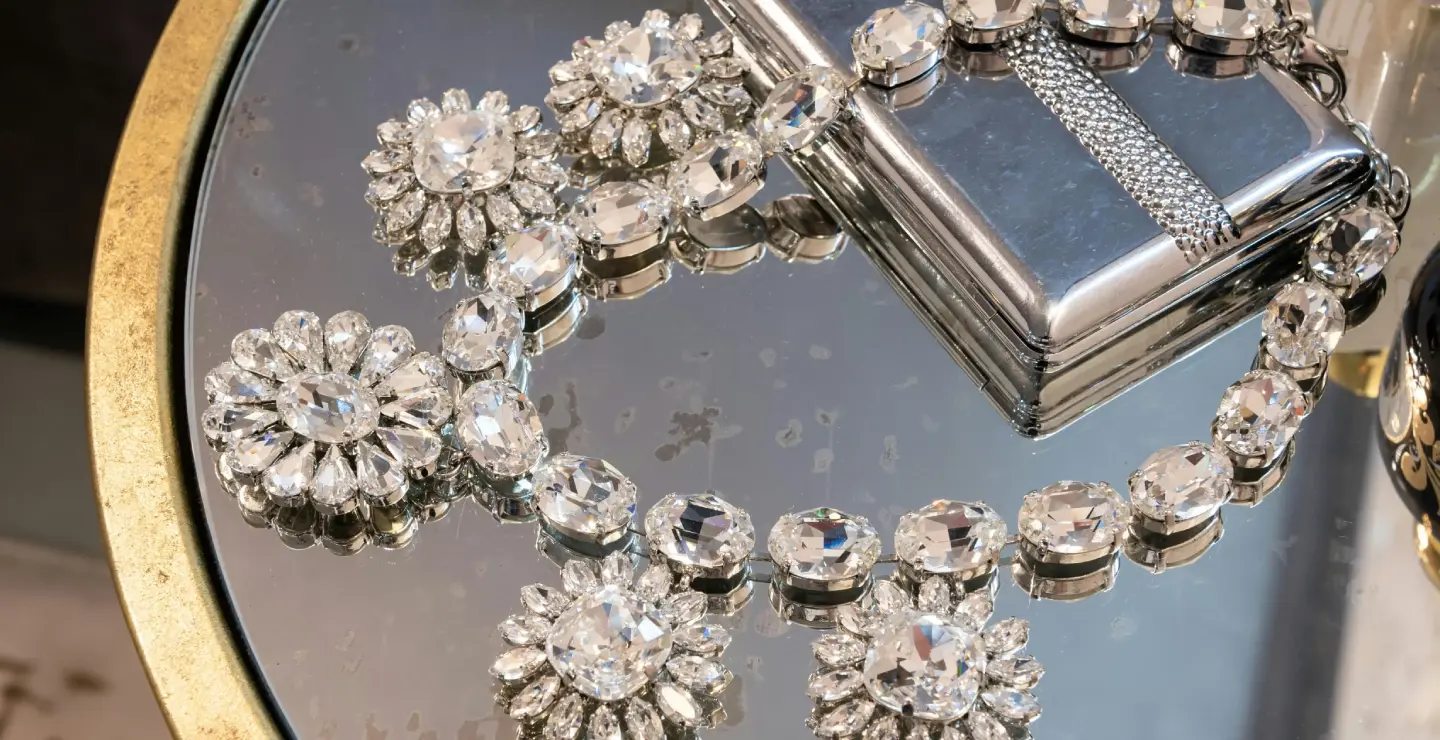
Fashion Courses Interior Design Courses Jewellery Design Courses UI/UI Courses Visual Arts Courses Other Courses OTHER COURSES Contact us Bengaluru Campus 1 : JD School of Design, No. 18-1, Brigade Road, Bengaluru,Karnataka – 560 001. Campus 2 : No. 40, Swan House, 4th Cross, Residency Road, Bengaluru, Karnataka – 560001. +91 9901 999 903 +91 9901 999 904 +91 9480 323 232 jdfashion@jdindia.com Goa Musthtifund Saunstha , Near Mahalaxmi Temple,Dada Vaidya Road, Goa-403001 +91 9606 096 060 +91 9606 048 888 jdfashion@jdindia.com In the world of jewellery, translating its essence into captivating photographs is paramount for successful presentation and marketing. This article explores the symbiotic relationship between jewellery styling and photography. It delves into the key considerations for jewellery styling, from understanding the target audience and brand identity to selecting props and backdrops. The technical aspects of jewellery photography are also addressed, encompassing lighting techniques, camera settings, and composition strategies. Finally, the article discusses post-processing techniques and best practices for showcasing jewellery in a compelling and informative manner. Jewellery has adorned humanity: For millennia, jewellery has adorned humanity, transcending mere decoration. It embodies cultural significance, personal expression, and artistic vision. Yet, effectively communicating this essence to potential customers requires more than just the jewellery itself. Styling and photography play a crucial role in translating a piece’s beauty and functionality into a compelling visual narrative. This article explores the art and science of capturing jewellery’s allure through effective styling and photography. Understanding the Audience and Brand Identity: The Foundation The foundation of successful jewellery photography begins with understanding your target audience. Are you catering to a clientele drawn to classic elegance or bold, modern statements? Identifying their preferences informs every aspect, from styling choices to the overall mood of the photographs. Think about their lifestyle, aspirations, and the emotions you want to evoke. Next, consider your brand identity. What emotions and values does your jewellery represent? Is it playful and whimsical, or sophisticated and timeless? Aligning your styling and photography with your brand narrative creates a cohesive and recognizable aesthetic. For example, if your brand embodies a vintage Parisian vibe, photographs might feature delicate gold chains draped across a well-worn leather book against a backdrop of antique lace. Jewellery Styling: Setting the Stage for Allure The art of jewellery styling involves meticulously arranging the piece to showcase its finest attributes. Here are some key considerations: Props and Backdrops: Storytelling Through Details Props can elevate a photograph by adding context and storytelling. For instance, a vintage ring might be placed on a velvet cushion nestled amongst antique books, hinting at a rich history and heirloom quality. A modern, geometric necklace could be displayed against a backdrop of clean lines and bold colours, reflecting its contemporary aesthetic. Backdrops should complement the jewellery without overshadowing it. Clean, white backgrounds offer a versatile option, ideal for showcasing intricate details. Textured surfaces like marble or wood can add depth and a touch of luxury, particularly for more rustic or organic pieces. Consider incorporating natural elements like flowers, feathers, or gemstones to further enhance the mood and theme. Scale and Proportion: Creating a Sense of Reality Jewellery is inherently small, and photographs require careful attention to scale. Utilise macro lenses to capture intricate details, or incorporate a hand or mannequin to provide a sense of size. Consider photographing the jewellery alongside a familiar object, like a pen or a ruler, for an immediate size reference. Experiment with different angles and perspectives to create a sense of dynamism. Movement and Layering: Adding Dynamism Static images can appear flat. Introduce elements of movement by draping chains or ribbons, mimicking the way the jewellery would flow when worn. Experiment with layering necklaces of varying lengths to create visual interest and showcase the versatility of a piece. Consider using invisible thread to suspend earrings or pendants, creating a sense of weightlessness and intrigue. Lighting the Stage: Illuminating the Essence Effective lighting is the cornerstone of jewellery photography. Harsh, direct light creates unflattering glare and harsh shadows that obscure the details and brilliance of the piece. Opt for natural light whenever possible, positioning the jewellery to highlight its sparkle and texture. If using artificial light, employ diffusers to create soft, even illumination. Experiment with different lighting setups to achieve the desired effect. For instance, backlighting can emphasize the translucency of gemstones, while sidelighting can highlight the texture and depth of a hand-forged piece. Consider using colored gels to introduce subtle pops of color or create a specific mood. Capturing the Light: Technical Aspects of Jewellery Photography Camera Settings: Precision for Clarity A sturdy tripod is essential to ensure camera stability and prevent blurry images. Utilize a high aperture (f/8 or higher) to achieve a deep depth of field, ensuring the entire piece remains sharp, from the clasp to the most delicate detail. Adjust the ISO depending on lighting conditions, aiming for the lowest possible setting to minimize noise and graininess in the final image. White balance should be set to accurately represent the jewellery’s true colors, whether the warm tones of gold or the cool brilliance of platinum. Explore using tethered shooting, which allows you to view the image Composition: Guiding the Eye Strategic composition guides the viewer’s eye and emphasizes the jewellery. The rule of thirds, where the frame is divided into a 3×3 grid, offers a helpful guideline for placing the jewellery off-center for a more dynamic and visually appealing composition. Experiment with close-up, detail shots that showcase intricate craftsmanship or unique gemstones. Include wider shots featuring the jewellery worn by a model to provide a sense of scale and context. Consider the model’s posture, expression, and overall look to ensure they complement the jewellery and brand identity. Post-Processing: Enhancing the Image, Not the Reality While in-camera techniques are crucial, post-processing software offers valuable tools to refine the final image. Basic adjustments like cropping, brightness, and contrast can significantly improve the photograph’s clarity and appeal. However, avoid excessive editing that misrepresents the jewellery’s true colors and details. Aim for

The Enduring Allure A Guide to Caring for Jewellery Across Material Types

The Enduring Allure: A Guide to Caring for Jewellery Across Material Types

Fashion Courses Interior Design Courses Jewellery Design Courses UI/UI Courses Visual Arts Courses Other Courses OTHER COURSES Contact us Bengaluru Campus 1 : JD School of Design, No. 18-1, Brigade Road, Bengaluru,Karnataka – 560 001. Campus 2 : No. 40, Swan House, 4th Cross, Residency Road, Bengaluru, Karnataka – 560001. +91 9901 999 903 +91 9901 999 904 +91 9480 323 232 jdfashion@jdindia.com Goa Musthtifund Saunstha , Near Mahalaxmi Temple,Dada Vaidya Road, Goa-403001 +91 9606 096 060 +91 9606 048 888 jdfashion@jdindia.com Jewellery, adorning humanity for millennia, transcends mere adornment. It serves as a marker of social status, a symbol of cultural identity, and a repository of sentimental value. However, these treasured pieces require proper care to maintain their beauty and integrity across generations. This article delves into the diverse world of jewellery materials, exploring the specific cleaning and storage techniques necessary for their preservation. It emphasizes the importance of understanding material properties to implement effective care regimes. Additionally, the article addresses professional cleaning methods and considerations for heirloom jewellery. Jewellery, a ubiquitous element of human adornment: It boasts a rich history intertwined with cultural practices, artistic expression, and personal significance. From the intricate goldwork of ancient Egypt to the contemporary brilliance of diamonds, jewellery transcends function, becoming a cherished symbol of identity, status, and sentimentality. This article provides a comprehensive guide for jewellery enthusiasts and custodians of heirlooms. It explores the specific cleaning and storage needs of various jewellery materials, emphasizing the importance of understanding material properties for effective care. The delicate dance between preserving the inherent beauty of a piece and maintaining its structural integrity necessitates a nuanced approach. Understanding Material Properties The foundation of effective jewellery care lies in comprehension of the materials themselves. Here’s a breakdown of commonly encountered jewellery materials and their unique properties: Precious Metals: Gold: A versatile and durable metal, gold comes in various colors (yellow, white, rose) depending on alloy composition. It is generally resistant to tarnish but can be scratched by harder materials. The karat weight (24k being pure gold) determines its softness; lower karat gold is more scratch-resistant but less valuable. Silver: A lustrous metal prone to tarnishing due to its reaction with sulfur in the air. Regular cleaning is essential to maintain its shine. Sterling silver, a common alloy of silver with copper, offers improved durability but remains susceptible to tarnishing. Platinum: A highly durable and hypoallergenic metal, platinum offers excellent resistance to tarnish and scratches. Its natural white color makes it a popular choice for mounting diamonds and other colorless gemstones. Gemstones: Diamonds: Exceptionally hard (10 on Mohs scale of mineral hardness) and resistant to scratches and chemicals, diamonds require minimal special care. Their brilliance can be diminished by a buildup of body oils and dirt, necessitating regular cleaning. Colored Gemstones: These encompass a wide variety, each with varying degrees of hardness and susceptibility to chemicals. Some, like sapphires and rubies (both corundum), are quite hard, while others, like emeralds and opals, are more delicate and require gentler cleaning methods. Organic Materials: Pearls: These delicate gems are formed from layers of nacre secreted by mollusks. They are susceptible to scratching, drying, and acidic environments. Their luster can be dulled by exposure to harsh chemicals, cosmetics, and perspiration. Coral: A porous and relatively soft material, coral requires careful handling and protection from harsh chemicals and extreme temperatures. It is composed of the calcium carbonate skeletons of marine organisms and can be easily scratched by harder materials. Cleaning Techniques for Different Materials General Guidelines: Before delving into specific cleaning techniques, some general principles apply to most jewellery care: Avoid harsh chemicals: Always remove jewellery before showering, swimming, or applying harsh chemicals like household cleaners or cosmetics. Chlorine in swimming pools and harsh chemicals in cleaning products can damage certain metals and gemstones. Warm water and mild soap: Use a soft bristled brush and lukewarm water with a mild dish soap for routine cleaning. This gentle method is suitable for most jewellery materials. Opt for a soap that is free of perfumes, dyes, and harsh detergents. Rinsing and drying: Rinse thoroughly with clean water to remove any soap residue. Pat dry with a soft, lint-free cloth to prevent water spots. Avoid using paper towels, which can scratch delicate surfaces. Specific Care Considerations: Beyond these general guidelines, specific cleaning techniques are recommended for different materials: Gold: A gentle homemade solution of warm water and dish soap is sufficient for most gold jewellery. For heavily soiled pieces or intricate designs with clasps or hinges, a professional ultrasonic cleaning might be recommended. Ultrasonic cleaning utilizes high-frequency sound waves to dislodge dirt and debris from hard-to-reach areas. However, consult a jeweler before using ultrasonic cleaning on antique or fragile jewellery, as the vibrations might damage them. Silver: Silver tarnishes readily, and regular cleaning is crucial to maintain its shine. A silver polishing cloth is an effective way to remove tarnish. These clothes are typically impregnated with a mild abrasive and polishing agent. For heavily tarnished pieces, a paste of baking soda and water can be used. Apply the paste with a damp cloth, rubbing gently in circular motions. Rinse thoroughly with clean water and dry completely. Platinum: Similar to gold, a mild soap solution or a professional ultrasonic cleaning can be used for platinum jewellery. Platinum is generally resistant to tarnish, but dirt and grime buildup can dull its shine. Diamonds: Due to their exceptional hardness, diamonds can be cleaned with a solution of warm water and dish soap and a soft brush. This gentle method removes dirt and body oils that can impede their brilliance. Avoid using harsh chemicals or abrasive cleaners, as they can damage the setting or scratch the polish of the diamond. Colored Gemstones: Consult a jeweler or gemologist for specific cleaning instructions for colored gemstones. Some, like sapphires and rubies, are quite hard and can be cleaned with a mild soap solution similar to diamonds. Others, like opals and turquoise, are more delicate and porous. Opals can be damaged

Latest Fabric Trends for 2024 What Every Fashion Designer Should Know

Latest Fabric Trends for 2024: What Every Fashion Designer Should Know

Fashion Courses Interior Design Courses Jewellery Design Courses UI/UI Courses Visual Arts Courses Other Courses OTHER COURSES Contact us Bengaluru Campus 1 : JD School of Design, No. 18-1, Brigade Road, Bengaluru,Karnataka – 560 001. Campus 2 : No. 40, Swan House, 4th Cross, Residency Road, Bengaluru, Karnataka – 560001. +91 9901 999 903 +91 9901 999 904 +91 9480 323 232 jdfashion@jdindia.com Goa Musthtifund Saunstha , Near Mahalaxmi Temple,Dada Vaidya Road, Goa-403001 +91 9606 096 060 +91 9606 048 888 jdfashion@jdindia.com The fast changing trends in fashion fabrics have as the main drivers of the industry. As we head into 2024, fashion designers looking forward to creating fashionable and updated designs must keep pace with the latest fabric trends. Sustainability, technology integration, and unique textures are the primary concerns this year. This blog highlights some Latest fabric trends for 2024 that every fashion designer must be aware of to gain an insight into what materials will dominate tomorrow’s fashion industry.   Fashion industry is being revolutionised by new fabric trends which not only serve as aesthetically appealing but also address sustainability and technological advancements. These trends signify realisation of environmental impact issues, digital influence as well as preference of distinctive and tactile experiences. Therefore let us familiarise ourselves with latest fabric trends 2024 and how they will shape future attitudes towards designing. Sustainable Fabrics: The Cornerstone of 2024 Organic Cotton and Linen Being sustainable fabrics themselves, organic cotton along with linen remains at the forefront. They do not require synthetic pesticides or fertilisers hence are environmentally friendly to eco-aware consumers. Recycled Fabrics Recycled polyester and nylon made from plastic bottles used by people earlier on or fishing nets that were thrown away are being popularised. These fabrics aim at reducing waste while conserving natural resources, hence aligned with the circular fashion movement within the sector. Bamboo Fabric Bamboo fabric is known for its softness, breath ability and antibacterial properties. It grows very fast without any requirement for pesticides therefore it is a common choice among sustainable fabrics due to its high renewable rate. Technologically Enhanced Fabrics Smart Textiles Smart textiles is a term that denotes digital components and electronics embedded in the fabrics. Some of such things may include clothes that monitor heart beat rates or change colours according to the mood of a person wearing them. Thus technology is being included in fashion, paving the way for new fabric  design opportunities. Biodegradable Fabrics These types of fabrics are designed to decompose naturally after they have served their purpose, thus reducing landfill waste. Examples of this innovation include biodegradable polyester and mycelium-based fabrics which are made from mushrooms’ root system. Performance Fabrics Originally popularised in sportswear, performance fabrics have started appearing in regular wear as well. Among key features offered by such substances are moisture-wicking ability, UV protection and temperature control to enhance comfort and functionality. Unique Textures and Aesthetic Appeal Velvet and Velour In 2024 velvet alongside velour will be making a strong comeback with an added element of luxury touch as well as plush feel that has been used widely from evening wear to casual wear. Iridescent Fabrics Iridescent fabrics that appear differently depending on how light falls on them are increasingly becoming the latest fabric trends 2024 among fashion fabrics. These futuristic looking clothes add more dynamism through their colour changing effect thereby allowing for statement pieces. Textured Knits Versatility plus comfort makes textured knits popular among many people nowadays. They provide interesting visual and tactile experiences appropriate for both casual outfits and formal dressing occasions . Natural Fibres and Blends Hemp Hemp is an eco-friendly fabric that is becoming popular because it’s sustainable and strong. Known for its durability, breathability, and ability to grow in adverse climates with minimal resources, hemp also becomes famous nowadays by blending it with other fibres. Tencel An environment friendly fibre made from wood pulp, Tencel is known for being soft and has the ability to wick moisture away from the skin. It is usually mixed with other materials to make them more comfortable and long-lasting. Silk Blends Silk blends are made by combining silk with other natural or artificial fibres; thereby giving a silk like feel while increasing the strength of the material and reducing cost. These blended fabrics would be ideal for creating stylish yet resilient clothes. The Role of Colour and Pattern Digital Prints Digital printing technology enables printing colourful designs which were hard-to-get previously hence this has led designers to love digital prints very much due to their less wastefulness and customizability. Earth Tones and Natural Dyes Earth tones and natural dyes are new trendy fabrics as they reflect a move towards more organic colour palettes because these colours resonate well with the current fashion industry’s drive towards sustainability as well as natural beauty. Bold Geometrics Bold geometric patterns are making an impact on fabrics in many ways in 2024—they add that modern artistic flair for high fashion as well as everyday wear outfits. Fabric trends for next year point at significant change toward going green, technical fusion together different textures meant to be one of a kind in the fashion industry. To maintain relevance and innovation levels among fashion designers, there is a need to grasp these latest in fabric  trends while incorporating them into their work such as smart textiles versus organic cottons that now feature new fabric (iridescent) including recycled ones, expanding their horizons and getting excited by the infinite possibilities. FAQs How can fashion designers incorporate sustainability into their designs? Fashion designers can use eco-friendly materials in their designs such as organic cotton, bamboo, and recycled materials. They can also employ a circular fashion model, minimise waste during production, and adopt sustainable practices. 2. What are smart textiles, and how are they used in fashion? Smart textiles refer to digitally integrated cloth material. Such features allow the garments to monitor body temperature for example when worn or changes colours through an app as well as other functionalities like moisture control or

Tips on buying gemstones

Tips on buying gemstones

Fashion Courses Interior Design Courses Jewellery Design Courses UI/UI Courses Visual Arts Courses Other Courses OTHER COURSES Contact us Bengaluru Campus 1 : JD School of Design, No. 18-1, Brigade Road, Bengaluru,Karnataka – 560 001. Campus 2 : No. 40, Swan House, 4th Cross, Residency Road, Bengaluru, Karnataka – 560001. +91 9901 999 903 +91 9901 999 904 +91 9480 323 232 jdfashion@jdindia.com Goa Musthtifund Saunstha , Near Mahalaxmi Temple,Dada Vaidya Road, Goa-403001 +91 9606 096 060 +91 9606 048 888 jdfashion@jdindia.com Gemstones have captivated humanity for millennia, their beauty, rarity, and symbolism holding a powerful allure. From adorning the crowns of royalty to gracing personal jewelry collections, these natural treasures have transcended cultures and eras. Whether for personal adornment, a thoughtful investment, or a connection to a birthstone or astrological tradition, acquiring gemstones can be a rewarding experience. However, navigating the often-complex world of gems requires knowledge and informed decision-making. This article equips the burgeoning gemstone enthusiast with a practical guide, exploring key factors to consider when selecting these natural wonders. The Four Cs: A Cornerstone for Gemstone Evaluation The value and quality of a gemstone are primarily determined by four key characteristics, often referred to as the “Four Cs”: Color: This is arguably the most critical factor for most buyers. Each gemstone variety boasts a natural color spectrum, but desirability often leans towards vibrant, saturated hues with excellent uniformity. For instance, a deep red ruby with a pigeon-blood hue commands a higher price compared to a paler pink ruby. Some gemstones exhibit pleochroism, where the color appears to change depending on the viewing angle. Alexandrite, for example, displays a greenish-blue hue in daylight but transforms to a reddish-purple under incandescent light. Understanding a gemstone’s natural color range and any treatments that may have enhanced its appearance is crucial. Treatments like heat can intensify color saturation in sapphires, but the stability of such treatments should be considered. Cut: The cut refers to the way a gemstone has been shaped and polished to maximize its brilliance, fire, and scintillation. A well-cut gem optimizes light reflection, resulting in a dazzling play of light and color. Light entering a well-cut stone undergoes refraction, bending and separating into its component colors, which then exit the stone as a mesmerizing display of brilliance and fire. Fire refers to the flashes of color, often red, orange, and yellow, that appear within the gemstone. Scintillation is the sparkle or play of light that dances across the stone’s surface. The ideal cut varies depending on the gemstone’s inherent properties. Round cuts are popular for diamonds, maximizing brilliance due to their ability to reflect a high percentage of light. Emerald cuts, with their elongated octagonal shape and stepped facets, flatter stones with superior clarity, like emeralds, showcasing their depth of color. A poorly cut stone can appear dull and lifeless, failing to capture the inherent beauty of the gemstone. Clarity: This attribute assesses the presence or absence of inclusions (internal flaws) and blemishes (external imperfections) within the gemstone. Inclusions can be crystals, feathers (cracks filled with a foreign substance), or clouds (nebulous concentrations of microscopic inclusions). Blemishes can be scratches, chips, or pits on the surface of the stone. Gemstones with minimal inclusions are generally considered more valuable. However, some inclusions can be characteristic of a particular variety and may not significantly affect value. For example, “rutile silk” inclusions, which appear as fine, needle-like crystals, are often seen in sapphires and can even be considered desirable by some collectors, as they can add a silky sheen to the stone. Understanding the nature, size, and location of inclusions is crucial. Large, visible inclusions can detract from the beauty and brilliance of the stone, while microscopic inclusions may have little to no impact. Carat Weight: This refers to the weight of a gemstone, measured in carats (1 carat = 0.2 grams). Larger gemstones are generally rarer and more expensive, but carat weight alone is not the sole determinant of value. A smaller, high-quality stone with exceptional color, cut, and clarity may be more valuable than a larger stone with inferior characteristics. For instance, a well-cut 1-carat sapphire with a vibrant blue color and excellent clarity might be more coveted and valuable than a 2-carat sapphire with a dull color and significant inclusions. Beyond the Four Cs: Diving Deeper for Informed Decisions While the Four Cs provide a solid foundation for gemstone evaluation, a discerning buyer should delve deeper to make informed decisions: Origin: The geographical source of a gemstone can influence its value and properties. For instance, Colombian emeralds are renowned for their vibrant green color with a bluish hue, while Burmese rubies are prized for their exceptional clarity and intense red color. Understanding the origin can also provide context for ethical sourcing practices, a growing concern for many consumers. Certain regions may have a long history of mining a particular gemstone variety, and these stones may command a premium due to their established reputation. For example, Ceylon sapphires from Sri Lanka are known for their exceptional clarity and vibrant colors. Treatments: Many gemstones undergo treatments to enhance their color, clarity, and durability. Treatments can range from heat treatments to improve color saturation in sapphires and rubies to oiling to reduce surface fractures in emeralds. Some treatments may be permanent, while others may require maintenance or be susceptible to damage over time. It is crucial to be aware of any treatments a gemstone has undergone and their potential impact on value and stability. Reputable sellers should disclose all treatments applied to a gemstone, and buyers should inquire about the specific treatment methods used. For example, some consumers may prefer untreated gemstones, even if they have minor imperfections, while others may be more open to treated stones if the treatment is stable and significantly enhances the beauty of the gem. Lab-Created Gemstones: Technological advancements have led to the creation of gemstones in controlled laboratory settings. These stones possess the same chemical and physical properties as their natural counterparts but at

What Kind of Art is Jewellery

What Kind of Art is Jewellery?

Fashion Courses Interior Design Courses Jewellery Design Courses UI/UI Courses Visual Arts Courses Other Courses OTHER COURSES Contact us Bengaluru Campus 1 : JD School of Design, No. 18-1, Brigade Road, Bengaluru,Karnataka – 560 001. Campus 2 : No. 40, Swan House, 4th Cross, Residency Road, Bengaluru, Karnataka – 560001. +91 9901 999 903 +91 9901 999 904 +91 9480 323 232 jdfashion@jdindia.com Goa Musthtifund Saunstha , Near Mahalaxmi Temple,Dada Vaidya Road, Goa-403001 +91 9606 096 060 +91 9606 048 888 jdfashion@jdindia.com Jewellery occupies a captivating space at the crossroads of art, adornment, and social expression. Its unwavering presence across cultures and throughout history speaks volumes about its multifaceted nature. While undeniably functional in adorning the body, jewellery transcends mere utility to become a rich and intricate art form. This article delves into the artistic merits of jewellery, examining its historical roots, design elements, and the ongoing debate about its place within the fine arts. A Timeless Art Form of Jewellery The origins of jewellery stretch back to the very beginnings of human societies. Evidence suggests the use of beads crafted from shells and bones as early as 100,000 years ago. These early adornments served not only as decoration but potentially also as symbols of status, spiritual beliefs, or group affiliation. Throughout history, jewellery has continued to evolve, reflecting cultural values, artistic movements, and technological advancements. From the opulent goldwork of the Egyptians to the intricate jade carvings of the Chinese, jewellery has served as a canvas for artistic expression. Skilled artisans have employed a vast array of materials – precious metals, gemstones, enamel, wood, and even feathers – to create stunning pieces that embody the artistic sensibilities of their time. The mastery of techniques like metalworking, stone setting, and gem cutting has elevated jewellery to a level of craftsmanship that rivals other art forms. Furthermore, jewellery embodies many of the core principles of art. Composition plays a crucial role, with elements like balance, proportion, and rhythm dictating the visual harmony of a piece. Skilled jewellers meticulously consider how different components – gemstones, chains, clasps – interact to create a cohesive whole. Design is equally important, with jewellery reflecting artistic movements like Art Deco or Art Nouveau through its style and motifs. Jewellery can also be a powerful medium for symbolism, conveying messages of love, faith, social status, or cultural identity through its materials, shapes, and iconography. For instance, the elaborate gold collars worn by ancient Egyptians often depicted deities or hieroglyphs signifying power and protection. The Body as Canvas: Jewellery as Wearable Sculpture The unique characteristic of jewellery is its intimate relationship with the body. Unlike paintings or sculptures displayed statically in galleries, jewellery transforms the wearer into a living canvas. The way a piece drapes, interacts with movement, and complements the body form adds an additional layer of artistic expression. This interplay between the jewellery and the wearer creates a dynamic and ever-changing artwork. Imagine a delicate necklace adorned with cascading pearls that shimmer and sway with each step the wearer takes. This interactive element elevates jewellery beyond mere decoration, imbuing it with a performative quality. Furthermore, jewellery can be seen as a form of wearable sculpture. Much like traditional sculptures, jewellery can be three-dimensional, exploring form and space in relation to the body. Consider a bold collar by a contemporary artist, crafted from recycled metal and featuring sharp geometric shapes. This piece pushes the boundaries of adornment, functioning not only as an accessory but also as a sculptural element that transforms the wearer’s silhouette. Innovative jewellers continue to push the boundaries of this wearable art form, creating pieces that challenge traditional notions of adornment and blur the lines between sculpture and adornment. The Fine Art Debate: Functionality vs. Artistic Merit Despite its undeniable artistic merit, jewellery’s position within the fine arts remains a topic of debate. One of the key arguments against considering jewellery as fine art lies in its functionality. Unlike paintings or sculptures created solely for aesthetic contemplation, jewellery serves a practical purpose – adornment. This inherent functionality can lead some to view it as mere craft rather than high art. For instance, a gold necklace with a sentimental inscription might be primarily valued for its personal significance rather than its artistic conception. Another point of contention is the value associated with jewellery. Traditionally, the worth of a piece has often been tied to the preciousness of its materials – gold, diamonds, etc. This focus on material value can overshadow the artistic conception and skill behind the creation. A diamond necklace might fetch a hefty price tag due to the rarity of the stones, but the design itself might be uninspired or derivative. However, proponents of jewellery as fine art argue that the artistic merit of a piece should not be solely determined by its function or material cost. They point out that many fine art sculptures are crafted from bronze or other metals, yet their artistic value is not diminished. Similarly, the creativity, design, and craftsmanship that go into creating a piece of jewellery can be as significant as those found in any other art form. A master jeweller might spend years honing their skills in metalworking and stone setting, utilising these techniques to create a piece with innovative design and profound meaning. Such a piece deserves recognition for its artistic merit, regardless of the materials used. Art Jewellery: Pushing the Boundaries The emergence of the art jewellery movement in the 20th century further challenged the traditional categorisation of jewellery. Art jewellery prioritises artistic expression and experimentation over precious materials and commercial appeal. Art jewellers, often independent artists rather than commercial jewellers, broke away from established conventions. They embraced a wider range of materials – plastics, found objects, even recycled materials – to create unique and thought-provoking pieces. Their work challenged the definition of jewellery itself, blurring the lines between adornment, sculpture, and social commentary. One of the pioneers of the art jewellery movement was Art Smith. Smith, working in the mid-20th century,

Visual Storytelling of a Jewellery Brand Weaving Enchantment Through Collaterals

Visual Storytelling of a Jewellery Brand: Weaving Enchantment Through Collaterals

Fashion Courses Interior Design Courses Jewellery Design Courses UI/UI Courses Visual Arts Courses Other Courses OTHER COURSES Contact us Bengaluru Campus 1 : JD School of Design, No. 18-1, Brigade Road, Bengaluru,Karnataka – 560 001. Campus 2 : No. 40, Swan House, 4th Cross, Residency Road, Bengaluru, Karnataka – 560001. +91 9901 999 903 +91 9901 999 904 +91 9480 323 232 jdfashion@jdindia.com Goa Musthtifund Saunstha , Near Mahalaxmi Temple,Dada Vaidya Road, Goa-403001 +91 9606 096 060 +91 9606 048 888 jdfashion@jdindia.com In the realm of luxury, storytelling is the key to unlocking hearts and wallets. Jewellery, adorning the human form for millennia, transcends mere adornment. It embodies narratives of heritage, emotion, and personal expression. This article explores the vital role of visual storytelling in crafting a compelling brand identity for a jewellery brand. Focusing on essential collaterals like business cards, posters, and packaging, it examines how visuals can weave a captivating narrative that resonates with target audiences. Through a blend of theoretical frameworks and practical considerations, the article delves into: Establishing a Brand Voice: Defining the core values, target audience, and the emotions jewellery evokes. The Power of Imagery: Utilising photography, illustration, and symbolism to tell the story. Cohesive Design Elements: Maintaining a consistent visual language across collaterals. Introduction: Jewellery, a silent language adorning the human form, whispers tales of love, heritage, and personal expression. A successful jewellery brand goes beyond crafting exquisite pieces; it cultivates a captivating narrative that resonates with its audience. Storytelling, in this context, becomes an essential tool for differentiating the brand in a competitive market. This article explores the power of visual storytelling through collaterals like business cards, posters, and packaging in shaping a compelling brand identity for a jewellery brand. Establishing a Brand Voice: The Foundation of the Narrative The foundation of visual storytelling lies in understanding the brand’s core values, target audience, and the emotions that jewellery evokes. This introspection forms the brand voice, guiding the visual language and themes across all collaterals. Core Values: Unearthing the Brand’s Essence What does the brand stand for? Is it rooted in tradition, drawing inspiration from heritage techniques and timeless designs? Does it embrace modern innovation, pushing boundaries with cutting-edge materials and audacious forms? Is sustainability a key concern, utilising ethically sourced materials and eco-friendly practices? Identifying these core values forms the bedrock of the story the brand wants to tell. For instance, a brand like “Gilded Legacy” might emphasise its heritage by showcasing antique tools and workshops in their photography. Their colour palette might be steeped in rich, jewel tones like emerald green and sapphire blue, evoking a sense of timelessness and regal elegance. Conversely, a brand like “Avant Garde Adornments” might focus on the future, featuring close-up shots of intricately designed pieces crafted from unconventional materials like titanium. Their visuals might be dominated by stark black and white contrasts, punctuated by bursts of neon for a bold, modern statement. Target Audience: Understanding Who You’re Speaking To Who is the ideal customer for the brand? Understanding demographics, aspirations, and lifestyles allows for tailoring visuals that resonate with their desires. A brand targeting professional women might feature sophisticated models adorned with minimalist pieces that complement a power suit. Their visuals might use clean lines, negative space, and muted colours to convey a sense of understated elegance. In contrast, a brand targeting a younger audience might feature vibrant, playful visuals showcasing whimsical jewellery designs worn at music festivals or trendy cafes. Emotional Connection: Jewellery as a Catalyst Jewellery is often tied to special occasions, self-expression, or gift-giving. Evoking emotions like love, joy, confidence, or nostalgia is crucial for creating a brand that connects on a deeper level. A brand like “Love Adorned” might focus on capturing the emotional connection between lovers, featuring couples exchanging meaningful glances while wearing the brand’s jewellery. Their marketing materials might utilise soft lighting, warm colour palettes, and imagery of roses and hearts to evoke a romantic mood. Alternatively, a brand like “Empowered Jewels” might showcase women confidently striding through cityscapes adorned with statement pieces. Their visuals might feature bold typography, dynamic compositions, and a colour palette emphasising strength and empowerment. The Power of Imagery: Weaving Visual Narratives Visuals are the heart of storytelling. Collaterals rely heavily on captivating images to draw attention, convey the brand message, and evoke emotions. Jewellery photography holds immense power, showcasing the intricate details of craftsmanship and the sparkle of precious stones. High-quality photographs showcasing the jewellery worn on diverse models can further enhance the brand narrative. Beyond the Lens: The Art of Jewellery Photography Professional jewellery photography is an art form that requires meticulous attention to detail. Lighting plays a crucial role in highlighting the brilliance of gemstones and the textures of metals. Macro photography allows viewers to appreciate the intricate details of craftsmanship, while lifestyle photography showcases the jewellery in its intended environment, whether a bustling cityscape or a serene beachside setting. But visuals extend beyond photography. Illustrative Enchantment: Adding Personality with Illustrations Illustrations can be a powerful tool for storytelling, offering a unique aesthetic that complements or even replaces photography. Hand-drawn illustrations add a touch of whimsy and personality, particularly suitable for brands targeting younger demographics or those offering playful, whimsical designs. Watercolour illustrations can create a sense of delicate beauty, while line art can portray a sense of modern sophistication. For example, a brand like “Faerie Folk” might utilise whimsical illustrations depicting ethereal creatures adorned with the brand’s nature-inspired jewellery. The colour palette might be dominated by soft pastels and greens, with an emphasis on floral motifs. In contrast, a brand like “Geometric Grace” might utilise minimalistic line art showcasing geometric patterns incorporated into their jewellery designs. Their colour palette might be limited to black and white with pops of a bold accent colour, creating a clean and modern aesthetic. The Power of Symbolism: Weaving Deeper Meaning Symbolism can be a powerful tool for weaving deeper meaning into the visual narrative. Geometric shapes, natural elements, and historical motifs can all hold specific

Metallurgy in Jewellery Making The Science Behind the Sparkle

Metallurgy in Jewellery Making: The Science Behind the Sparkle

Fashion Courses Interior Design Courses Jewellery Design Courses UI/UI Courses Visual Arts Courses Other Courses OTHER COURSES Contact us Bengaluru Campus 1 : JD School of Design, No. 18-1, Brigade Road, Bengaluru,Karnataka – 560 001. Campus 2 : No. 40, Swan House, 4th Cross, Residency Road, Bengaluru, Karnataka – 560001. +91 9901 999 903 +91 9901 999 904 +91 9480 323 232 jdfashion@jdindia.com Goa Musthtifund Saunstha , Near Mahalaxmi Temple,Dada Vaidya Road, Goa-403001 +91 9606 096 060 +91 9606 048 888 jdfashion@jdindia.com Throughout history, jewellery has served as a testament to human creativity, cultural expression, and technological advancement. From the intricate goldwork of ancient Egypt to the cutting-edge titanium designs of today, the art of jewellery making has continuously evolved alongside our understanding of materials. At the heart of this evolution lies metallurgy, the science and technology of metals, which plays a critical role in transforming raw materials into beautiful and enduring pieces. This article explores the multifaceted relationship between metallurgy and jewellery making. We will delve into the properties of various metals commonly used in jewellery, examining their strengths, weaknesses, and how these characteristics influence the design and creation process. We will then explore the concept of alloys, where different metals are combined to create unique properties and aesthetics. Following this, we will discuss the role of heat treatment and other metallurgical processes in shaping and finishing jewellery. Finally, we will touch upon the emerging trends in jewellery metallurgy, including the use of sustainable and innovative materials. Properties of Jewellery Metals The foundation of any jewellery piece is the metal it is crafted from. Each metal possesses a distinct set of properties that influence its suitability for specific applications. Here’s a closer look at some of the most popular metals in jewellery making: Gold: Renowned for its luxurious luster and resistance to corrosion, gold is a cherished metal in jewellery. However, pure gold (24 karat) is quite soft, making it susceptible to scratches and dents. To enhance durability, jewellers often use gold alloys, typically combining it with copper or silver. The karatage system denotes the purity of gold, with 18 karat signifying 75% gold content, offering a good balance between beauty and strength. Silver: A versatile and affordable metal, silver boasts a bright white sheen and malleability, making it ideal for intricate designs. However, silver tarnishes readily due to exposure to sulphur in the air. To combat this, jewellers often plate silver with rhodium, a platinum group metal known for its exceptional brilliance and tarnish resistance. Sterling silver, an alloy containing 92.5% silver and 7.5% copper, offers improved hardness compared to pure silver. Platinum: Valued for its natural white colour and exceptional hardness, platinum is a popular choice for engagement rings and other high-end jewellery. Its resistance to scratches and tarnish makes it a durable and low-maintenance metal. However, platinum is denser than gold, resulting in a heavier weight for pieces of similar size. Palladium: A close relative of platinum, palladium offers a similar white hue and durability at a more accessible price point. It is relatively lightweight and hypoallergenic, making it a good option for individuals with sensitive skin. However, palladium can be more prone to scratches compared to platinum. These are just a few examples, and the world of jewellery metals extends far beyond. Other options include: Copper: Appreciated for its warm reddish hue and affordability, copper is often used for statement pieces or accents. However, it tarnishes readily and requires regular cleaning. Titanium: This lightweight and incredibly strong metal offers a modern, high-tech aesthetic. However, working with titanium requires specialised tools and techniques due to its high melting point. The selection of the right metal for a jewellery piece hinges on several factors, including the desired aesthetics, intended use (everyday wear versus occasional use), budget, and the artist’s skills and tools. A deep understanding of the properties of various metals empowers jewellery makers to make informed decisions for their creations. Alloys: A Spectrum of Possibilities Pure metals rarely exist in isolation in the world of jewellery. Alloys, formed by combining two or more metals, offer a vast spectrum of possibilities for jewellers. By strategically manipulating the composition of an alloy, jewellers can achieve specific properties, such as: Enhanced Strength and Durability: Adding harder metals like copper to gold or silver increases their resistance to wear and tear. For instance, 14 karat gold, containing a higher percentage of alloying elements compared to 18 karat, offers improved durability for everyday wear pieces. A Spectrum of Colors: Alloying gold with other metals like copper, silver, or palladium allows for the creation of rose gold, white gold, and green gold, catering to diverse aesthetic preferences. Rose gold, for example, is achieved by incorporating copper into the gold alloy, resulting in a warm and rosy hue. Workability: Certain alloying elements can improve a metal’s malleability and ductility, making it easier to shape and manipulate during the crafting process. Silver, for instance, becomes more workable when alloyed with a small amount of copper, allowing for finer details in designs. Understanding the interaction between different elements in an alloy is crucial for jewellers. For instance, the addition of certain metals can alter the melting point of the alloy, impacting the feasibility of specific metalworking techniques. The Art of Heat Treatment and Metalworking Once the metal or alloy is chosen, jewellery comes to life through various metalworking techniques. Metallurgy plays a vital role in these techniques, particularly through the application of heat treatment. Heating and cooling metal in controlled conditions can significantly impact its properties: Annealing: This process involves heating the metal to a specific temperature and then slowly cooling it. Annealing softens the metal, making it more malleable and easier to work with. This is particularly important for shaping and forming intricate designs. For instance, annealing is crucial before processes like hammering, rolling, or wire drawing. Hardening: In contrast to annealing, hardening involves heating the metal to a high temperature and then rapidly cooling it. This process increases the metal’s strength and

The Perfect Cut Pattern Cutters Navigate the Fashion Frontier

The Perfect Cut: Pattern Cutters Navigate the Fashion Frontier

Fashion Courses Interior Design Courses Jewellery Design Courses UI/UI Courses Visual Arts Courses Other Courses OTHER COURSES Contact us Bengaluru Campus 1 : JD School of Design, No. 18-1, Brigade Road, Bengaluru,Karnataka – 560 001. Campus 2 : No. 40, Swan House, 4th Cross, Residency Road, Bengaluru, Karnataka – 560001. +91 9901 999 903 +91 9901 999 904 +91 9480 323 232 jdfashion@jdindia.com Goa Musthtifund Saunstha , Near Mahalaxmi Temple,Dada Vaidya Road, Goa-403001 +91 9606 096 060 +91 9606 048 888 jdfashion@jdindia.com The world of fashion is a captivating spectacle, a vibrant tapestry woven from threads of creativity, innovation, and meticulous craftsmanship. But behind the captivating silhouettes and eye-catching designs lies the unsung hero: the pattern cutter. These skilled individuals are the architects of our garments, transforming sketches and ideas into the wearable works of art that grace runways and wardrobes. However, their path is not without its challenges. This blog delves into the intricate world of pattern cutting, exploring the hurdles faced by these artisans and equipping them with strategies to conquer them. From combating complex designs to achieving a universal fit, we’ll unpack the secrets to a smoother workflow and exceptional results. Pattern Cutters: The Architects of Apparel Pattern cutters play a vital role in the fashion industry, acting as the bridge between a designer’s vision and the final garment. They transform sketches and ideas into technical blueprints – intricate patterns that dictate how fabric will be shaped and sewn to create a garment. Here’s a quick breakdown of what pattern cutters do: Interpreting Designs: They meticulously analyze sketches and specifications from fashion designers, understanding the style, silhouette, and desired fit. Pattern Creation: Using their expertise and various techniques (traditional hand-drafting or specialized software), they create precise patterns for each component of the garment. Fabric Knowledge: Understanding how different fabrics drape, behave when cut, and react during construction is crucial. Pattern cutters consider these factors when developing patterns and selecting seam allowances. Sample Development: They work closely with tailors and sample machinists to create the first physical prototypes of the garment, ensuring the pattern translates well into a three-dimensional form. Fitting and Adjustments: Pattern cutters attend fittings, analyzing how the garment sits on the body and making necessary adjustments to the pattern for a perfect fit. Size Grading: They use a process called grading to create a range of sizes from a single base pattern, ensuring the garment flatters various body types while maintaining design integrity. The Skills of a Pattern Cutter: Technical Expertise: A strong understanding of garment construction principles and technical aspects of sewing is essential. Attention to Detail: Millimeter-perfect precision is key, as even slight errors in patterns can significantly impact the final garment. Problem-Solving Skills: The ability to identify and address challenges that arise during the pattern development process is crucial. Creativity: While translating a design, pattern cutters often use their creativity to find innovative solutions for achieving the desired look and functionality. Communication Skills: Collaboration with designers, sample makers, and production teams is essential, requiring clear and concise communication. Challenge 1: The Intricacy of Complex Designs Modern fashion embraces intricate details, drapes, and unconventional cuts. While visually stunning, these elements translate into intricate patterns that are prone to errors. Misaligned pieces, inaccurate measurements, and difficulty in replicating the design consistently can plague the pattern-making process for complex garments. Solutions: Divide and Conquer: Break down the design into manageable sections. Start with simpler components, perfecting individual patterns before meticulously combining them into the final masterpiece. Embrace Technology: Utilize Computer-Aided Design (CAD) software for increased accuracy and efficiency. CAD software allows for digital manipulation of patterns, reducing the risk of physical errors during cutting. Modern fashion is a playground for the adventurous. Think asymmetrical dresses, statement ruffles, and daring cut-outs. While visually stunning, these elements translate into intricate patterns that demand meticulous attention to detail. Even the slightest miscalculation can lead to misaligned pieces, inaccurate measurements, and difficulty in replicating the design consistently. Pattern cutters, in their quest to translate the designer’s vision, often find themselves entangled in this web of complexity. Conquering complexity: A two-pronged approach Fear not, for there are ways to navigate this intricate terrain! The first approach lies in the art of division. Break down the design into manageable sections, focusing on perfecting individual patterns before meticulously combining them into the final masterpiece. Think of it like building with Lego blocks – start small, ensure each component is flawless, and then assemble them to create a stunning structure. The second weapon in your arsenal is technology. Embrace the power of Computer-Aided Design (CAD) software. These programs allow for digital manipulation of patterns, reducing the risk of physical errors during the cutting process. Imagine replicating intricate details with a few clicks – a game-changer for efficiency and accuracy! Challenge 2: Achieving the Perfect Fit for Diverse Bodies The human form comes in a glorious spectrum of shapes and sizes. Pattern cutters grapple with the challenge of creating garments that flatter a wide range of body types while maintaining the integrity of the design. Solutions: Standardized Size Charts: Develop a comprehensive size chart based on precise and industry-standard measurements. This chart should encompass key dimensions like bust, waist, hips, shoulder width, and arm length. The Art of Ease: Incorporate “ease allowances” into your patterns. Ease allowances are strategically placed extra fabric that provides room for comfort and movement, ensuring a better fit for various body types without compromising the design. Grading Techniques: Master grading techniques, which involve systematically adjusting a base pattern size to create a range of sizes that maintain proportional fit. The secrets to achieving a universal fit The foundation of size inclusivity lies in a well-developed size chart. This chart should be your bible, a comprehensive reference point built on precise and industry-standard measurements. Think bust, waist, hips, shoulder width, arm length – the whole gamut! Having this data readily available ensures patterns are drafted with accurate proportions. Next comes the art of “ease allowances.” These are strategically placed