Category: Design Blogs

10 Abroad Interesting Study Options And Scholarships - Thumbnail - JDSD

10 Study and Scholarship Options Abroad For Indians

Fashion Courses Interior Design Courses Jewellery Design Courses UI/UI Courses Visual Arts Courses Other Courses OTHER COURSES Contact us Bengaluru Campus 1 : JD School of Design, No. 18-1, Brigade Road, Bengaluru,Karnataka – 560 001. Campus 2 : No. 40, Swan House, 4th Cross, Residency Road, Bengaluru, Karnataka – 560001. +91 9901 999 903 +91 9901 999 904 +91 9480 323 232 jdfashion@jdindia.com Goa Musthtifund Saunstha , Near Mahalaxmi Temple,Dada Vaidya Road, Goa-403001 +91 9606 096 060 +91 9606 048 888 jdfashion@jdindia.com Study options for Indian Students abroad Study abroad: Studying abroad opens up a world of possibilities for Indian students; it is not just about getting a degree; it is also an exciting journey filled with intellectual advancement, cultural exposure, and personal improvement. The international education scene is growing, and Indian students have access to a wide range of appealing options in nations recognised for their prestigious colleges and dynamic cultures. This article explores ten fascinating study abroad options and the scholarships that help Indian students pursue their dreams and succeed globally. Popular Scholarship and Study Abroad Opportunities Studying overseas provides Indian students with unmatched learning and cultural experiences, each country presenting its own set of benefits. Here’s a glimpse of popular destinations for studying abroad: The statesman 1. United States (USA) Indian students prefer to study in the USA because it has great colleges, a variety of programmes, and many research opportunities. American universities are known for their quality education, modern technology, and employment networks that can enhance job prospects. The diverse nature of the country also offers opportunities for a rich cultural experience. 2. United Kingdom (UK) The UK is home to some of the best universities in the world, renowned for their commitment to excellence in academia as well as having a rich history. Unlike our much longer courses compared to those in the US, studying in the UK can be cost-effective too! Besides, multicultural societies exist in the UK, where there are numerous opportunities, especially in areas like Finance, Marketing, and Engineering. 3. Canada Canada has one of the best lifestyles, friendly people, and beautiful scenery around. It is an attractive place for Indian students due to student-friendly immigration policies, a good education system, and post-study work permit opportunities or immigration possibilities after graduation. Canadian universities excel at research, technological studies, and business studies. 4. Australia This makes it a destination that is attractive due to the strong education system in Australia, high standard of living, and openness towards international students. Other disciplines that Australian universities are known for include technology, science, and environmental studies’ centres for innovation as well as hospitality excellence. The country has a lively student life and an environment full of diversity.  Economic times 5. Germany Germany is popularly known for its good teaching in engineering, technology, and sciences at the world level. It provides excellent employment opportunities because the economy is robust (Germans will be better here). Several programmes, especially those at postgraduate levels, are taught in the English language. In addition to this, German state higher education institutions charge low or no tuition fees, even to overseas students, making it cheap. All three countries have their own set of advantages in terms of quality education, living conditions, cultural experiences, and job prospects after graduation. Your choice depends on what you want to study, where you want to work afterwards and your personality traits as a person. Interesting Study Abroad Options And Scholarships Scholarships go a long way in facilitating these dreams by providing financial aid. Here are some interesting study-abroad options and scholarships for Indian students: 1. National Overseas Scholarship Scheme: This is for Scheduled Castes, Denotified Nomadic and Semi-Nomadic Tribes, Landless Agricultural Labourers, and Traditional Artisans. The initiative of the Ministry of Social Justice and Empowerment, Government of India, celebrates inclusivity in education by allowing them to take master’s or PhD degrees. They must show exceptional academic merit as well as economic constraints. 2. Fulbright-Nehru Master’s Fellowships These are essentially a gateway to world-class education in the USA for Indian scholars who are leaders who have vowed to return home to serve their communities. Bilateral exchange of knowledge and culture is facilitated through these scholarships, which cover diverse expenses such as tuition fees and living costs. 3. The Chevening Scholarships: This scholarship marks the UK government’s commitment to making global leadership possible. The cost of this prestigious scholarship includes tuition, living expenses, and return flights from India to the UK. Chevening is available to Indian students with at least two years’ working experience who want to study in the UK because it prepares future leaders by encouraging them to come back home with new skills applied there​. 4. Commonwealth Scholarships: This enables students from Commonwealth nations, including India, to study further in the UK. The Department for International Development of the United Kingdom provides funding for the scholarships, which fully cover tuition, travel expenses, and living costs. They target those who cannot afford education in the UK, hence promoting knowledge exchange and cultural understanding across Commonwealth countries. 5. Erasmus Mundus Scholarships: Given out by the European Union aimed at quality improvement in higher education through scholarship and academic cooperation. These scholarships can benefit Indian students intending to pursue a Master’s programme in Europe, especially since they cover tuition, travel, and living costs. It is a way of involving students in an international education system of scholars. Medium 6. Inlaks Shivdasani Scholarships:  It provides a unique opportunity for Indian students to study at top institutions in the USA, UK, or Europe, covering tuition fees, a reasonable cost of living, and healthcare expenses. They give hope to young aspirants below 30 years old who have potential but whose dreams of being academic stars might be hampered by a lack of resources. This demonstrates dedication to growing talent across diverse sectors. 7. Aga Khan Foundation International Scholarship Programme: A scholarship is provided for exceptional students from developing countries such as India who would otherwise not be able to fund their

Examining the Intersection of Creativity in Fashion and Art

Fashion Courses Interior Design Courses Jewellery Design Courses UI/UI Courses Visual Arts Courses Other Courses OTHER COURSES Contact us Bengaluru Campus 1 : JD School of Design, No. 18-1, Brigade Road, Bengaluru,Karnataka – 560 001. Campus 2 : No. 40, Swan House, 4th Cross, Residency Road, Bengaluru, Karnataka – 560001. +91 9901 999 903 +91 9901 999 904 +91 9480 323 232 jdfashion@jdindia.com Goa Musthtifund Saunstha , Near Mahalaxmi Temple,Dada Vaidya Road, Goa-403001 +91 9606 096 060 +91 9606 048 888 jdfashion@jdindia.com Fashion and art, two seemingly unrelated terms, have always had a connection that goes beyond aesthetics. Thus, the dynamic interchange of ideas, influences, and innovations has resulted from this intersection of creative expression, where the lines separating these two disciplines are blurring and blending together. Fashion designers have always inspired artists, just as artists inspire designers, and vice versa, resulting in a cross-cultural mosaic of narratives, motifs, and styles that spans historical periods from ancient civilizations to the present. The fascinating history of fashion art will be thoroughly examined in this article, along with how different artistic movements and societal trends have influenced evolving fashion designs over time. The Intersection of Creativity For Art And Fashion The intersection of art and fashion has been a dynamic and symbiotic relationship that has influenced both fields for centuries. It is through this merger that we not only have wearable art, but also new ways of expressing ourselves artistically in a manner that transcends both traditional norms entrenched within these two realms. This interrelationship of creativity has taken a different turn in the present world with designers partnering with artists to create collections that are more about passing across information or telling stories than they are about clothing. High fashion is a medium for artistic display, whereby fashion shows are often dramatic events addressing social issues, politics, or any other matters affecting us as humans. Technological advancement has significantly aided in bridging the gap between art and fashion. The advent of digital printing, fabric manipulation, and material science has made fashion designs that were previously impossible possible. Consequently, the tool enabled an expanded palette for both artists and fashion designers; therefore helping them develop new textures, forms, and expressions. The History of Art And Fashion Creativity The creativity between art and fashion has been there since time immemorial, always changing but reflecting the societal shifts and cultural landscapes of its era. It is a symbiotic connection that has seen art inspiring fashion and vice versa, with everyone drawing from the other for inspiration for pushing boundaries in their spheres. 1. Ancient Art and Fashion When it comes to fashion trends, Madeleine Vionnet is among the first designers to look at ancient Greek sculptures to get her ideas for creating clothes. As an example of this, she had simple, narrow lines that clung to the body just like the flowing robes of Greek gods with their natural shapes, as shown in those pieces of classical art thus introducing an element of ancient grace into modern dressing style. 2. Renaissance and Baroque Influences Throughout history, fashion creativity has borrowed heavily from the opulence and drama associated with the Renaissance and Baroque periods. Baroque Influences For instance, Dolce & Gabbana have directly taken inspiration from these times, where they have used golden brocades, luxurious floral motifs, and exaggerated outlines in their creations, thereby echoing past grandeur​. 3. The Impressionist Touch Fashion owes some elements, such as brush strokes and light play found in Impressionism, to John Galliano’s work for Christian Dior, among others for creativity. His outfits reflected what was painted by his counterparts, who are usually known as impressionists using fabric material that can be regarded as a canvas instead of paint to remake visual features related to Impressionism​​ . 4. Modernism and Mondrian’s Influence Yves Saint Laurent interpreted Piet Mondrian’s abstract simplicity into his famous dresses. These garments were wearable works based on Mondrian’s gridded compositions where primary colours are applied hence showing how modern principles can be used in designing clothes​. 5.PacoRabanne’s Architectural Designs During the 1960s Paco Rabanne did something outrageous by using materials like sheet metal as his fabrics that portrayed his architectural background thus showing how fashion is a medium for artistic expression​​. In this way, fashion not only pays homage to the art movements and styles that have shaped our aesthetic history but also redefines them in the context of contemporary culture. The Influence of Art on Fashion Creativity The influence of art and fashion is an insightful journey in history that does not only chronicle the changes in aesthetic but also social, cultural, and technical dimensions. Artists are always drawn to artists for ideas, leading to collections where these two disciplines merge. Here are some examples and instances that will show how much art can influence fashion creativity. 1.Baroque’s Grandeurin Modern Design The elaborate details and luxurious excess of the Baroque era have served as inspiration for fashion designers like Dolce & Gabbana. They usually include baroque style elements in their collections; these elements can be decorative finishes or pastel colours that evoke the style’s elegance, energy, and movement. 2. Japanese Ukiyo-e to Contemporary Fashion Modern designers, however, have re-imagined Japanese Ukiyo-e prints, which depict vividly the floating world vividly, and transformed them into contemporary fashion. Lexus UK magazine There are several examples of creativity, such as Katsushika Hokusai’s “The Great Wave off Kanagawa,” that have been used in different fashionable attires. 3. Rococo’s Whimsical Influence Several fashion houses including Christian Dior and Balenciaga among others have had a return to 18th-century French culture through haute couture based on the whimsy characteristic of Rococo fashions like those seen at the court of Marie Antoinette. The result has been clothes that follow this particular time frame with regard to things like colour schemes (pastels), textures (intricate embroideries), or fabrics (lace). 4. Cristobal Balenciaga and Mannerism Cristobal Balenciaga, one of the most influential fashion designers of the 20th century, was inspired by the creativity of Mannerism, particularly

The Top 10 Things to Take Into Account in India While Selecting the Best College

The Top 10 Things to Take Into Account in India While Selecting the Best College

Fashion Courses Interior Design Courses Jewellery Design Courses UI/UI Courses Visual Arts Courses Other Courses OTHER COURSES Contact us Bengaluru Campus 1 : JD School of Design, No. 18-1, Brigade Road, Bengaluru,Karnataka – 560 001. Campus 2 : No. 40, Swan House, 4th Cross, Residency Road, Bengaluru, Karnataka – 560001. +91 9901 999 903 +91 9901 999 904 +91 9480 323 232 jdfashion@jdindia.com Goa Musthtifund Saunstha , Near Mahalaxmi Temple,Dada Vaidya Road, Goa-403001 +91 9606 096 060 +91 9606 048 888 jdfashion@jdindia.com Choosing the right college in India is a big step in your life. There are so many colleges out there, each offering different things. It can feel overwhelming, but it’s also exciting to think about all the possibilities. Whether you’re just finishing high school or thinking about going back to school later, finding the perfect college is important. In this article, we’ll talk about the important things you should think about when picking a college in India. From how much it costs to what the campus is like, we’ll cover everything you need to know to make a smart decision. So, let’s get started on this journey together and figure out which college is the right fit for you Things To Consider When Choosing A College In India   One must make a significant choice that will impact their academic and professional careers when selecting a college in India. With so many options available, it is critical to take into account various factors in order to make an informed decision. Ten key points to bear in mind are as follows: 1. Financial Considerations Give the finances considerable thought before selecting the best colleges. Examine the institution’s tuition, grants, and scholarships to determine if they align with your financial goals and budget. Seek out universities offering a variety of financial aid options, including work-study, grants, and scholarships.  Additionally, look into the loan options available to efficiently control expenses without sacrificing the standard of instruction.  Knowing how much each university charges will help you find a balance between affordable costs and academic achievement. 2. Choosing the right colleges based on location Your entire experience at the college is significantly impacted by its location. The proximity to one’s home, accessibility, and nearby amenities, such as shopping centres, are a few factors. Consider whether you would rather attend school in a large city, a small town, or a middle-sized location.  Examine off-campus amenities such as shopping centres, libraries, and cafeterias to ensure comfortable living. 3. College Size and Course Rank When selecting colleges or campuses, consider their size. Smaller establishments that value individualised attention can be compared to larger ones that offer a wide range of experiences. Think about whether you would rather attend a larger university with more resources and networking opportunities, or a medium-sized university that encourages tight-knit communities. Additionally, select well-regarded courses from institutions of higher learning that are renowned for providing excellent education, keeping in mind the relevance of the course material in light of recent developments in the industry.  A thorough analysis of size and rank cards should direct you towards completing the coursework necessary to achieve your professional goals. 4. Hostel and Campus Facilities: Hostel amenities and other college-related features are important factors for students coming from small towns or rural areas.  Prior to selecting Indian colleges, consider whether the campus offers hostels or other options such as PGs (paying guests). A few things to think about are your preferences for room sharing, safety, cleanliness, and proximity to the classroom.  Furthermore, determine whether your home has essential amenities like health centres, bus or train transportation, and sports fields. Therefore, having a well-equipped living space will be crucial to your comfort and ease of adjusting to Indian colleges and universities. 5. Internships, Placement, and Course Offerings: To determine the internship and college course options offered by the institution’s industry relevance and employability prospects, conduct in-depth research on them. Examine previous college placement records, which include average annual salaries offered and employer evaluations of the calibre of career opportunities offered. When selecting Indian colleges, make sure to look at the course combinations that support both your career path and industry requirements. Choose colleges that are renowned for their comprehensive programmes that include real-world components that help you hone your skills and prepare for the competitive job market. Selecting the correct colleges offers a wide range of internship opportunities, employment prospects, and courses that create a solid foundation for a successful career.   6. Student Organizations and Extracurricular Activities: Become actively involved with student organizations plus extracurricular activities if you wish to make your time in college more fulfilling while also advancing yourself personally. Familiarise yourself with student clubs; cultural societies as well as leadership positions available at this educational institution. Such activities in colleges and universities in India not only fill out one’s CV but also develop skills like leadership abilities; networking capacity; and conversational skills among other things that will be useful later in work life. 7. Faculty And Teaching Quality For Colleges And Universities: Assess the quality of lecturers in terms of qualifications plus class delivery methods used school-wide. Look at the qualifications of the faculty, their experience, and method of instruction they use. You can only have a good learning experience if it is quality teaching that you get, as this will also help you to handle all your academic and professional pursuits in one way or another. 8. Infrastructure and Technology: What are the infrastructure and technological resources on campus necessary to support your academic journey as well as your personal growth? How accessible is state-of-the-art equipment like libraries, laboratories, computer facilities, and Wi-Fi systems? These are important questions when you are about to choose the right college in India. The ease with which you can access and use these electronic means of study and research is a critical factor in their integration into your educational process. Adequate technology is therefore an essential attribute of any modern institution where students can explore different

udagi_1

Ugadi: An Important Festival With 10 Inventive Interior Design Ideas!

Fashion Courses Interior Design Courses Jewellery Design Courses UI/UI Courses Visual Arts Courses Other Courses OTHER COURSES Contact us Bengaluru Campus 1 : JD School of Design, No. 18-1, Brigade Road, Bengaluru,Karnataka – 560 001. Campus 2 : No. 40, Swan House, 4th Cross, Residency Road, Bengaluru, Karnataka – 560001. +91 9901 999 903 +91 9901 999 904 +91 9480 323 232 jdfashion@jdindia.com Goa Musthtifund Saunstha , Near Mahalaxmi Temple,Dada Vaidya Road, Goa-403001 +91 9606 096 060 +91 9606 048 888 jdfashion@jdindia.com Ugadi, also called Gudi Padwa in Maharashtra and Yugadi in Karnataka, among other names, is a cultural event that is of great importance to Hindus as it marks the beginning of their New Year. Ugadi, as the first day of Chaitra month, ushers in myriad new possibilities, complete with renewed clothing and mouthwatering traditional cuisine. Ugadi stands as an embodiment of revival and perseverance, rooted in metaphors about cosmic creation. This article will examine the importance of Ugadi pooja decorations and provide ten innovative concepts for adding traditional Indian elements to modern living spaces. In this journey that we’re going to make together, let’s explore the rich tapestry that defines this auspicious occasion, celebrating Ugadi, and the laborious finesse that comes with decorating houses involved during this time. What is the Ugadi Festival? Ugadi, celebrated with different names in India, such as Gudi Padwa in Maharashtra and Yugadi in Karnataka, is highly revered among the Hindu community as a New Year festival. Ancient acts of generosity towards temples and public spaces typically mark this sacred day, which marks the start of a new cycle of lunar months. Ugadi represents new beginnings where it appears with fresh dressing and delicious traditional feasts. The Ugadi festival, rooted in cosmic creation symbolism,  carries aspects of rejuvenation and resistance. Regardless of whether they are depressed or joyful, successful or unsuccessful, this celebration encourages people to accept life’s ups and downs while remaining balanced. Ugadi prays for abundance, success, and a new season that aligns itself with the readiness of nature to take a step into something new. Preparations involve cleansing rites, home decorations with colourful rangolis, and heartfelt invocations for blessings and peace. The customary consumption of bevu bella epitomises the profound significance underlying this festival. In Karnataka and Andhra Pradesh specifically, Ugadi strengthens familial bonds through shared meals, exchanged presents, and elders’ blessings. An attitude of oneness coupled with thankfulness characterises it, thus opening doors for growth, accord, and fulfilment throughout the year. Significance Of Ugadi Festival Interior Decorations Ugadi festival is marked by celebration as Indian New Year, with much enthusiasm and intricate interior decorations that carry profound cultural and spiritual significance. Home beautification in the spirit of new life, optimism, riches, and a clean slate are at the heart of Ugadi festival interior decorations.  Significance of Ugadi interior decorations:  1. Cleanliness and Renewal:  Preparations for Ugadi involve cleaning the house thoroughly to signify the expulsion of negativity as well as inviting new blessings. It is believed that this process leads to decluttering or even repainting; hence, it allows a fresh perspective on the New Year​. 2. Rangoli:  The rangolis depicted outside people’s homes are one of the key ingredients in terms of decoration associated with Ugadi because they symbolise various things, like vibrant colour schemes and patterns used, which reflect its spirit. Artists use these designs to attract good luck and prosperity while displaying them along with the ‘Ugadi Pachadi’ or any other traditional mythological figures depicting natural images. 3. Mango Leaves and Toran:  Mango leaves or torans, are used to decorate entrances, denoting wealth and joy. They add freshness through green colour themes, which go well with many vibrant colours that mark a festive mood​. 4. Lamps:  Oil lamps symbolise light vanquishing darkness; therefore, they are lit during this period as a sign of hope for better future generations. The radiating nature of these lights also makes them very attractive since they come in different shades, such as yellow, among others, to raise the level of festivity​ 5. Flower arrangements  Flowers are an important part of Ugadi decorations, which symbolise purity and prosperity. Floral garlands, rangolis, and centrepieces are used to adorn spaces, thus adding colour and scent that enhance the charm of the celebration. 6. Traditional art and utensils Including in the decor traditional artworks and brass, copper, or silver-made utensils gives nostalgia as well as an authentic feel to the celebrations. These Ugadi interior decorations usually have intricate designs on them, which depict a rich cultural heritage and make it more meaningful to the festival. 7. Special dishes The making of special dishes such as Ugadi Pachadi that combine all six tastes, namely (sweet, sour, salty, bitter, pungent, & astringent), signifies various experiences of life. Showing up with such a dish reminds us that we have to embrace everything in our lives for next year​. Ugadi decoration at home goes beyond mere aesthetic appeal; it captures the spirit of renewal, growth, and harmony between different realms of existence. The integration of these traditional décor elements not only adds beauty to their homes but also connects individuals with deeper spiritual connections and cultural attachments for Ugadi festivals. 10 Ugadi Festival Decoration Ideas At Home To celebrate Ugadi stylishly, here are some innovative ideas for decorations that will bring traditional charm and modern flair to your homes. Here are some Ugadi festival decoration ideas for your home this year: 1. Flowers representing elegance:  Vibrant marigold garlands with mango leaves and neem leaves can be used to welcome guests as an indicator of creativity, positivity, and prosperity for the festive mood on Ugadi. 2. Artistic walls:  Your entrance could have artistic walls like Wakefit Dahlia designs that simply add classiness and beauty to your home’s Ugadi décor, thus giving it a celebratory mood. This is a quintessential Ugadi decoration at home.  3. Religious Brass Bells:  Decorate your home by hanging traditional brass bells or temple bells to bring good luck and blessings in line with the aesthetics of

India's Fashion Design Industry A Comprehensive Overview (6)

India’s Fashion Design Industry: A Comprehensive Overview

Fashion Courses Interior Design Courses Jewellery Design Courses UI/UI Courses Visual Arts Courses Other Courses OTHER COURSES Contact us Bengaluru Campus 1 : JD School of Design, No. 18-1, Brigade Road, Bengaluru,Karnataka – 560 001. Campus 2 : No. 40, Swan House, 4th Cross, Residency Road, Bengaluru, Karnataka – 560001. +91 9901 999 903 +91 9901 999 904 +91 9480 323 232 jdfashion@jdindia.com Goa Musthtifund Saunstha , Near Mahalaxmi Temple,Dada Vaidya Road, Goa-403001 +91 9606 096 060 +91 9606 048 888 jdfashion@jdindia.com The Indian fashion design business is like a colourful storybook of tradition, novelty and how things change over time. Indian fashion has always been about creativity and adaptation, both historically and currently. We will travel through time, akin to travelling through history, to witness the Indian fashion of that era. We will look at colonial influences as well as how local designers affect people’s dress codes. The article will also look at developments in the world of fashion today. The focus here will be on what people are buying, their shopping habits, and why it is significant for them to consider environmental consciousness when manufacturing clothes. Let us follow through on Indian fashion, right from its inception to where it is going next. Evolution of the Fashion Design Businesses The earliest signs of Indian fashion can be found in ancient times, when evidence such as saree draping can be seen in Mauryan Empire art from around 322–187 BCE. The textile industry started in India, which is famous for its silk and cotton fabrics, long before there was such a thing as the fashion industry. There were complex designs and prints done on silk by the Mughal Empire that made it luxurious and exclusive to only the well-off. Cosmopolitan During the British Raj, blouses, trousers and skirts from the West were introduced to Indian society.  Due to economic instability following independence, the fashion industry was small until ino-western style was introduced as the economy stabilised.  Bollywood further developed fashion into popular culture in the 1950s by drawing inspiration from film stars and introducing showy film styles to the public. Indian fashion had a significant period during the 1980s and 1990s, with companies like Abu Jani, Sandeep Khosla, Tarun Tahilani, and others paving the way for fashion design as a profession. India Fashion Week took place in Delhi after the Fashion Design Council of India was established in the late 1990s with the aim of promoting world-class Indian designers globally. Significant figures like Manish Arora came up with “God-printed T-shirts,” or kitsch, while Monisha Jaisingh globalised Kurti. Indian Fashion Design Market Business Trends Several factors have contributed to the significant growth and transformation of the Indian fashion market, including changing consumer behaviour, technological breakthroughs, and the influence of social media and influencers. Now let’s outline some key points for Indian fashion design businesses: 1. Market Size and Growth: The Indian fashion design industry had a market value of approximately ₹15.1 lakh crore in 2023 and is expected to reach around ₹45.3 lakh crore by 2032, which is significantly announced as a tripled growth rate of 12.6% during this period. 2. Social Media Influence: Social media platforms have revolutionised how consumers choose brands. The digital Indian fashion design market is worth $110 billion, including lifestyle products, with about 10% of the sales happening online; it is projected to be valued at $35 billion by 2028, thus growing at an impressive CAGR of 25%. 3. Technological Advancements: Augmented reality (AR) and virtual reality (VR) technologies are changing the way people shop for clothes, making it possible for customers to interact with products. These immersive technologies create memorable shopping experiences that increase customer satisfaction and brand loyalty for the Indian textile industry. The Indian fashion design industry will grow further due to increased social media presence, technological advancements, and a focus on sustainable practices, despite some challenges that require creative solutions. Supply Chain Management in Fashion Design The Economic Times 2024 has had a lot of problems faced by the fashion industry, mostly of macroeconomic and geopolitical origin. We can analyse supply chain management in Indian textile businesses through the following insights: 1. Global Economic and Geopolitical Challenges: There are difficult economic conditions being experienced worldwide due to factors such as the ongoing Ukraine conflict, the energy crisis, and inflationary pressures. Consequently, these conditions are affecting consumer sentiment and purchasing power, with direct consequences for the fashion business across the world. 2. Projected Sales Growth of Fashion Design Supply Chains: There are a variety of growth projections across various segments of the fashion industry in 2024. Thus, luxury fashion will have 5–10% higher growth rates compared to other ones. However, other areas might experience smaller growth or even a decline in demand levels, which are projected at -2% to 4%. 3. Marketing and Fashion Business Sustainability: Brands need to change their marketing models for the different categories of consumers that exist, from low-income earners to high-income brackets. Accordingly, community-building initiatives and real-fashion business sustainability campaigns will be more significant than greenwashing strategies. 4. Industry Outlook: Despite the rise in preceding years, pessimism has shrouded the industry outlook for 2024 over issues like inflation, political instability, disruptions in supply chains and an increase in energy costs. On the other hand, some sections, including luxury fashion design supply chains, are likely to show resilience. 5. Segments with Growth Potential: As tastes change, casualwear, sportswear, sneakers, and occasion wear have been identified as having high potential for growth. The fashion businesses still think about sustainability, while those related to the metaverse hold promise as they are only beginning—possible areas for future progress or innovation. 2024 represents a tough landscape with economic uncertainties, geopolitical tensions, and shifting customer preferences that could determine key players’ fate within the global clothing market domain. To overcome these difficulties, flexibility, adaptation, authentic feeling, and innovation are indispensable for any successful apparel brand today. Sustainability in Fashion Design Businesses In India DFU publications The Ministry of Textiles in India is taking

How to Get Rid of Exam Anxiety 5 Workable Solutions!

How to Get Rid of Exam Anxiety: 5 Workable Solutions!

Fashion Courses Interior Design Courses Jewellery Design Courses UI/UI Courses Visual Arts Courses Other Courses OTHER COURSES Contact us Bengaluru Campus 1 : JD School of Design, No. 18-1, Brigade Road, Bengaluru,Karnataka – 560 001. Campus 2 : No. 40, Swan House, 4th Cross, Residency Road, Bengaluru, Karnataka – 560001. +91 9901 999 903 +91 9901 999 904 +91 9480 323 232 jdfashion@jdindia.com Goa Musthtifund Saunstha , Near Mahalaxmi Temple,Dada Vaidya Road, Goa-403001 +91 9606 096 060 +91 9606 048 888 jdfashion@jdindia.com Anxiety during exam: Today’s fast-paced and ever-changing environment can exacerbate anxiety problems, yet anxiety is a normal human emotion that can affect many aspects of daily life, ranging from mild uneasiness to crippling fear. Exam anxiety can seriously impede one’s ability to grow personally and maintain their wellbeing, whether they are dealing with new challenges, adjusting to unanticipated events, or confronting long-standing fears. This essay will explain what anxiety is in detail as well as offer five tried-and-true strategies that have helped people overcome their phobias and anxiety. Fremantle Massage Therapy What is anxiety disorder?  Anxiety-related issues include tight or anxious thoughts, typical, everyday tension feelings, and physiological abnormalities like high blood pressure. It happens in reaction to something that might be a threat, which could be anything from a slight uneasiness to extreme terror. Anxiety is considered a universal human experience because it affects nearly everyone. But it becomes a clinical worry when it persists and makes it difficult to carry out regular activities. This extreme kind of anxiety is reflected in a number of anxiety disorders, such as panic disorder, social anxiety disorder, agoraphobia, generalised anxiety disorder (GAD), separation anxiety disorder, and selective mutism. Everyday Health Individuals may experience various symptoms and signs of anxiety issues.   Different people may experience anxiety problems in different ways. In the part that follows, we will talk about some common indications and manifestations of anxiety. 1. Physical Symptoms:  Anxiety attacks might present as headaches, lightheadedness, muscular cramps, and stomach problems. These sensations could be distressing and worsen an underlying medical condition, which would make it harder to go about everyday activities and maintain overall health. 2. Cognitive Effects:  Anxiety impairs cognitive function, making it harder for an individual to think clearly, recall details, or keep up a constant stream of thought. These cognitive deficiencies make it difficult to learn in the classroom and hinder successful socialisation at work, which leads to job discontent. 3. Emotional distress: Anxiety disorders are characterised by severe emotional distress, which includes feelings of worry, fear, irritability, and impending doom. People may become overcome by these emotions to the point where they lose control over their feelings and social interactions. 4. Behavioural Changes:  Anxious people frequently alter their behaviour due to avoidance of situations that could trigger their fear response system or an excessive dependence on the assurance of others.  This behaviour shift makes it difficult for the person to carry out routine tasks like studying or working towards a goal, which makes them feel unwanted or abandoned. 5. Impact on Sleep:  Anxiety attack symptoms typically have a significant impact on sleep patterns for those who experience them. These include not being able to fall asleep, stay asleep, or have a restful night’s sleep.   Moreover, this may lead to further disruptions in the sleep cycle, which can deteriorate general mental and physical health by producing fatigue, irritability, and a reduced ability to think clearly. Although it should be noted that while occasional anxiety attacks are common, they may indicate an anxiety disorder if they worsen over time, interfere with day-to-day functioning, or cause significant distress. It is critical that individuals seeking treatment for this illness seek out professional psychologists as soon as possible if they are displaying severe or ongoing symptoms.  Causes Of Anxiety Issues It is difficult to pinpoint the exact causes of anxiety because there are many different variables at play, including genetic, environmental, psychological, and neurological ones. These are the top five factors that lead to the emergence of anxiety disorders: 1. Genetic Predisposition: Anxiety disorder cases run in families may increase a person’s chance of developing related disorders, suggesting a genetic component. Certain gene variants may impact neurotransmitter activity and brain structure, making an individual more sensitive to anxiety.  2. Brain Chemistry and Function: Disturbances in chemicals like serotonin, dopamine, or gamma-aminobutyric acid (GABA) can influence mood control and lead to anxiety disorders. Changes in certain brain pathways concerning the amygdala (associated with emotions) and prefrontal cortex (involved in controlling decisions as amygdala emotions) also seem to have an impact. 3. Trauma and Stressful Life Experiences: accidents, Traumatic events such as physical or emotional abuse, neglect accidents, or significant changes in life can trigger or worsen social anxiety disorders. Chronic workplace stress, relationship problems, financial issues, or societal pressure can also contribute to the formation of anxiety symptoms. 4. Personality Factors:  Perfectionism, neuroticism, and excessive analysis are just a few examples of the personality traits that can increase one’s vulnerability to these illnesses. Furthermore, there is a greater chance of developing this illness in those who have low self-esteem, have had a traumatic experience in the past, or who handle stressful situations inappropriately. 5. Environmental Influences:  A person’s views, attitudes, and coping strategies regarding their experience with anxiety are influenced by a variety of contextual factors, such as family dynamics during upbringing, cultural influences, and socioeconomic status. Early exposure to environmental stressors such as trauma, violence, or instability is linked to an increased chance of developing anxiety disorders in later life. It’s critical to keep in mind that anxiety disorders are multifaceted illnesses caused by a range of biochemical, psychological, environmental, and genetic variables. Consulting mental health professionals provides individualised evaluation, therapy, and support to manage anxiety disorders. 5 Effective Strategies To Overcome Anxiety Issues And Fear Of Change To overcome anxiety attack symptoms and the fear of change, one needs a combination of techniques that help manage feelings, rationalise negative thoughts, and eventually get used to new situations. These are

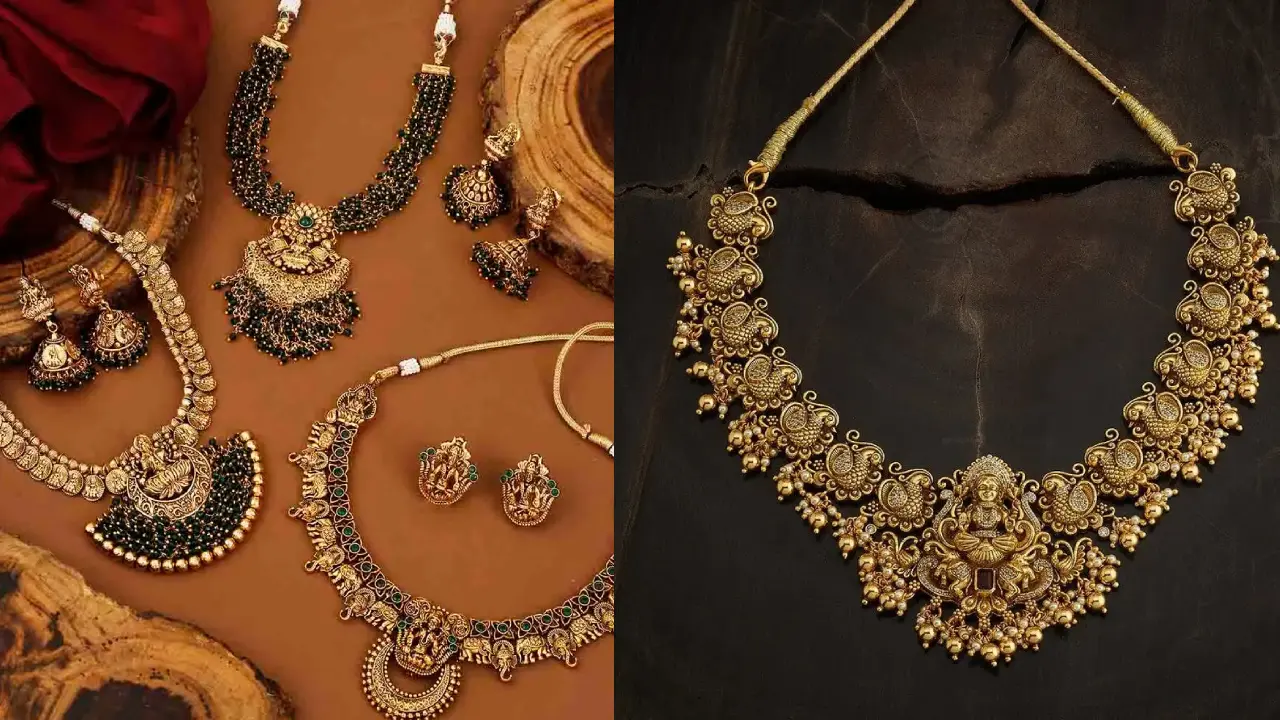
Temple Jewellery Divine Adornment Steeped in Tradition - thumbnail

Temple Jewellery: Divine Adornment Steeped in Tradition

Fashion Courses Interior Design Courses Jewellery Design Courses UI/UI Courses Visual Arts Courses Other Courses OTHER COURSES Contact us Bengaluru Campus 1 : JD School of Design, No. 18-1, Brigade Road, Bengaluru,Karnataka – 560 001. Campus 2 : No. 40, Swan House, 4th Cross, Residency Road, Bengaluru, Karnataka – 560001. +91 9901 999 903 +91 9901 999 904 +91 9480 323 232 jdfashion@jdindia.com Goa Musthtifund Saunstha , Near Mahalaxmi Temple,Dada Vaidya Road, Goa-403001 +91 9606 096 060 +91 9606 048 888 jdfashion@jdindia.com Temple Jewellery: All About Its Origin and Types Temple jewellery, a dazzling display of craftsmanship and rich heritage, transcends mere adornment. It’s a captivating glimpse into the cultural tapestry of India, where devotion meets artistry. Originally gracing the idols of deities in temples, this exquisite jewellery has evolved into a coveted fashion statement, imbued with timeless elegance.       A Legacy Etched in Gold The origins of temple jewellery can be traced back to the 9th-century reign of the Chola dynasty. This era witnessed a cultural renaissance, and temple jewellery blossomed, drawing inspiration from the ornate architecture of South Indian temples. The intricate details and rich sculptures adorning these temples found their way onto jewellery, creating a unique style that continues to enthral today. Beyond the Temple Walls: A Journey of Adornment Temple jewellery wasn’t always restricted to the divine realm. Temple dancers and members of the nobility began incorporating these stunning pieces into their attire. The vibrant colours, intricate designs, and rich symbolism resonated with their cultural identity. Today, temple jewellery enjoys widespread popularity, captivating hearts not just in India but around the world. A Symphony of Materials and Motifs Gold forms the mainstay of temple jewellery, its warm lustre reflecting the opulence of its origins. However, silver and other metals find their place as well, offering a more affordable alternative. The magic unfolds with the embellishments. Precious and semi-precious stones like rubies, emeralds, and sapphires add a touch of brilliance. Pearls lend a timeless elegance, while polki and kundan stones enhance the grandeur. Temple jewellery boasts a captivating repertoire of motifs. From the grace of swans and peacocks to the divine presence of gods and goddesses, these designs tell stories steeped in mythology and tradition. Floral patterns like lotus blooms symbolize purity and enlightenment, while intricate geometric designs add a touch of complexity. A Dazzling Array of Adornments Temple jewellery offers a treasure trove of options to accentuate your beauty. Here’s a glimpse into some of the most captivating pieces: Necklaces and Chokers: Worn to accentuate the neck and add a touch of grandeur, temple necklaces and chokers are adorned with gemstones and pearls. Representing prosperity and embodying the essence of Goddess Lakshmi, these pieces are a must-have for any festive occasion. Haram Temple Jewellery: Long chains, known as harams in South India, are a quintessential part of temple jewellery. Often adorned with strings of gold coins, intricate floral patterns, or even rudraksha stones and Hindu deity figures, these chains add a touch of regal elegance. Temple Jewellery Waistbands: Primarily worn by dancers and brides, these waistbands are embellished with gemstones and often feature tinkling bells, adding a touch of rhythmic grace. Crafted in gold or gold-plated metal, they cinch the waist and accentuate the feminine form. Temple Jewellery Armlets: Traditionally a symbol of status for brides, temple armlets are designed with exquisite craftsmanship. Often shaped like a temple sanctum with Goddess Lakshmi at the centre, they add a touch of divinity to the bridal attire. Temple Hair Accessories: From elaborate maang tikas to delicate jhoomar, temple hair accessories are a vision in gold-plated silver. Encrusted with precious stones and pearls, they add a touch of traditional charm to a bride’s or dancer’s ensemble. Temple Toe Rings: Delicately designed with gemstones and often featuring figurines of gods or goddesses, temple toe rings add a touch of elegance to the feet. Traditionally crafted from silver, they complete the adornment of a woman. Wearing Temple Jewellery with Panache Temple jewellery finds its most natural home at weddings, where jhumkas and kamarbandh reign supreme. But its versatility extends far beyond. When paired with traditional attire like sarees, lehengas, or salwar kameez, it creates a breathtaking symphony of culture and elegance. Lighter accessories like pendants, necklaces, or haath-phools can add a touch of contemporary flair. Don’t be afraid to experiment! Temple jewellery can add a touch of ethnic charm to a western outfit. A pair of statement jhumkis or a delicate temple ring can be the perfect way to express your unique style. So, the next time you seek jewellery that transcends mere adornment, delve into the world of temple jewellery. Let its rich history, intricate craftsmanship, and timeless beauty elevate your look and connect you to a cultural legacy that continues to inspire.

Cotton’ The Wonderful: A Natural Fibre for Everyday Life

‘Cotton’ The Wonderful: A Natural Fibre for Everyday Life

Fashion Courses Interior Design Courses Jewellery Design Courses UI/UI Courses Visual Arts Courses Other Courses OTHER COURSES Contact us Bengaluru Campus 1 : JD School of Design, No. 18-1, Brigade Road, Bengaluru,Karnataka – 560 001. Campus 2 : No. 40, Swan House, 4th Cross, Residency Road, Bengaluru, Karnataka – 560001. +91 9901 999 903 +91 9901 999 904 +91 9480 323 232 jdfashion@jdindia.com Goa Musthtifund Saunstha , Near Mahalaxmi Temple,Dada Vaidya Road, Goa-403001 +91 9606 096 060 +91 9606 048 888 jdfashion@jdindia.com For centuries, cotton, a fluffy and soft staple fibre, has been an essential part of human existence. This natural fibre is obtained from the cotton plant’s seedpods and is not only incredibly comfortable but also possesses a multitude of highly versatile properties. Composition and Characteristics Cotton fibres, which are mostly composed of the complex carbohydrate cellulose, are prized for their strength, resilience, and breathability. In addition, they are wrinkle-resistant, hypoallergenic, soft, and absorbent by nature. Cotton is also UV-resistant and biodegradable, making it a green option. Types of Cotton Upland cotton, the most widely grown type, is used in a vast array of products. Pima cotton, known for its long fibres and softness, is often used in high-end clothing and bedding. Egyptian cotton, with its luxurious feel due to extra-fine fibres, is a popular choice for premium linens. Organic cotton, grown without harmful chemicals, caters to the environmentally conscious consumer. Supima cotton, a brand of Pima cotton grown in the USA, is prized for its strength, softness, and colour retention. Genetically modified BT cotton offers resistance to certain pests, while BCI cotton promotes sustainable farming practices. . . Now let us go into detail about each variety: Cotton fibre comes in a variety of forms, eacwith its ownth special qualities and applications. The main types of cotton fibre are: Textile Craft Upland cotton: The majority of cotton produced globally comes from this variety of cotton, which is grown the most extensively. Many products, such as textiles, apparel, and other household items, are made from upland cotton, which is prized for its high yield. Pima cotton, also known as extra-long staple cotton, is unique from other varieties in that its long fibres give it strength and durability. It is also known for its softness and is often used in high-end clothing and bedding. Egyptian cotton: This variety of cotton is renowned for having very long, fine fibres that give it remarkable softness and durability. It is frequently used in opulent apparel and bedding. Organic cotton: Synthetic fertilisers and pesticides are not used in the cultivation of organic cotton. Since it is regarded as more ecologically friendly, it is frequently used in apparel and other items that are sold as “green” or “eco-friendly.” Supima cotton: This brand refers to the kind of extra-long staple cotton cultivated in the United States. It is regarded as one of the world’s best cotton fibres and is prized for its durability, softness, and ability to hold colour. BT cotton: A gene from the bacterium Bacillus thuringiensis (BT) has been inserted into BT cotton, a kind of genetically modified (GM) cotton. This gene generates a toxin that destroys some pests, like the bollworm, that feed on cotton plants. Better Cotton Initiative (BCI) cotton: BCI cotton is water- and pesticide-efficient, sustainably grown cotton. Because it lessens the negative effects of cotton production on the environment, this cotton is also renowned for its environmental sustainability. Cultivation and Uses Cotton thrives in warm climates with ample sunlight. After planting and nurturing the seedlings, the cotton plant produces bolls containing the precious fibres. These fibres are then harvested, cleaned, and processed into yarn for a vast array of applications. Cotton’s versatility is unmatched. From clothing like t-shirts, jeans, and dresses to home textiles such as bed sheets, towels, and linens, cotton is an essential part of our everyday lives. It is used in industrial products like ropes and canvas, personal care items like cotton swabs and bandages, and even high-quality paper products like currency and fine art paper. Cotton’s applications extend to automotive upholstery, footwear inner soles, furniture cushions, agricultural bags, packaging materials, and much more. Properties of Cotton: Softness: Cotton fibres are naturally soft and comfortable to the touch, making them ideal for clothing, bedding, and other household items. Absorbency: These fibres are highly absorbent, which means they can hold a large amount of water. This makes cotton fabrics breathable and comfortable to wear. Strength: They are strong and durable, which means they can withstand repeated washings and wear. Hypoallergenic: Cotton fibres are hypoallergenic, which means they are less likely to cause allergic reactions. Resistant to wrinkles: Cotton fibres are naturally wrinkle-resistant, which means they can maintain their shape even after being washed or worn. Biodegradable: Cottons are biodegradable, which means they can break down naturally in the environment. UV-Resistant: Cotton fibres have natural UV resistance and can block out some of the harmful rays of the sun. Easy to dye: They are easy to dye, which means it can be coloured in different ways, making it versatile and suitable for a variety of clothing. Low lint: Cotton fibres have low lint, which means they are less likely to leave fibres behind when washed or worn. Renewable Resource: Cotton is a renewable resource and is grown in many parts of the world. Cultivation of Cotton Fibre:Cotton is a warm-season crop that is typically grown in regions with long growing seasons, abundant sunlight, and moderate to high temperatures. The primary regions for cotton cultivation include the southern United States, China, India, Pakistan, and Brazil. The cultivation of cotton begins with the planting of seedlings in well-prepared fields. The seeds are usually planted in rows and are spaced apart to allow for proper growth and development. Once the seedlings have emerged, they are irrigated and fertilised to promote healthy growth. As the cotton plants mature, they begin to produce clusters of white or yellow flowers. These flowers then give way to the cotton bolls, which are the seedpods of

Advice for your next fashion job based on your fashion designer portfolio

Advice for your next fashion job based on your fashion designer portfolio

Fashion Courses Interior Design Courses Jewellery Design Courses UI/UI Courses Visual Arts Courses Other Courses OTHER COURSES Contact us Bengaluru Campus 1 : JD School of Design, No. 18-1, Brigade Road, Bengaluru,Karnataka – 560 001. Campus 2 : No. 40, Swan House, 4th Cross, Residency Road, Bengaluru, Karnataka – 560001. +91 9901 999 903 +91 9901 999 904 +91 9480 323 232 jdfashion@jdindia.com Goa Musthtifund Saunstha , Near Mahalaxmi Temple,Dada Vaidya Road, Goa-403001 +91 9606 096 060 +91 9606 048 888 jdfashion@jdindia.com Advice for every fashion designer: It’s not a novel idea to use portfolios to get employment in the fashion industry. For years, fashion designers have shared their portfolios in hopes of getting their ideal position. Still, it seems like there are unanswered issues about the process of creating a fashion design portfolio. The most often requested questions are: What is the ideal length for a portfolio? Is it better to present a portfolio digitally or as a physical item you can hold? Decide for your own comfort!  How many collections ought you to distribute? At Beyond Talent, we have a great deal of portfolio experience. As experts in the field of fashion design, we understand what makes a portfolio shine, appear polished, and make an impression that will help you land the job. We’re here to help you achieve your professional goals by providing advice on how to build a fashion designer portfolio for your upcoming position. Let’s make your best creation yet! A portfolio of a fashion designer is what? It’s critical that the two different sorts of portfolios remain distinct from one another. There is your personal portfolio, which comprises all of the collections you are proud of and displays your whole career as a fashion designer. The next thing you need to prepare when applying for a job is a specific portfolio. To determine whether you are the best candidate to be recommended for an interview, the recruiter will review your portfolio, which is customised for the position you are interested in. Below are some specifics on the two categories of portfolios: Type 1 Designer Portfolio: Individual Portfolio What you bring to an interview is your personal portfolio. It showcases the talents you have honed and features collections you have made during your career as a designer. You might have a specialty, like knitwear, in which case your own portfolio will reflect it. Alternatively, your knowledge in a range of design and trend domains ought to be demonstrated throughout. Type 2 Designer Portfolio: Particular Portfolio Following an initial discussion about a role, a recruiter or firm may request that you share a specific portfolio. You put together this portfolio in an attempt to get an interview. It has nothing to do with your interview attire. The best collections you have that fit the kind of role you are aiming for should be on display. If the job is for a jersey, for instance, your greatest jersey design work will be included in your portfolio. Now that you are aware of the kind of fashion designer portfolio you ought to put up for your next position, let’s talk in more detail about the contents of each one. Make a portfolio of your work as a fashion designer for your next job. Each fashion portfolio should be unique. A professional portfolio serves as a display for you, your concepts, your originality, and your vision. Make sure to showcase your unique style and individuality, but don’t forget to keep your work samples professionally done. The businesses you are applying to must be certain that your designs can be manufactured and marketed. However, avoid having your work become less creative as a result. Make sure your true creative self is still evident. Every kind of portfolio must adhere to the same structure: A succinct overview Idea mood boards along with your creations A technical drawing of a challenging item (such as a coat or pair of trousers) should be sent with your application if you’re seeking a fast-fashion position in order to demonstrate your skill. Naturally, your portfolio will be different if you’re looking for a position as a head designer. Since head designers supervise a team of designers rather than producing their own work, they should showcase the final collections they created in your portfolio along with catwalk and photoshoot images. For further information on each of the elements that should be included in a personal and specific portfolio, see below: 1. Give a succinct introduction first. Try to keep your introduction to no more than seven lines. It should describe the rationale, intent, and sources of inspiration behind your collections, as well as what the viewer of your portfolio might anticipate finding within. You can include extra information about yourself as a designer in the introduction you write for your personal portfolio, but don’t overdo it. Don’t write too much. 2. Incorporate idea mood boards It’s crucial to use mood boards to describe the ideas that drove your collections. This will demonstrate your work style and creativity to employers and recruiters. Add illustrations, photos, fabric swatches, colour palettes, and textile designs. You just need to allocate one or two pages to your concepts; any more, and your portfolio runs the risk of becoming overly lengthy. PARTICULAR MOOD BOARD PRESENTATION IN YOUR PORTFOLIO 3. Display your outfit creations Display your designs with crisp illustrations and images of your completed collections. To tie the entire appearance and feel of your collection together, use hand-drawn silhouettes, show off how your items look when paired with other outfits, and incorporate motivational photos. Employers specialising in high-end luxury brands will expect to see preliminary sketches of your final ideas. But in addition to your sketches, fast-fashion retailers will also want to see your designs made in Illustrator or InDesign. When showing your designs, it is vital that you incorporate your finest work. Employers will use this information to determine whether or not your abilities and style fit their business. 4. Exchange

How Do You Convince Your Parents To Take Up A Particular Course (3)

How Do You Convince Your Parents To Take Up A Particular Course?

Fashion Courses Interior Design Courses Jewellery Design Courses UI/UI Courses Visual Arts Courses Other Courses OTHER COURSES Contact us Bengaluru Campus 1 : JD School of Design, No. 18-1, Brigade Road, Bengaluru,Karnataka – 560 001. Campus 2 : No. 40, Swan House, 4th Cross, Residency Road, Bengaluru, Karnataka – 560001. +91 9901 999 903 +91 9901 999 904 +91 9480 323 232 jdfashion@jdindia.com Goa Musthtifund Saunstha , Near Mahalaxmi Temple,Dada Vaidya Road, Goa-403001 +91 9606 096 060 +91 9606 048 888 jdfashion@jdindia.com The senior secondary and higher secondary exams will soon be finished, and like all students, you must be considering your course of study. It makes sense that you would be confused. Taking the call for your higher education gets tiring because there are so many fantastic opportunities in diverse fields and industries. Furthermore, when you and your parents are unable to come to an agreement, the situation gets even more complicated. Many students follow their parents’ or guardians’ wishes and become professionals in that field. But frequently, students discover they have a preference for other fields and lose interest in the course they are taking. Although students are aware of their passion, they occasionally follow the herd and fail to share it with their elders. Nobody benefits from it in such a situation, and it also creates more difficulties for them in the future. We are going to talk to every student in the room today whose goals differ from their parents’ and who is looking for a way to encourage them to follow their passions. We can exchange a few of the following advice: 1. Provide a special pitch: Your parents send their warmest regards. Even though they only have your best interests in mind, they occasionally disregard them. Convince them to enrol in a particular course by utilising your inventiveness. Select a tactic that is critical to the field of study you want to concentrate on. Should you have aspirations of pursuing careers in design, fashion, music, or other industries, do not hesitate to showcase your creative side through a presentation. It is merely an idea. There is always the chance to experiment with creativity.  2. Display Your Enthusiasm: Your parents will always be fond of your passion. Demonstrate to them your enthusiasm for the course and your commitment to it. Everyone engages in passion. Instead of having an honest conversation about your course, the curriculum, and how it will shape your parents,. your course openly, how it is going to shape you and what the curriculum involves. We are sure that they will melt down. 3.Career Opportunities: There are times when your parents are not aware of the career opportunities that you’ll have if you choose a particular course. Pedagogy has changed over the years. Don’t expect your guardians to understand it on their own. Talk to them and tell them about the jobs that you will be getting after the completion of your degree. Help them understand the market demand and how you would benefit from it. 4. Financial Talk: Finances play a major role in choosing a course. If your course has a practical approach, then fees are going to be a bit high, but with that, the curriculum also exposes you to your future industry and market, along with imparting the essential knowledge to lead in that field. Moreover, give them a glimpse of your expected salary after the completion of your course.  5. Introducing influential names: Showing the luminaries of the field where you want to make your mark will always help you convince your parents to let you take the course of your interest. If your inspiration is an acquaintance, ask them to talk to your parents and show them the scope of your course and how it will build a successful future for you. 6.Seeking Their Involvement Involve your parents in the decision-making process to foster a sense of collaboration and mutual respect. Seek their input and feedback, demonstrating that you value their opinions and perspectives. Encourage open dialogue and actively listen to their concerns, demonstrating empathy and understanding. Collaboratively exploring potential compromises or alternative solutions can foster a sense of shared ownership and support. 7.Addressing Concerns Proactively Anticipate and address potential concerns your parents may raise. Be prepared to discuss aspects such as the course’s affordability, duration, or relevance in the job market. Provide reassurances and practical solutions to mitigate any apprehensions they may have. Offering to share responsibility for the financial burden or exploring flexible study options can alleviate their worries. 8.Understanding Their Perspective Before diving into the discussion, it’s essential to empathise with your parents’ concerns and viewpoints. Recognise that their apprehensions may stem from a place of love and protection. Common worries could include financial implications, the relevance of the course, or potential risks involved. Acknowledging their perspective lays the foundation for a constructive dialogue. Conclusion Convincing your parents to support your educational endeavours requires patience, empathy, and effective communication. By understanding their concerns, conducting thorough research, and articulating your passion and commitment, you can navigate this conversation successfully. Remember, parental support not only provides financial stability but also emotional encouragement, empowering you to pursue your educational dreams with confidence and conviction. Embrace this opportunity to engage in meaningful dialogue with your parents, fostering understanding, trust, and shared enthusiasm for your educational journey ahead. Whenever you are taking a call about your future studies, do consider your inclination. If you are not interested in a particular course, it will bring you challenges in the long run. Your future depends on your education and learning. If you are passionate about a particular domain, you will always be determined to work on it and give it a new direction. Your zeal will always pull you back from monotony and help you grow every day.