
Category: UI/UX

Color Psychology: Understanding the Impact of Color on Emotions and Behavior

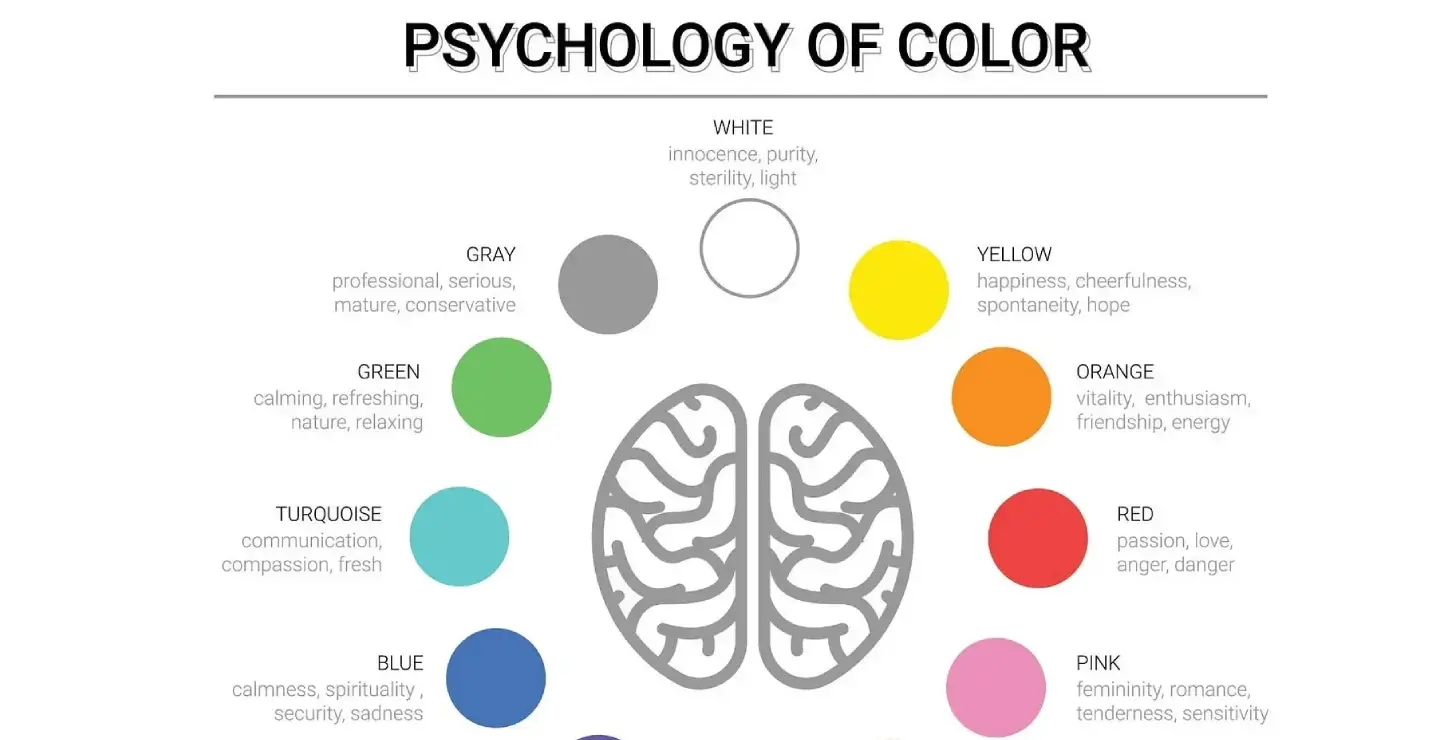
Fashion Courses Interior Design Courses Jewellery Design Courses UI/UI Courses Visual Arts Courses Other Courses OTHER COURSES Contact us Bengaluru Campus 1 : JD School of Design, No. 18-1, Brigade Road, Bengaluru,Karnataka – 560 001. Campus 2 : No. 40, Swan House, 4th Cross, Residency Road, Bengaluru, Karnataka – 560001. +91 9901 999 903 +91 9901 999 904 +91 9480 323 232 jdfashion@jdindia.com Goa Musthtifund Saunstha , Near Mahalaxmi Temple,Dada Vaidya Road, Goa-403001 +91 9606 096 060 +91 9606 048 888 jdfashion@jdindia.com Medium Color Psychology: Introduction Color Psychology is a fundamental aspect of the human experience, influencing our emotions, behavior, and even our physical well-being. The study of color psychology delves into the impact of different colors on human emotions and behavior, shedding light on the powerful role that color plays in our daily lives. From marketing and design to therapeutic settings, understanding the psychological and physiological effects of color can have a profound impact on how we perceive and interact with the world around us. Serena Archetti The Psychological Impact of Color Color psychology explores the idea that different colors evoke distinct emotional responses. For example, red is often associated with passion, energy, and excitement, while blue is linked to calmness, trust, and stability. These associations are deeply rooted in our biology and cultural experiences. Research has shown that certain colors can stimulate the release of specific neurotransmitters in the brain, leading to distinct emotional and physiological responses. Moreover, the use of color in marketing and branding has been shown to influence consumer behavior, with certain colors being associated with specific emotions and influencing purchasing decisions. For instance, the color red is often used to create a sense of urgency and excitement, while blue is frequently employed to convey trust and reliability. Understanding these associations can help businesses create effective branding strategies and connect with their target audience on an emotional level. Toptal The Behavioral Influence of Color In addition to its impact on emotions, color psychology also plays a significant role in influencing behavior. Studies have found that the color of a room can influence people’s behavior, with warm colors such as red and orange promoting social interaction and energy, while cool colors like blue and green can encourage relaxation and focus. The strategic use of color in interior design can be leveraged to create specific moods and atmospheres within a space, whether it’s a calming bedroom or an energizing office. Furthermore, the impact of color on behavior extends to healthcare settings, where color psychology can be utilized to create healing environments that promote relaxation and well-being. Hospitals and healthcare facilities often employ soothing colors such as soft blues and greens to create a sense of calm and comfort for patients and their families. Understanding the behavioral influence of color can help in designing spaces that support the well-being and emotional needs of individuals. Medium The Physical Well-being and Color Research has found that exposure to certain colors can have a measurable impact on our physiological responses, such as heart rate, blood pressure, and even the release of stress hormones. This has led to the use of color therapy in holistic healing practices, with the belief that certain colors can promote healing and balance in the body. For instance, the color blue is often associated with a sense of tranquility and is used in color therapy to help reduce stress and anxiety. Visme Conclusion In conclusion, color psychology is a fascinating and multidimensional field that explores the impact of color on human emotions, behavior, and physical well-being. From influencing consumer behavior to creating healing environments, the strategic use of color can have a profound impact in a variety of settings. By understanding the psychological and physiological effects of color, we can harness its power to create positive and impactful experiences in our daily lives. Whether it’s in marketing, design, or healthcare, the study of color psychology provides valuable insights into how we can use color to enhance our emotional well-being and improve our quality of life.

The Difference Between Graphic Design and Illustration All you need to know

Illustration vs Graphic Design: All that you need to know!

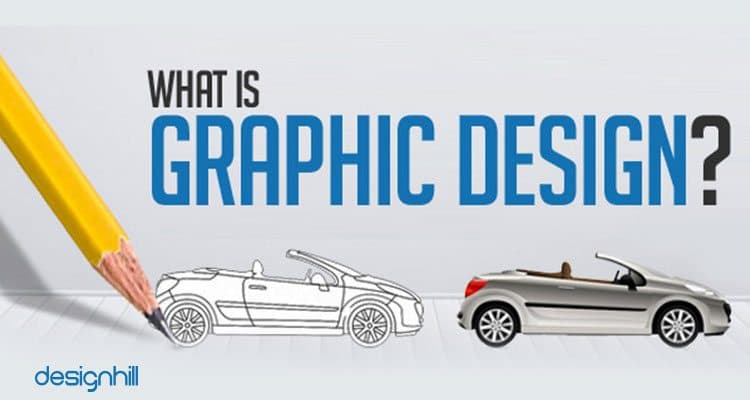
Fashion Courses Interior Design Courses Jewellery Design Courses UI/UI Courses Visual Arts Courses Other Courses OTHER COURSES Contact us Bengaluru Campus 1 : JD School of Design, No. 18-1, Brigade Road, Bengaluru,Karnataka – 560 001. Campus 2 : No. 40, Swan House, 4th Cross, Residency Road, Bengaluru, Karnataka – 560001. +91 9901 999 903 +91 9901 999 904 +91 9480 323 232 jdfashion@jdindia.com Goa Musthtifund Saunstha , Near Mahalaxmi Temple,Dada Vaidya Road, Goa-403001 +91 9606 096 060 +91 9606 048 888 jdfashion@jdindia.com Illustration vs Graphic Design: All that you need to know Illustration vs Graphic Design is a topic that needs a spotlight in today’s time. And also the saying goes, “A picture is worth a thousand words.” Using images in your communications can help you easily get your point across. Images grab attention and express meaning effectively. It’s no surprise that visual content is big in marketing. 64% of marketers think visuals are either essential to their marketing strategy. Regardless of your business, visual content can help you establish a clear brand identity and image. Whether you need product packaging, infographics for social media, or visuals in your marketing strategy, graphic design can help you stand out from your competitors. If your business is more creative, illustration can help you bring your message, story, or vision to life by grabbing your audience’s attention. Even though visual communication has a big impact, people often overlook the elements of its creation. This leads to the common assumption that graphic design and illustration are the same. But there are key differences between the two. Understanding what sets these visual fields apart helps us recognize the unique function of each. These differences are important for both professionals and hiring managers to know. So, let’s dive deeper into the descriptions of graphic design and illustration, the key differences between them, how and when to combine them, and which is better suited for your next project. About Illustration:  Design Hill Illustrations are all about visually depicting content, whether it’s a story, an idea, or a concept. There are different types, like drawings, paintings, crafts, and digital illustrations. Each type has its unique features and uses. For example, drawings can be done in pencil, ink, or charcoal, and digital art allows for a lot of flexibility. Paintings can be done in acrylic, watercolor, or gouache, and digital options can mimic traditional styles. Illustrative crafts involve sculpting, paper crafts, textile crafts, and more, each requiring specific techniques.  About Graphic Design Design Hill Graphic design uses images, text, and color to create visual content that effectively conveys a message to its audience. Unlike illustration, which aims to express an idea or story simply, graphic design focuses on communicating in a way that motivates its target viewers to take action. There are two main mediums for graphic design: digital and print. Print design covers anything printed or created on physical surfaces like paper, flyers, posters, billboards, business cards, and packaging. Digital design includes web design, apps, user experience, and social media marketing. Digital graphics can be static or include movements like animation, motion graphics, or interactive design. The field of graphic design is diverse and extensive, with different types to meet various business and project needs.  Illustration vs. graphic design: the differences Illustration and Graphic Design are different in a few key ways. Graphic design is more about communication and is often used for commercial purposes, while illustration is more about storytelling and leans towards the fine arts. But there’s more to it than that. Both fields have their own design principles, techniques, and uses. Graphic design is great for creating visual content for businesses, like posters, infographics, logos, and ads. Illustration, on the other hand, is better suited for artistic endeavours like film and book covers, comics, storyboards, and children’s books. Graphic design is about prompting action, while illustration is more about evoking emotions in the audience. Source: Upwork Now you know the difference between Illustration and graphic designing. To gain much more knowledge in these two fields all you need is to get under the wings of the right teacher. And here at JD Institute of Design, we have just the right ones. Connect with us and learn all about our Graphic designing and Illustration courses. 

Sketching Fundamentals & Learning For Beginners In The Fields - Thumbnail

Sketching Fundamentals & Learning For Beginners In The Fields

Fashion Courses Interior Design Courses Jewellery Design Courses UI/UI Courses Visual Arts Courses Other Courses OTHER COURSES Contact us Bengaluru Campus 1 : JD School of Design, No. 18-1, Brigade Road, Bengaluru,Karnataka – 560 001. Campus 2 : No. 40, Swan House, 4th Cross, Residency Road, Bengaluru, Karnataka – 560001. +91 9901 999 903 +91 9901 999 904 +91 9480 323 232 jdfashion@jdindia.com Goa Musthtifund Saunstha , Near Mahalaxmi Temple,Dada Vaidya Road, Goa-403001 +91 9606 096 060 +91 9606 048 888 jdfashion@jdindia.com Do you like going to art galleries? Are you always in awe of the variety of paintings and drawings that are on display and wondering how you could make them yourself? Drawings are the pop art that have always been prized. The nice aspect is that sketching is all about technique and doesn’t require a wide variety of tools. Understanding the fundamentals of sketching is essential for anyone working in the design field, whether that field is fashion, interior, product, UI/UX, jewellery, or something entirely else. You draw your thoughts before working on them whenever you are brainstorming. Additionally, you can employ the art form to give your design depth and contour. In order to give your artwork life, especially if you have only recently begun to create art, you must be conversant with the principles of sketching. Pexels Simplifying figures, sketching outlines, and comprehending light and shade are examples of fundamental drawing techniques. By breaking down complex structures into their most basic components and then reconstructing them, one can achieve accurate proportions and perspective. A classic sketch typically emphasises the overall feeling as well as the overall composition and design of the piece. These sketches are typically done for the artist’s personal use, but occasionally, in the setting of a bottega (studio-shop) production, when an artist would hire numerous assistants, the master would create sketches for pieces that would be finished by others. Functional sketching types are mostly three. The first, commonly called a croquis, is meant to serve as a reminder to the artist of a sight or event that he has observed and would like to capture on canvas for posterity. In the second, a pochade, he captures the overall feelings and atmospheric effects of a landscape, typically in colour. The third kind relates to portraiture and observes a potential sitter’s expression, head turn, or other physical attributes. Fashion sketching: people, fashion looks, and accessories. It is used mainly for illustrations or magazines, e.g., for brand promotion. It helps designers during the first stages of the creation of their collections and helps introduce changes. Pexels Industrial design sketching is probably the most well-known and popular branch of sketching. Obviously, industrial designers created it; a good illustration is car sketching. In this case, all sketches are made with great speed and confidence. Cross-hatching and Hatching The two terms that are sometimes confused for adding value to a sketch are hatching and cross-hatching. Non-crossing lines are drawn during the hatching process to add texture to the picture. Lines are drawn based on the light source and the depth the artist wants to achieve. There are many lines depicting the darker area, whereas there are fewer lines with gaps on the brighter side. The same effect is achieved with cross-hatching, except the lines cross in a crisscross pattern. It provides the zone depth and produces a contour appearance in the sketch. Stippling In stippling, the artist uses dots to create a picture. The varying application of dots produces depth, shadows, and highlights. Dots are arranged closely and densely to give depth. Stippling requires patience and attention to detail in sketching technique. Smoothness is crucial for stippling. Throughout the stippling process, apply the same amount of pressure to the pen or pencil. The secret to drawing captivating sketches is accuracy. Scumbling Blending and smudging are essential components of sketching. It gives your sketch some shade. Smudge or blend gives the sketch a smooth finish and aids in the creation of a gradient. Artists use sticks called “blending stumps” to soften the lines drawn with charcoal and pencil to add depth and interest to their work. Additionally, stumping aids in forming the object’s shape. For a smudged appearance, your fingertips can also be used. Finishing: During rendering, rubber is used to provide lighter values in the picture. Artists typically use erasers to create a highlight effect after darkening and smearing. The process of rendering also aids in projecting the object in a specific direction. It also aids in determining the light source’s direction. Sketching should come in handy for you as a designer and artist. It efficiently conveys the feeling that the artist is seeking to convey with the fewest resources. You should be familiar with the angles and pencils that you would use to draw a sketch, in addition to the fundamental sketching techniques. Additionally, it is advised that you cover the area on which you are not working with another piece of paper to prevent stains and smudges from appearing on your sketch. In order to produce a dynamic and vibrant image, artists blend different approaches to create a texture, which is crucial in sketching. The JDSD Institute offers several courses that cover the fundamentals of sketching. Additionally, the institute holds a number of courses on sketching techniques where masters in the field share their knowledge.