
Category: Jewellery Design

Temple Jewellery Divine Adornment Steeped in Tradition - thumbnail

Temple Jewellery: Divine Adornment Steeped in Tradition

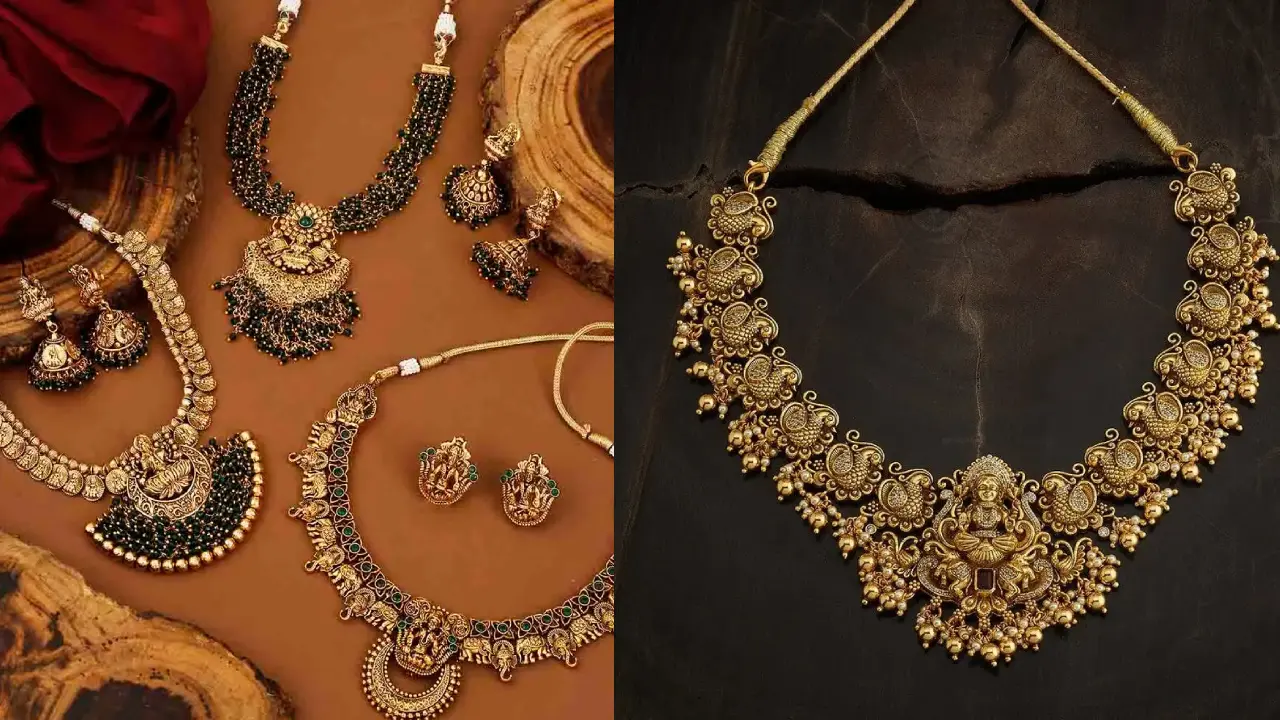
Fashion Courses Interior Design Courses Jewellery Design Courses UI/UI Courses Visual Arts Courses Other Courses OTHER COURSES Contact us Bengaluru Campus 1 : JD School of Design, No. 18-1, Brigade Road, Bengaluru,Karnataka – 560 001. Campus 2 : No. 40, Swan House, 4th Cross, Residency Road, Bengaluru, Karnataka – 560001. +91 9901 999 903 +91 9901 999 904 +91 9480 323 232 jdfashion@jdindia.com Goa Musthtifund Saunstha , Near Mahalaxmi Temple,Dada Vaidya Road, Goa-403001 +91 9606 096 060 +91 9606 048 888 jdfashion@jdindia.com Temple Jewellery: All About Its Origin and Types Temple jewellery, a dazzling display of craftsmanship and rich heritage, transcends mere adornment. It’s a captivating glimpse into the cultural tapestry of India, where devotion meets artistry. Originally gracing the idols of deities in temples, this exquisite jewellery has evolved into a coveted fashion statement, imbued with timeless elegance.       A Legacy Etched in Gold The origins of temple jewellery can be traced back to the 9th-century reign of the Chola dynasty. This era witnessed a cultural renaissance, and temple jewellery blossomed, drawing inspiration from the ornate architecture of South Indian temples. The intricate details and rich sculptures adorning these temples found their way onto jewellery, creating a unique style that continues to enthral today. Beyond the Temple Walls: A Journey of Adornment Temple jewellery wasn’t always restricted to the divine realm. Temple dancers and members of the nobility began incorporating these stunning pieces into their attire. The vibrant colours, intricate designs, and rich symbolism resonated with their cultural identity. Today, temple jewellery enjoys widespread popularity, captivating hearts not just in India but around the world. A Symphony of Materials and Motifs Gold forms the mainstay of temple jewellery, its warm lustre reflecting the opulence of its origins. However, silver and other metals find their place as well, offering a more affordable alternative. The magic unfolds with the embellishments. Precious and semi-precious stones like rubies, emeralds, and sapphires add a touch of brilliance. Pearls lend a timeless elegance, while polki and kundan stones enhance the grandeur. Temple jewellery boasts a captivating repertoire of motifs. From the grace of swans and peacocks to the divine presence of gods and goddesses, these designs tell stories steeped in mythology and tradition. Floral patterns like lotus blooms symbolize purity and enlightenment, while intricate geometric designs add a touch of complexity. A Dazzling Array of Adornments Temple jewellery offers a treasure trove of options to accentuate your beauty. Here’s a glimpse into some of the most captivating pieces: Necklaces and Chokers: Worn to accentuate the neck and add a touch of grandeur, temple necklaces and chokers are adorned with gemstones and pearls. Representing prosperity and embodying the essence of Goddess Lakshmi, these pieces are a must-have for any festive occasion. Haram Temple Jewellery: Long chains, known as harams in South India, are a quintessential part of temple jewellery. Often adorned with strings of gold coins, intricate floral patterns, or even rudraksha stones and Hindu deity figures, these chains add a touch of regal elegance. Temple Jewellery Waistbands: Primarily worn by dancers and brides, these waistbands are embellished with gemstones and often feature tinkling bells, adding a touch of rhythmic grace. Crafted in gold or gold-plated metal, they cinch the waist and accentuate the feminine form. Temple Jewellery Armlets: Traditionally a symbol of status for brides, temple armlets are designed with exquisite craftsmanship. Often shaped like a temple sanctum with Goddess Lakshmi at the centre, they add a touch of divinity to the bridal attire. Temple Hair Accessories: From elaborate maang tikas to delicate jhoomar, temple hair accessories are a vision in gold-plated silver. Encrusted with precious stones and pearls, they add a touch of traditional charm to a bride’s or dancer’s ensemble. Temple Toe Rings: Delicately designed with gemstones and often featuring figurines of gods or goddesses, temple toe rings add a touch of elegance to the feet. Traditionally crafted from silver, they complete the adornment of a woman. Wearing Temple Jewellery with Panache Temple jewellery finds its most natural home at weddings, where jhumkas and kamarbandh reign supreme. But its versatility extends far beyond. When paired with traditional attire like sarees, lehengas, or salwar kameez, it creates a breathtaking symphony of culture and elegance. Lighter accessories like pendants, necklaces, or haath-phools can add a touch of contemporary flair. Don’t be afraid to experiment! Temple jewellery can add a touch of ethnic charm to a western outfit. A pair of statement jhumkis or a delicate temple ring can be the perfect way to express your unique style. So, the next time you seek jewellery that transcends mere adornment, delve into the world of temple jewellery. Let its rich history, intricate craftsmanship, and timeless beauty elevate your look and connect you to a cultural legacy that continues to inspire.
Jewellery Making Introduction to An Art

Jewellery Making: Introduction to An Art

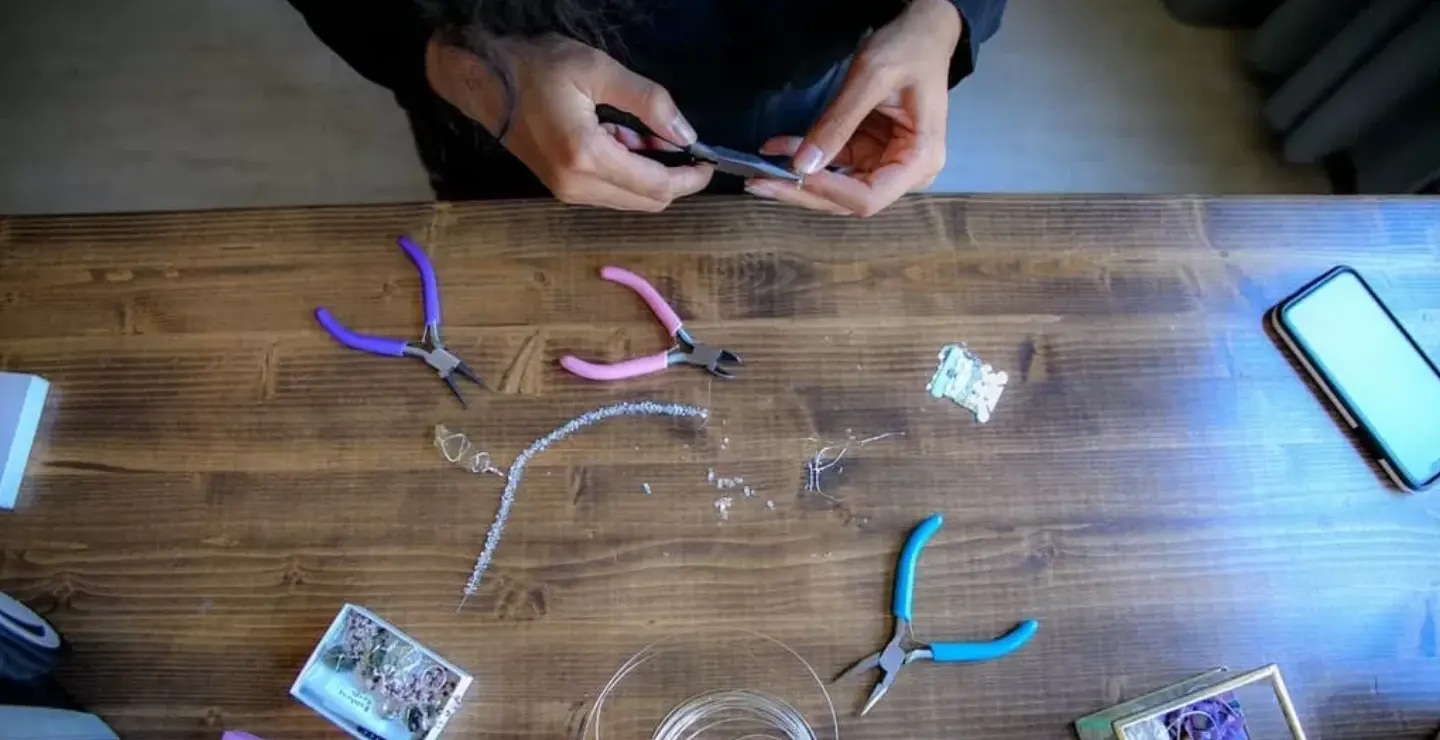
Fashion Courses Interior Design Courses Jewellery Design Courses UI/UI Courses Visual Arts Courses Other Courses OTHER COURSES Contact us Bengaluru Campus 1 : JD School of Design, No. 18-1, Brigade Road, Bengaluru,Karnataka – 560 001. Campus 2 : No. 40, Swan House, 4th Cross, Residency Road, Bengaluru, Karnataka – 560001. +91 9901 999 903 +91 9901 999 904 +91 9480 323 232 jdfashion@jdindia.com Goa Musthtifund Saunstha , Near Mahalaxmi Temple,Dada Vaidya Road, Goa-403001 +91 9606 096 060 +91 9606 048 888 jdfashion@jdindia.com Jewellery Making: Introduction to An Art   Jewellery making has been the most effective and age-old art in India and across the world. And jewellery has not always been just gold and silver; it has been so much more than just two metal forms. Emma Chapman Jewels It appears that jewellery creation was practiced in Ancient Egypt as early as 3,000–5,000 years ago. The luxury, scarcity, and workability of gold made it the metal of choice for the Egyptians. Early on, jewellery in predynastic Egypt came to represent social and religious authority. We’re honouring the natural world and educating people about environmental responsibility. We examine the little steps a jewellery maker can take to protect the environment in this blog post. Including recycling, cleaning the seashore, and finding ethical diamonds! The History of Jewellery Manufacturing A universal type of decoration is jewellery. Prehistoric jewellery composed of stones, shells, and bones is still present. It is most likely that it was worn as a status symbol or a shield from life’s hazards from a young age. TreasureBoxOriginals The development of metalworking techniques significantly aided the growth of jewelry-making in antiquity. The intricacy of the artwork and the sophistication of the metalworking skills increased with time. Antique jewellery, about 1200–1500 Europe’s mediaeval jewellery was a reflection of a deeply status-conscious and hierarchical culture. Nobility and royalty donned jewellery made of priceless stones, silver, and gold. The lower classes of society frequently wore base metals like pewter or copper. Colour (from enamel and priceless stones) and strength of defence were highly prized. Some jewels are said to protect the wearer because of inscriptions that are mysterious or mystical. In most cases, jewels were polished rather than cut until the late 14th century. Their worth was defined by their size and vibrant colour. The use of enamels, which are essentially ground glassware fired at a high temperature onto a metal surface, allowed jewellers to add colour to their designs. They employed a variety of methods to produce effects that are still often used today. Renaissance-era Jewellery The opulence that characterised the Renaissance was reflected in jewellery. With advancements in cutting processes, the brilliance of the stones rose and the enamels, which frequently covered both sides of the jewel, became more complex and brilliant. Jewellery was a reflection of both religious influence and worldly authority, with many exquisite pieces worn as symbols of political power. The designs, which showcase situations and characters from legend that are becoming more and more popular, symbolise the interest in the classical world that has recently grown. The use of portraiture not only revived the ancient art form of gem engraving, but it also symbolised a larger cultural trend: an increased focus on the individual in art. Because gold was a rare and valuable material, it was buried with the deceased to accompany it into the afterlife. Hoards and tombs contain a significant amount of archaeological jewellery. Sometimes it seems as though there was a custom for getting rid of jewellery, as with the gold collars from Celtic Ireland that were found folded in half. Wearable pieces that are skillfully crafted by artisans can best be summed up as artisan jewellery. Artisan jewellery can be manufactured from a range of materials and includes beaded bracelets, necklaces, gemstone-encrusted rings that are handmade, and beautiful metal work. Everything in artisan jewellery design is crafted by hand and is one-of-a-kind. Jewellery from the 17th century New jewellery styles were introduced by trend shifts by the middle of the 17th century. Although ornate gold jewellery was necessary for dark fabrics, the new, gentler pastel hues served as exquisite settings for pearls and gemstones. Gemstone availability increased with the growth of international trade. Gemstones shone more brilliantly in candlelight thanks to advancements in cutting techniques. Jewellery from the eighteenth century The multifaceted brilliant-cut had evolved towards the end of the preceding century. Diamonds glistened like never before and began to rule the world of jewellery creation. Magnificent sets of diamond gems were vital to life in the court and were often set in silver to bring out the white colour of the stone. The biggest decorations were worn on the bodice, while the lesser ones might be strewn all over an ensemble. Due to its significant inherent worth, very little diamond jewellery from this era remains. Owners would frequently sell it or re-set the stones in more stylish patterns. TreasureBoxOriginal Light swords with short, flexible, pointed blades first appeared around 1640 as a reaction to emerging fencing styles that prioritised thrusting quickly. As “small swords,” they were worn with civilian attire more frequently, serving as a weapon of self-defense but also primarily serving as a status symbol for a well-groomed gentleman. Jewellery made by Artisans The Arts and Crafts movement, which emerged in the latter half of the 1800s, was motivated by a deep disquiet about industrialised society. The most economical pieces were previously produced using a machine-led manufacturing system, which its jewellers rejected in favour of hand-crafting each jewel by hand. They felt that this procedure would enhance both the final design and the spirit of the worker. Large, faceted stones were shunned by Arts and Crafts jewellers, who preferred the unadulterated beauty of cabochon (shaped and polished) gems. Instead of the monotony and uniformity of conventional settings, they used figurative or curved designs, frequently with symbolic meanings. TreasureBoxOriginals The Sustaining Art of Jewellery Making The art of jewellery making is a very intricate and beautiful phenomenon, and there is no

How to conduct a jewellery photoshoot (2)

How to conduct a jewellery photoshoot

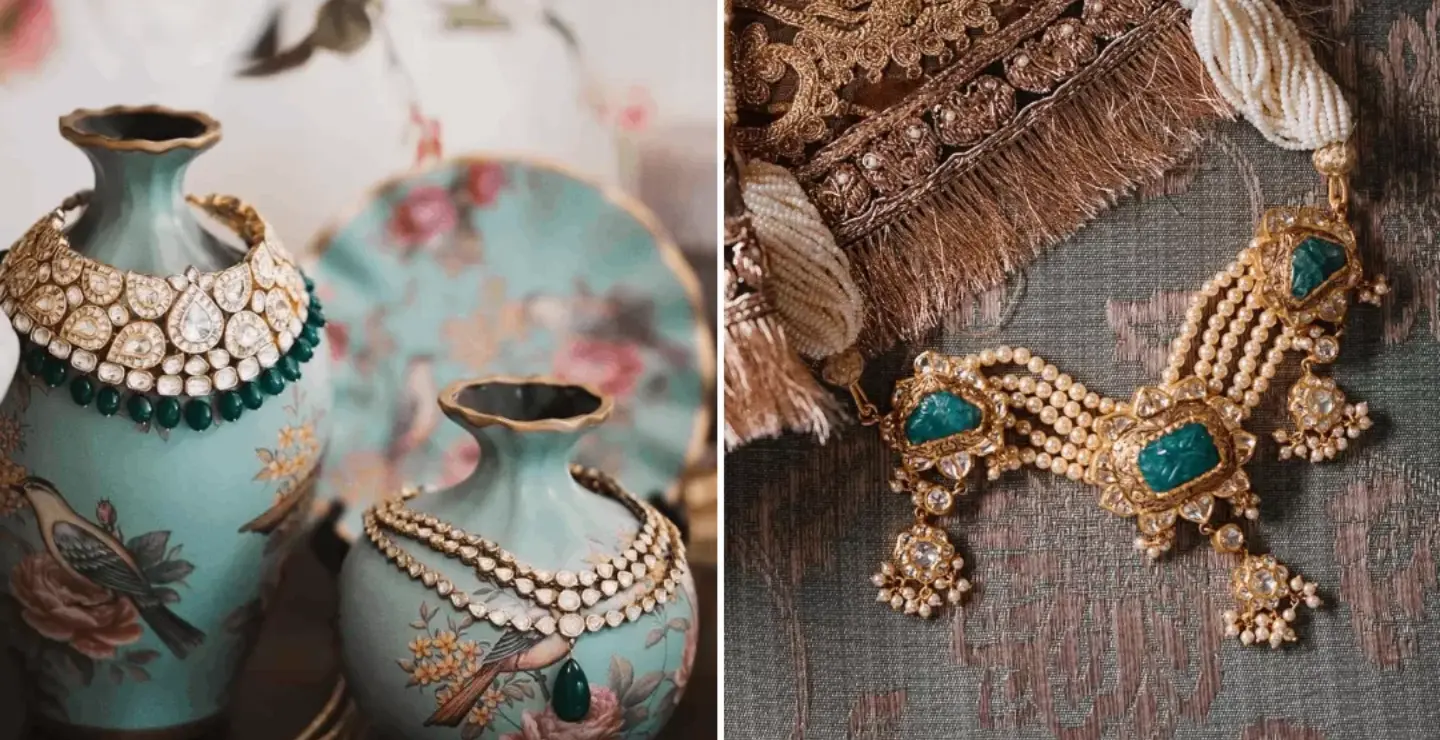
Fashion Courses Interior Design Courses Jewellery Design Courses UI/UI Courses Visual Arts Courses Other Courses OTHER COURSES Do you have more questions? Read our FAQ Contact us Bengaluru Campus 1 : JD School of Design, No. 18-1, Brigade Road, Bengaluru,Karnataka – 560 001. Campus 2 : No. 40, Swan House, 4th Cross, Residency Road, Bengaluru, Karnataka – 560001. +91 9901 999 903 +91 9901 999 904 +91 9480 323 232 jdfashion@jdindia.com Goa Musthtifund Saunstha , Near Mahalaxmi Temple,Dada Vaidya Road, Goa-403001 +91 9606 096 060 +91 9606 048 888 jdfashion@jdindia.com So, you’re thinking about doing a jewelry photo shoot? That’s awesome! If you’re all about fashion and styling, then you’re in for a treat. Here’s a cool guide to help you set up a killer jewellery photo shoot: Figure Out Your Goals: First things first, what’s the purpose of the shoot? Are you showing off a new collection, highlighting specific pieces, or going for a certain vibe? Knowing your goals will steer everything else you do. Build Your Team: You’ll need a solid crew—photographer, stylist, makeup artist, and models. Team up with folks who get your vision and can make the jewellery pop. Pinterest Nail the Theme: Since you’re into styling, get creative! Pick a theme that goes well with the jewellery—whether it’s vintage, modern, or inspired by something specific. This sets the vibe for the whole shoot. Scout for the Perfect Spot: Decide where you want to shoot. Whether it’s a studio, outdoors, or some cool location, make sure it fits your theme. A great backdrop makes your jewellery look even better. Pinterest Plan Your Shots: Work with your photographer to plan out the shots. Think about close-ups, details, and overall compositions. This way, you’ll have a diverse and captivating set of images. Style it Up: Since you’re into fashion, pay attention to the clothes and styling. Make sure the outfits compliment the jewellery without stealing the spotlight. Coordinate colors, textures, and overall looks. Lighting is Everything: Good lighting is key for jewellery photos. Natural light is great, but if you’re indoors, invest in quality studio lighting to bring out the details in each piece. Pinterest Props and Extras: Think about using props that fit your theme and show off the jewellery in real-life situations. It adds depth and makes your images relatable. Get Ready Before the Shoot: Make a detailed schedule for the shoot day. Plan out time for hair and makeup, outfit changes, and breaks. Being organized means a smooth and stress-free process. Pinterest Think About Post-Production: Talk to your photographer about what happens after the shoot. This includes editing, color correction, and any other tweaks to make your jewellery look amazing. Spread the Word on Social Media: Since you’re into social media, use platforms like Instagram, Facebook, and Pinterest to show off your stunning jewellery pics. Get your audience engaged and excited about your collection. Pinterest Contacting the JD Institute of Design can be a valuable way to gain further knowledge and expertise in the intersection of Jewellery and photography. JD Institute of Design is a renowned institution known for offering comprehensive courses and programs in various design disciplines, including Jewellery design and photography. By reaching out to JD Institute of Design, individuals interested in learning more about Jewellery and photography can explore many opportunities in the related field.