Category: Design Blogs

Color Psychology: Understanding the Impact of Color on Emotions and Behavior

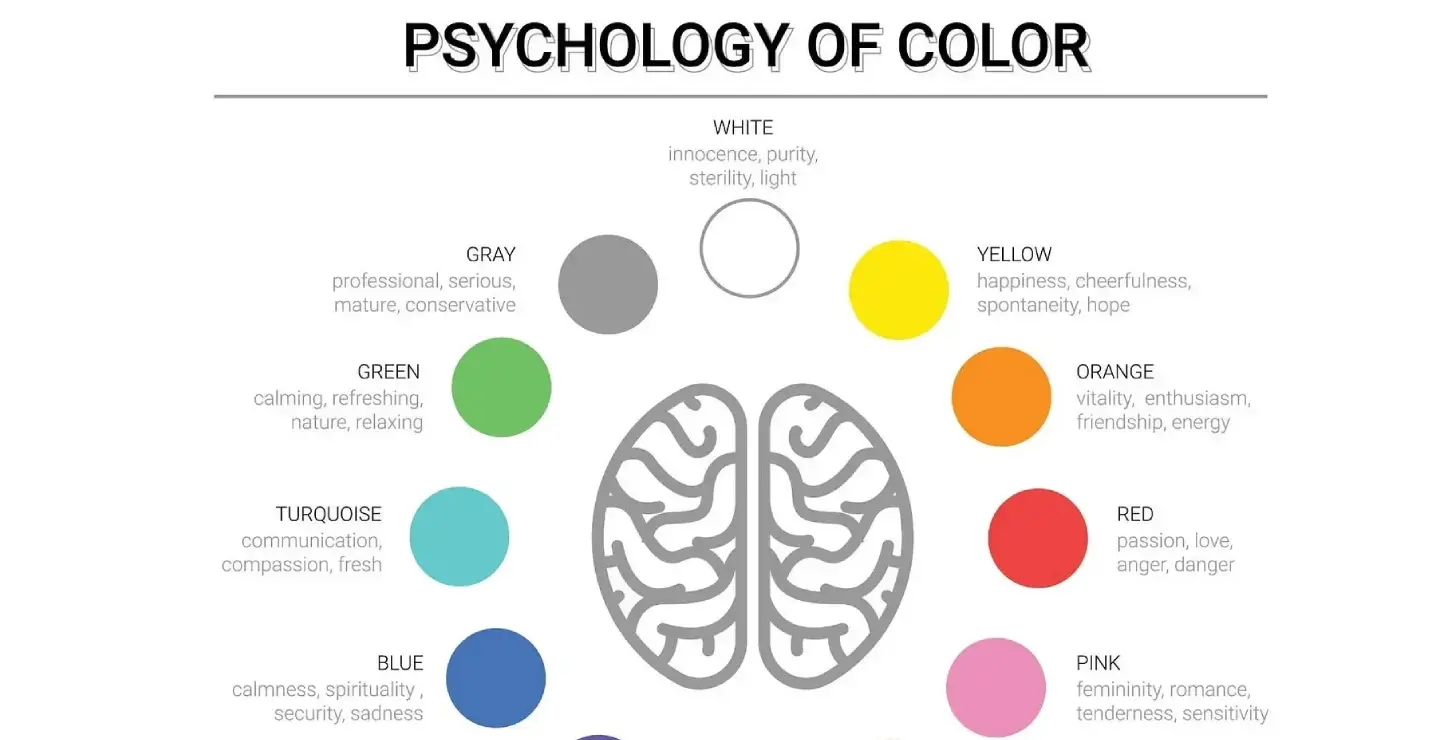
Fashion Courses Interior Design Courses Jewellery Design Courses UI/UI Courses Visual Arts Courses Other Courses OTHER COURSES Contact us Bengaluru Campus 1 : JD School of Design, No. 18-1, Brigade Road, Bengaluru,Karnataka – 560 001. Campus 2 : No. 40, Swan House, 4th Cross, Residency Road, Bengaluru, Karnataka – 560001. +91 9901 999 903 +91 9901 999 904 +91 9480 323 232 jdfashion@jdindia.com Goa Musthtifund Saunstha , Near Mahalaxmi Temple,Dada Vaidya Road, Goa-403001 +91 9606 096 060 +91 9606 048 888 jdfashion@jdindia.com Medium Color Psychology: Introduction Color Psychology is a fundamental aspect of the human experience, influencing our emotions, behavior, and even our physical well-being. The study of color psychology delves into the impact of different colors on human emotions and behavior, shedding light on the powerful role that color plays in our daily lives. From marketing and design to therapeutic settings, understanding the psychological and physiological effects of color can have a profound impact on how we perceive and interact with the world around us. Serena Archetti The Psychological Impact of Color Color psychology explores the idea that different colors evoke distinct emotional responses. For example, red is often associated with passion, energy, and excitement, while blue is linked to calmness, trust, and stability. These associations are deeply rooted in our biology and cultural experiences. Research has shown that certain colors can stimulate the release of specific neurotransmitters in the brain, leading to distinct emotional and physiological responses. Moreover, the use of color in marketing and branding has been shown to influence consumer behavior, with certain colors being associated with specific emotions and influencing purchasing decisions. For instance, the color red is often used to create a sense of urgency and excitement, while blue is frequently employed to convey trust and reliability. Understanding these associations can help businesses create effective branding strategies and connect with their target audience on an emotional level. Toptal The Behavioral Influence of Color In addition to its impact on emotions, color psychology also plays a significant role in influencing behavior. Studies have found that the color of a room can influence people’s behavior, with warm colors such as red and orange promoting social interaction and energy, while cool colors like blue and green can encourage relaxation and focus. The strategic use of color in interior design can be leveraged to create specific moods and atmospheres within a space, whether it’s a calming bedroom or an energizing office. Furthermore, the impact of color on behavior extends to healthcare settings, where color psychology can be utilized to create healing environments that promote relaxation and well-being. Hospitals and healthcare facilities often employ soothing colors such as soft blues and greens to create a sense of calm and comfort for patients and their families. Understanding the behavioral influence of color can help in designing spaces that support the well-being and emotional needs of individuals. Medium The Physical Well-being and Color Research has found that exposure to certain colors can have a measurable impact on our physiological responses, such as heart rate, blood pressure, and even the release of stress hormones. This has led to the use of color therapy in holistic healing practices, with the belief that certain colors can promote healing and balance in the body. For instance, the color blue is often associated with a sense of tranquility and is used in color therapy to help reduce stress and anxiety. Visme Conclusion In conclusion, color psychology is a fascinating and multidimensional field that explores the impact of color on human emotions, behavior, and physical well-being. From influencing consumer behavior to creating healing environments, the strategic use of color can have a profound impact in a variety of settings. By understanding the psychological and physiological effects of color, we can harness its power to create positive and impactful experiences in our daily lives. Whether it’s in marketing, design, or healthcare, the study of color psychology provides valuable insights into how we can use color to enhance our emotional well-being and improve our quality of life.


The Difference Between Graphic Design and Illustration All you need to know

Illustration vs Graphic Design: All that you need to know!

Fashion Courses Interior Design Courses Jewellery Design Courses UI/UI Courses Visual Arts Courses Other Courses OTHER COURSES Contact us Bengaluru Campus 1 : JD School of Design, No. 18-1, Brigade Road, Bengaluru,Karnataka – 560 001. Campus 2 : No. 40, Swan House, 4th Cross, Residency Road, Bengaluru, Karnataka – 560001. +91 9901 999 903 +91 9901 999 904 +91 9480 323 232 jdfashion@jdindia.com Goa Musthtifund Saunstha , Near Mahalaxmi Temple,Dada Vaidya Road, Goa-403001 +91 9606 096 060 +91 9606 048 888 jdfashion@jdindia.com Illustration vs Graphic Design: All that you need to know Illustration vs Graphic Design is a topic that needs a spotlight in today’s time. And also the saying goes, “A picture is worth a thousand words.” Using images in your communications can help you easily get your point across. Images grab attention and express meaning effectively. It’s no surprise that visual content is big in marketing. 64% of marketers think visuals are either essential to their marketing strategy. Regardless of your business, visual content can help you establish a clear brand identity and image. Whether you need product packaging, infographics for social media, or visuals in your marketing strategy, graphic design can help you stand out from your competitors. If your business is more creative, illustration can help you bring your message, story, or vision to life by grabbing your audience’s attention. Even though visual communication has a big impact, people often overlook the elements of its creation. This leads to the common assumption that graphic design and illustration are the same. But there are key differences between the two. Understanding what sets these visual fields apart helps us recognize the unique function of each. These differences are important for both professionals and hiring managers to know. So, let’s dive deeper into the descriptions of graphic design and illustration, the key differences between them, how and when to combine them, and which is better suited for your next project. About Illustration:  Design Hill Illustrations are all about visually depicting content, whether it’s a story, an idea, or a concept. There are different types, like drawings, paintings, crafts, and digital illustrations. Each type has its unique features and uses. For example, drawings can be done in pencil, ink, or charcoal, and digital art allows for a lot of flexibility. Paintings can be done in acrylic, watercolor, or gouache, and digital options can mimic traditional styles. Illustrative crafts involve sculpting, paper crafts, textile crafts, and more, each requiring specific techniques.  About Graphic Design Design Hill Graphic design uses images, text, and color to create visual content that effectively conveys a message to its audience. Unlike illustration, which aims to express an idea or story simply, graphic design focuses on communicating in a way that motivates its target viewers to take action. There are two main mediums for graphic design: digital and print. Print design covers anything printed or created on physical surfaces like paper, flyers, posters, billboards, business cards, and packaging. Digital design includes web design, apps, user experience, and social media marketing. Digital graphics can be static or include movements like animation, motion graphics, or interactive design. The field of graphic design is diverse and extensive, with different types to meet various business and project needs.  Illustration vs. graphic design: the differences Illustration and Graphic Design are different in a few key ways. Graphic design is more about communication and is often used for commercial purposes, while illustration is more about storytelling and leans towards the fine arts. But there’s more to it than that. Both fields have their own design principles, techniques, and uses. Graphic design is great for creating visual content for businesses, like posters, infographics, logos, and ads. Illustration, on the other hand, is better suited for artistic endeavours like film and book covers, comics, storyboards, and children’s books. Graphic design is about prompting action, while illustration is more about evoking emotions in the audience. Source: Upwork Now you know the difference between Illustration and graphic designing. To gain much more knowledge in these two fields all you need is to get under the wings of the right teacher. And here at JD Institute of Design, we have just the right ones. Connect with us and learn all about our Graphic designing and Illustration courses. 

Sketching Fundamentals & Learning For Beginners In The Fields - Thumbnail

Sketching Fundamentals & Learning For Beginners In The Fields

Fashion Courses Interior Design Courses Jewellery Design Courses UI/UI Courses Visual Arts Courses Other Courses OTHER COURSES Contact us Bengaluru Campus 1 : JD School of Design, No. 18-1, Brigade Road, Bengaluru,Karnataka – 560 001. Campus 2 : No. 40, Swan House, 4th Cross, Residency Road, Bengaluru, Karnataka – 560001. +91 9901 999 903 +91 9901 999 904 +91 9480 323 232 jdfashion@jdindia.com Goa Musthtifund Saunstha , Near Mahalaxmi Temple,Dada Vaidya Road, Goa-403001 +91 9606 096 060 +91 9606 048 888 jdfashion@jdindia.com Do you like going to art galleries? Are you always in awe of the variety of paintings and drawings that are on display and wondering how you could make them yourself? Drawings are the pop art that have always been prized. The nice aspect is that sketching is all about technique and doesn’t require a wide variety of tools. Understanding the fundamentals of sketching is essential for anyone working in the design field, whether that field is fashion, interior, product, UI/UX, jewellery, or something entirely else. You draw your thoughts before working on them whenever you are brainstorming. Additionally, you can employ the art form to give your design depth and contour. In order to give your artwork life, especially if you have only recently begun to create art, you must be conversant with the principles of sketching. Pexels Simplifying figures, sketching outlines, and comprehending light and shade are examples of fundamental drawing techniques. By breaking down complex structures into their most basic components and then reconstructing them, one can achieve accurate proportions and perspective. A classic sketch typically emphasises the overall feeling as well as the overall composition and design of the piece. These sketches are typically done for the artist’s personal use, but occasionally, in the setting of a bottega (studio-shop) production, when an artist would hire numerous assistants, the master would create sketches for pieces that would be finished by others. Functional sketching types are mostly three. The first, commonly called a croquis, is meant to serve as a reminder to the artist of a sight or event that he has observed and would like to capture on canvas for posterity. In the second, a pochade, he captures the overall feelings and atmospheric effects of a landscape, typically in colour. The third kind relates to portraiture and observes a potential sitter’s expression, head turn, or other physical attributes. Fashion sketching: people, fashion looks, and accessories. It is used mainly for illustrations or magazines, e.g., for brand promotion. It helps designers during the first stages of the creation of their collections and helps introduce changes. Pexels Industrial design sketching is probably the most well-known and popular branch of sketching. Obviously, industrial designers created it; a good illustration is car sketching. In this case, all sketches are made with great speed and confidence. Cross-hatching and Hatching The two terms that are sometimes confused for adding value to a sketch are hatching and cross-hatching. Non-crossing lines are drawn during the hatching process to add texture to the picture. Lines are drawn based on the light source and the depth the artist wants to achieve. There are many lines depicting the darker area, whereas there are fewer lines with gaps on the brighter side. The same effect is achieved with cross-hatching, except the lines cross in a crisscross pattern. It provides the zone depth and produces a contour appearance in the sketch. Stippling In stippling, the artist uses dots to create a picture. The varying application of dots produces depth, shadows, and highlights. Dots are arranged closely and densely to give depth. Stippling requires patience and attention to detail in sketching technique. Smoothness is crucial for stippling. Throughout the stippling process, apply the same amount of pressure to the pen or pencil. The secret to drawing captivating sketches is accuracy. Scumbling Blending and smudging are essential components of sketching. It gives your sketch some shade. Smudge or blend gives the sketch a smooth finish and aids in the creation of a gradient. Artists use sticks called “blending stumps” to soften the lines drawn with charcoal and pencil to add depth and interest to their work. Additionally, stumping aids in forming the object’s shape. For a smudged appearance, your fingertips can also be used. Finishing: During rendering, rubber is used to provide lighter values in the picture. Artists typically use erasers to create a highlight effect after darkening and smearing. The process of rendering also aids in projecting the object in a specific direction. It also aids in determining the light source’s direction. Sketching should come in handy for you as a designer and artist. It efficiently conveys the feeling that the artist is seeking to convey with the fewest resources. You should be familiar with the angles and pencils that you would use to draw a sketch, in addition to the fundamental sketching techniques. Additionally, it is advised that you cover the area on which you are not working with another piece of paper to prevent stains and smudges from appearing on your sketch. In order to produce a dynamic and vibrant image, artists blend different approaches to create a texture, which is crucial in sketching. The JDSD Institute offers several courses that cover the fundamentals of sketching. Additionally, the institute holds a number of courses on sketching techniques where masters in the field share their knowledge.

Event Management: Unlocking the Dynamics: A Comprehensive Guide

Fashion Courses Interior Design Courses Jewellery Design Courses UI/UI Courses Visual Arts Courses Other Courses OTHER COURSES Contact us Bengaluru Campus 1 : JD School of Design, No. 18-1, Brigade Road, Bengaluru,Karnataka – 560 001. Campus 2 : No. 40, Swan House, 4th Cross, Residency Road, Bengaluru, Karnataka – 560001. +91 9901 999 903 +91 9901 999 904 +91 9480 323 232 jdfashion@jdindia.com Goa Musthtifund Saunstha , Near Mahalaxmi Temple,Dada Vaidya Road, Goa-403001 +91 9606 096 060 +91 9606 048 888 jdfashion@jdindia.com EVENT MANAGEMENT: WHAT IS IT? Niagra College Canada Event management: The process of coming up with a concept, organising it, and putting it on for a public event for a company or charitable purpose is called event management. Depending on the kind of event, event management has different scopes. Depending on the audience and nature of the event, announcement, conference, or seminar, an event may be small or enormous. Expert event planners are in charge of gathering needs, making plans, and carrying them out on the day of the event. The success of the event is largely dependent on well-planned event management. There are several reasons why meticulous planning is necessary. To organise a memorable event, take into account the necessary equipment, budget, and needs for the event. We’ll talk about some of the aspects that make event management crucial now. Why is event management so important? Pexels CREATES A REPUTATION Presenting your accomplishments or launches in the best possible light is the main goal of an event. It could be a public meeting for social or commercial purposes. A professionally run event helps you grow your clientele and enhances your reputation in the industry. Alternatively, in the event of a public cause, it might raise widespread public awareness. From a business standpoint, returning customers are more likely to test new offerings that are introduced during the event. Presenting your accomplishments over the previous six months or year and your future strategy might be done simultaneously. To put it briefly, the day of the event is very significant for you, your audience, and the company. Opens the door to achievement Ensure the success of your event with event production services. A well-executed event can give your company excellent exposure to new markets and foster new connections with various suppliers or companies. Companies host conferences and seminars to influence their sector, and accomplishing the objectives of the event depends critically on efficient event management. You can extend an invitation to your current patrons, which guarantees a fantastic response. Without the assistance of an event management company, which handles every aspect from preparation to the big day of the event, none of this would be possible. DISPLAY YOUR IMAGINATION Innovative Event Coordination: Your creativity captivates your audience. To leave an impression, your event needs to have something unique and captivating. It could be a presentation, an activity, or the venue’s design. An event management firm with experience handling several events from various fields could provide you with ideas for this aim. They can offer original and fascinating ideas for your occasion. Also, their extensive knowledge includes a customised and tried-and-true list of suggestions for organising and carrying out the event. To make this event successful, everything hinges on your original needs, the nature of the event, and the available funds. PRESERVE MONEY AND TIME Reduce the amount of time spent managing events. For an inexperienced organiser, assembling a large crowd at a location can be challenging. Aside from many other factors, you also need to choose the location, lighting, audiovisual equipment, stage, and decor. Both money and time can be saved with efficient event management. The fact that event planners already have relationships with hotels and other venues helps them save time. Additionally, you are free to decide whether you want it at your house or at another location. You can rent the necessary tools and equipment. When you plan several events over time, it saves you money. Additionally, you won’t need to transport or store equipment for the subsequent event. The RSVP Agency SKILLED PLANNING AND MANAGEMENT Organising and carrying out your event. The preliminary planning and requirement gathering play a major role in determining the success or failure of your event. As a result, it must be completed with a thorough understanding of the requirements, planning, and execution. You must have a detailed strategy outlining all the components of your event and how it will be carried out. Knowing that everything is covered in the master plan offers you total peace of mind. Budget planning is another crucial area where hiring a professional is necessary. Planning an event budget guarantees that funds are allocated appropriately. Additionally, a knowledgeable event planner creates the budget while taking into account all typical costs and unforeseen factors. Everything will be handled, taking into account any variables that may have an impact on the event plan. LEGACY TO SATISFY YOUR EVENT Use event management to make your event enjoyable. When you oversee the event alone, you become overly preoccupied with the details and lose sight of the fun. A plan for event management outlines each task and the person in charge of it. When you, as the event organiser, have a group of professionals who handle every aspect of the event, you can take advantage of downtime and interact with attendees to provide them with the best possible experience. However, you won’t be able to attend the event if you have to handle every tiny task backstage. Julia Charles Event Management In the end: Many small processes must be carried out for an event to be successful. Every task is carried out in accordance with a strategy. A professional event planner creates the schedule based on the host’s specifications. The primary goals of event planning are to raise awareness, establish credibility, and deliver your message clearly. It offers excellent publicity for your event or new product introduction, which has several advantages for your company.

Jewellery Making Introduction to An Art

Jewellery Making: Introduction to An Art

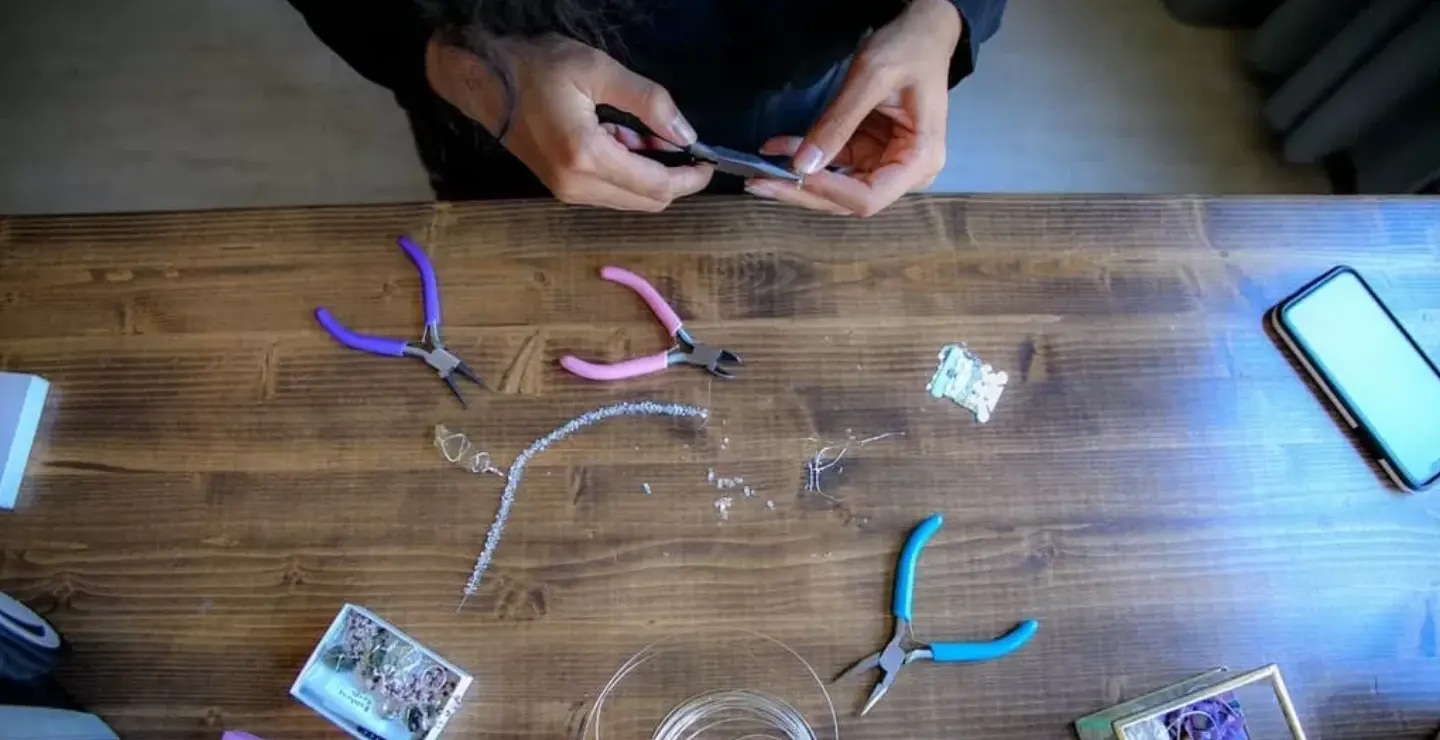
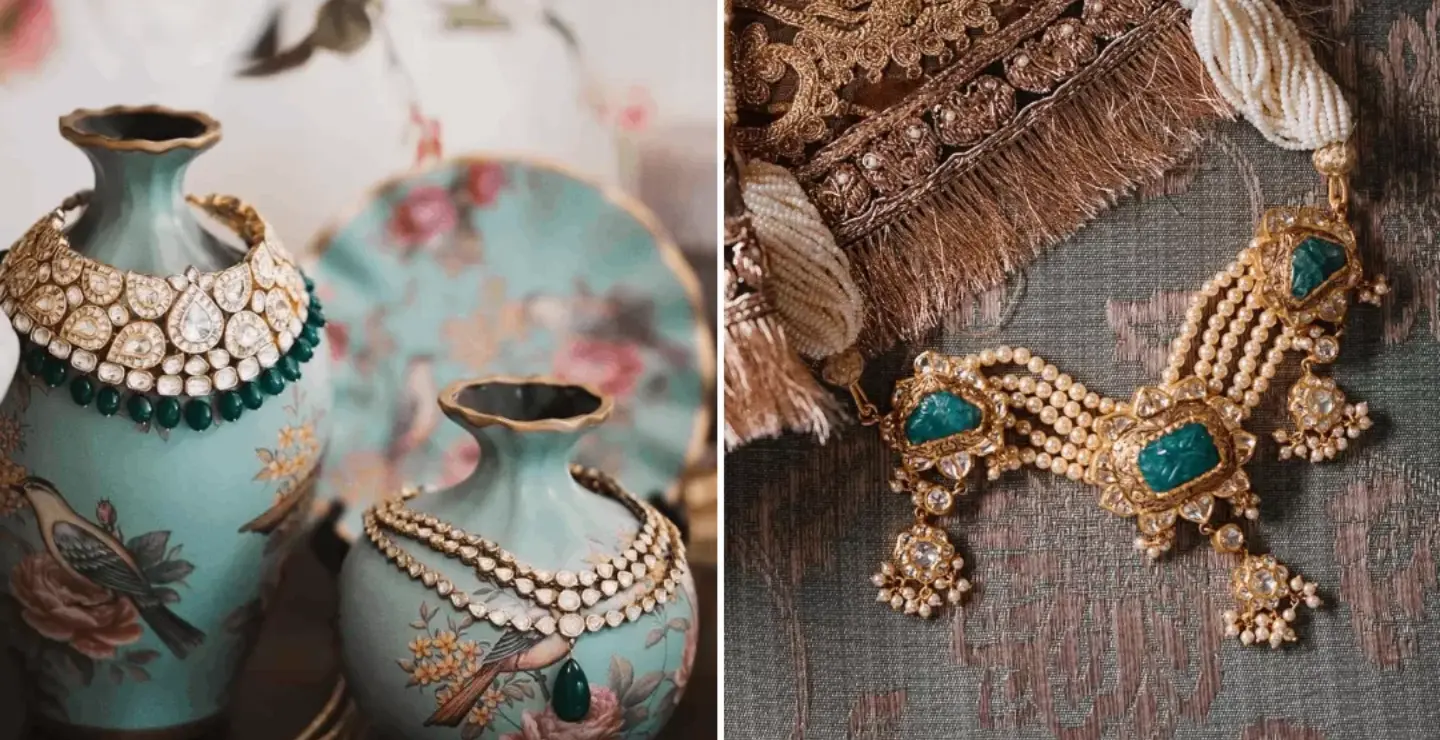
Fashion Courses Interior Design Courses Jewellery Design Courses UI/UI Courses Visual Arts Courses Other Courses OTHER COURSES Contact us Bengaluru Campus 1 : JD School of Design, No. 18-1, Brigade Road, Bengaluru,Karnataka – 560 001. Campus 2 : No. 40, Swan House, 4th Cross, Residency Road, Bengaluru, Karnataka – 560001. +91 9901 999 903 +91 9901 999 904 +91 9480 323 232 jdfashion@jdindia.com Goa Musthtifund Saunstha , Near Mahalaxmi Temple,Dada Vaidya Road, Goa-403001 +91 9606 096 060 +91 9606 048 888 jdfashion@jdindia.com Jewellery Making: Introduction to An Art   Jewellery making has been the most effective and age-old art in India and across the world. And jewellery has not always been just gold and silver; it has been so much more than just two metal forms. Emma Chapman Jewels It appears that jewellery creation was practiced in Ancient Egypt as early as 3,000–5,000 years ago. The luxury, scarcity, and workability of gold made it the metal of choice for the Egyptians. Early on, jewellery in predynastic Egypt came to represent social and religious authority. We’re honouring the natural world and educating people about environmental responsibility. We examine the little steps a jewellery maker can take to protect the environment in this blog post. Including recycling, cleaning the seashore, and finding ethical diamonds! The History of Jewellery Manufacturing A universal type of decoration is jewellery. Prehistoric jewellery composed of stones, shells, and bones is still present. It is most likely that it was worn as a status symbol or a shield from life’s hazards from a young age. TreasureBoxOriginals The development of metalworking techniques significantly aided the growth of jewelry-making in antiquity. The intricacy of the artwork and the sophistication of the metalworking skills increased with time. Antique jewellery, about 1200–1500 Europe’s mediaeval jewellery was a reflection of a deeply status-conscious and hierarchical culture. Nobility and royalty donned jewellery made of priceless stones, silver, and gold. The lower classes of society frequently wore base metals like pewter or copper. Colour (from enamel and priceless stones) and strength of defence were highly prized. Some jewels are said to protect the wearer because of inscriptions that are mysterious or mystical. In most cases, jewels were polished rather than cut until the late 14th century. Their worth was defined by their size and vibrant colour. The use of enamels, which are essentially ground glassware fired at a high temperature onto a metal surface, allowed jewellers to add colour to their designs. They employed a variety of methods to produce effects that are still often used today. Renaissance-era Jewellery The opulence that characterised the Renaissance was reflected in jewellery. With advancements in cutting processes, the brilliance of the stones rose and the enamels, which frequently covered both sides of the jewel, became more complex and brilliant. Jewellery was a reflection of both religious influence and worldly authority, with many exquisite pieces worn as symbols of political power. The designs, which showcase situations and characters from legend that are becoming more and more popular, symbolise the interest in the classical world that has recently grown. The use of portraiture not only revived the ancient art form of gem engraving, but it also symbolised a larger cultural trend: an increased focus on the individual in art. Because gold was a rare and valuable material, it was buried with the deceased to accompany it into the afterlife. Hoards and tombs contain a significant amount of archaeological jewellery. Sometimes it seems as though there was a custom for getting rid of jewellery, as with the gold collars from Celtic Ireland that were found folded in half. Wearable pieces that are skillfully crafted by artisans can best be summed up as artisan jewellery. Artisan jewellery can be manufactured from a range of materials and includes beaded bracelets, necklaces, gemstone-encrusted rings that are handmade, and beautiful metal work. Everything in artisan jewellery design is crafted by hand and is one-of-a-kind. Jewellery from the 17th century New jewellery styles were introduced by trend shifts by the middle of the 17th century. Although ornate gold jewellery was necessary for dark fabrics, the new, gentler pastel hues served as exquisite settings for pearls and gemstones. Gemstone availability increased with the growth of international trade. Gemstones shone more brilliantly in candlelight thanks to advancements in cutting techniques. Jewellery from the eighteenth century The multifaceted brilliant-cut had evolved towards the end of the preceding century. Diamonds glistened like never before and began to rule the world of jewellery creation. Magnificent sets of diamond gems were vital to life in the court and were often set in silver to bring out the white colour of the stone. The biggest decorations were worn on the bodice, while the lesser ones might be strewn all over an ensemble. Due to its significant inherent worth, very little diamond jewellery from this era remains. Owners would frequently sell it or re-set the stones in more stylish patterns. TreasureBoxOriginal Light swords with short, flexible, pointed blades first appeared around 1640 as a reaction to emerging fencing styles that prioritised thrusting quickly. As “small swords,” they were worn with civilian attire more frequently, serving as a weapon of self-defense but also primarily serving as a status symbol for a well-groomed gentleman. Jewellery made by Artisans The Arts and Crafts movement, which emerged in the latter half of the 1800s, was motivated by a deep disquiet about industrialised society. The most economical pieces were previously produced using a machine-led manufacturing system, which its jewellers rejected in favour of hand-crafting each jewel by hand. They felt that this procedure would enhance both the final design and the spirit of the worker. Large, faceted stones were shunned by Arts and Crafts jewellers, who preferred the unadulterated beauty of cabochon (shaped and polished) gems. Instead of the monotony and uniformity of conventional settings, they used figurative or curved designs, frequently with symbolic meanings. TreasureBoxOriginals The Sustaining Art of Jewellery Making The art of jewellery making is a very intricate and beautiful phenomenon, and there is no

Frank Lloyd Wright- The Great American Architect

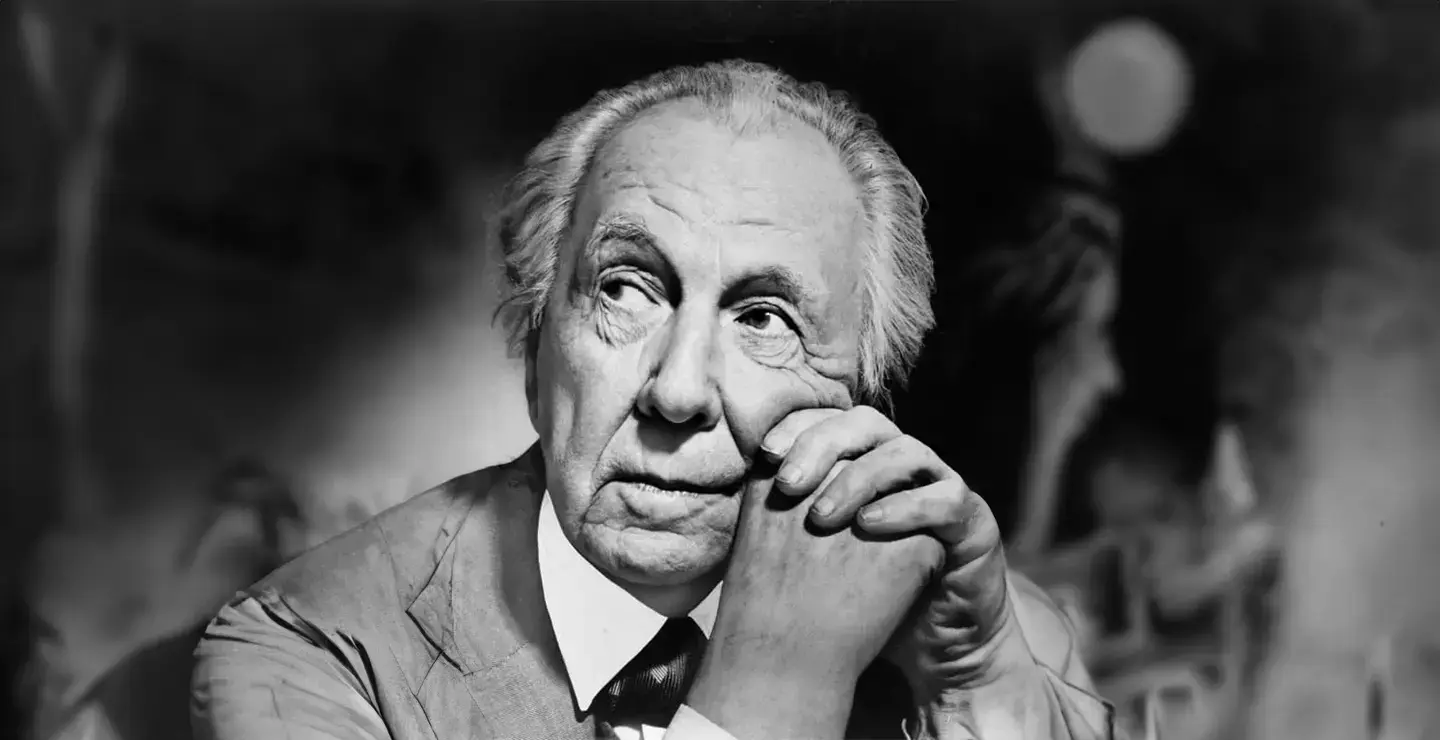
Fashion Courses Interior Design Courses Jewellery Design Courses UI/UI Courses Visual Arts Courses Other Courses OTHER COURSES Contact us Bengaluru Campus 1 : JD School of Design, No. 18-1, Brigade Road, Bengaluru,Karnataka – 560 001. Campus 2 : No. 40, Swan House, 4th Cross, Residency Road, Bengaluru, Karnataka – 560001. +91 9901 999 903 +91 9901 999 904 +91 9480 323 232 jdfashion@jdindia.com Goa Musthtifund Saunstha , Near Mahalaxmi Temple,Dada Vaidya Road, Goa-403001 +91 9606 096 060 +91 9606 048 888 jdfashion@jdindia.com Frank Lloyd Wright, a well-known American architect from the early 20th century, was born Frank Lincoln Wright passed away on April 9, 1959, after living from June 8, 1867. He designed the architectural blueprints for many different types of buildings, including petrol stations, beer gardens, art museums, banks, vacation homes, office buildings, churches and synagogues. Wright designed over 1,000 structures and completed 532 works. Wright advocated for the design of structures that coexisted peacefully with the environment and with human habitation. “Organic architecture,” he called his theory. This architectural technique was used on Fallingwater (1935), which many have referred to as “the best all-time work of American architecture.” Wright was a leading figure in the Prairie School architectural movement and the designer of the famous Usonian home, a ground-breaking idea in American urban planning. He is recognised as one of the greatest architects of the 20th century and is credited with creating the American architectural style. In Richland Centre, Wisconsin, on June 8, 1867, Wright was born into a farming family. His work features inventive and one-of-a-kind examples of various architectural styles. Wright designed a large number of the interior elements of his buildings, such as the furnishings and stained glass. Wright, who authored 20 books and countless articles, was a popular lecturer in both Europe and the US. His colourful personal life was widely publicised, particularly following the 1914 murders and fire at his Taliesin studio. Despite his considerable fame during his lifetime, Wright was named “the greatest American architect of all time” by the American Institute of Architects in 1991. Due to complications from surgery, Wright passed away in Phoenix, Arizona, on April 9, 1959. At ninety-one years of age. Early Life: Wikipedia Born in the Wisconsin farming village of Richland Centre on June 8, 1867, Frank Lloyd Wright was a man of vision. His given name at birth was Wright Frank Lincoln. His father, William Carey Wright (1825–1904), was a well-liked preacher, music instructor, occasional lawyer, and orator in the neighbourhood. William Wright had met and married Anna Lloyd Jones (1838/39–1923), a county school teacher of Welsh ancestry, while serving as the Richland County superintendent of schools the previous year. The Wright family left Richland Centre and moved to Weymouth, Massachusetts. Following that, the Wright family—who had been having financial issues in Weymouth—returned to Spring Green, Wisconsin. Their new residence was Madison. Even though William was a distant parent, he still had a passion for music and especially made sure his children heard works by Johann Sebastian Bach. Wright might have attended Madison High School, but there is no evidence to suggest he graduated. He was granted admission to the University of Wisconsin–Madison in 1886 as a special student. He collaborated with civil engineering professor Allan D. Conover there and became a member of the fraternity Phi Delta Theta. For two semesters, he also studied part-time. His new home was in Chicago, Illinois, in 1887. Wright did not get along with other draughtsmen well in his early career. He claimed that during the first few years of his apprenticeship, a number of violent incidents occurred between them. Subsequently, numerous other draughtsmen also exhibited a lack of regard for his workers. In spite of this, “Sullivan gave Wright great design responsibility and took him under his wing.” Later, Wright would address Sullivan as Lieber Meister (German for “Dear Master”) out of deference. Paul Mueller, the office foreman, and Wright also became close. Afterwards, Mueller would be hired by Wright between 1903 and 1923 to build several of his commercial and public buildings. At that time, Wright began working on residential buildings for Adler & Sullivan. [16] At the time, Wright designed his own houses. Sullivan was not aware of Frank Lloyd Wright’s contributions until 1893, when he discovered that one of the houses was a design by the architect. This particular house was built for Allison Harlan in the Kenwood neighbourhood of Chicago, a few blocks away from Sullivan’s townhouse. There are many examples of Wright’s work in Buffalo, New York, because he was friends with Darwin D. Martin. In 1902, the Larkin Company decided to build a new building. After moving to Buffalo, Wright designed homes for three of the company’s executives, including the Darwin D. Martin House (1904) and the Larkin Administration Building (1904–1950 destroyed). Wright built their summer house later. To Darwin D. Martin and Isabelle’s benefit, he also established the Graycliff Estate. Well-known structures by the legendary architect: Fallingwater: Wikipedia Frank Lloyd Wright designed a summer house for the Kaufmann family over a waterfall in Pennsylvania in 1935. He called the residence “Fallingwater.” There are those who think it is the most famous private home in the world. From a distance downstream, the house looks imposing, but it actually sits low in the valley above the stream. It features expansive terraces, some of which protrude sharply and hang over the stream or waterfall. Only thin steel supports are present in between the living area’s completely enclosed glass doors and windows. The tower has windows that reach the entire height of each of its three stories. The main material used to build the house is stone. The house’s design features strong vertical and horizontal lines. Similarities with other natural structures include the horizontal and vertical lines seen in rock formations. One can hear the sound of the waterfall throughout the entire house. Wright aimed for a tightly integrated interior-outdoor living space that exuded naturalness. Membership in the American Institute of Architects voted

Evolution and Develoment Timeline of Camera: Now and Then

Fashion Courses Interior Design Courses Jewellery Design Courses UI/UI Courses Visual Arts Courses Other Courses OTHER COURSES Do you have more questions? Read our FAQ Contact us Bengaluru Campus 1 : JD School of Design, No. 18-1, Brigade Road, Bengaluru,Karnataka – 560 001. Campus 2 : No. 40, Swan House, 4th Cross, Residency Road, Bengaluru, Karnataka – 560001. +91 9901 999 903 +91 9901 999 904 +91 9480 323 232 jdfashion@jdindia.com Goa Musthtifund Saunstha , Near Mahalaxmi Temple,Dada Vaidya Road, Goa-403001 +91 9606 096 060 +91 9606 048 888 jdfashion@jdindia.com Evolution of the Camera over the years, photography has been essential for preserving historical details and your most priceless family moments. The truth is that cameras have existed since the 1600s and even earlier. Capture archival experts have compiled a thorough history of the camera to help you understand how technology evolved from pre-film cameras to the digital camera or smartphone you use to shoot pictures of family get-togethers. Continue reading to learn about the major turning points in the history of cameras, including the daguerreotype, roll film, 35mm film, Polaroid, digital cameras, and smartphones.   Evolution of Camera Obscura: The Original Camera The majority of people think that the camera obscura was the original precursor to film cameras. A tiny hole, or lens, allowed a naturally occurring phenomenon called a “dark room” or camera obscura to project an image. Because this impact can be observed in natural environments, its origins have been determined to be around 400 BC. “When was the first camera invented?” is a common question. The pinhole camera box, which dates back to between 900 and 1000 AD, is often credited to Ibn al-Haytham. On the other hand, it has been established that the earliest documented application of a manufactured apparatus to produce a portable camera obscura effect occurred around 1550. René Descartes and Leonardo da Vinci were two prominent thinkers of the time who studied optics and used the camera obscura for drawing. Actually, the word “photography” originally meant “drawing with light.” Then, in 1685, Johann Zahn invented the first portable camera for use in photography. Nevertheless, it took more than a century for the pinhole camera obscura effect to produce the first ever lasting photograph. Joseph Nicephore Niepce used a sliding wooden box camera to manage the camera obscura phenomenon in 1826. He exposed bitumen-coated pewter for eight hours. Then, in 1834, Henry Fox Talbot discovered a method for fixing images on paper by combining chemistry and optics. This made it possible to create numerous print negatives for the first time. Camera Obscura methods included using light to expose contrasting images, directing light with a pinpoint lens, and researching optics in general. These methods would influence more commonplace later photography technologies such as celluloid film and daguerreotypes. Evolution of Daguerreotype Camera to Capture Historical Images Wikipedia After the first permanent images were produced in the early 1800s, Louis Daguerre’s invention of the daguerreotype, a metal plate process, in 1839 brought photography one step closer to its future. This format requires the development of a copper plate coated in silver chloride with hot mercury and iodine sensitization. It may appear challenging by today’s standards, but at the time, it transformed photography even more successfully. The Giroux was a mirrorless daguerreotype camera with a glass screen that could be removed to change the focus. It was the first mass-produced photography camera ever made. After the copper plate was inserted, the photographer unsnapped the top to allow light to pass through and capture an image. The completion time ranged from a few to thirty minutes. Nevertheless, by utilising new lens designs, improving the chemical process, and making other advancements, later daguerreotype cameras and competing calotype cameras shortened the exposure time to a few seconds. One of the most important evolutions in cameras throughout the 1800s was the use of a concave mirror in place of a lens within a daguerreotype camera. When Alexander Wolcott invented the mirror lens in 1839, he was granted the first US patent for photography. This translates to a shortened exposure period of about five minutes! It was also during this period that daguerreotype cameras were invented, along with a host of other contemporary lens varieties and the use of chemicals in mirror development. This allowed for the evolution of the first motion picture cameras and multi-exposure roll film cameras. Rolling Film: Multiple Views National Museum of American History he first camera to use a single roll of celluloid emulsion film was the Kodak, created in Rochester, New York, by George Eastman in 1888. The original Kodak camera could capture negatives in milliseconds, compared to other camera innovations. Eastman Kodak was going to develop the movie and market it as a point-and-shoot option. The company became one of the largest in the US as a result of the popularity of the original Kodak camera, and this allowed them to continue developing new camera models, like the well-known Kodak Brownie, which debuted in 1900. The Brownie model made photography affordable and within the reach of most middle-class households for the first time in its history. This meant that more individuals than ever could capture social events like weddings and family get-togethers. This period saw the invention of various innovations that will further forward the evolution of the camera: the portability of point-and-shoot cameras, the simplicity of done-for-you photography, and the capacity to record several exposures on a single roll of film. 35mm Film: Portability and Flexibility The next big evolution in photographic film was the 1934 release of Kodak 135 film. This 35mm-wide film made it possible to use the same kind and size of film in cameras made by any manufacturer. Additionally, since the film canister would automatically adapt, the camera operator would only need to insert it, wrap it, and watch as each picture was taken. When the roll is full, the photographer may open it without worrying about overexposing the light-sensitive film. Even though Kodak was the first company to

Martyn Lawrence Bullard: Interior design Genius

Fashion Courses Interior Design Courses Jewellery Design Courses UI/UI Courses Visual Arts Courses Other Courses OTHER COURSES Do you have more questions? Read our FAQ Contact us Bengaluru Campus 1 : JD School of Design, No. 18-1, Brigade Road, Bengaluru,Karnataka – 560 001. Campus 2 : No. 40, Swan House, 4th Cross, Residency Road, Bengaluru, Karnataka – 560001. +91 9901 999 903 +91 9901 999 904 +91 9480 323 232 jdfashion@jdindia.com Goa Musthtifund Saunstha , Near Mahalaxmi Temple,Dada Vaidya Road, Goa-403001 +91 9606 096 060 +91 9606 048 888 jdfashion@jdindia.com Martyn Lawrence Bullard:   Martyn Lawrence Bullard is an interior designer, author, and TV personality from England who now lives in Los Angeles. He has been recognized as one of the top 100 interior designers in the world by Architectural Digest and has been featured in Elle Decor’s A-List. Additionally, he has been named one of the top 25 designers by “The Hollywood Reporter.” Martyn has appeared in TV shows such as Million Dollar Decorators on Bravo and Hollywood Me on Channel 4 in the UK, as well as numerous other design programs broadcast in over 65 countries. Martyn’s Early Life:  This passage describes the early life and career beginnings of someone named Bullard. Born in Lewisham, London, Bullard started his design career as a teenager. His father, who was an actor turned businessman, would take him to the Greenwich Antiques Market in South London, where Bullard rented a stall. At the age of 13, he began buying and selling various items and learned to recognize decorator pieces that were valuable or well-designed. By the time he was 16, he had built a clientele of notable dealers and collectors, including the head buyer for Ralph Lauren Antiques, who sent Bullard’s pieces to the United States for use in dressing the windows of Lauren’s boutiques. At 17, Bullard decided to pursue acting and used his earnings to attend the Lee Strasberg Actors Studio in London’s Covent Garden. Even while studying acting, he continued buying and selling antiques and managed to raise enough money to move to Los Angeles in 1994. Martyn’s Growth: After moving to Los Angeles, Bullard appeared in various roles, including a part as Eartha Kitt’s romantic interest in Ed Wood’s final film, I Woke Up Early The Day I Died. One of the film’s producers visited Bullard’s home and, impressed by its decor, asked Bullard to decorate his office. This led to Bullard being hired to decorate the office and home of Liz Heller, a Capitol Records executive, and eventually to help create Heller’s wedding to producer John Bard Manulis. At the wedding, he sat next to Cheryl Tiegs, who became his first celebrity client. Together, they transformed Tiegs’ Bel Air home into a “Balinese-inspired pavilion,” which gained widespread media attention. This success led Bullard to build a celebrity clientele, including Rebecca Romijn and John Stamos, Christina Aguilera, Eva Mendes, and others. In addition to residential design, Bullard has designed hospitality properties around the world, such as the Colony Palms Hotel, Jimmy Choo boutiques, and the Château Gütsch Hotel. He has also won the Andrew Martin International Designer of the Year Award and authored two books published by Rizzoli, both of which achieved commercial success. His second book, “Design & Decoration,” showcased his Palm Springs vacation home and nine other projects, demonstrating his style across residential and commercial designs. Shaping a Signature Style: Bullard’s early projects in London established his reputation for audaciousness and innovation. He experimented with bold color palettes, clashing patterns, and unconventional materials, defying traditional design norms. This fearless approach soon caught the attention of Hollywood celebrities seeking homes that reflected their unique personalities. From Cher’s iconic Malibu mansion to Tommy Hilfiger’s Moroccan-inspired estate, Bullard’s designs became synonymous with luxury, individuality, and a touch of the theatrical. Beyond Residential Design: While residential projects remain Bullard’s forte, his design prowess extends far beyond private havens. He has transformed hotels, restaurants, and commercial spaces around the world, injecting his signature flair into each project. The Colony Palms Hotel in Palm Springs, with its vibrant pink facade and whimsical interiors, stands as a testament to his ability to breathe life into historic landmarks. His work on Chef Rick Bayless’s Red O restaurants is another example, where he seamlessly blends Mexican heritage with contemporary chic. A Global Design Ambassador: Bullard’s influence transcends national borders. He has worked on projects in Europe, Asia, and the Middle East, absorbing diverse cultural influences and infusing them into his designs. This global perspective expands his creative horizons and fosters a sense of inclusivity in his work. His collaborations with artisans and craftsmen worldwide celebrate cultural heritage while pushing the boundaries of design innovation. More Than Just Aesthetics: At the heart of Bullard’s design philosophy lies the belief that spaces should tell stories and evoke emotions. He goes beyond mere functionality, considering the psychological impact of each element, from the color palette to the artwork. His designs are immersive experiences, transporting inhabitants to worlds that stimulate the senses and ignite the imagination. This storytelling element is evident in his book, “Live Boldly: Design for Yourself,” where he encourages readers to embrace their individuality and create homes that reflect their unique narratives. A Life on Television: Beyond his design work, Bullard has captivated audiences with his charismatic personality on television. His appearances on shows like “Million Dollar Decorators” and “Hollywood Me” have brought the world of high-end design into living rooms, offering a glimpse into his creative process and larger-than-life persona. This exposure has broadened his reach, inspiring aspiring designers and design enthusiasts globally. Looking Ahead: Martyn Lawrence Bullard’s journey is far from over. With an ever-evolving portfolio and a relentless pursuit of innovation, he continues to push the boundaries of design. His upcoming projects include luxury hotels in Istanbul and Miami Beach, each promising to be a unique expression of his boundless creativity. Whether it’s a sprawling mansion or a cozy apartment, Bullard’s designs will continue to inspire and challenge, reminding us that spaces

How to conduct a jewellery photoshoot (2)

How to conduct a jewellery photoshoot

Fashion Courses Interior Design Courses Jewellery Design Courses UI/UI Courses Visual Arts Courses Other Courses OTHER COURSES Do you have more questions? Read our FAQ Contact us Bengaluru Campus 1 : JD School of Design, No. 18-1, Brigade Road, Bengaluru,Karnataka – 560 001. Campus 2 : No. 40, Swan House, 4th Cross, Residency Road, Bengaluru, Karnataka – 560001. +91 9901 999 903 +91 9901 999 904 +91 9480 323 232 jdfashion@jdindia.com Goa Musthtifund Saunstha , Near Mahalaxmi Temple,Dada Vaidya Road, Goa-403001 +91 9606 096 060 +91 9606 048 888 jdfashion@jdindia.com So, you’re thinking about doing a jewelry photo shoot? That’s awesome! If you’re all about fashion and styling, then you’re in for a treat. Here’s a cool guide to help you set up a killer jewellery photo shoot: Figure Out Your Goals: First things first, what’s the purpose of the shoot? Are you showing off a new collection, highlighting specific pieces, or going for a certain vibe? Knowing your goals will steer everything else you do. Build Your Team: You’ll need a solid crew—photographer, stylist, makeup artist, and models. Team up with folks who get your vision and can make the jewellery pop. Pinterest Nail the Theme: Since you’re into styling, get creative! Pick a theme that goes well with the jewellery—whether it’s vintage, modern, or inspired by something specific. This sets the vibe for the whole shoot. Scout for the Perfect Spot: Decide where you want to shoot. Whether it’s a studio, outdoors, or some cool location, make sure it fits your theme. A great backdrop makes your jewellery look even better. Pinterest Plan Your Shots: Work with your photographer to plan out the shots. Think about close-ups, details, and overall compositions. This way, you’ll have a diverse and captivating set of images. Style it Up: Since you’re into fashion, pay attention to the clothes and styling. Make sure the outfits compliment the jewellery without stealing the spotlight. Coordinate colors, textures, and overall looks. Lighting is Everything: Good lighting is key for jewellery photos. Natural light is great, but if you’re indoors, invest in quality studio lighting to bring out the details in each piece. Pinterest Props and Extras: Think about using props that fit your theme and show off the jewellery in real-life situations. It adds depth and makes your images relatable. Get Ready Before the Shoot: Make a detailed schedule for the shoot day. Plan out time for hair and makeup, outfit changes, and breaks. Being organized means a smooth and stress-free process. Pinterest Think About Post-Production: Talk to your photographer about what happens after the shoot. This includes editing, color correction, and any other tweaks to make your jewellery look amazing. Spread the Word on Social Media: Since you’re into social media, use platforms like Instagram, Facebook, and Pinterest to show off your stunning jewellery pics. Get your audience engaged and excited about your collection. Pinterest Contacting the JD Institute of Design can be a valuable way to gain further knowledge and expertise in the intersection of Jewellery and photography. JD Institute of Design is a renowned institution known for offering comprehensive courses and programs in various design disciplines, including Jewellery design and photography. By reaching out to JD Institute of Design, individuals interested in learning more about Jewellery and photography can explore many opportunities in the related field.

Visual Merchandising in Retail Stores - Window Display

Visual Merchandising in Retail Stores – Window Display

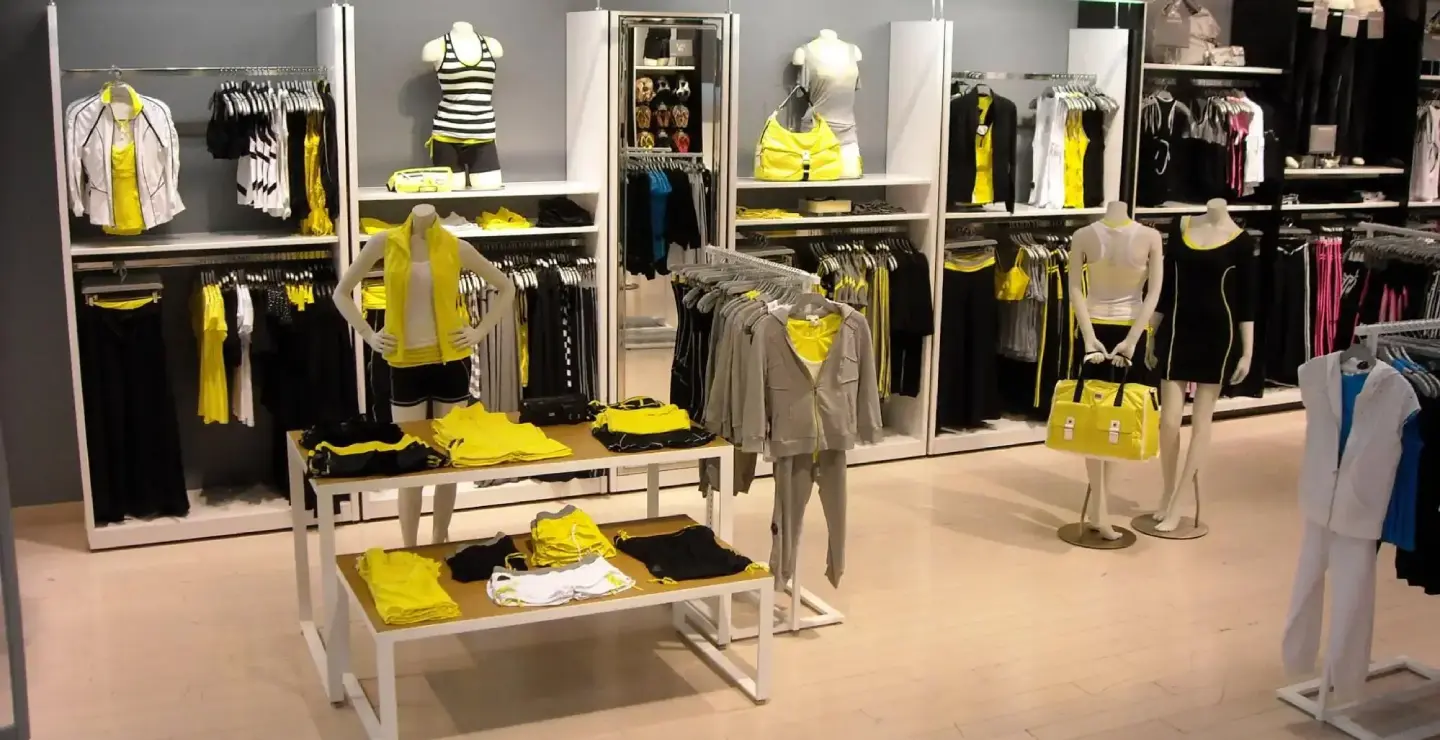
Fashion Courses Interior Design Courses Jewellery Design Courses UI/UI Courses Visual Arts Courses Other Courses OTHER COURSES Do you have more questions? Read our FAQ Contact us Bengaluru Campus 1 : JD School of Design, No. 18-1, Brigade Road, Bengaluru,Karnataka – 560 001. Campus 2 : No. 40, Swan House, 4th Cross, Residency Road, Bengaluru, Karnataka – 560001. +91 9901 999 903 +91 9901 999 904 +91 9480 323 232 jdfashion@jdindia.com Goa Musthtifund Saunstha , Near Mahalaxmi Temple,Dada Vaidya Road, Goa-403001 +91 9606 096 060 +91 9606 048 888 jdfashion@jdindia.com Visual Merchandising in Retail: The Power of Store Display Windows Visual Merchandising makes retail store windows silent salespeople, and they work 24/7 to attract customers and entice them into your store. Visual merchandising, which is the art of strategically displaying products and props to create an appealing and memorable experience, is essential in making your windows sing like a silent siren. Source: Instituto Marangoni The Importance of Effective Window Displays Effective window displays can: Increase foot traffic: A well-designed display can stop shoppers in their tracks and draw them into your store. Boost brand awareness: Your window display is an opportunity to showcase your brand personality and values. Highlight key products: Use your windows to promote new arrivals, seasonal items, or special offers. Create a positive brand image: A professional and visually appealing display reflects well on your brand. Source DFU Publications Key Elements of Visual Merchandising in Store Windows: There are several key elements to consider when creating effective window displays: Theme: Choose a theme that is relevant to your brand, target audience, and the season. Product selection: Carefully curate the products you want to showcase, ensuring they are visually appealing and representative of your brand. Mannequins and props: Use mannequins and props to create interesting scenes and tell a story. Lighting: Use lighting to highlight key products and create a mood. Signage: Keep signage clear, concise, and informative.   Tips for Creating Successful Window Displays Here are some additional tips for creating successful window displays: Keep it simple: Don’t overcrowd your display. Less is often more. Use a focal point: Draw the eye to a key product or element in your display. Consider the sightlines: Make sure your display can be seen from different angles and distances. Change your displays regularly: Keep your windows fresh and interesting by changing them up frequently. Track your results: Monitor the impact of your window displays on foot traffic and sales. By following these tips and using your creativity, you can create window displays that will stop shoppers in their tracks and drive sales for your business. Effects of a Successful Window Display: Window displays can often make or break a person’s perception of a brand, Eye-catching, visually exciting window displays can entice people to explore inside a retail space whilst dull, uninspiring displays can lead them to keep walking and ignore the store altogether. Retailers need to design effective window displays to drive traffic into their stores. It’s a unique form of advertising that defines a store and gives the consumer an idea of what the brand is all about. Window displays are also an excellent way of increasing brand awareness more widely by sparking conversations between shoppers and attracting attention from media outlets, bloggers, and online influencers. Research published in the Journal of Retailing and Customer Services highlighted how the information communicated by a store’s window display has a direct, prominent impact on the decisions and shopping behaviors of consumers and revealed how product-focused displays are the most effective when it comes to generating sales. Main Types of Window Displays: As we have mentioned, there are many different types of window displays. Each brand will have different goals, approaches, and resources, all of which will be reflected in the style of display they use. The most appropriate one for a particular brand will depend entirely on the following factors: Target market Store location Window size Products being displayed Brand identity Intelistyle The main types of window displays used by retailers are: Closed window displays Semi-closed window displays Open window displays Elevated window displays Corner window displays Island window displays Shadowbox window displays Open Window Display   Open window displays have no walls or panels behind the mannequins or merchandise to allow passers-by to see through the display itself and into the main store area beyond. Open windows are an excellent choice for retailers that are keen to showcase other product displays within the store or for brands that provide exciting in-store experiences. By enabling shoppers to get glimpses of what’s on offer inside, open window displays can prove to be an ultra-effective way of tempting people through the doors. Conclusions Window displays are one of the most important aspects of retail design and visual merchandising strategies. They are proven to capture the attention of shoppers and entice them into a store to explore the products and services within before making a purchase. With proper planning and innovative designs, window displays can effectively boost brand awareness and footfall. Unlock Your Visual Merchandising Potential: JD Design Institute empowers you to become a visual maestro with its comprehensive course offerings: Certificate Course in Visual Merchandising: Gain the fundamentals of creating impactful displays, exploring color, lighting, composition, and product storytelling. Diploma in Visual Merchandising: Deepen your knowledge with advanced techniques, covering trend analysis, window display design, and space planning. Advanced Diploma in Visual Merchandising: Become an industry expert, diving into retail branding, marketing strategies, and omnichannel visual merchandising. Visual merchandising is an art and a science. With the right training and a creative spark, you can transform retail spaces into powerful sales engines and unforgettable brand experiences. Ready to unleash your visual magic? Explore JD Design Institute’s visual merchandising courses and embark on your journey to retail success!