Category: Design Blogs

graphic Design

How to Succeed as a Freelance Graphic Designer?

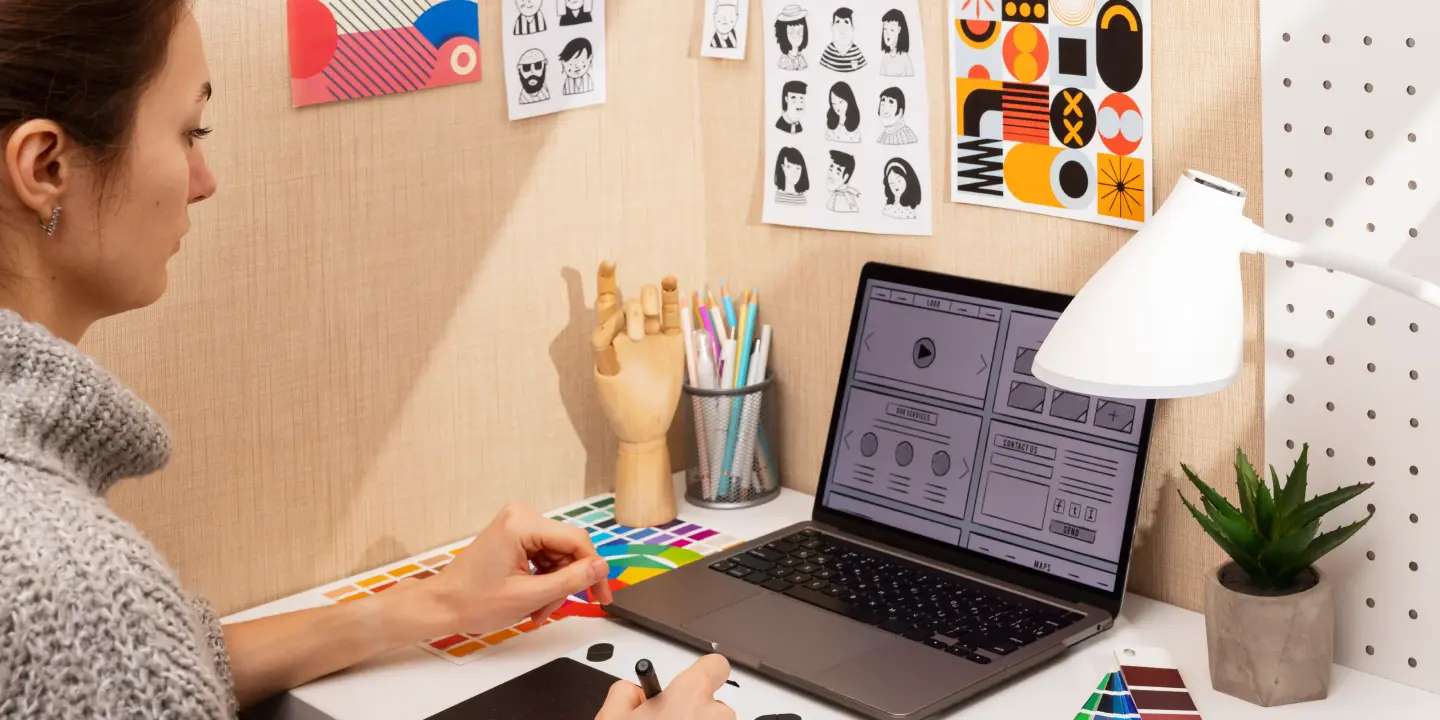
Fashion Courses Interior Design Courses Jewellery Design Courses UI/UI Courses Visual Arts Courses Other Courses OTHER COURSES   Contact us Bengaluru Campus 1 : JD School of Design, No. 18-1, Brigade Road, Bengaluru,Karnataka – 560 001. Campus 2 : No. 40, Swan House, 4th Cross, Residency Road, Bengaluru, Karnataka – 560001. +91 9901 999 903 +91 9901 999 904 +91 9480 323 232 jdfashion@jdindia.com Goa Musthtifund Saunstha , Near Mahalaxmi Temple,Dada Vaidya Road, Goa-403001 +91 9606 096 060 +91 9606 048 888 jdfashion@jdindia.com Have you ever dreamt of being your own boss, setting your own schedule, and choosing exciting design projects that truly inspire you? Freelance graphic designing can offer all of this and more. With the rise of the gig economy and the ever-growing demand for digital and visual content, now is the perfect time to explore your career as a freelance graphic designer. But here’s the thing: freelancing isn’t just about having great design skills. It’s about managing clients, building a portfolio, marketing yourself, and handling the ups and downs of self-employment. If you’re a student considering a graphic designing course in Bangalore, this guide will help you prepare for a thriving freelance career. Let’s dive into actionable tips to ace the world of freelance graphic designing. Benefits of Becoming a Freelance Graphic Designer Freedom to Choose Projects You Love As a freelance graphic designer, you have the autonomy to select projects that align with your interests and passion. Whether it’s branding for a startup, creating social media content, or designing book covers, you get to work on projects that inspire you. This creative freedom makes freelancing an appealing option for many designers. Flexibility in Your Schedule One of the most significant perks of freelancing is the ability to set your own hours. Unlike a 9-to-5 job, freelancing allows you to work when you feel most productive. Whether you’re an early bird or a night owl, you can structure your day to suit your lifestyle while maintaining a healthy work-life balance. Increase in Earning Potential Freelancing removes the cap on how much you can earn. Your income depends on the number of clients you take on, the rates you set, and the types of projects you pursue. As you gain experience and build a strong reputation, you can charge premium rates for your services, significantly increasing your earning potential. Opportunity to Work with Diverse Clients Freelance graphic designers often work with clients from various industries, including tech, fashion, real estate, and entertainment. This diversity keeps the work exciting and broadens your skill set as you adapt to different brand voices, styles, and requirements. Work at Your Comfort  Thanks to the digital nature of graphic design, you can work from virtually anywhere. Whether you’re at home, in a café, or traveling abroad, freelancing offers the flexibility to take your work wherever you go. All you need is a laptop, design software, and a reliable internet connection. Opportunity for Continuous Growth Freelancers constantly learn and evolve. Every project presents a chance to refine your skills, explore new design trends, and challenge yourself creatively. Additionally, freelancing often requires learning business skills like marketing, client management, and finance, making you a well-rounded professional. Building Your Own Brand As a freelancer, you’re not just a designer—you’re also an entrepreneur. You have the opportunity to create a personal brand that reflects your unique style and values. Over time, this brand can become synonymous with quality and creativity, attracting clients who resonate with your vision. Tips on How to Ace as a Freelance Graphic Designer   1. Master Your Craft: Build Strong Graphic Design Skills Before you embark on your journey as a freelance graphic designer, you need to ensure your design skills are top-notch. Freelancers are hired for their expertise, and standing out in a competitive market requires mastery in tools, techniques, and trends. Enroll in a Graphic Design Course: Look for the Best Graphic Designing Course in Bangalore, and join colleges like JD School of Design where students are taught design principles, typography, color theory, and software like Adobe Illustrator, Photoshop, and InDesign. Stay Updated: Trends in graphic design change constantly. Subscribe to design blogs, follow influencers on social media, and experiment with new techniques. Practice, Practice, Practice: Work on mock projects or redesign existing logos, posters, or websites to hone your skills. 2. Create a Portfolio That Wows Your portfolio is your ticket to landing clients as a freelance graphic designer. It’s not just about showcasing your work—it’s about telling your story as a designer. Focus on Quality Over Quantity: Include 8-10 of your best works that reflect your style and versatility. Highlight Real-World Applications: Show how your designs solve problems or enhance brand identity. Include mock-ups to make your work look professional. Personal Branding: Design a logo, choose a color palette, and create a consistent style for your portfolio, whether it’s a website, PDF, or Behance profile. 3. Develop a Niche Specializing in a specific area of graphic design can set you apart from the competition. Identify Your Interests: Do you love branding, packaging design, web design, or social media graphics? Choose a niche that excites you. Market Yourself Accordingly: Position yourself as an expert in your niche by tailoring your portfolio, social media, and marketing efforts. 4. Learn the Business Side of Freelancing Becoming a freelance graphic designer is as much about running a business as it is about designing. Understanding the logistics will save you from common pitfalls. Set Your Rates: Research industry standards and decide whether to charge hourly, per project, or on a retainer basis. Don’t undervalue your work. Contracts Are Key: Always use contracts to outline the scope of work, deadlines, revisions, and payment terms. It protects both you and your clients. Manage Finances: Track your income and expenses, save for taxes, and consider invoicing tools like FreshBooks or QuickBooks to stay organized. 5. Build a Strong Online Presence In today’s digital world, your online presence is often your first impression. Create a Website: Showcase your

M.Des in Interior Design

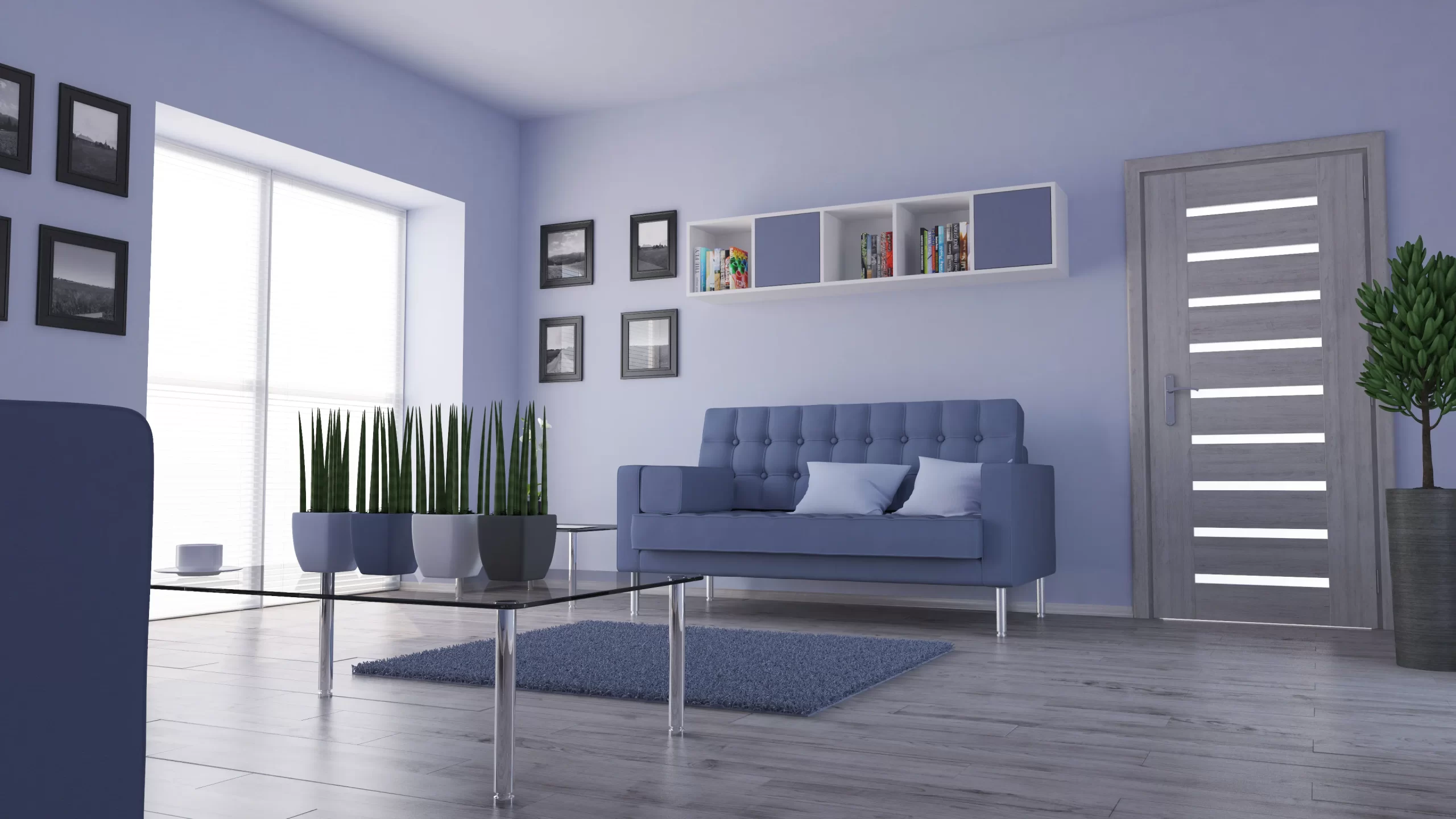
Living Room Decor Ideas Under a Budget

Fashion Courses Interior Design Courses Jewellery Design Courses UI/UI Courses Visual Arts Courses Other Courses OTHER COURSES   Contact us Bengaluru Campus 1 : JD School of Design, No. 18-1, Brigade Road, Bengaluru,Karnataka – 560 001. Campus 2 : No. 40, Swan House, 4th Cross, Residency Road, Bengaluru, Karnataka – 560001. +91 9901 999 903 +91 9901 999 904 +91 9480 323 232 jdfashion@jdindia.com Goa Musthtifund Saunstha , Near Mahalaxmi Temple,Dada Vaidya Road, Goa-403001 +91 9606 096 060 +91 9606 048 888 jdfashion@jdindia.com Everyone has a particular idea in mind when it comes to decorating their living rooms. Some might go for the aesthetic vibe and some might prefer a colorful and vibrant vibe. But there’s always that one aspect that might be a hindrance in bringing your dream living room to life – the budget. People might sometimes assume that only designer furniture or high-end decor can make your living room stand out. But what you actually need is a creative approach and an eye for budget-friendly living room decor ideas. The living room in any home is the heart of your home, where you unwind, host friends, and spend quality time with family. A well-designed space can uplift your mood, create a cozy ambiance, and reflect your unique style. But here’s the good news: creating a beautiful living room isn’t about how much money you spend; it’s about how resourceful and imaginative you can be. Whether you’re repurposing old furniture, adding DIY touches, or rearranging what you already own, transforming your living room can be an exciting and rewarding process. This blog is your ultimate guide to decorating your living room without burning a hole in your pocket. From simple yet impactful wall treatments to affordable lighting hacks and cozy textiles, we’ll cover everything you need to give your space a fresh, stylish makeover. We’ll also show you how to shop smart, explore DIY projects, and incorporate personal touches that make your living room uniquely yours. Budget Friendly Living Room Decor Ideas 1. Start with What You Have: Declutter and Rearrange Before you spend a single penny, take a good look around your living room. Chances are, there are things you already own that can be repurposed or rearranged to give your space a fresh feel. Declutter Your Space: Start by removing items that no longer serve a purpose or fit the aesthetic you’re aiming for. A clutter-free room instantly feels more spacious and organized. Rearrange Furniture: Sometimes, simply changing the layout of your room can make a world of difference. Experiment with moving your sofa, chairs, and coffee table to create a new focal point. Repurpose Items: Turn old trunks into coffee tables, stack books to create side tables, or repurpose unused jars and bottles into decorative vases. 2. Add a Splash of Color with Paint or Wallpaper A fresh coat of paint or an accent wall can dramatically change the look of your living room without costing much. Paint an Accent Wall: Choose a bold color for one wall to create a focal point. It’s an inexpensive way to add character. Temporary Wallpaper: Peel-and-stick wallpaper is a budget-friendly option that’s easy to apply and remove. You can use it to add patterns or textures without committing to permanent changes. DIY Art with Paint: Use leftover paint to create abstract art pieces on canvas for a personalized touch. 3. DIY Decor Projects to Save Big Get creative and make your own decor pieces. This budget-friendly living room decor idea and adds a personal touch to your space. Gallery Wall: Print your favorite photos or download free artwork online and frame them using affordable frames. Mason Jar Crafts: Use mason jars as vases, candle holders, or storage for small items. Repurpose Old Furniture: Sand down and paint old furniture pieces for a brand-new look. 4. Maximize Space with Smart Storage A well-organized room feels more inviting and spacious, even on a budget. Floating Shelves: Install affordable floating shelves to display books, plants, or decor items. Storage Baskets: Use wicker or cloth baskets to store blankets, magazines, or toys. Built-In Hacks: Create faux built-ins using a combination of affordable shelving units and clever paint jobs. 5. Go Green with Indoor Plants Plants are a budget-friendly way to add life and vibrancy to your living room. Low-Cost Options: Pothos, spider plants, and succulents are affordable, low-maintenance choices. DIY Planters: Repurpose mason jars, tin cans, or old mugs as planters. Decorate them with paint or twine for a personalized touch. Vertical Gardens: If you’re short on space, create a vertical garden using shelves or a wall-mounted planter system. 6. Smart Furniture Choices If you’re buying new furniture, think smart and shop for versatile pieces. Second-Hand Furniture: Check out thrift stores, flea markets, and online platforms for budget-friendly furniture. Multipurpose Furniture: Invest in items like storage ottomans, foldable tables, or sofa beds that serve dual purposes. DIY Pallet Furniture: Create custom seating, tables, or shelving with wooden pallets. It’s cost-effective and adds a rustic charm to your decor. 7. Personalize Your Space Personal touches are great living room decor ideas that can make your living room feel unique and inviting. Photo Displays: Hang a string of photos with fairy lights or create a DIY photo collage. Books and Memorabilia: Use books, souvenirs, and collectibles as decor to showcase your personality. Sentimental Pieces: Incorporate family heirlooms or meaningful items into your decor for a touch of nostalgia. How These Living Room Decor Ideas Can Create a Lasting Impression The living room is often the first thing guests notice when they enter your home. Thoughtful decor choices in this space set the tone for the rest of your house. By incorporating well-planned design elements, you can create a welcoming, stylish, and cohesive look that reflects your personality and enhances your home’s overall appearance. 1. Optimizes Space: Clever furniture choices, like nesting tables or wall-mounted shelves, make the most of available space. These ideas help create a well-organized and functional living room. 2. Boosts

What is Sustainable Fashion and Why is it Important

What is Sustainable Fashion and Why is it Important?

Fashion Courses Interior Design Courses Jewellery Design Courses UI/UI Courses Visual Arts Courses Other Courses OTHER COURSES   Contact us Bengaluru Campus 1 : JD School of Design, No. 18-1, Brigade Road, Bengaluru,Karnataka – 560 001. Campus 2 : No. 40, Swan House, 4th Cross, Residency Road, Bengaluru, Karnataka – 560001. +91 9901 999 903 +91 9901 999 904 +91 9480 323 232 jdfashion@jdindia.com Goa Musthtifund Saunstha , Near Mahalaxmi Temple,Dada Vaidya Road, Goa-403001 +91 9606 096 060 +91 9606 048 888 jdfashion@jdindia.com Graphic design is everywhere—from the apps on your phone to the billboards you pass by daily. But have you ever wondered how these visual masterpieces come to life? The magic lies in graphic design softwares. For students studying in a graphic design institute in Bangalore, mastering the right tools is like equipping yourself with a superpower. Whether you’re sketching logos, editing photos, or designing digital illustrations, the right graphic design software can make all the difference. Did you know that Adobe Photoshop, one of the most popular design tools, has been around since 1988? Over the decades, the landscape of graphic design software has evolved dramatically. Today, students have access to a wide range of powerful, user-friendly, and even free tools. But with so many options, it can be overwhelming to decide where to start. That’s why we’ve curated this guide to the best graphic design software for aspiring designers like you. Let’s dive in and explore the tools that can help unleash your creativity! Why Software Matters in Graphic Design Graphic design is more than just creativity—it’s the perfect blend of artistic talent and technical tools. While your imagination brings ideas to life, the right software helps you execute those ideas with precision, efficiency, and professionalism. For students stepping into the world of graphic design, understanding the importance of software is critical to building a solid foundation for your future career. Here’s why graphic design software plays such a pivotal role: Turning Ideas into Reality Graphic design software provides the tools to translate your creative visions into tangible designs. From crafting intricate illustrations to manipulating photographs, these tools empower you to bring your ideas to life in ways that paper and pencil cannot. With software like Adobe Illustrator, you can create scalable vector graphics, while Photoshop lets you edit images with pixel-perfect precision. Enhancing Efficiency Gone are the days of manual design processes. Graphic design software speeds up your workflow by offering templates, automation tools, and shortcuts. Features like layer management, alignment tools, and pre-set color palettes save time and reduce repetitive tasks, allowing you to focus more on the creative aspects. Expanding Creative Possibilities With advanced features like 3D modeling, digital painting, and photo manipulation, graphic design software expands the boundaries of what’s possible. Tools like Procreate offer intuitive brush systems for illustrators, while Blender enables designers to delve into 3D animation and motion graphics. Building Professional-Grade Designs Clients and employers expect high-quality, professional-grade work. Graphic design software ensures your projects meet industry standards. Features like precise color calibration, resolution settings, and typography tools ensure that your designs look as polished in print as they do on-screen. Preparing for a Competitive Industry Mastering popular software gives you an edge in the competitive world of design. Employers often prioritize candidates who are proficient in industry-standard tools like Adobe Creative Suite, Figma, and Sketch. By learning these tools early, you position yourself as a competent and job-ready designer. Flexibility Across Design Fields Graphic design softwares aren’t limited to one area—it spans various fields like branding, UI/UX design, digital marketing, and even 3D modeling. Whether you want to design logos, create website mockups, or edit photos, the versatility of these tools allows you to explore diverse career paths. Top Graphic Design Software for Beginners Adobe Photoshop Best For: Photo editing, digital painting, and general design. Why Students Love It: Photoshop is a versatile tool that helps you manipulate images, create composites, and even illustrate from scratch. Its vast library of brushes and filters makes it a favorite among digital artists. Canva Best For: Quick designs, social media graphics, and presentations. Why Students Love It: Canva’s drag-and-drop interface is perfect for beginners. It offers thousands of templates for everything from Instagram posts to resumes. Inkscape Best For: Vector-based designs and illustrations. Why Students Love It: Inkscape is free and open-source, making it accessible to students on a budget. It’s an excellent alternative to Adobe Illustrator for creating scalable graphics. Adobe Illustrator Best For: Vector graphics, illustrations, and typography. Why It’s Essential: Illustrator allows precise control over paths, shapes, and colors, making it a staple for professional logo and branding projects. Figma Best For: UI/UX design and team collaboration. Why Students Should Try It: Figma’s cloud-based platform is ideal for working on design projects with classmates. Its intuitive interface makes learning UI/UX concepts easier. CorelDRAW Best For: Vector illustration and page layout. Why It’s Useful: CorelDRAW is a versatile tool that combines illustration and desktop publishing. It’s widely used in the print industry. Procreate Best For: Digital painting and illustration. Why It Stands Out: Available exclusively for iPads, Procreate offers an unparalleled drawing experience for illustrators. Blender Best For: 3D design and animation. Why Students Should Explore It: Blender is a free, open-source tool for creating 3D models, animations, and visual effects. It’s a must-learn for students interested in motion graphics. How to Choose the Right Graphic Design Softwares Selecting the right one, among the graphic design softwares that are available, is a crucial step in your creative journey, especially for students who are just starting out. The software you choose should align with your design goals, skill level, and budget. With so many options available, narrowing down the right tool might feel overwhelming, but breaking it into key considerations can make the process simpler and more effective. Let’s explore the factors to consider and actionable tips to help you make an informed decision. Define Your Design Focus : Choose software based on your needs: photo editing (Photoshop), vector

Graphic design softwares

What are the Best Graphic Design Softwares?

Fashion Courses Interior Design Courses Jewellery Design Courses UI/UI Courses Visual Arts Courses Other Courses OTHER COURSES Contact us Bengaluru Campus 1 : JD School of Design, No. 18-1, Brigade Road, Bengaluru,Karnataka – 560 001. Campus 2 : No. 40, Swan House, 4th Cross, Residency Road, Bengaluru, Karnataka – 560001. +91 9901 999 903 +91 9901 999 904 +91 9480 323 232 jdfashion@jdindia.com Goa Musthtifund Saunstha , Near Mahalaxmi Temple,Dada Vaidya Road, Goa-403001 +91 9606 096 060 +91 9606 048 888 jdfashion@jdindia.com Graphic design is everywhere—from the apps on your phone to the billboards you pass by daily. But have you ever wondered how these visual masterpieces come to life? The magic lies in graphic design softwares. For students studying in a graphic design institute in Bangalore, mastering the right tools is like equipping yourself with a superpower. Whether you’re sketching logos, editing photos, or designing digital illustrations, the right graphic design software can make all the difference. Did you know that Adobe Photoshop, one of the most popular design tools, has been around since 1988? Over the decades, the landscape of graphic design software has evolved dramatically. Today, students have access to a wide range of powerful, user-friendly, and even free tools. But with so many options, it can be overwhelming to decide where to start. That’s why we’ve curated this guide to the best graphic design software for aspiring designers like you. Let’s dive in and explore the tools that can help unleash your creativity! Why Software Matters in Graphic Design Graphic design is more than just creativity—it’s the perfect blend of artistic talent and technical tools. While your imagination brings ideas to life, the right software helps you execute those ideas with precision, efficiency, and professionalism. For students stepping into the world of graphic design, understanding the importance of software is critical to building a solid foundation for your future career. Here’s why graphic design software plays such a pivotal role: Turning Ideas into Reality Graphic design software provides the tools to translate your creative visions into tangible designs. From crafting intricate illustrations to manipulating photographs, these tools empower you to bring your ideas to life in ways that paper and pencil cannot. With software like Adobe Illustrator, you can create scalable vector graphics, while Photoshop lets you edit images with pixel-perfect precision. Enhancing Efficiency Gone are the days of manual design processes. Graphic design software speeds up your workflow by offering templates, automation tools, and shortcuts. Features like layer management, alignment tools, and pre-set color palettes save time and reduce repetitive tasks, allowing you to focus more on the creative aspects. Expanding Creative Possibilities With advanced features like 3D modeling, digital painting, and photo manipulation, graphic design software expands the boundaries of what’s possible. Tools like Procreate offer intuitive brush systems for illustrators, while Blender enables designers to delve into 3D animation and motion graphics. Building Professional-Grade Designs Clients and employers expect high-quality, professional-grade work. Graphic design software ensures your projects meet industry standards. Features like precise color calibration, resolution settings, and typography tools ensure that your designs look as polished in print as they do on-screen. Preparing for a Competitive Industry Mastering popular software gives you an edge in the competitive world of design. Employers often prioritize candidates who are proficient in industry-standard tools like Adobe Creative Suite, Figma, and Sketch. By learning these tools early, you position yourself as a competent and job-ready designer. Flexibility Across Design Fields Graphic design softwares aren’t limited to one area—it spans various fields like branding, UI/UX design, digital marketing, and even 3D modeling. Whether you want to design logos, create website mockups, or edit photos, the versatility of these tools allows you to explore diverse career paths. Top Graphic Design Software for Beginners Adobe Photoshop Best For: Photo editing, digital painting, and general design. Why Students Love It: Photoshop is a versatile tool that helps you manipulate images, create composites, and even illustrate from scratch. Its vast library of brushes and filters makes it a favorite among digital artists. Canva Best For: Quick designs, social media graphics, and presentations. Why Students Love It: Canva’s drag-and-drop interface is perfect for beginners. It offers thousands of templates for everything from Instagram posts to resumes. Inkscape Best For: Vector-based designs and illustrations. Why Students Love It: Inkscape is free and open-source, making it accessible to students on a budget. It’s an excellent alternative to Adobe Illustrator for creating scalable graphics. Adobe Illustrator Best For: Vector graphics, illustrations, and typography. Why It’s Essential: Illustrator allows precise control over paths, shapes, and colors, making it a staple for professional logo and branding projects. Figma Best For: UI/UX design and team collaboration. Why Students Should Try It: Figma’s cloud-based platform is ideal for working on design projects with classmates. Its intuitive interface makes learning UI/UX concepts easier. CorelDRAW Best For: Vector illustration and page layout. Why It’s Useful: CorelDRAW is a versatile tool that combines illustration and desktop publishing. It’s widely used in the print industry. Procreate Best For: Digital painting and illustration. Why It Stands Out: Available exclusively for iPads, Procreate offers an unparalleled drawing experience for illustrators. Blender Best For: 3D design and animation. Why Students Should Explore It: Blender is a free, open-source tool for creating 3D models, animations, and visual effects. It’s a must-learn for students interested in motion graphics. How to Choose the Right Graphic Design Softwares Selecting the right one, among the graphic design softwares that are available, is a crucial step in your creative journey, especially for students who are just starting out. The software you choose should align with your design goals, skill level, and budget. With so many options available, narrowing down the right tool might feel overwhelming, but breaking it into key considerations can make the process simpler and more effective. Let’s explore the factors to consider and actionable tips to help you make an informed decision. Define Your Design Focus : Choose software based on your needs: photo editing (Photoshop), vector graphics

Jewellery making materials

8 Essential Jewellery Making Materials Every Student Must Know

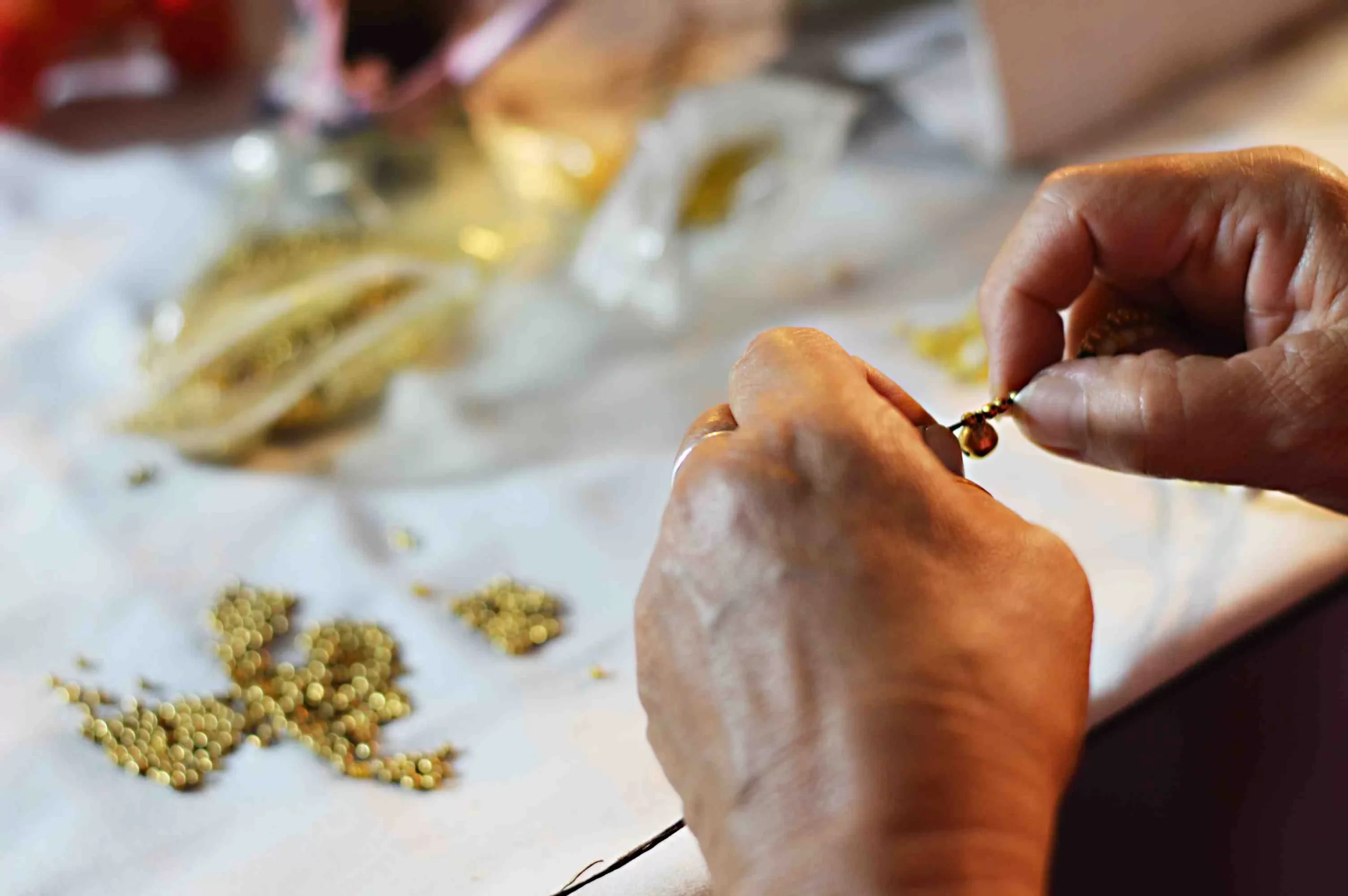
Did you know that humans have been making jewellery for over 75,000 years? Archaeologists have discovered ancient necklaces made from shells and stones, proving that jewellery making is one of the oldest forms of artistic expression. Today, jewellery design has evolved into a dynamic field where creativity meets craftsmanship, offering endless opportunities to craft stunning, wearable art. For students stepping into a jewellery design institute in Bangalore, understanding materials is crucial. After all, the materials you choose will determine your design’s aesthetic, durability, and even its market appeal. Whether you dream of designing intricate gold rings or funky resin earrings, knowing the essentials of jewellery making materials will set you on the path to success. Let’s dive into the eight must-know materials that every aspiring jewellery designer should explore.   1. Precious Metals: The Backbone of Jewellery Design Precious metals like gold, silver, and platinum have been staples among the different jewellery making materials for centuries. They’re loved for their beauty, versatility, and durability. Gold: Known for its timeless appeal, gold comes in various purities (24K being the purest) and colors, including yellow, white, and rose gold. Gold is often alloyed with other metals to enhance strength, making it ideal for rings, necklaces, and bracelets. Silver: A more affordable option, sterling silver (92.5% silver) is widely used in modern jewellery. It’s perfect for creating elegant yet cost-effective designs. Platinum: The most durable and luxurious of precious metals, platinum is hypoallergenic and resistant to tarnish, making it a favorite for engagement rings and high-end pieces. Interesting Fact: Gold is so malleable that a single gram can be stretched into a thread over two kilometers long!   2. Gemstones: Adding Color and Sparkle Gemstones bring life and vibrancy to jewellery. From precious gems like diamonds, rubies, and emeralds to semi-precious stones like amethyst and turquoise, the options for jewellery making materials are endless. Diamonds: Known as a “girl’s best friend,” diamonds are the hardest natural material on Earth, symbolizing strength and eternity. Colored Gems: Rubies, sapphires, and emeralds are valued for their rarity and rich hues. Synthetic Gemstones: Affordable and ethical, lab-grown gems like moissanite and  cubic zirconia mimic the brilliance of natural stones. Pro Tip for Students: Learn to identify and grade gemstones. Knowledge of the “4 Cs” (Cut, Clarity, Color, Carat) is essential for creating and selling gemstone jewellery.   3. Beads: Versatile and Creative Beads are a jewelry designer’s playground, offering endless possibilities for customization. Glass Beads: Available in a myriad of colors and shapes, they’re perfect for creating vibrant, bohemian pieces. Wooden Beads: Lightweight and eco-friendly, wooden beads are ideal for earthy, rustic designs. Crystal Beads: Swarovski crystals and other premium brands elevate your designs with a luxurious sparkle. Fun Fact: The art of bead-making dates back to 3,000 BCE in Mesopotamia, where artisans crafted beads from clay and precious stones.     4. Wires: The Invisible Hero Wires are essential for structural support and shaping designs. They come in various gauges, materials, and finishes. Metal Wires: Sterling silver, gold-filled, or copper wires are popular choices for intricate designs like wire-wrapping and hoop earrings. Memory Wire: A flexible, coiled wire ideal for creating bangles and bracelets. Artistic Wire: Available in colorful, non-tarnish coatings, perfect for playful, modern jewellery. Student Tip: Master wire gauges! Thicker wires (lower gauge numbers) are great for structure, while thinner wires (higher gauge numbers) work best for delicate details.   5. Resins: The Modern Trendsetter Resins have revolutionized jewellery-making with their versatility and creative potential. From embedding flowers to creating abstract patterns, resin opens up a world of possibilities. Epoxy Resin: The most popular choice for jewellery, it hardens into a glass-like finish. UV Resin: Cures quickly under UV light, perfect for small, intricate designs. Eco-Resin: A sustainable alternative for eco-conscious designers. Fun Fact: Resin jewellery gained popularity in the 1960s and is making a big comeback in today’s fashion world!     6. Leather and Textiles: For a Rustic or Bohemian Touch Leather and textiles add texture and character to jewellery, ideal for casual and unisex designs. Leather Strips and Cords: Perfect for bracelets and necklaces, leather provides a rugged, durable look. Macramé Threads: Used for creating intricate knots in boho-inspired jewellery. Silk Ribbons: A luxurious addition to pendants and charms. Student Insight: Experiment with combining leather or textiles with metal for a modern, mixed-material aesthetic.   7. Clays: Sculpt Your Imagination Jewellery clays allow for unlimited creativity, letting you sculpt, shape, and bake your designs. Polymer Clay: A versatile material that hardens in a standard oven, perfect for creating colorful beads and charms. Metal Clay: Composed of metal particles, it can be shaped and fired to create pure metal jewellery. Air-Dry Clay: Ideal for students working on quick prototypes or lightweight designs.   Did You Know? Metal clay can transform into fine silver or gold after firing in a kiln!   8. Chains and Findings: The Finishing Touch Chains and findings are the unsung heroes that hold your designs together and give them a polished look. Chains: From delicate link chains to bold curb styles, chains add movement and versatility to your designs. Findings: Clasps, jump rings, ear wires, and bails are essential components for completing jewellery pieces. Settings: Bezels and prongs securely hold gemstones in place. Pro Tip: Always invest in high-quality findings to ensure the durability and professional finish of your jewellery. How to Choose the Right Jewellery Making Materials Choosing the right jewellery making materials isn’t just about aesthetics; it’s about knowing how they work, what they symbolize, and how they enhance your designs. The materials you use can influence not only the look and feel of your jewellery but also its durability, functionality, and market appeal. Whether you’re designing a dainty necklace, bold statement earrings, or a timeless engagement ring, the right materials are key to achieving your vision.   1. Understand Your Design Goals Think about the style of jewellery you want to create. Are you aiming for bold, statement pieces or delicate, minimalist designs? Your

Specializations in interior design courses in Bangalore

Specializations in interior design courses in Bangalore

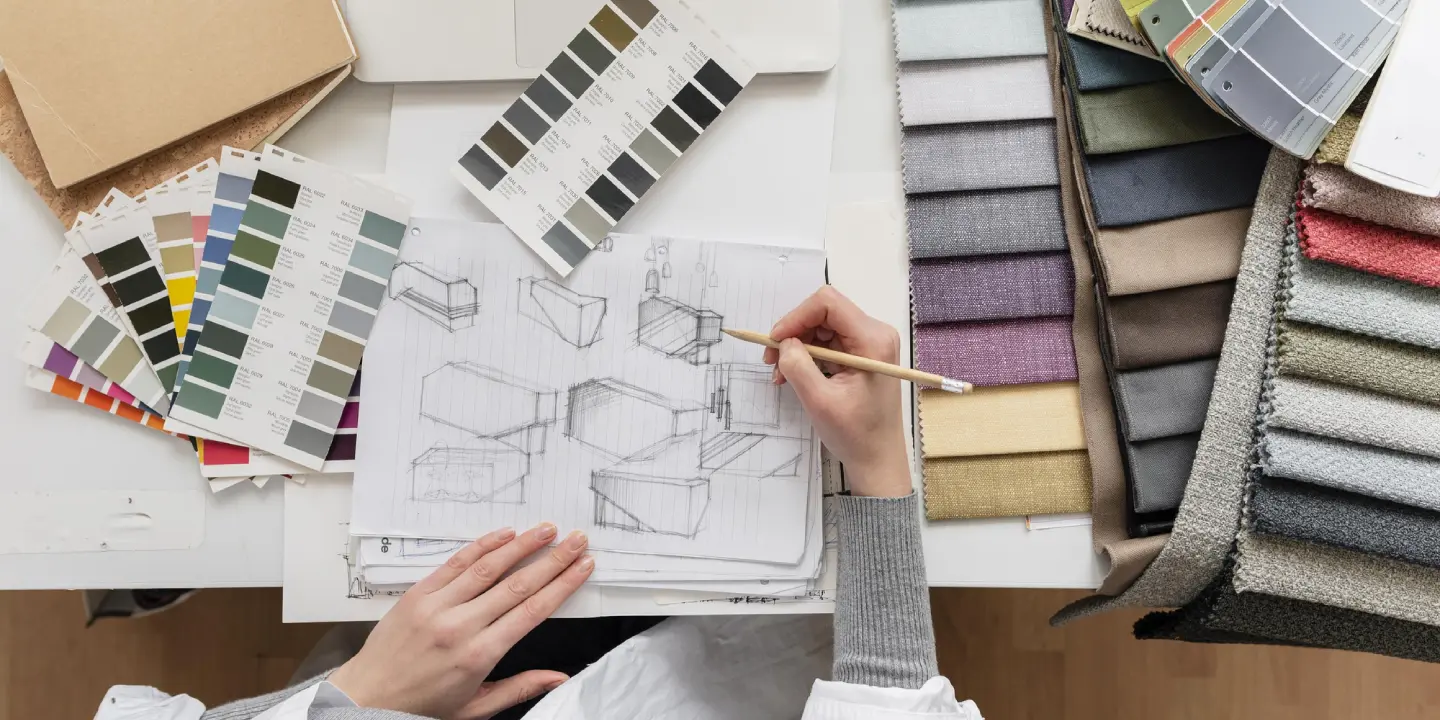
Fashion Courses Interior Design Courses Jewellery Design Courses UI/UI Courses Visual Arts Courses Other Courses OTHER COURSES Contact us Bengaluru Campus 1 : JD School of Design, No. 18-1, Brigade Road, Bengaluru,Karnataka – 560 001. Campus 2 : No. 40, Swan House, 4th Cross, Residency Road, Bengaluru, Karnataka – 560001. +91 9901 999 903 +91 9901 999 904 +91 9480 323 232 jdfashion@jdindia.com Goa Musthtifund Saunstha , Near Mahalaxmi Temple,Dada Vaidya Road, Goa-403001 +91 9606 096 060 +91 9606 048 888 jdfashion@jdindia.com Specializations in interior design courses in Bangalore are famous for providing quality education throughout the country, The best colleges in the city provide their students with an Advanced interior design specialisation in Bangalore to help them choose the concentration within the sphere of design. No matter if you want to explore the interiors of homes, offices, or black-and-white sustainable interiors, Bangalore’s interior design courses have got you covered.  Residential Design: Building Character homes  One of the most chosen specializations in Bangalore is residential interior design. These courses are aimed at designing separate living rooms, houses, flats and villas for individuals. Students are taught about spaces that are appealing to the eye and, more importantly, the design of the interiors of a home which gives comfort in everyday life.  Understanding Client Needs: The course is based on the assessment of clients’ habits and desires to design comfortable living environments.  Space Planning: Students are taught how to arrange space so that each square inch of the home is put to good use.  Material Selection: A large proportion of the syllabus is devoted to choosing the right materials, colours and surface finishes that would appeal to the client, and fit the financial capacity comfortably.  This may be because the students who do have a passion for designing personal, comfortable and compact spaces love doing residential design.  Commercial Design: Business Owners Guide to Planning for Success  Interior design colleges in Bangalore also have commercial design specialisations for special commercial areas like offices, retail outlets, restaurants and hotels. Best interior design specializations in Bangalore is perfect for those, who wish to combine art with rationality, and design spaces that will improve business outcomes.  Branding Through Design: A major part of this course involves learning how design can be used to represent a brand’s image.  Functional Layouts: Through it, students can understand how layouts should be done in that they ensure that there are systematic ways of doing things or that customer flows are optimal in a given setting.  Regulatory Compliance: Some of the areas covered in the curriculum are training in cases to do with ensuring that designs have complied with all the current regulations and safety measures. To whoever wishes to make a change in the corporate realm by designing more inspiring and effective interior environments, commercial design is ideal.  Sustainable Design: The subject of the present and future of the Interior design  The concern over environmental conservation is now profound and this has led to the rising interest in a sub-sector of interior design that is environmentally friendly. Colleges in Bangalore teach advanced courses which depict how one can design and develop environment-friendly spaces.  Eco-Friendly Materials: Students are encouraged to choose environmentally friendly materials which include; recycled, reclaimed and sustainably sourced materials.  Energy Efficiency: Introduction to Sustainability deals with measures that can be taken to reduce the energy consumption in buildings including control of natural light and energy-efficient devices.  Sustainable Practices: Students also get to know different ways of managing waste, water and the quality of air in houses.  He notes, ‘This specialization is ideal for people with the sheer enthusiasm toward designing beautiful structures that will embrace a responsible approach toward the environment as well’.  Of course, for those who want to know more about the Popular interior design in Bangalore, there is the opportunity to study in Bangalore’s colleges with additional accreditation. These courses allow students to explore cutting-edge aspects of design, such as These courses allow students to explore cutting-edge aspects of design, such as:  Urban Design: This speciality targets the planning and designing of built environments with an area of concentration on architecture, Landscape architecture and Interior design.  Hospitality Design: Focusing on particular skilled and professional intentions regarding architecture, hill Architects specialized in hotels, resorts, luxury halls and other sorts of hospitality buildings.  Exhibition Design: Focusing mainly on curatorial architecture meaning the construction of infrastructure curved to contain, support or separate artefacts for display such as museums, galleries and tradeshow setups.  These Specialised interior design courses in Bangalore are perfect for those students who are eager to go beyond the set of generally recognized interior design and want to expand their focus area.  Choosing the Right Specialization  Choosing the right specialization in interior designing needs one to consider his or her passion, goals as well as the kind of competencies one wants to build. Quite several choices can be found in the best colleges in Bangalore so that each learner will have the right course to pursue.  Consider Your Passion: Think about what would be most interesting to you – making warm and comfortable people’s homes or designing offices or spaces-concepts that are friendly to the planet.  Research the Curriculum: In each specialization, learn more about the curriculum so that you get to correct the identification of specializations that are of interest to you.  Seek Industry Connections: It is essential to identify a college that has good industry ties and placement opportunities through which you can have a good start to your career.  Bangalore is considered one of the best cities in India to pursue courses in interior design and some of the best specializations in the field. Whether you are a newcomer looking for your first job or a professional who wants to advance to the next level, the Bangalore interior design courses are the perfect starting point to enter the world of design. 

November 2024, was an insightful month at JD School of Design.

November 2024, was an insightful month at JD School of Design.

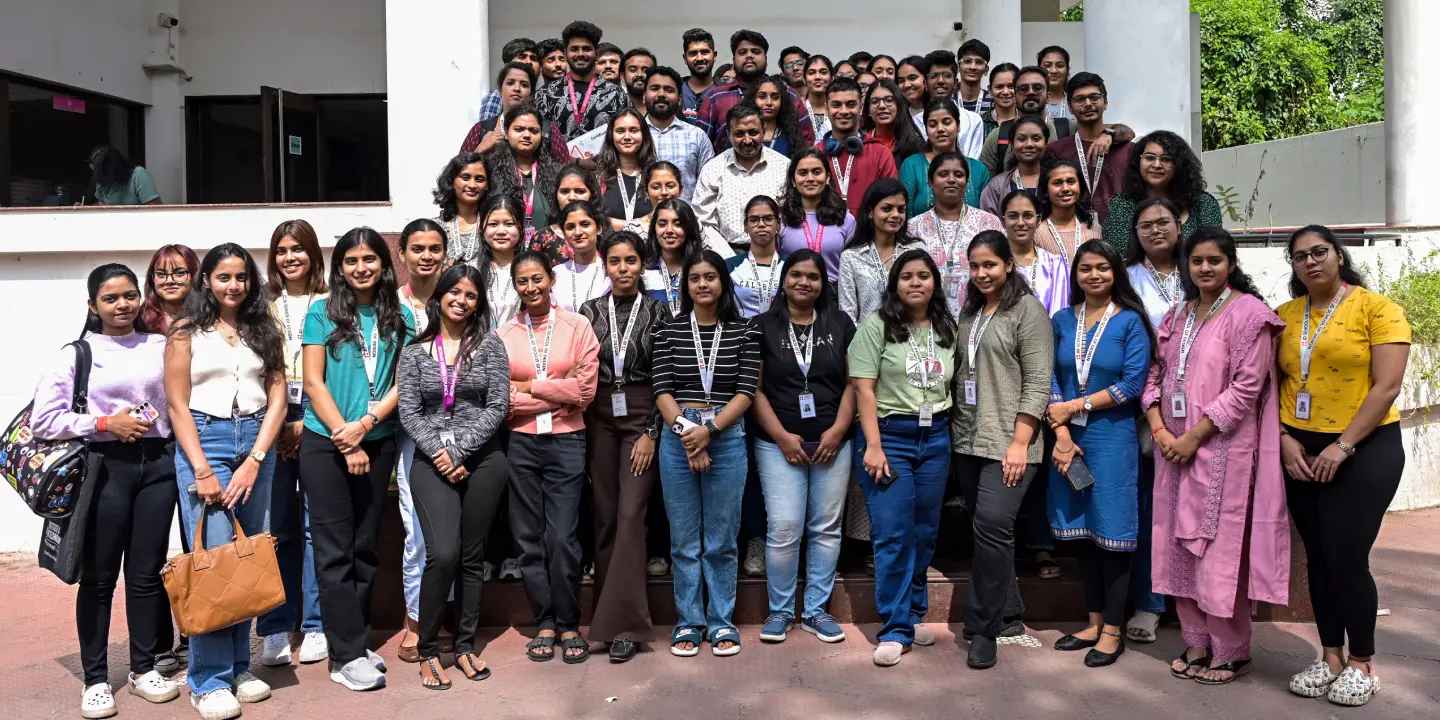
Fashion Courses Interior Design Courses Jewellery Design Courses UI/UI Courses Visual Arts Courses Other Courses OTHER COURSES Contact us Bengaluru Campus 1 : JD School of Design, No. 18-1, Brigade Road, Bengaluru,Karnataka – 560 001. Campus 2 : No. 40, Swan House, 4th Cross, Residency Road, Bengaluru, Karnataka – 560001. +91 9901 999 903 +91 9901 999 904 +91 9480 323 232 jdfashion@jdindia.com Goa Musthtifund Saunstha , Near Mahalaxmi Temple,Dada Vaidya Road, Goa-403001 +91 9606 096 060 +91 9606 048 888 jdfashion@jdindia.com November 2024 at JD School of Design rolled in creativity and learning, in collaboration with industry experts as the students explored design and honed their skills within the sea of design. Here’s a snapshot of the fantastic events that worked out this month.   Karnataka Rajyotsava Celebration JD School of Design’s Karnataka Rajyotsava event was a colourful display of the state’s diverse culture and rich history. Enthralling music, fascinating dance performances, and vibrant traditional attires that acknowledged Karnataka’s past brought the celebration to life. A memorable event full of excitement and pride for the state’s magnificent history and culture was created when students and staff came together to celebrate the spirit of unity, art, and heritage. Game and Experience Design Workshop The month began with an energetic workshop led by Mr. Amaresh Deshpande, game designer and educator, where students plunged into an intricate world of game and experience design where imagination meets technology. Rich in his industry experience, Mr. Deshpande showed students that design can craft immersive and interactive experiences to inspire them to move beyond the boundaries of what can be thought of as something new and innovative territory for design. UAL Portfolio Development Workshop The UAL Portfolio Development Workshop really was a great tool for people who want to put out there their best creative self. This high-intensity workshop set the stage for the building of portfolios that are outstanding. The participants came through a diverse range of design disciplines, tested ideas, and found unique creative voices. The major highlights of this workshop include: Hands-on exploration of multiple art forms and designs. Expert advice on the art of writing an effective study proposal and video tasks. Tailor-made writing advice on SOPs. By the end of the workshop, the students were able to take back home a more enriching portfolio, with great confidence, and a better understanding of their creative practices. Photography Workshop by Mr. Virender Singh More than 13 years in the industry have given Mr Virender Singh as a master trainer who actually made the month exciting for photography enthusiasts, providing them with profound insights into the world of various photography genres—from portrait to commercial photography—in a workshop hands-on. Mr Singh has led students through subtleties and digital photography that ensure creativity in interesting visual content apt for the digital world of today. By the end of the session, everyone had new skills in hand along with the zeal to tell stories through their lenses. Blum Seminar for Interior Design Students Blum Manufacturing Company, the global furniture fittings and design innovation leaders, informed interior design students on a seminar illuminative session that enlightened them on one key concept called Blum Inspirations. The aim is to attain practical and efficient solutions for furniture. The seminar provided the students not only with knowledge but also with hands-on equipment to make the principles of Blum imbedded in their future design projects, and thus, one step closer to meaningful, user-centred spaces. Human-Centred Design: A Design Thinking Experience The last highlight of the month was an enlightening session with Ms. Varsha Solanki, a celebrated craft revivalist, sustainable fashion advocate, and founder of OffGrain. Ms Solanki brought into class ten years of experience with looking into the juncture of sustainability, craft, and human-centric design, inspiring the trainees through her works, from the Kadoli Craft Project up to her showcase in Helsinki Fashion Week 2024, as motivation in critiquing in what ways designs are being applied in society and in how they affect the environment. She spoke more about design thinking as an innovation tool, and the depth of her emphasis on this made participants think with empathy, sustainability, and cultural sensitivity in approaching their projects. The Visual Merchandising Display  Students from the MBA Fashion Business and Event Management 2023 batch at JD School of Design, organised The Visual Merchandising Display that empowered them with the necessary information and skills to create appealing retail displays that appeal to the minds of customers. The result is that the student learns to design an environment using imagination, strategic planning, and awareness of consumer behaviour to boost not only brand identity but customer engagement and sales as well. Hands-on experience is designed in layout design, lighting, colour coordination, and analysis of trends to get these students ready to have maximum impact in retail management, fashion marketing, and brand representation. This course enables the students to transform retail spaces into memorable and immersive shopping experiences.

The Future Trends in Interior Design Course in Bangalore

The Future Trends in Interior Design Course in Bangalore

Fashion Courses Interior Design Courses Jewellery Design Courses UI/UI Courses Visual Arts Courses Other Courses OTHER COURSES Contact us Bengaluru Campus 1 : JD School of Design, No. 18-1, Brigade Road, Bengaluru,Karnataka – 560 001. Campus 2 : No. 40, Swan House, 4th Cross, Residency Road, Bengaluru, Karnataka – 560001. +91 9901 999 903 +91 9901 999 904 +91 9480 323 232 jdfashion@jdindia.com Goa Musthtifund Saunstha , Near Mahalaxmi Temple,Dada Vaidya Road, Goa-403001 +91 9606 096 060 +91 9606 048 888 jdfashion@jdindia.com Due to the constant transformation of technology, culture and matters regarding sustainability, interior designing is a subject that is constantly dynamic. When it comes to the implementation of such new trends into interior design courses, Bangalore, which is known as the city of educational innovations, takes the lead. In this post, let us understand the future trends in interior design that are emerging and how they are imparted in existing top colleges in Bangalore.  Sustainable and Eco-Friendly Design  Sustainability can now be said to be one of the main aspects that define contemporary interior design. Since the increasing concern for the environment, more and more Best Colleges for Future Interior Design are introducing concepts of sustainable building designs into their curricula. Students are taught how to choose sustainable materials, design for energy saving, and design the spaces to have the least negative effects on the environment.   Some of the areas covered include the use of recycled materials, ways of conserving energy as well as sustainable sources. This prepares the students fate the world that sustainability is not only a fad but is rather something very integral to life.  Introducing Smart Homes and Technologies  In recent years, especially, with the further development of new technologies people become more interested in the idea of smart homes. The best interior design colleges in Bangalore are incorporating ideas on how to integrate technology into the designs among students. This involves training in home automation systems, smart lighting and energy management solutions; among others.  Some of the complex Interior design methods taught in Bangalore.  Computer Simulation and Three Dimensional Modeling  Virtual Reality (VR) and 3D modelling are some of the technologies that have impacted how interior designers peruse their products. Information technologies are similarly employed by Bangalore’s colleges which rank high on the usage of these technologies for teaching.  Students are taught to incorporate and design Virtual Reality and 3D modeling tools creating an engaging design experience for the students. This makes it easier for them to explain their ideas to the clients because a walk-through gives the clients a preview into the future of interior design presentations.  Another trend currently adopted by the leading Colleges in Bangalore is called biophilic design – a design that focuses on the interdependency between people and nature. Some of the lessons for students are, designing spaces that enhance people’s wellness, this is achieved through the usage of natural items such as plants, natural lighting, and organic items.  I think this theory follows the future trends in interior design to promote the health and well-being of the people who will be using the designed spaces and this development will prepare the students to be in a position to do so.  Bangalore Encouraging Future Trends in Interior Design: The Best Colleges  Some of the Latest Interior Design in Bangalore college and their identity focuses on creativity and innovation. Such institutions provide programs that are more refined and enable the learners to learn about interior design techniques taught in Bangalore Students are exposed to modern facilities as well as guided by highly experienced professionals who practice their work in their careers. Hence with the tendency that the curriculum provides the theoretical background of the subject as well as exposure in practice, the course readies the graduates for the challenges awaiting them in the field of interior design.  Industrial Partnership and Real-Life Interface    A major benefit that comes with studying advanced interior design in Bangalore is that most of these colleges are industry-affiliated. The design works that students undertake contain real projects, intercalary training with design companies, and workshop assignments. This practical exposure helps students learn how to apply what they have learnt in class to real-life situations.  The guest lectures organised by faculties are conducted by various industry professionals giving their perspectives on current market trends. This means that education is in touch with employment hence making the city of Bangalore ideal for anyone seeking to be an interior designer.  So in the future when the profession of interior designing is even more advanced, learning what each new trend is, is important. Some of the Modern Interior Design in Bangalore are at the forefront, which means that while the students are fully aware of such trends, they are also in a position to implement such trends into their designs. Sustainable practices and methodologies to conceptualize and implement smarter homes, wellness spaces, etc., offer the curriculum that will prepare students for the interior design techniques taught in Bangalore.  With the future trends in interior design being uncertain due to the growing complexity of the field, by choosing to study in Bangalore one can be assured of getting a relevant education that will help him or her fit in the competitive market. 

SketchUp Design Base Camp 2024 Day of Innovation and Excellence.

SketchUp Design Base Camp 2024: Day of Innovation and Excellence.

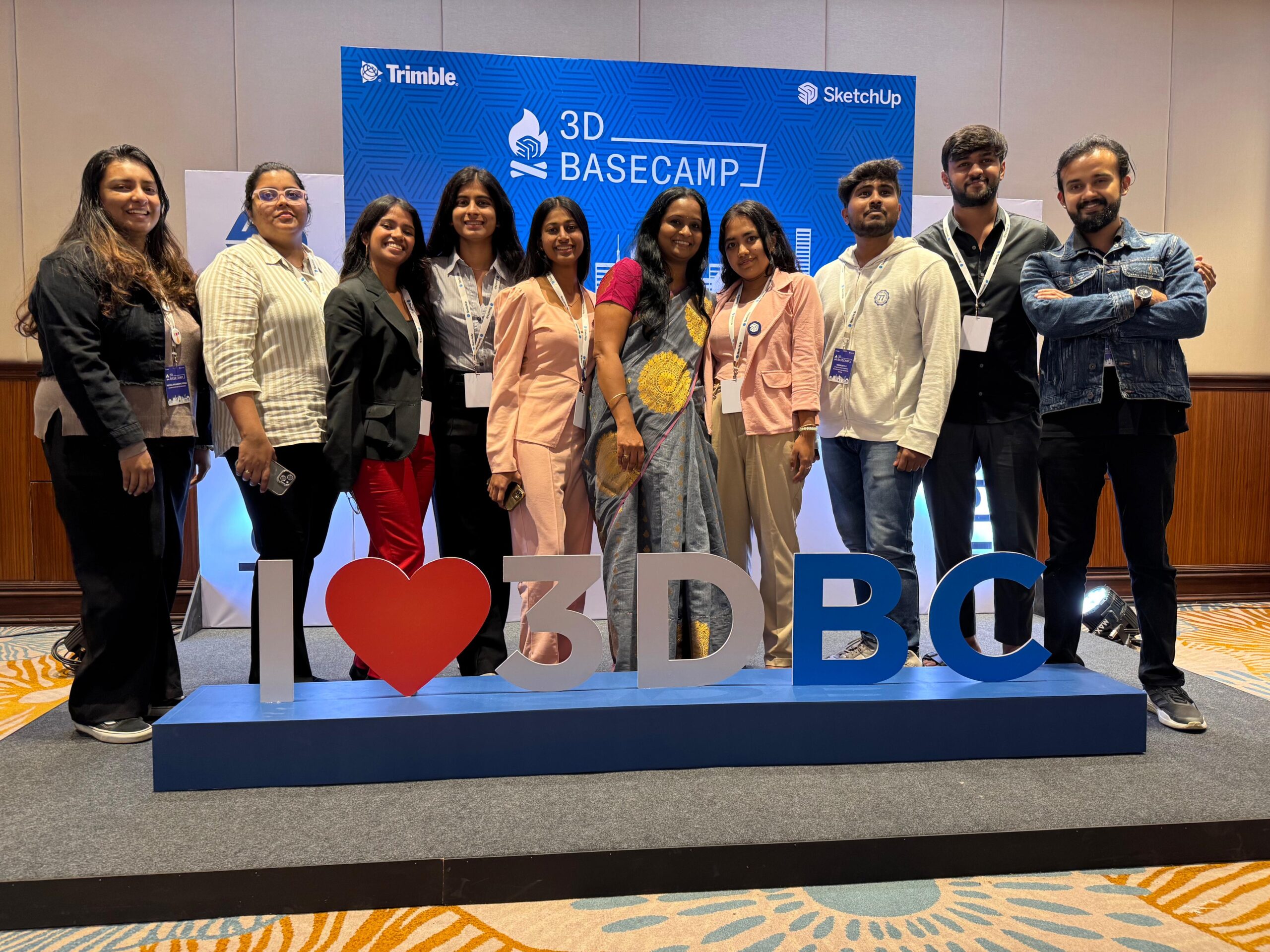
Fashion Courses Interior Design Courses Jewellery Design Courses UI/UI Courses Visual Arts Courses Other Courses OTHER COURSES Contact us Bengaluru Campus 1 : JD School of Design, No. 18-1, Brigade Road, Bengaluru,Karnataka – 560 001. Campus 2 : No. 40, Swan House, 4th Cross, Residency Road, Bengaluru, Karnataka – 560001. +91 9901 999 903 +91 9901 999 904 +91 9480 323 232 jdfashion@jdindia.com Goa Musthtifund Saunstha , Near Mahalaxmi Temple,Dada Vaidya Road, Goa-403001 +91 9606 096 060 +91 9606 048 888 jdfashion@jdindia.com SketchUp Design Base Camp 2024—On 29th November 2024, students from JD School of Design attended SketchUp Design Base Camp 2024 at Taj MG Road, Bengaluru. The event was a combination of the best design professionals and students that learnt about the latest breakthroughs in the Trimble SketchUp software, the biggest player in the space of architecture, interior designing, and 3D modelling. The event hosted a series of advanced sessions on a series of innovative topics. The most significant highlight in the series was the integration of AI into SketchUp workflows. This integration is likely to improve the efficiency and creativity of designs. They received training on the process of 3D scanning and importing data into SketchUp. This represents a significant advancement in digital modelling of real-life objects and environments. The sessions also came equipped with versions of the newest Chaos V-Ray and Enscape—a couple of extremely powerful rendering tools to make things seem realer. This included increasing the emphasis on AI while upgrading both the V-ray and Enscape plugins to give further proof of the transformation that technology was bringing to the design sector. Users are well-educated on all of these high-end techniques, ensuring a quality rendition for any project for the client. Meeting Mr. Sean Baptist, Senior Regional Manager, APAC at Trimble Solutions SEA Pte. Ltd., has been one of the very special experiences. Meetings that discuss how to improve academic programs and include the latest software developments in the design curricula are always inspirational and insightful. We are more than thrilled to share that Jeffrin George from M.Sc. 2023 in the Interior Design Department of JD School of Design emerged as a winner of the SketchUp Certification Program Award. Heartfelt congratulations, Jeffrin and the faculty team for this milestone in fostering excellence in design education!

Imagination Journey to Mumbai Through Design, Art, and Heritage (11)

Imagination Journey to Mumbai: Exploring Culture and Creativity

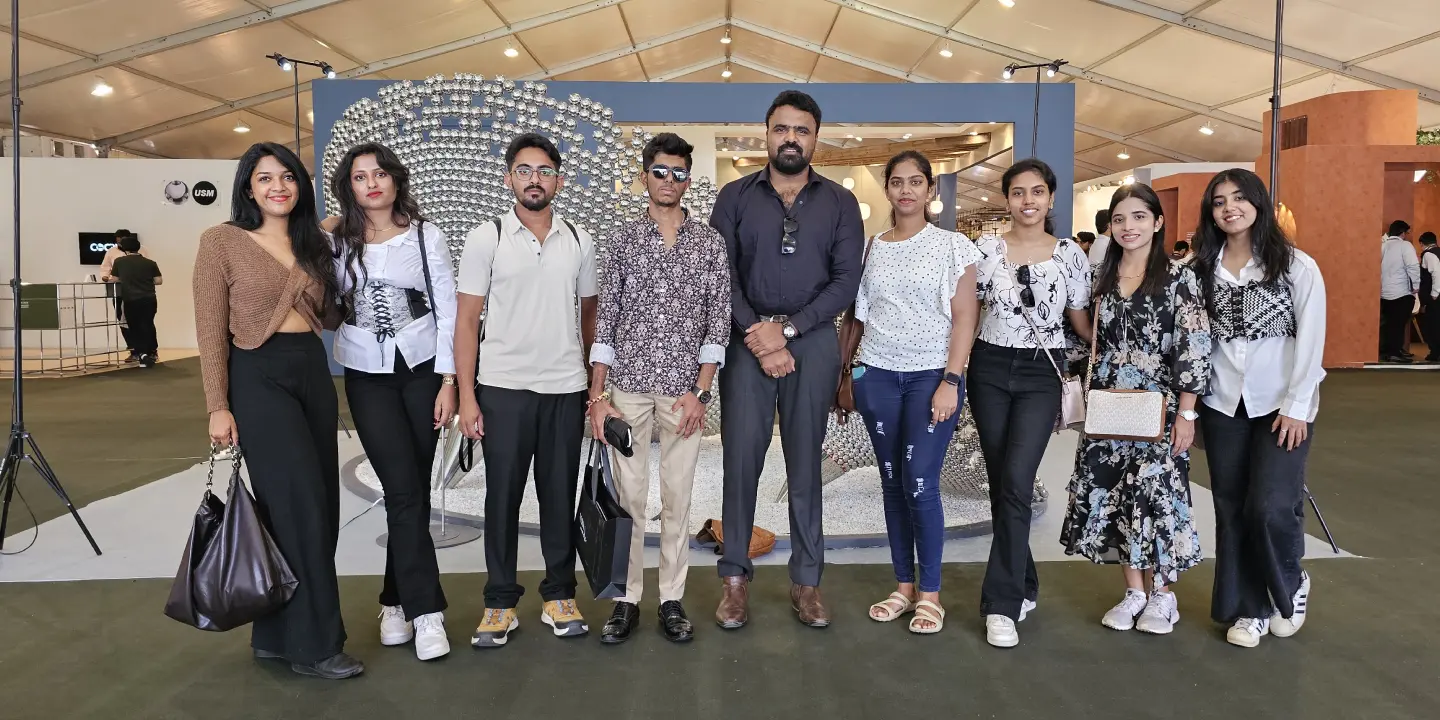
Fashion Courses Interior Design Courses Jewellery Design Courses UI/UI Courses Visual Arts Courses Other Courses OTHER COURSES Contact us Bengaluru Campus 1 : JD School of Design, No. 18-1, Brigade Road, Bengaluru,Karnataka – 560 001. Campus 2 : No. 40, Swan House, 4th Cross, Residency Road, Bengaluru, Karnataka – 560001. +91 9901 999 903 +91 9901 999 904 +91 9480 323 232 jdfashion@jdindia.com Goa Musthtifund Saunstha , Near Mahalaxmi Temple,Dada Vaidya Road, Goa-403001 +91 9606 096 060 +91 9606 048 888 jdfashion@jdindia.com Imagination Journey to Mumbai- JD School of Design students took a trip to Mumbai, the energetic city of Maharashtra, for an amazing three-day excursion exploring art, design, and culture. Through hands-on cultural immersion learning, it evolved into a harmonic fusion of contemporary innovation and ancient tradition, influencing viewpoints and igniting creativity. Immersion in Superior Design Our day started with an optional visit to the holy Sri Siddhivinayak Temple, where students present absorbed the peacefulness of this sacred place. The day then shifted to Design Mumbai 2024 at Jio World Garden, a creative innovation hub. Students of interior design learned from industry giants such as Chris Lefteri and Charu Gandhi, and they admired installations from renowned companies like Poltrona Frau and Jaipur Rugs. Meanwhile, the Nita Mukesh Ambani Cultural Centre (NMACC) was discovered by fashion students as a symbol of contemporary design with deep cultural meanings. The Art House, with its demanding modern exhibits, was another gem. Yayoi Kusama’s Infinity Mirror Room with its infinite array of reflections was overwhelming for one’s senses. The day ended with a visit to Jio World Drive, where upscale retail establishments offered valuable insights into visual marketing and trend-spotting. Discover the Past Every nook of South Bombay, where this day was spent, speaks with a story. The creative alleys of Kala Ghoda, the display of Jehangir Art Gallery, and Flora Fountain were some of the historical treasures that students looked up to. Views of India’s artistic heritage and contemporary interpretations emerged from visits to the National Gallery of Modern Art (NGMA) and the Chhatrapati Shivaji Maharaj Vastu Sangrahalaya (CSMVS). A peaceful walk on Marine Drive, where the silhouette of the city was receding into twilight, invoked thoughts and fancies and culminated in a day full of thrilling shopping at Colaba Causeway. Heritage Walk Our last day was spent in the heavenly and magnificent world of the Elephanta Caves, an island with spiritual and historical value. The students were captivated by the beauty of Trimurti and the mythological panels that depicted elaborate legends of Lord Shiva. The rock-cut artwork was mind-blowing and a treasure trove of knowledge on the art and architecture of ancient India. The JD School of Design trip to Mumbai was more of a cultural and creative sojourn rather than an educational tour. With such myriad possibilities in art and design, these connections will forever be a guiding force in our students’ artistic pursuits.